


Booking Process for FCL Shipping from China to New York: A Full Guide
Navigating the booking process for FCL shipping from China to New York requires a clear understanding of international logistics and carrier requirements. Importers often face complex documentation and scheduling hurdles when moving full container loads across the Pacific and through the Panama Canal. Reliable freight forwarding partners like Top China Freight help streamline these operations by managing every detail from the factory floor to the final warehouse in New York.

What is the Booking Process for FCL Shipping from China to New York?
Understanding the core components of the booking process for FCL shipping from China to New York is the first step toward a successful import strategy. Full Container Load (FCL) refers to a shipment where a single importer occupies the entire space of a 20ft or 40ft container. Consequently, this method offers better security and faster transit times compared to shared container options.
Choosing FCL is particularly beneficial for businesses moving large volumes of goods or fragile items that require minimal handling. Moreover, the process involves coordinating with suppliers, freight forwarders, and ocean carriers to ensure equipment availability at the port of loading. Therefore, starting the booking at least two weeks before the cargo is ready is highly recommended.
Freight forwarders act as the essential bridge between your supplier in China and the destination port in New York. They handle the complex negotiations with steamship lines to secure competitive sea freight rates and guaranteed space on vessels. Additionally, they provide the necessary infrastructure to track your shipment in real-time as it traverses the ocean.
Key Steps in the FCL Booking Workflow
First, you must request a formal quote from your logistics provider based on your specific cargo details and preferred shipping dates. This quote should include all ocean freight charges, local fees in China, and estimated destination costs in New York. Indeed, transparency at this stage prevents unexpected expenses from arising during the transit phase.
Second, once you approve the quote, the forwarder submits a booking request to the carrier to reserve space on a specific vessel. After the carrier confirms the booking, they issue a Booking Note, which contains the vessel name, voyage number, and container release details. Meanwhile, your supplier in China coordinates with the forwarder to arrange for the empty container to be picked up from the port depot.
Third, the container is transported to the supplier’s factory or warehouse for loading and sealing. It is crucial that the seal number is recorded accurately, as this is a vital piece of information for security and customs purposes. Furthermore, the loaded container must be returned to the terminal before the designated port cut-off time to ensure it makes the scheduled sailing.
How Does FCL Compare to Other Shipping Options?
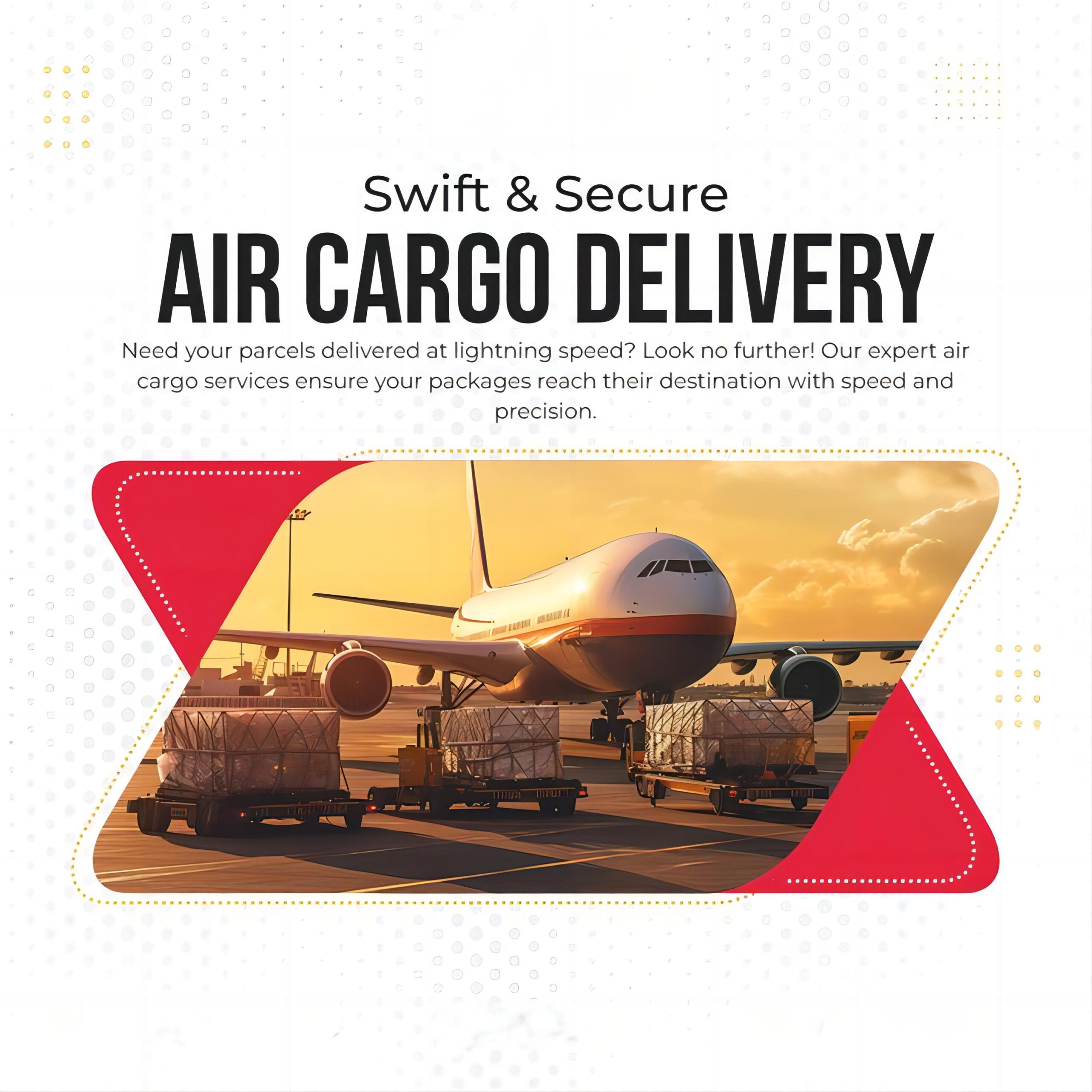
Evaluating different transport modes is vital because the booking process for FCL shipping from China to New York may not always be the best fit for every shipment. While FCL provides the most stability for large volumes, smaller shipments might benefit from LCL or air freight. In contrast, businesses with urgent deadlines often prioritize speed over cost, leading them to choose express alternatives.
Analyzing the trade-offs between cost and speed helps logistics managers optimize their supply chain budgets. For example, air freight is significantly more expensive but can reduce transit time from 35 days to just 5 days. On the other hand, FCL remains the most cost-effective solution for bulk commodities and heavy retail goods destined for the East Coast.
Professional customs brokerage services are required regardless of the shipping method chosen to ensure compliance with US Customs and Border Protection. Consequently, you should consider the complexity of your cargo when deciding between FCL and other methods. Below is a detailed comparison of the available shipping options for the China to New York route.
| Shipping Method | Cost Range | Transit Time | Best For |
|---|---|---|---|
| FCL (40HQ) | $4,500 – $6,000 | 30-35 Days | Bulk goods and large inventory |
| LCL (per CBM) | $80 – $150 | 35-45 Days | Small shipments (1-10 CBM) |
| Air Freight | $5 – $9 per kg | 5-8 Days | High-value or urgent items |
| Sea-Air Hybrid | $3 – $5 per kg | 15-20 Days | Balancing cost and speed |
Which Option Should You Choose?
Budget priority dictates that FCL is almost always the superior choice for shipments exceeding 15 cubic meters. If your primary goal is to minimize the cost per unit, securing a full container allows you to spread the fixed shipping costs across a larger volume of products. Additionally, FCL reduces the risk of damage since the container is not opened until it reaches your warehouse.
Speed priority might lead you toward air freight or fast-boat sea services that utilize West Coast ports combined with rail transport. However, for a direct New York delivery, the all-water route through the Panama Canal is the standard FCL path. Consequently, importers must plan their inventory cycles around the 30-to-40-day window required for East Coast arrivals.
Cargo type considerations also play a major role in the decision-making process for New York bound freight. Perishable goods or high-fashion items with short shelf lives often require the speed of air transport. Nevertheless, for standard consumer electronics, furniture, or industrial equipment, the door to door FCL service remains the industry benchmark for reliability.
Freight Costs and Transit Times for China to New York
Market data suggests that freight rates for the China to New York route are generally higher than those to the US West Coast due to the longer distance and canal tolls. As of early 2025, rates have seen fluctuations based on carrier capacity and seasonal demand shifts. Specifically, shipping to the East Coast involves navigating either the Panama Canal or the Suez Canal, depending on the origin port in China.
Transit times typically range from 30 to 38 days for direct services from major hubs like Shanghai, Ningbo, or Shenzhen. Meanwhile, transshipment routes through hubs like Singapore or Busan might add another 7 to 10 days to the total journey. Therefore, businesses must account for these timelines when scheduling product launches or replenishment orders in the New York market.
Seasonal patterns significantly influence the booking process for FCL shipping from China to New York, especially during the peak season from August to October. During this period, rates can increase by 20 percent or more as retailers prepare for the holiday shopping rush. Furthermore, equipment shortages in China can lead to “rolled” cargo if bookings are not secured well in advance.
| Origin Port | Container Type | Est. Cost (USD) | Est. Transit |
|---|---|---|---|
| Shanghai | 20GP | $2,800 – $3,500 | 32 Days |
| Shenzhen | 40HQ | $4,800 – $6,200 | 30 Days |
| Ningbo | 40GP | $4,200 – $5,500 | 34 Days |
| Qingdao | 40HQ | $5,000 – $6,500 | 38 Days |
Real Case Studies: FCL Shipping from China to New York
Case Study 1: Electronics Distribution for New York Retailer. Route: Shanghai, China to New York, USA. Cargo: Consumer electronics, 65 CBM, 12,000 kg. Container: 40HQ. Shipping Details: Carrier: Maersk; Port of Loading: Shanghai; Port of Discharge: New York (Maher Terminals); Route Type: Direct via Panama Canal. Cost Breakdown: Ocean Freight: $5,200; Origin Charges: $450; Destination Charges: $850; Customs and Duties: $2,100; Total Landed Cost: $8,600. Timeline: Booking to Loading: 5 days; Sea Transit: 33 days; Customs Clearance: 2 days; Total Door-to-Door: 42 days. Key Insight: Early booking during the Golden Week holiday prevented a two-week delay.
Case Study 2: Furniture Import for Brooklyn Showroom. Route: Shenzhen, China to New York, USA. Cargo: Wooden furniture, 28 CBM, 8,500 kg. Container: 20GP. Shipping Details: Carrier: COSCO; Port of Loading: Yantian; Port of Discharge: Port Newark; Route Type: Direct. Cost Breakdown: Ocean Freight: $3,100; Origin Charges: $400; Destination Charges: $750; Customs and Duties: $1,200; Total Landed Cost: $5,450. Timeline: Booking to Loading: 4 days; Sea Transit: 31 days; Customs Clearance: 3 days; Total Door-to-Door: 40 days. Key Insight: Utilizing a Amazon FBA style prep service in China ensured all items were palletized correctly for US warehouse standards.
Note: Freight rates are subject to change based on fuel costs, carrier capacity, and seasonal demand. Contact us for a current quote tailored to your specific shipment.
Common Challenges in the Booking Process
Documentation errors represent one of the most frequent causes of delays in the booking process for FCL shipping from China to New York. If the Bill of Lading, Commercial Invoice, or Packing List contains discrepancies, US Customs may hold the container for intensive examination. Consequently, this leads to significant demurrage and detention fees at the New York port terminals.
Port congestion in New York and New Jersey can also disrupt delivery schedules, even if the ocean transit was on time. During busy periods, truckers may struggle to secure appointments for container pick-up, leading to bottlenecks in the local supply chain. In addition, weather events in the Atlantic or delays at the Panama Canal can occasionally add several days to the expected arrival date.
Managing shipments to North America requires a proactive approach to communication between all parties. Importers should ensure their freight forwarder has a strong presence in both China and the US to resolve issues quickly. Furthermore, staying informed about the latest maritime regulations and labor situations at the ports is essential for risk mitigation.
Final Thoughts on FCL Shipping to New York
Successfully navigating the booking process for FCL shipping from China to New York is a critical skill for any company involved in international trade. By understanding the steps involved, from initial inquiry to final customs clearance, you can better control your costs and delivery timelines. Transitioning to a structured booking workflow ensures that your supply chain remains resilient against global market fluctuations.
Remember that choosing the right freight forwarding partner is the most important decision in this process. A reliable partner will guide you through the complexities of ocean freight, documentation, and inland transport. With the right preparation and expert support, your FCL shipments will continue to drive your business growth in the competitive New York market.

Ready to streamline your logistics?
Managing the booking process for FCL shipping from China to New York does not have to be a stressful experience for your business. Our team of logistics experts is ready to provide you with a competitive quote and a seamless shipping plan tailored to your needs. Contact Top China Freight today to secure your container space and ensure your cargo arrives in New York on schedule and within budget.
Request Quote