

Trusted Sea Freight from China to Germany: A Complete 2025 Guide
Securing trusted sea freight from China to Germany is a critical step for businesses looking to optimize their international supply chain. As global trade continues to expand, finding a reliable partner like Top China Freight ensures your cargo arrives safely and on schedule. In this comprehensive guide, we will explore the nuances of ocean logistics, cost-saving strategies, and the latest market trends affecting the China-Europe route.
How Does Sea Freight Compare to Other Shipping Options?
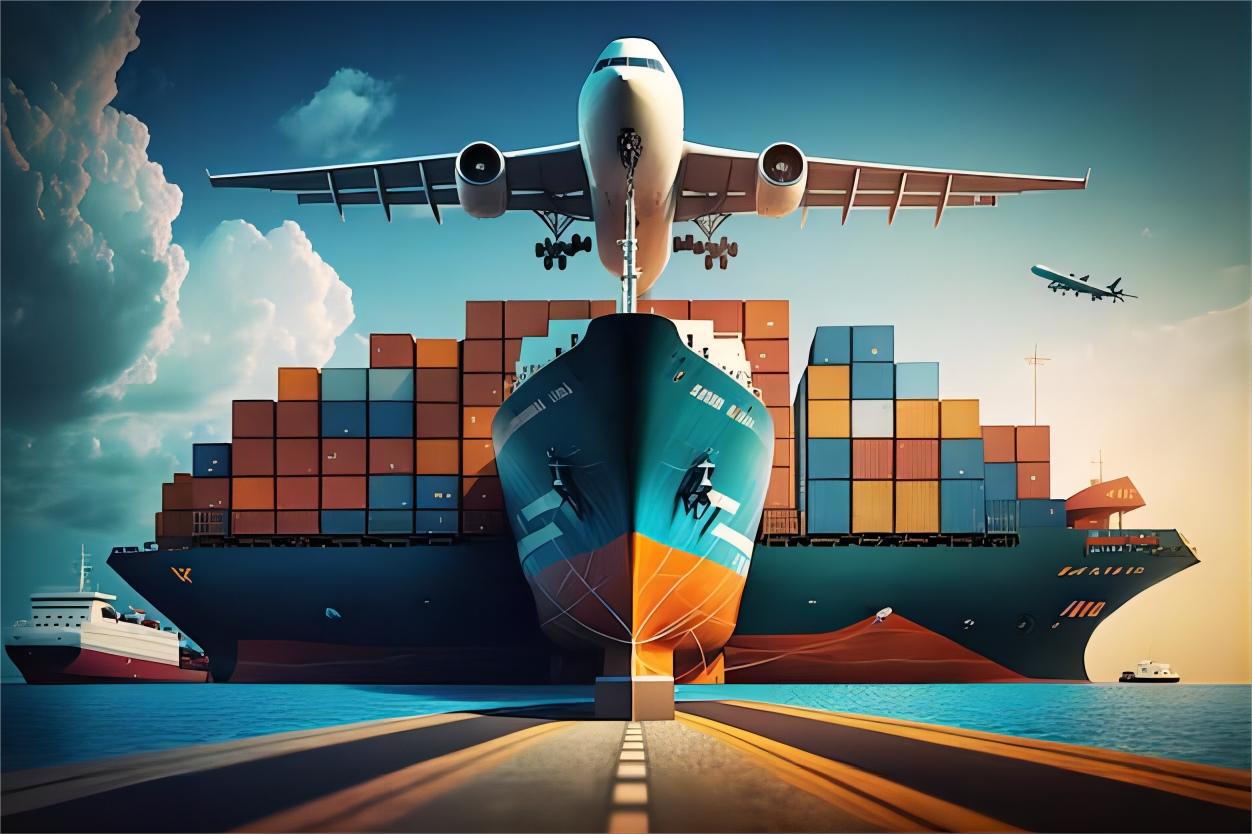
Choosing the right transportation mode involves balancing speed, cost, and cargo volume. While air freight offers rapid delivery, sea freight remains the most cost-effective solution for large-scale shipments. Consequently, many importers prefer the ocean route to maintain healthy profit margins despite longer transit times.
Furthermore, rail freight has emerged as a middle-ground alternative, offering faster speeds than ships but at a higher price point. Nevertheless, sea transport provides the highest capacity for oversized or heavy industrial equipment that other modes cannot handle efficiently. To clarify the differences, we have provided a detailed comparison below.
| Shipping Method | Cost Range | Transit Time | Best For |
|---|---|---|---|
| Sea Freight | $2,500 – $4,500 | 30 – 45 Days | Bulk goods and large containers |
| Air Freight | $15,000 – $25,000 | 5 – 9 Days | Urgent or high-value items |
| Rail Freight | $6,000 – $9,000 | 18 – 22 Days | E-commerce and mid-range budgets |
| Express | $20,000+ | 3 – 5 Days | Small parcels and documents |
What are the Primary Benefits of Trusted Sea Freight from China to Germany?
Reliability serves as the cornerstone of international trade, especially when moving goods across thousands of nautical miles. By utilizing sea freight, businesses can access stable schedules and predictable departure windows. Moreover, modern tracking technology allows for real-time monitoring of container movements throughout the voyage.
Additionally, ocean shipping is significantly more environmentally friendly compared to air transport, producing lower carbon emissions per ton of cargo. Indeed, this sustainability factor is becoming increasingly important for German companies adhering to strict corporate social responsibility standards. As a result, sea freight remains the backbone of the global economy.
Understanding FCL vs LCL Shipping Methods
Full Container Load (FCL) is the preferred choice for importers who have enough cargo to fill an entire 20ft or 40ft container. This method offers better security and faster handling because the container is sealed at the origin and only opened at the destination. Therefore, FCL is ideal for high-volume shipments or sensitive goods.
On the other hand, Less than Container Load (LCL) allows multiple shippers to share space within a single container. Although this is more economical for smaller volumes, it requires additional time for consolidation and deconsolidation at the ports. For those selling on online platforms, Amazon FBA services often utilize LCL to manage inventory levels efficiently.
Key Ports and Transit Times for German Shipments
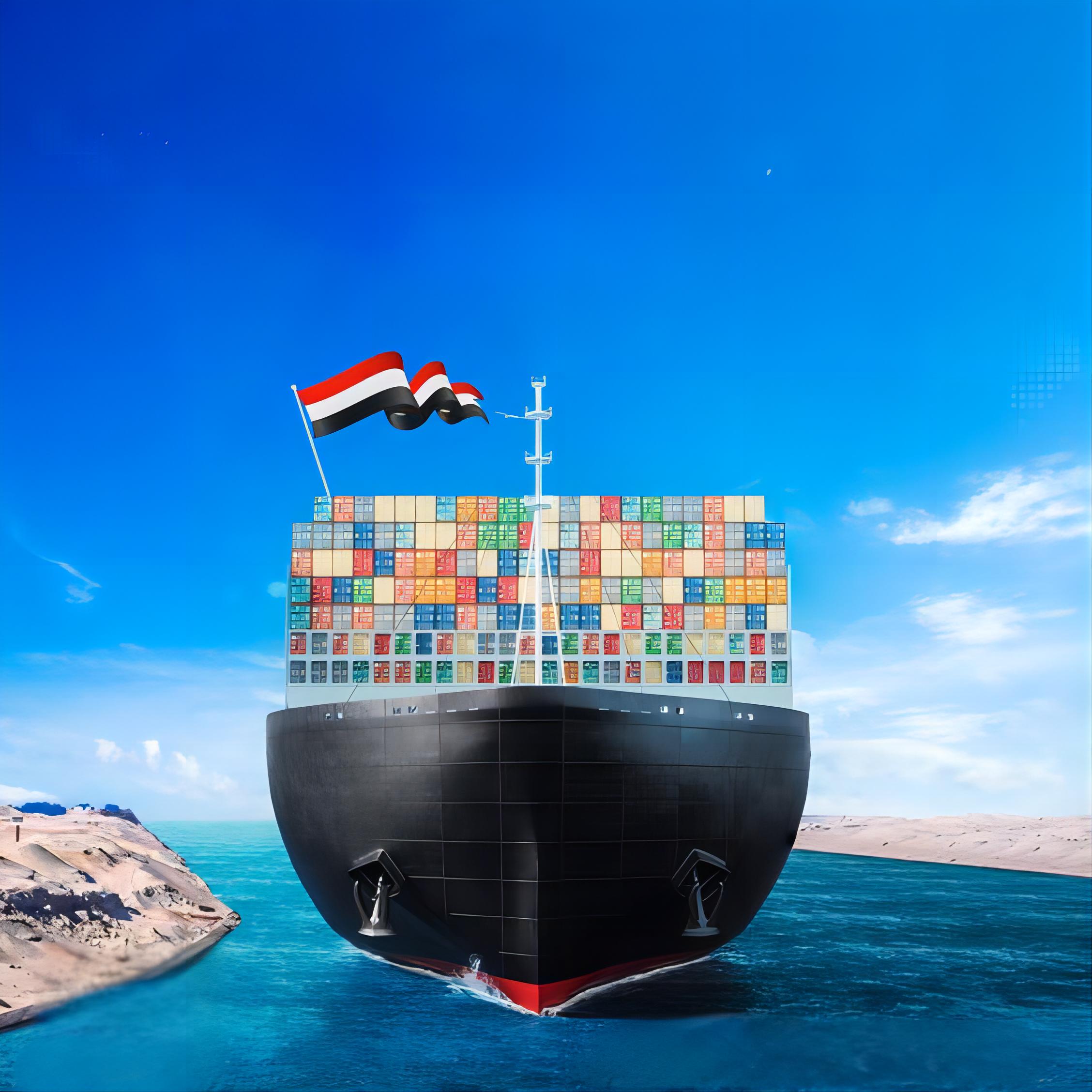
Major Chinese ports like Shanghai, Ningbo, and Shenzhen serve as the primary exit points for goods bound for Europe. Specifically, the route typically passes through the South China Sea, the Indian Ocean, and the Suez Canal before reaching the North Sea. Transit times can vary based on the carrier and the specific German port of discharge.
Hamburg and Bremerhaven are the leading maritime hubs in Germany, handling the majority of containerized traffic from Asia. In addition, some shipments may arrive via Wilhelmshaven or even through Rotterdam in the Netherlands for subsequent trucking into Germany. Below is a breakdown of typical transit durations.
| Origin Port | Destination Port | Average Transit | Frequency |
|---|---|---|---|
| Shanghai | Hamburg | 32 – 35 Days | Weekly |
| Shenzhen | Bremerhaven | 28 – 32 Days | Bi-weekly |
| Ningbo | Hamburg | 30 – 34 Days | Weekly |
| Qingdao | Wilhelmshaven | 35 – 40 Days | Weekly |
Essential Customs Documentation for German Imports
Navigating the complexities of European Union trade regulations requires precise documentation to avoid costly delays. Specifically, every shipment must be accompanied by a commercial invoice, a detailed packing list, and a Bill of Lading. Furthermore, specialized certificates of origin may be necessary to benefit from specific trade agreements or tariff reductions.
Engaging a professional customs brokerage service can simplify this process significantly. These experts ensure that all HS codes are correctly classified and that VAT and import duties are calculated accurately. Consequently, your cargo can move through German customs without unnecessary inspections or fines.
Which Option Should You Choose? A Decision Framework
Determining the best shipping strategy depends on several variables, including budget, urgency, and product type. If your primary goal is cost reduction and your lead times allow for a month of transit, sea freight is the clear winner. However, if you are launching a seasonal product with a tight deadline, a hybrid sea-air solution might be more appropriate.
Consider the volume thresholds when switching between methods. For instance, shipments under 1 CBM are often cheaper via express courier, while those between 1 and 15 CBM are best suited for LCL. Once you exceed 15 CBM, FCL usually becomes the most economical choice. To streamline the entire journey, many businesses opt for door to door logistics to minimize handling risks.
Realistic Case Studies of China to Germany Shipments
To provide a clearer picture of the logistics landscape, we have compiled real-world examples of recent shipments. These cases reflect actual market conditions as of late 2024 and early 2025. Please note that rates fluctuate based on fuel surcharges and carrier capacity.
Case Study 1: Electronics from Shenzhen to Hamburg. Cargo: Consumer electronics, 28 CBM, 4500 kg. Container: 40GP. Shipping Details: Direct route via major carrier. Cost Breakdown: Ocean Freight $3,200, Origin Charges $450, Destination Charges $550, Customs $200. Total Landed Cost: $4,400. Timeline: 34 days door-to-door. Key Insight: Early booking saved 15 percent on peak season surcharges.
Case Study 2: Industrial Parts from Ningbo to Bremen. Cargo: Machinery components, 5 CBM, 1200 kg. Container: LCL. Shipping Details: Transshipment via Singapore. Cost Breakdown: Ocean Freight $450, Origin Charges $150, Destination Charges $300, Customs $150. Total Landed Cost: $1,050. Timeline: 42 days door-to-door. Key Insight: Consolidation services allowed for significant savings over air freight.
Factors Influencing Ocean Freight Rates in 2025
Several global factors continue to impact the cost of trusted sea freight from China to Germany. For example, fuel price volatility directly affects bunker adjustment factors applied by shipping lines. Additionally, geopolitical events in the Red Sea region have forced many vessels to reroute around the Cape of Good Hope, increasing transit times and operational costs.
Seasonal demand also plays a major role in pricing trends. Typically, rates spike during the months leading up to the Golden Week holiday in China and the Christmas season in Europe. Therefore, planning your supply chain schedule at least two months in advance is highly recommended to secure the best possible rates. Market data suggests that 2025 will see a stabilization of rates compared to the extreme fluctuations of previous years.
Final Thoughts on Shipping to Germany
In summary, finding trusted sea freight from China to Germany requires a combination of careful planning, robust documentation, and a reliable logistics partner. By understanding the differences between FCL and LCL, and staying informed about market trends, you can significantly reduce your shipping overhead. Remember to account for transit times and customs requirements to ensure a smooth delivery process. Whether you are a small business or a large enterprise, the ocean route remains the most sustainable and cost-effective way to transport goods across the globe.
Ready to streamline your logistics?
Streamline your international logistics today with a customized quote for trusted sea freight from China to Germany. Visit our inquiry page to get started: See: https://Top China Freight.com/contact-us/
Request Quote