

Professional Sea Freight from China to Germany: 2025 Logistics Guide | Primary Option: Expert Solutions for Professional
Choosing professional sea freight from China to Germany is a strategic decision for businesses looking to optimize their supply chain costs. As global trade continues to evolve, Top China Freight offers comprehensive logistics solutions tailored to meet the specific needs of modern importers. This guide provides an in-depth analysis of ocean transport, ensuring your cargo moves efficiently across the sea.
Why Choose Professional Sea Freight from China to Germany?
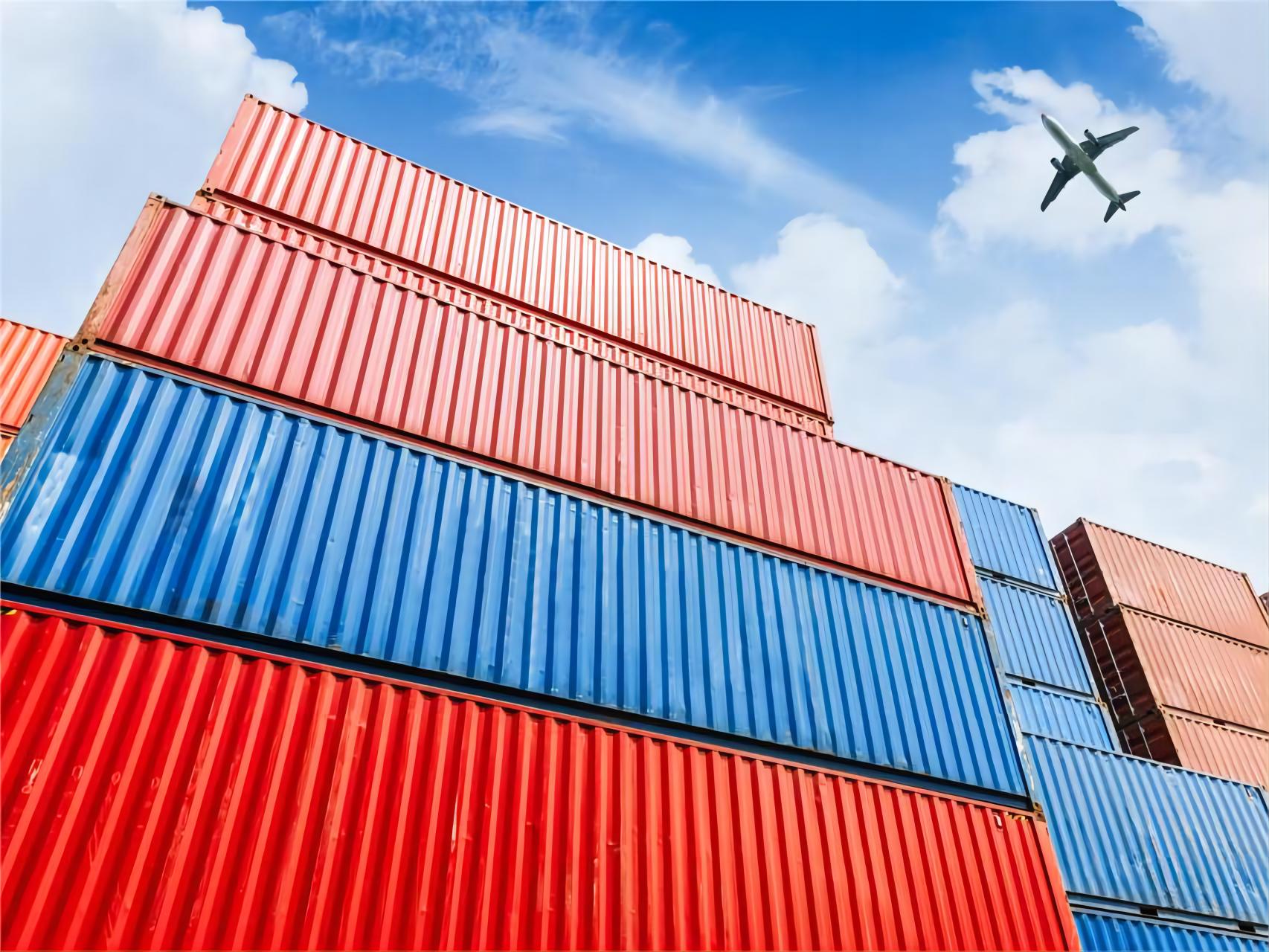
Ocean transport remains the backbone of international trade due to its massive capacity and cost-effectiveness. Specifically, professional sea freight from China to Germany allows companies to ship large volumes of goods at a fraction of the cost of air transport. This method is particularly beneficial for bulky items, machinery, and high-volume consumer goods.
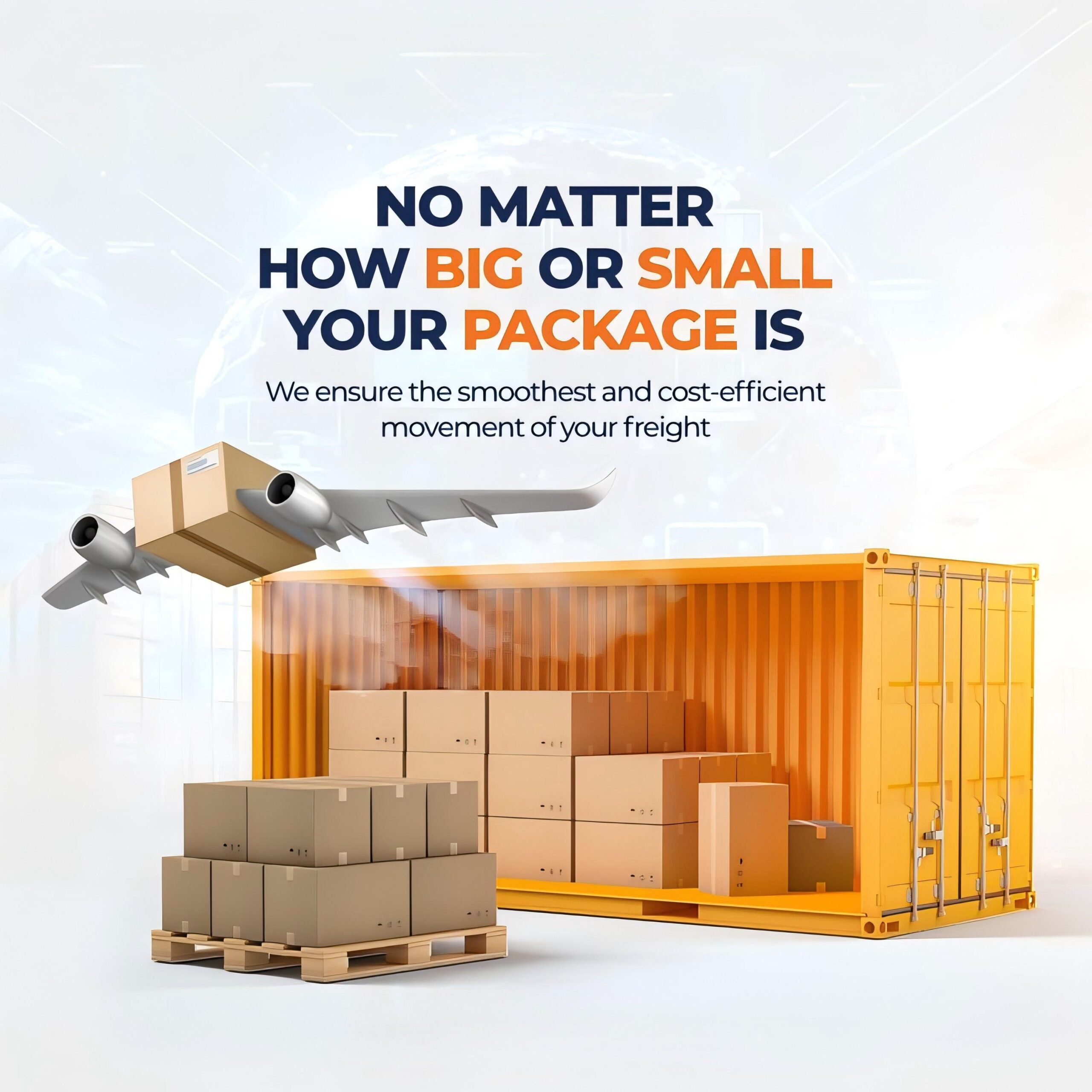
Moreover, the environmental impact of sea freight is significantly lower than that of air cargo. Businesses focusing on sustainability often prioritize ocean routes to reduce their carbon footprint while maintaining a steady flow of inventory. Consequently, sea freight serves as a reliable pillar for long-term supply chain stability.
Additionally, the infrastructure between these two economic powerhouses is highly developed. Major carriers operate regular schedules, providing predictability for your delivery schedule. By utilizing sea freight, you gain access to a network that connects the largest manufacturing hubs in China to the heart of Europe.
FCL vs LCL: Which Container Option Fits Your Needs?
Understanding the difference between Full Container Load (FCL) and Less than Container Load (LCL) is crucial for managing shipping costs. FCL involves renting an entire 20ft or 40ft container for your exclusive use, which is ideal for large shipments. On the other hand, LCL allows you to share container space with other shippers, making it a flexible choice for smaller volumes.
Furthermore, FCL typically offers faster transit times because the container does not need to be consolidated or de-consolidated at various hubs. This reduces the risk of cargo handling errors and potential delays. In contrast, LCL is more economical for shipments that do not fill at least half of a 20ft container.
To illustrate the differences, consider the following comparison of container options and their typical applications in the current market.
| Volume | 15+ CBM | 1 to 14 CBM | Volume dependent |
| Security | High (Sealed) | Moderate (Shared) | Fragile goods |
| Cost Basis | Flat rate per unit | Per cubic meter | Budget priority |
| Transit Time | Direct and faster | Includes sorting time | Speed priority |
How Does Sea Freight Compare to Other Shipping Options?
While professional sea freight from China to Germany is the most common method, it is not the only option available. For instance, Air freight provides the fastest delivery but comes at a significantly higher price point. Meanwhile, rail freight offers a middle ground, balancing speed and cost effectively.
Consequently, the choice depends on your specific cargo type, budget, and urgency. If you are shipping high-value electronics that need to reach the market in days, air freight is the logical choice. However, for seasonal inventory or raw materials, the ocean remains the most viable long-term strategy.
To help you decide, we have analyzed the primary shipping methods based on current market data as of early 2025.
| Sea Freight | $2,000 – $4,200 | 30 – 40 Days | Large/Heavy cargo |
| Rail Freight | $4,000 – $7,000 | 18 – 22 Days | Urgent bulk goods |
| Air Freight | $5 – $10 per kg | 3 – 7 Days | High-value items |
| Express | $8 – $15 per kg | 2 – 5 Days | Samples/Documents |
Alternative Strategy: Sea-Air and Sea-Rail Hybrids
Hybrid solutions can often provide a competitive edge in logistics. For example, you might ship goods by sea to a hub like Dubai and then fly them to Germany to save time while keeping costs lower than pure air freight. Alternatively, using sea freight to a Mediterranean port followed by rail into Germany can shave several days off the traditional northern route.
Major Ports and Transit Times for China to Germany
Selecting the right port of loading and discharge can influence both your shipping costs and transit time. Specifically, ports like Shanghai, Ningbo, and Shenzhen are the primary departure points in China. In Germany, Hamburg and Bremerhaven serve as the main gateways for ocean-bound cargo.
Moreover, the transit time from China to Germany typically ranges from 30 to 45 days. This duration depends on the specific route, the carrier used, and whether the shipment is direct or involves transshipment. Consequently, planning your inventory well in advance is essential to avoid stockouts.
Notably, the Port of Hamburg is one of the most efficient in Europe, offering excellent hinterland connections via rail and road. Therefore, many importers prefer this destination for its superior logistics infrastructure and professional cargo handling capabilities.
| Shanghai | Hamburg | 32 – 35 Days | Direct |
| Shenzhen | Bremerhaven | 28 – 32 Days | Direct |
| Ningbo | Hamburg | 34 – 38 Days | Transshipment |
| Qingdao | Wilhelmshaven | 38 – 42 Days | Direct |
Understanding Costs for Professional Sea Freight from China to Germany
Shipping rates are influenced by several dynamic factors, including fuel surcharges, seasonal demand, and carrier capacity. Indeed, rates often fluctuate during peak seasons such as the lead-up to the Chinese New Year or the Q4 holiday rush. Therefore, obtaining a current quote is vital for accurate budgeting.
Furthermore, the total landed cost involves more than just the ocean freight rate. You must also account for port charges, documentation fees, and customs brokerage services. These additional expenses can vary depending on the complexity of your cargo and the specific ports involved.
Specifically, as of Q1 2025, freight rates have stabilized after previous global disruptions. For instance, a 40HQ container might range between $3,000 and $4,200 depending on the carrier and service level. Note: Freight rates are subject to change based on fuel costs, carrier capacity, and seasonal demand. Contact us for a current quote tailored to your specific shipment.
Which Option Should You Choose? A Decision Framework
Deciding on the best shipping method requires a clear understanding of your priorities. If your primary goal is budget optimization, then professional sea freight from China to Germany is almost always the winner. However, if you are facing a tight deadline, you must weigh the cost of air or rail against the potential loss of sales.
Specifically, follow these criteria to make the right choice. For shipments over 15 CBM, always look at FCL options first. If you are shipping high-density goods that are not time-sensitive, sea freight offers the best value per kilogram. Conversely, for lightweight, high-value items, air freight becomes more attractive.
Additionally, consider the nature of your cargo. Perishable goods or hazardous materials require specialized handling that might limit your options. Ultimately, a door to door service can simplify the entire process, regardless of the transport mode you select.
Real-World Case Studies for Shipping to Germany
Case Study 1: Electronics from Shenzhen to Hamburg. Route: Shenzhen, China to Hamburg, Germany. Cargo: Consumer electronics, 22 CBM, 4,500 kg. Container: 1 x 40GP. Shipping Details: Carrier: Major carrier, Port of Loading: Shenzhen, Port of Discharge: Hamburg, Route Type: Direct. Cost Breakdown: Ocean Freight: $3,200, Origin Charges: $450, Destination Charges: $600, Customs and Duties: $1,200, Total Landed Cost: $5,450. Timeline: Booking to Loading: 4 days, Sea Transit: 31 days, Customs Clearance: 2 days, Total Door-to-Door: 37 days. Key Insight: Direct routing saved 6 days compared to transshipment, ensuring the product launch stayed on schedule.
Case Study 2: Industrial Machinery from Ningbo to Bremen. Route: Ningbo, China to Bremerhaven, Germany. Cargo: Spare parts, 8 CBM, 2,200 kg. Container: LCL. Shipping Details: Carrier: Major carrier, Port of Loading: Ningbo, Port of Discharge: Bremerhaven, Route Type: Transshipment via Singapore. Cost Breakdown: Ocean Freight: $1,100, Origin Charges: $300, Destination Charges: $500, Customs and Duties: $800, Total Landed Cost: $2,700. Timeline: Booking to Loading: 5 days, Sea Transit: 38 days, Customs Clearance: 3 days, Total Door-to-Door: 46 days. Key Insight: LCL was significantly more cost-effective than a full 20GP container for this volume, despite the longer transit time.
Mastering Your Logistics with Sea Freight
In summary, professional sea freight from China to Germany remains the most reliable and cost-effective method for international trade. By understanding the nuances of FCL and LCL, selecting the right ports, and planning for customs requirements, you can significantly improve your supply chain efficiency. Furthermore, staying informed about market trends and seasonal fluctuations allows for better financial planning.
Ultimately, partnering with an experienced logistics provider ensures that your professional sea freight from China to Germany is handled with care and expertise. Whether you are shipping bulk industrial goods or consumer products, the ocean route provides the scalability and stability needed for business growth in the competitive European market.
Ready to streamline your logistics?
Ready to streamline your logistics? Contact our team today for a customized quote on professional sea freight from China to Germany. Visit our website to learn more about our comprehensive shipping solutions and start your inquiry today. Visit https://Top China Freight.com/ for expert assistance.
Request Quote