

Best Rail Freight from China to Canada: 2025 Shipping Guide
Finding the best rail freight from China to Canada is a strategic priority for modern businesses seeking to balance speed and budget. While pure land-based rail is impossible across the Pacific, intermodal solutions combining ocean transport with Canadian rail networks offer a highly efficient middle ground. At Top China Freight, we specialize in coordinating these complex logistics to ensure your cargo reaches its destination safely and on schedule.

Why Intermodal is the Best Rail Freight from China to Canada
Choosing the right transportation mode involves evaluating the trade-offs between cost and delivery speed. Intermodal shipping, which utilizes rail freight for the inland portion of the journey, has become the preferred choice for many Canadian importers.
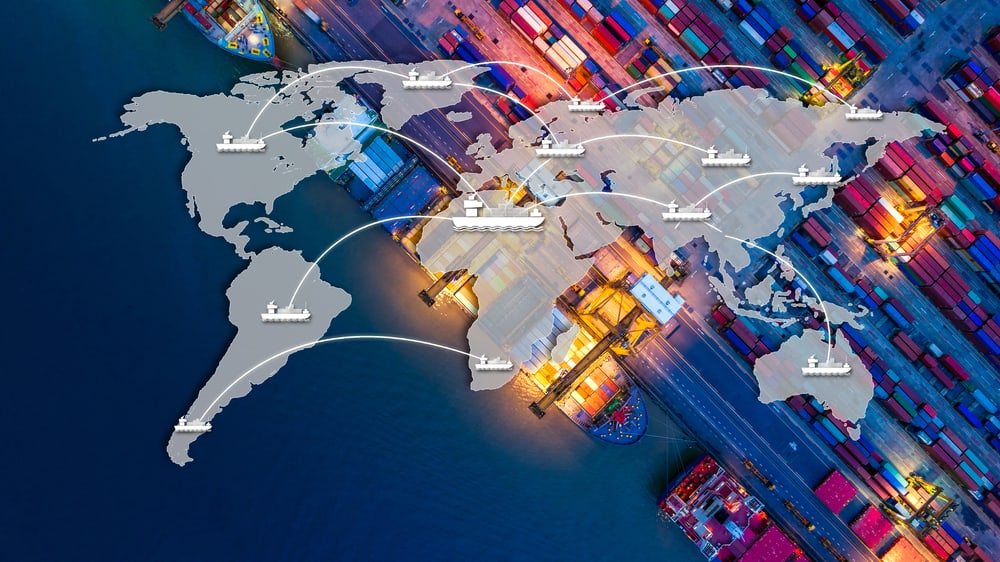
Moreover, this method leverages the efficiency of the Canadian National (CN) and Canadian Pacific (CP) rail lines to move goods from West Coast ports to major hubs like Toronto and Montreal. Consequently, businesses can avoid the high costs of long-haul trucking while maintaining faster transit times than all-water routes to the East Coast.
Additionally, rail transport is significantly more eco-friendly compared to trucking or air transport. Indeed, utilizing rail for thousands of kilometers across the Canadian landscape reduces the carbon footprint of your supply chain significantly.
How Does Rail Freight Compare to Other Shipping Options?
Understanding the differences between logistics modes is crucial for optimizing your shipping strategy. While sea freight remains the most economical for massive volumes, it often suffers from longer inland delays if not paired with rail.
On the other hand, air freight offers unmatched speed but at a price point that can be prohibitive for bulky or low-margin goods. Therefore, the intermodal rail option serves as the best rail freight from China to Canada for shipments that need to reach Central Canada quickly without the air freight price tag.
Furthermore, the reliability of rail schedules compared to highway traffic makes it a more predictable choice for inventory planning. In contrast, trucking can be affected by weather conditions and driver shortages, which are less impactful on established rail corridors.
| Shipping Method | Cost Range | Transit Time | Best For | Limitations |
|---|---|---|---|---|
| Air Freight | $5.00 – $12.00 / kg | 5 – 10 Days | Urgent, high-value | Very expensive |
| Intermodal Rail | $3,500 – $5,500 / 40HQ | 18 – 25 Days | Bulk goods to inland | Requires port transfer |
| Sea (All Water) | $2,800 – $4,500 / 40HQ | 35 – 45 Days | Lowest cost priority | Longest duration |
| Express | $8.00 – $15.00 / kg | 3 – 5 Days | Small samples | Weight limits |
Estimating Costs for the Best Rail Freight from China to Canada
Calculating the total landed cost requires a deep understanding of several variables including fuel surcharges and terminal handling fees. Typically, the ocean portion of the journey accounts for the largest share, but the rail transfer fees at ports like Vancouver or Prince Rupert are also significant.
Consequently, freight rates can fluctuate based on seasonal demand and carrier capacity. For example, during the peak season from August to October, you might see a 20 percent increase in intermodal rates due to high volume and equipment shortages.
Meanwhile, choosing between FCL and LCL will also impact your bottom line. Indeed, full container loads are generally more cost-effective for shipments exceeding 15 cubic meters, whereas less than container load options are ideal for smaller batches.
Note: Freight rates are subject to change based on fuel costs, carrier capacity, and seasonal demand. Contact us for a current quote tailored to your specific shipment.
Navigating Customs and Documentation Requirements
Professional customs brokerage is essential for ensuring your rail cargo does not get stuck at the border. Canadian customs regulations are strict, and missing documentation can lead to expensive storage fees at the rail terminal.
Specifically, you must provide a commercial invoice, a detailed packing list, and a bill of lading. Furthermore, certain products may require specialized permits or certificates of origin to qualify for preferential tariff treatments under trade agreements.
Accordingly, working with an experienced partner ensures that all Harmonized System codes are correctly applied. This precision prevents overpayment of duties and minimizes the risk of audits by the Canada Border Services Agency.
| Document Type | Required By | Purpose | Criticality |
|---|---|---|---|
| Commercial Invoice | CBSA / Customs | Valuation of goods | High |
| Packing List | Warehouse / Port | Itemized cargo list | High |
| Bill of Lading | Carrier / Rail | Title to the goods | Critical |
| Canada Customs Inv. | CBSA | Imports over $2500 | Required |
Transit Times and Delivery Schedules for Rail Routes
Transit times for the best rail freight from China to Canada usually range from 18 to 28 days depending on the final destination. Usually, the ocean leg from Shanghai to Vancouver takes approximately 12 to 14 days, followed by 5 to 7 days for rail transit to Toronto.
However, port congestion can occasionally add several days to this timeline. Nevertheless, the rail connection from the West Coast is significantly faster than sending a vessel through the Panama Canal to reach Montreal or Halifax.
Additionally, choosing the right port of entry is vital. For instance, Prince Rupert often offers faster rail connections to the US Midwest and certain Canadian regions because it is physically closer to Asia than any other major North American port.
Real-World Case Studies of China to Canada Shipments
Case Study 1: Electronics from Shenzhen to Toronto. Route: Shenzhen to Toronto via Vancouver. Cargo: Consumer electronics, 68 CBM, 12,000 kg. Container: 40HQ. Shipping Details: Major carrier to Vancouver, then CN Rail to Brampton Terminal. Cost Breakdown: Ocean Freight: $3,200. Origin Charges: $450. Destination Charges: $600. Customs and Duties: $1,200. Total Landed Cost: $5,450. Timeline: Booking to Loading: 3 days. Sea Transit: 13 days. Rail Transit: 6 days. Customs Clearance: 2 days. Total Door-to-Door: 24 days. Key Insight: Early booking during Q3 allowed the client to secure a competitive rail slot despite peak season pressure.
Case Study 2: Industrial Parts from Shanghai to Montreal. Route: Shanghai to Montreal via Prince Rupert. Cargo: Machine components, 28 CBM, 8,500 kg. Container: 20GP. Shipping Details: Direct vessel to Prince Rupert, CP Rail to Montreal. Cost Breakdown: Ocean Freight: $2,100. Origin Charges: $380. Destination Charges: $550. Customs and Duties: $900. Total Landed Cost: $3,930. Timeline: Booking to Loading: 4 days. Sea Transit: 12 days. Rail Transit: 8 days. Customs Clearance: 1 day. Total Door-to-Door: 25 days. Key Insight: Using Prince Rupert avoided the congestion often found at the Port of Vancouver, saving three days of idling time.
For many clients, a door to door service is the most convenient way to manage these steps. This comprehensive approach covers everything from the factory floor in China to the final warehouse in Canada.
Which Shipping Option Should You Choose?
Deciding on the best logistics strategy depends heavily on your specific business needs and cargo characteristics. If your primary goal is cost reduction and you have flexible timelines, traditional sea freight remains the strongest contender.
In contrast, if you are shipping high-value items like electronics or fashion that need to hit specific market windows, air freight is often the only viable choice. However, for the majority of retail and industrial goods, intermodal rail provides the most balanced solution.
Specifically, consider intermodal if your cargo is bound for inland provinces like Alberta, Saskatchewan, or Ontario. Without the rail component, trucking costs from the coast can quickly exceed the savings gained from ocean transport.
Alternative Strategies and Hybrid Solutions
Beyond standard intermodal paths, businesses can explore hybrid strategies like Sea-Air or transshipment through different hubs. For example, some importers ship via sea to Seattle and then use cross-border trucking into Canada if rail terminals are experiencing strikes or heavy congestion.
Moreover, cost-saving strategies such as buyer’s consolidation can significantly reduce the price of LCL shipments. By merging multiple small orders into a single FCL at a China warehouse, you can benefit from lower container rates and simplified customs entries.
Finally, always monitor logistics trends such as the implementation of new digital tracking technologies. These tools allow you to see exactly where your container is on the rail line, providing better predictability for your supply chain operations.
Summary of Rail Freight Advantages
To summarize, securing the best rail freight from China to Canada involves a combination of strategic port selection, efficient rail routing, and diligent customs management. By utilizing intermodal solutions, businesses can achieve a perfect balance between the slow pace of sea freight and the high expense of air transport.
Furthermore, working with an experienced freight forwarder like Top China Freight ensures that your cargo navigates the complexities of international borders without unnecessary delays. As logistics trends continue to evolve, staying informed about the latest rail schedules and pricing models will remain a key competitive advantage for Canadian importers.
Ready to streamline your logistics?
Ready to optimize your supply chain with the best rail freight from China to Canada? Contact Top China Freight today for a customized quote and expert guidance on your next shipment. Visit our website or send an inquiry to get started with our professional logistics team.
Request Quote