

Trusted Rail Freight from China to Canada: The Ultimate Guide | Secure Trusted Rail Freight from China to Canada Today
Finding a reliable logistics partner is essential for businesses looking to secure trusted rail freight from China to Canada. As global trade routes evolve, many importers are turning to Top China Freight to manage their complex supply chain requirements. This guide explores how intermodal rail solutions provide a perfect balance between speed and cost for modern enterprises.

How Does Trusted Rail Freight from China to Canada Compare to Other Shipping Options?
Choosing the right transportation method requires a deep understanding of the trade-offs between speed, cost, and reliability. While sea freight remains the most common choice for bulk shipments, it often suffers from longer transit times and potential port congestion. Consequently, businesses seeking a faster alternative without the high price tag of air transport often find rail-based intermodal solutions to be the ideal middle ground.
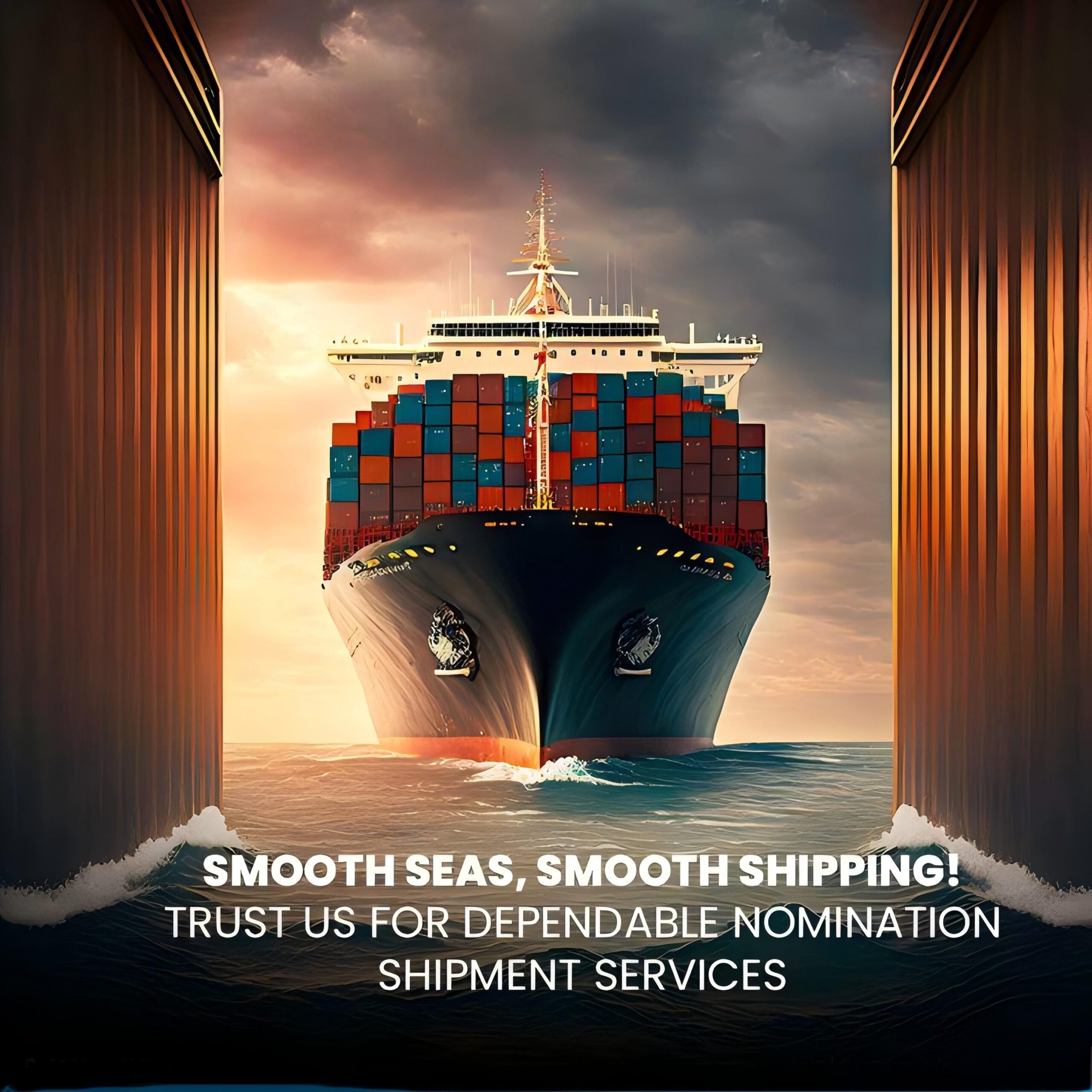
Intermodal transport typically involves moving goods from Chinese factories to major ports like Shenzhen or Ningbo via rail or truck. Thereafter, the cargo travels by sea to Canadian gateways such as Vancouver or Prince Rupert, where it is immediately transferred back onto the rail network. This seamless transition ensures that goods reach inland hubs like Toronto, Montreal, or Calgary significantly faster than traditional all-water routes via the Panama Canal.

Furthermore, market data suggests that intermodal rail can save up to 10 to 15 days compared to sea-only routes to Eastern Canada. Nevertheless, air freight is still the undisputed leader in speed, though its cost can be prohibitive for most standard commercial goods. Therefore, evaluating your specific budget and delivery schedule is the first step in determining if rail is the right fit.
| Sea Freight (FCL) | $2,500 – $4,500 | 25 – 40 Days | Bulk/Heavy Goods |
| Rail (Intermodal) | $3,500 – $6,000 | 18 – 28 Days | Mid-value Retail |
| Air Freight | $12,000 – $25,000 | 5 – 10 Days | Urgent/High-value |
What Are the Main Benefits of Choosing Trusted Rail Freight from China to Canada?
Reliability stands as the primary advantage for companies utilizing rail freight services across the Trans-Pacific corridor. Since rail schedules in Canada are highly synchronized with vessel arrivals at West Coast ports, the risk of cargo sitting idle is greatly reduced. Additionally, modern tracking technology allows importers to monitor their containers in real-time as they traverse the vast Canadian landscape.
Cost-effective rail transport also provides a buffer against the volatile pricing often seen in the air cargo market. While fuel surcharges can fluctuate, rail rates tend to remain more stable over quarterly periods, allowing for better financial planning. Moreover, the environmental impact of rail is significantly lower than that of air or road transport, helping companies meet their sustainability goals.
Specifically, the use of 40HQ containers in rail transport allows for maximum volume utilization, which lowers the per-unit shipping cost. In addition to these savings, the reduced handling of goods during intermodal transfers minimizes the risk of damage or loss. Consequently, this method has become a staple for industries ranging from electronics to automotive parts.
Which Option Should You Choose for Your Supply Chain?
Determining the best logistics strategy depends heavily on your cargo volume and the urgency of your delivery. For instance, if you are shipping less than 15 CBM, you might consider LCL (Less than Container Load) sea freight combined with rail. On the other hand, full container loads (FCL) are much more efficient for larger inventories, as they bypass the need for deconsolidation at the port.
Speed priority usually dictates a move toward air freight for high-demand product launches. However, for steady-state inventory replenishment, the 20 to 25-day window provided by intermodal rail is often sufficient. Indeed, many successful retailers use a hybrid approach, shipping a small portion of their stock by air and the remainder via trusted rail freight from China to Canada.
Importers should also consider the final destination within North America when making this choice. Destinations like Winnipeg or Saskatoon are almost exclusively served by rail from the coast, making intermodal the only logical choice for inland transit. By analyzing the total landed cost, you can identify the threshold where rail becomes more economical than other modes.
How Does the Intermodal Rail Process Work for Canadian Imports?
The journey begins at the factory gate in China, where goods are packed and secured into standard shipping containers. Subsequently, these containers are transported to the nearest rail terminal or port for export clearance. Once the vessel arrives at a Canadian port, the containers are discharged and loaded directly onto waiting rail cars operated by CN or CP Rail.
Effective coordination between the ocean carrier and the rail provider is crucial for maintaining a tight delivery schedule. For this reason, working with an experienced freight forwarder is essential to ensure that documentation is processed well before the ship docks. Meanwhile, the rail leg from Vancouver to Toronto typically takes about 5 to 7 days, depending on weather conditions and rail traffic.
To ensure a smooth transition, utilizing a professional customs brokerage service is highly recommended. They handle the complex task of clearing goods while they are still in transit, preventing costly delays at the rail terminal. As a result, your cargo can move from the ship to the rail and finally to your warehouse with minimal human intervention.
| Toronto, ON | Vancouver | 5 – 7 Days | 22 – 28 Days |
| Montreal, QC | Prince Rupert | 6 – 8 Days | 24 – 30 Days |
| Calgary, AB | Vancouver | 3 – 4 Days | 18 – 22 Days |
| Winnipeg, MB | Vancouver | 4 – 5 Days | 20 – 24 Days |
Real-World Success: Trusted Rail Freight from China to Canada Case Studies
Case Study 1: Electronics Distribution to Toronto. Route: Shenzhen to Toronto via Vancouver. Cargo: Consumer electronics, 18 CBM, 4500 kg. Container: LCL. Shipping Details: Direct vessel to Vancouver, then CN Rail to Toronto. Ocean Freight: $2,800. Origin Charges: $450. Destination Charges: $600. Customs and Duties: $1,200. Total Landed Cost: $5,050. Timeline: 24 days total. Key Insight: Choosing intermodal rail saved the client 35 percent compared to air freight while meeting their 4-week inventory deadline.
Case Study 2: Industrial Machinery to Montreal. Route: Shanghai to Montreal via Prince Rupert. Cargo: CNC Machinery, 1 x 40GP. Container: 40GP. Shipping Details: Maersk Line to Prince Rupert, then Rail to Montreal. Ocean Freight: $4,200. Origin Charges: $550. Destination Charges: $850. Customs and Duties: $3,500. Total Landed Cost: $9,100. Timeline: 28 days total. Key Insight: Using the Prince Rupert gateway avoided the congestion in Vancouver, saving 5 days of transit time during the peak Q4 season.
Case Study 3: Seasonal Apparel to Calgary. Route: Ningbo to Calgary via Vancouver. Cargo: Winter clothing, 2 x 40HQ. Container: FCL. Shipping Details: COSCO to Vancouver, CP Rail to Calgary. Ocean Freight: $7,800. Origin Charges: $900. Destination Charges: $1,100. Customs and Duties: $5,200. Total Landed Cost: $15,000. Timeline: 21 days total. Key Insight: Pre-clearing customs allowed for immediate rail loading, ensuring the apparel hit retail shelves before the first snowfall.
What Documentation Is Required for Customs Clearance in Canada?
Managing documentation is often the most challenging part of international trade between China and Canada. Initially, you must provide a detailed Commercial Invoice and a Packing List that accurately describes the contents and value of your shipment. Furthermore, the Bill of Lading serves as the contract of carriage and must be endorsed correctly to claim the goods.
Canadian authorities also require a Canada Customs Invoice (CCI) for any shipment valued over 2,500 Canadian dollars. In addition, specific permits may be needed for certain goods like electronics or food products. Consequently, failing to provide the correct paperwork can lead to significant fines and storage fees at the rail terminal.
Working with a provider that offers door to door service can simplify this process immensely. These providers manage the entire document flow from the supplier in China to the final delivery point in Canada. Therefore, you can focus on your core business while the experts handle the regulatory hurdles.
| Commercial Invoice | CBSA | Value, Currency, Description | Under-valuation |
| Packing List | Carrier/CBSA | Weight, Dimensions, Quantity | Inaccurate counts |
| Bill of Lading | Rail/Port | Consignee details, Route | Incorrect address |
| CCI | CBSA | Detailed tax assessment | Missing HS codes |
How to Optimize Your Logistics Strategy for Maximum Efficiency?
Optimization starts with accurate forecasting and early booking. Specifically, booking your rail freight at least 3 to 4 weeks in advance can help you secure better rates and guaranteed space on the vessel. Additionally, consolidating small shipments into a single FCL can significantly reduce your overhead costs.
Another effective strategy is to utilize cargo insurance to protect your investment during the long journey. Although rail is generally safe, the vast distances involved increase the statistical likelihood of minor incidents. Moreover, diversifying your ports of entry between Vancouver and Prince Rupert can help you bypass localized strikes or congestion.
Finally, always request a current quote before finalizing any shipment. Freight rates are subject to change based on fuel costs, carrier capacity, and seasonal demand. By staying informed about logistics trends, you can make proactive decisions that keep your supply chain running smoothly and cost-effectively.
Final Thoughts on Canadian Rail Logistics
Securing trusted rail freight from China to Canada is a strategic move for any business looking to optimize its international trade operations. By combining the massive capacity of ocean shipping with the inland speed of the Canadian rail network, importers can achieve a highly efficient logistics model.
Whether you are shipping electronics to Toronto or machinery to Montreal, the intermodal path offers a reliable and cost-effective solution. Remember to prioritize proper documentation and work with experienced partners to navigate the complexities of customs and transshipment. Ultimately, a well-planned rail strategy will provide the stability your business needs to grow in the competitive Canadian market.
Ready to streamline your logistics?
Ready to streamline your supply chain with trusted rail freight from China to Canada? Contact our expert team today to receive a customized quote and discover how our logistics solutions can save you time and money. Visit Top China Freight to get started now.
Request Quote