


Best LCL Shipping from China to Australia: 2025 Guide
Finding the best LCL shipping from China to Australia requires a strategic balance between transit speed and overall logistics costs. Many small to medium enterprises struggle with the complexities of international trade, yet selecting the right consolidation service can significantly streamline your supply chain. This comprehensive guide explores how to optimize your shipping strategy while ensuring your cargo arrives safely and on schedule.

What is LCL Shipping and Why is it Ideal for Australia?
Less than Container Load (LCL) shipping allows multiple shippers to share space within a single ocean container. This method is particularly beneficial for businesses that do not have enough goods to fill an entire 20ft or 40ft container. Consequently, you only pay for the volume you occupy, measured in cubic meters (CBM).
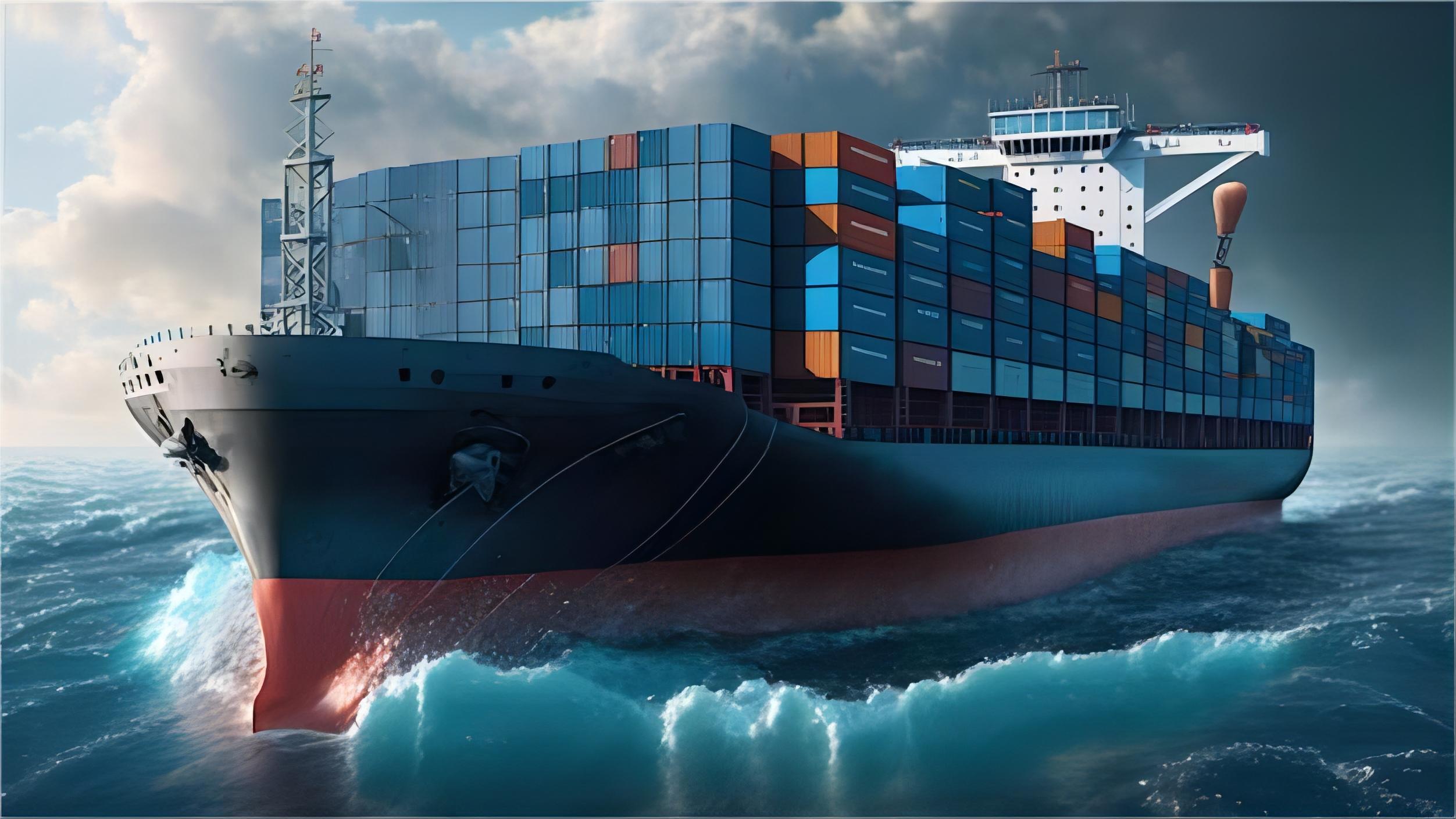
Australian importers frequently utilize this service for smaller stock replenishments or trial product launches. Furthermore, it provides the flexibility to manage inventory without committing to massive upfront shipping volumes. Selecting the best LCL shipping from China to Australia ensures that your logistics provider handles the consolidation and deconsolidation processes professionally.
Logistics experts often recommend this approach for cargo ranging from 1 to 15 CBM. Moreover, the cost-effectiveness of sharing a container helps maintain healthy profit margins for retail and e-commerce businesses. Indeed, the ability to ship smaller quantities more frequently can improve your cash flow significantly.
However, shippers must account for the additional handling involved in consolidation. Each shipment must be carefully packed and labeled to prevent damage or loss during the sorting phase. Therefore, choosing a reliable freight forwarder with experience in the China-Australia corridor is essential for success.
How Does LCL Compare to Other Shipping Options?
Comparing different transport methods is vital for determining the most efficient route for your specific cargo. While sea freight remains the standard for bulk goods, LCL offers a middle ground between expensive air transport and full container shipments. Each method has distinct advantages depending on your budget and urgency.
Air freight provides the fastest delivery but comes at a premium price point that can erode margins on low-value goods. On the other hand, Full Container Load (FCL) shipping is more economical per unit but requires a much larger volume of goods. For most small businesses, the best LCL shipping from China to Australia represents the most balanced logistics solution available today.
Transit times for sea routes are generally predictable, though they are slower than air alternatives. Nevertheless, the cost savings often outweigh the time difference for non-perishable items or planned inventory. Shippers should evaluate their lead times carefully before selecting a preferred shipping method.
| Shipping Method | Cost Range | Transit Time | Best For |
|---|---|---|---|
| LCL Sea Freight | $50 – $150 per CBM | 15 – 25 Days | Small to Medium Cargo |
| FCL Sea Freight | $800 – $2,000 per Box | 12 – 20 Days | Bulk Shipments |
| Air Freight | $4.50 – $9.00 per KG | 3 – 7 Days | Urgent/High Value |
| Express Service | $7.00 – $15.00 per KG | 2 – 5 Days | Samples/Documents |
Key Factors Influencing Best LCL Shipping Rates from China to Australia
Freight rates are rarely static and fluctuate based on several global and regional economic factors. For instance, fuel surcharges and seasonal demand spikes can cause prices to rise significantly during the peak season from August to October. Understanding these variables allows you to time your shipments for maximum cost savings.
Port congestion and labor availability also play a role in determining the final landed cost of your goods. Additionally, the specific origin city in China and the destination port in Australia will impact the base ocean freight rate. Shippers should monitor market trends to avoid unexpected price hikes during busy periods.
Currency exchange rates between the CNY, USD, and AUD can further influence your total logistics expenditure. Consequently, many experienced importers use forward contracts or work with freight forwarders who offer stable pricing models. Always request a detailed breakdown of all surcharges to ensure transparency in your billing.
Note: Freight rates are subject to change based on fuel costs, carrier capacity, and seasonal demand. Contact us for a current quote tailored to your specific shipment.
Which Option Should You Choose for Your Business?
Deciding between LCL and other methods depends largely on your specific business requirements and cargo volume. If your shipment is under 15 CBM, the best LCL shipping from China to Australia is usually the most logical financial choice. However, once you exceed that threshold, the cost of a full 20GP container might actually be lower.
Budget-conscious importers should prioritize sea-based LCL to keep their per-unit costs at a minimum. Conversely, if you are launching a time-sensitive marketing campaign, air freight might be necessary despite the higher expense. Evaluating the trade-off between speed and cost is a fundamental part of supply chain management.
Cargo type also influences the decision, as fragile or high-value items may require the extra security of an FCL shipment. Meanwhile, standard consumer goods like clothing or electronics are perfectly suited for the consolidation process. Always consult with your logistics partner to determine the safest and most efficient path for your products.
Essential Customs Documents for Australian Imports
Navigating the legal requirements for importing goods into Australia is a critical step for any business. Utilizing a professional customs brokerage service can prevent costly delays and ensure compliance with the Australian Border Force. Incomplete documentation is one of the leading causes of port storage fees and shipment hold-ups.
Specifically, you must provide a commercial invoice, a detailed packing list, and a Bill of Lading for every shipment. Furthermore, Australia has strict biosecurity laws that require specific declarations for wood packaging and organic materials. Failure to provide a valid packing declaration can result in mandatory fumigation at the importer’s expense.
Moreover, the China-Australia Free Trade Agreement (ChAFTA) allows for reduced tariffs on many goods if you provide a Certificate of Origin. This document is essential for maximizing your profit margins by minimizing duty payments. Ensure your supplier in China is familiar with the requirements for issuing these certificates correctly.
| Document Name | Purpose | Required By | Format |
|---|---|---|---|
| Commercial Invoice | Value Declaration | Customs/Tax | Digital/Paper |
| Packing List | Cargo Description | Port Handling | Digital/Paper |
| Bill of Lading | Title to Goods | Carrier/Bank | Original/Telex |
| Packing Declaration | Biosecurity Check | DAFF Australia | Specific Template |
Best LCL Shipping Routes and Transit Times
Transit times vary significantly depending on whether you are shipping from Northern or Southern China. Shipments from Guangzhou or Shenzhen to Brisbane or Sydney are generally faster than those originating from Qingdao or Tianjin. Choosing the Australia route that matches your timeline is essential for inventory planning.
Direct services are available from major hubs like Shanghai and Ningbo, offering the most reliable schedules. Nevertheless, some LCL services may involve transshipment through Singapore or Port Klang, which can add several days to the journey. You should always confirm whether your shipment is on a direct or indirect vessel.
Weather conditions and seasonal typhoons in the South China Sea can occasionally disrupt even the best-planned schedules. Therefore, it is wise to build a buffer of 3 to 5 days into your supply chain calculations. Consistent communication with your freight forwarder will keep you informed of any potential delays in real-time.
| Origin Port | Destination Port | Transit Time | Service Type |
|---|---|---|---|
| Shenzhen | Sydney | 12 – 15 Days | Direct |
| Shanghai | Melbourne | 16 – 20 Days | Direct |
| Ningbo | Brisbane | 15 – 18 Days | Direct |
| Qingdao | Fremantle | 22 – 28 Days | Transshipment |
Real-World Case Studies for LCL Shipments
Reviewing actual shipping scenarios can provide valuable insights into the costs and timelines you might expect. These examples reflect typical market conditions and demonstrate the efficiency of the best LCL shipping from China to Australia when managed correctly. Each case highlights different cargo types and logistical requirements.
Case Study 1: Electronics from Shenzhen to Sydney. A small retailer imported 3 CBM of consumer electronics using door to door service. The shipment was consolidated in Shenzhen and delivered directly to their warehouse in New South Wales. The total transit time was 18 days from the factory gate to the final destination.
Case Study 2: Furniture from Ningbo to Melbourne. A home decor business shipped 8 CBM of flat-packed furniture. By utilizing LCL instead of a half-empty 20ft container, they saved over $600 in ocean freight costs. The cargo arrived in 22 days, including 3 days for customs clearance and biosecurity inspection.
Case Study 1: Shenzhen to Sydney Logistics
Route: Shenzhen, China to Sydney, Australia
Cargo: Consumer Electronics, 3 CBM, 450 kg
Method: LCL Sea Freight
Ocean Freight: $240
Origin/Destination Charges: $350
Total Landed Cost: $590 (Excluding Duties)
Timeline: 18 Days Door-to-Door
Key Insight: Using a consolidated service allowed the client to maintain low inventory levels while keeping shipping costs under $200 per CBM.
Case Study 2: Ningbo to Melbourne Furniture
Route: Ningbo, China to Melbourne, Australia
Cargo: Flat-pack Furniture, 8 CBM, 1200 kg
Method: LCL Sea Freight
Ocean Freight: $560
Origin/Destination Charges: $480
Total Landed Cost: $1,040 (Excluding Duties)
Timeline: 22 Days Port-to-Door
Key Insight: The client avoided the higher cost of a 20GP container, which would have cost approximately $1,600 for the same route.
Pro Tips for Reducing Your LCL Shipping Costs
Optimizing your packaging is the most effective way to lower your LCL expenses. Since you are charged based on volume, reducing the external dimensions of your pallets or crates can lead to immediate savings. Furthermore, ensure that your goods are stackable to avoid ‘lost space’ surcharges from the consolidator.
Consolidating multiple orders from different suppliers into a single LCL shipment can also reduce documentation and handling fees. Many freight forwarders offer warehouse storage in China to facilitate this process. Indeed, grouping your purchases allows you to benefit from better volume-based rates.
Finally, always book your shipments at least two weeks in advance to secure space on the most economical vessels. Last-minute bookings often result in higher rates or forced upgrades to more expensive services. Planning ahead is the hallmark of a professional importer seeking the best LCL shipping from China to Australia.
Final Thoughts on Australian LCL Logistics
Successfully managing the best LCL shipping from China to Australia requires attention to detail and a reliable logistics partner. By understanding the differences between FCL, LCL, and air freight, you can make informed decisions that protect your bottom line.
Always prioritize proper documentation and efficient packaging to avoid unnecessary delays at the border. With the right strategy, LCL shipping remains the most flexible and cost-effective way to grow your business through international trade.
To summarize, your choice of freight forwarder will ultimately determine the success of your import operations. Choose a provider that offers transparency, reliability, and deep expertise in the China-Australia corridor.
Ready to streamline your logistics?
Ready to optimize your supply chain with the best LCL shipping from China to Australia? Contact Top China Freight today for a customized quote and expert logistics support. Visit our website to learn more about our comprehensive shipping solutions. Send Inquiry: https://Top China Freight.com/contact-us/
Request Quote