


Fast LCL Shipping from China to Australia: The 2025 Guide
Managing international logistics requires precision and speed to maintain a competitive edge in today’s global market. Businesses looking for fast LCL shipping from China to Australia often partner with Top China Freight to ensure their cargo arrives safely and on schedule. This comprehensive guide explores the nuances of less-than-container load services and how you can optimize your shipping strategy for maximum efficiency.
What Is Fast LCL Shipping and Why Is It Beneficial?
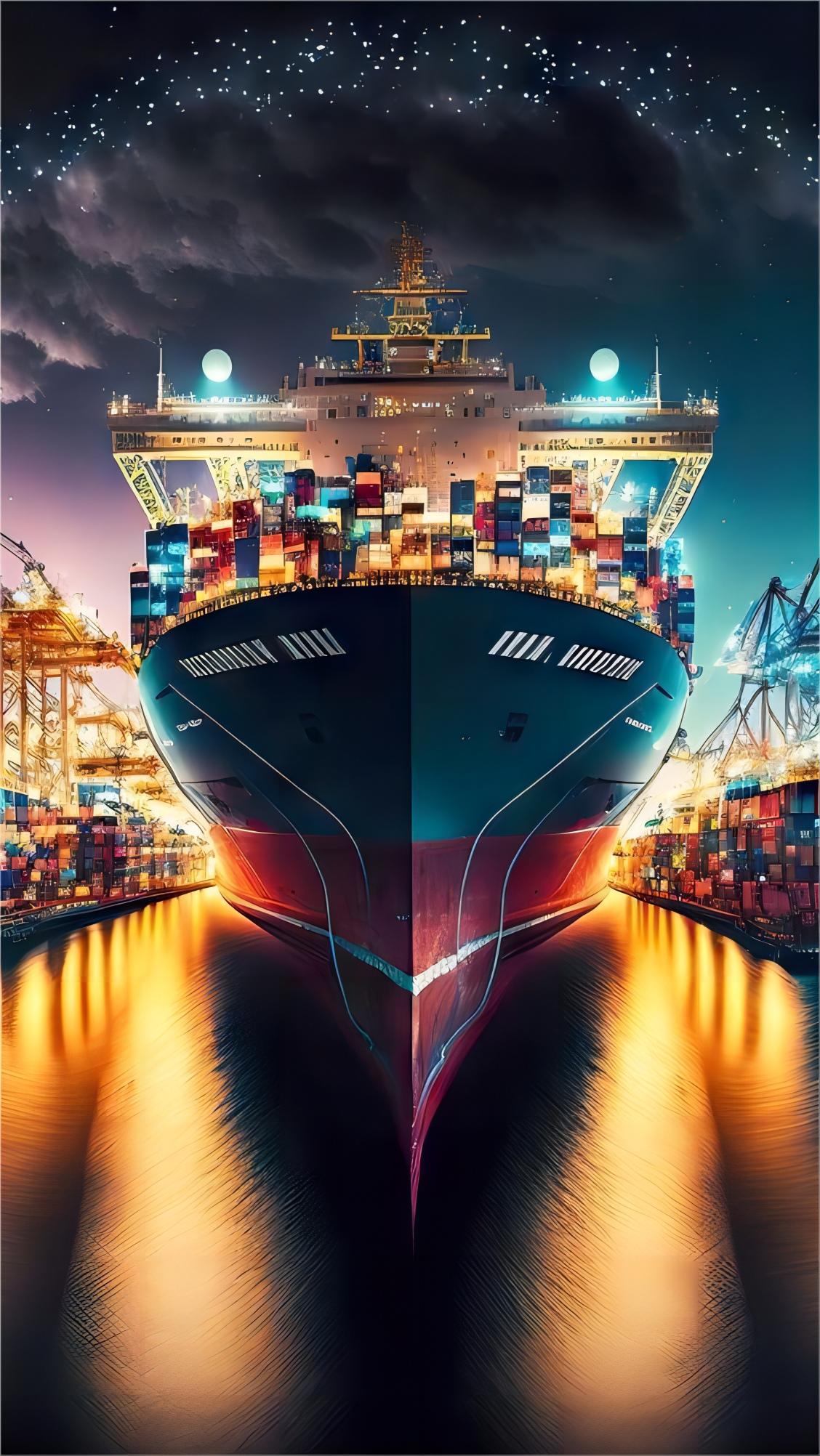
LCL shipping stands for Less than Container Load, which allows multiple shippers to share space within a single ocean container. This method is particularly advantageous for small to medium businesses that do not have enough goods to fill a 20ft or 40ft container. Consequently, you only pay for the volume your cargo occupies, which significantly reduces overall logistics expenses.

Moreover, fast LCL shipping from China to Australia utilizes premium routes and expedited consolidation processes to minimize transit delays. Reliable freight forwarders prioritize these shipments to ensure they reach Australian ports like Sydney, Melbourne, and Brisbane without unnecessary stops. Choosing this service helps maintain a consistent delivery schedule for your inventory management.

Additionally, the flexibility of LCL allows for more frequent shipments rather than waiting to accumulate a full container load. This approach improves cash flow by reducing the amount of capital tied up in unsold stock. Businesses can respond more quickly to market demands in Australia by utilizing regular weekly departures from major Chinese hubs.
Transit Times for Fast LCL Shipping from China to Australia
Transit times vary depending on the port of origin in China and the specific destination port in Australia. Generally, shipments from southern China ports like Shenzhen or Guangzhou reach Australia faster than those departing from northern regions. You should expect the sea transit alone to take between 12 and 18 days on direct routes.
However, the total door-to-door time must include consolidation at the origin and deconsolidation at the destination. Typically, these administrative and handling steps add another 5 to 7 days to the total timeline. Efficient sea freight providers streamline these processes to keep your supply chain moving at peak performance.
Furthermore, seasonal factors and port congestion can occasionally influence these estimates. During peak seasons such as the lead-up to Christmas or the Lunar New Year, transit times might extend by several days. Planning your shipments at least three weeks in advance is a prudent strategy to mitigate these common logistics challenges.
| Origin Port | Destination Port | Sea Transit (Days) | Total Door-to-Door (Est) |
|---|---|---|---|
| Shenzhen | Sydney | 12-14 Days | 18-22 Days |
| Shanghai | Melbourne | 15-17 Days | 22-26 Days |
| Ningbo | Brisbane | 14-16 Days | 20-24 Days |
| Qingdao | Perth | 18-22 Days | 25-30 Days |
Understanding the Costs of Fast LCL Shipping
Shipping costs for LCL are primarily calculated based on volume, measured in cubic meters (CBM), or weight, whichever is higher. Most carriers use a weight-to-volume ratio of 1:1000 for sea freight, meaning 1,000 kilograms is equivalent to 1 CBM. Therefore, understanding your cargo dimensions is vital for accurate budgeting and avoiding unexpected surcharges.
In addition to the ocean freight rate, several other fees contribute to the total landed cost of your shipment. These include origin handling charges, documentation fees, and destination port service charges in Australia. Always request a comprehensive quote that breaks down these line items to ensure full transparency in your logistics planning.
Note: Freight rates are subject to change based on fuel costs, carrier capacity, and seasonal demand. Contact us for a current quote tailored to your specific shipment. Market data suggests that rates for 2025 have stabilized, but fluctuations remain a reality in the shipping industry.
| Cost Component | Typical Range (USD) | Unit | Frequency |
|---|---|---|---|
| Ocean Freight | $30 – $80 | Per CBM | Per Shipment |
| Origin Handling | $150 – $300 | Flat Fee | Per Shipment |
| Port Charges (AU) | $200 – $450 | Variable | Per Shipment |
| Customs Entry | $100 – $200 | Flat Fee | Per Entry |
How Does Fast LCL Shipping Compare to Other Shipping Options?
Choosing the right shipping method depends on your budget, timeline, and cargo volume. While LCL is cost-effective for small volumes, air freight offers the fastest delivery for urgent goods. For example, air freight can deliver cargo in 3 to 7 days, though the cost is significantly higher than sea-based alternatives.
On the other hand, Full Container Load (FCL) becomes more economical once your shipment exceeds 15 CBM. FCL provides exclusive use of a container, which reduces the risk of damage from other shippers’ goods and speeds up the handling process. In contrast, LCL requires more handling at the warehouse, which slightly increases the risk of minor cargo shifts during transit.
Furthermore, some businesses utilize hybrid solutions to balance cost and speed. Sea-air combinations involve shipping goods by sea to a hub like Singapore before flying them to Australia. This strategy can save up to 40 percent compared to pure air freight while being twice as fast as standard sea freight services.
| Shipping Method | Cost Range | Transit Time | Best For | Limitations |
|---|---|---|---|---|
| LCL Sea Freight | Low | 18-25 Days | Small Inventories | More Cargo Handling |
| FCL Sea Freight | Medium | 14-20 Days | Bulk Goods | High Fixed Cost |
| Air Freight | High | 3-7 Days | Urgent Samples | Weight Restrictions |
| Express Courier | Very High | 2-5 Days | Documents/Small Parcels | Expensive for Volume |
Which Option Should You Choose?
Determining the best shipping strategy requires an analysis of your specific business priorities and cargo characteristics. If your primary goal is budget priority, LCL sea freight is almost always the recommended option for shipments under 15 CBM. However, if speed priority is paramount for a product launch, air freight is the necessary choice despite the higher expense.
Cargo type considerations also play a major role in your decision-making process. Fragile or high-value items might benefit from the reduced handling of FCL or the security of air transport. Conversely, durable consumer goods and industrial components are perfectly suited for the cost-saving nature of fast LCL shipping from China to Australia.
Volume thresholds are the final piece of the puzzle for most importers. Once your shipment grows to occupy more than 60 percent of a 20GP container, you should evaluate the switch to FCL. This transition often results in a lower cost per unit and a more streamlined door to door delivery experience.
Navigating Customs and Documentation in Australia
Importing goods into Australia requires strict adherence to the regulations set by the Australian Border Force. You must provide accurate documentation, including a commercial invoice, packing list, and a bill of lading. Failure to provide these documents correctly can lead to significant delays and expensive storage fees at the port of discharge.
Additionally, Australia has unique biosecurity requirements managed by the Department of Agriculture, Fisheries and Forestry. Certain materials, such as wood packaging, must meet ISPM 15 standards and be treated for pests. Utilizing a professional customs brokerage service ensures that your cargo complies with all local laws and avoids quarantine issues.
Indeed, preparing your paperwork well in advance of the ship’s arrival is the best way to facilitate a smooth clearance process. Most customs brokers can pre-clear your shipment while it is still at sea, allowing for immediate pickup once the container is deconsolidated. This proactive approach is a hallmark of successful importers in the Australia-China trade lane.
Real-World Case Studies for China to Australia Routes
Case Study 1: Electronics Distribution Success. Route: Shenzhen, China to Sydney, Australia. Cargo: Consumer electronics, 3.5 CBM, 850 kg. Method: Fast LCL Shipping. Carrier: Major carrier direct service. Port of Loading: Shenzhen. Port of Discharge: Sydney. Route Type: Direct. Ocean Freight: $245. Origin Charges: $210. Destination Charges: $380. Customs and Duties: $1,200. Total Landed Cost: $2,035. Timeline: Booking to Loading: 3 days. Sea Transit: 13 days. Customs Clearance: 2 days. Total Door-to-Door: 21 days. Key Insight: Early booking allowed the client to secure space on a direct vessel, avoiding transshipment delays in Singapore.
Case Study 2: Home Furniture Retailer. Route: Ningbo, China to Melbourne, Australia. Cargo: Flat-pack furniture, 6 CBM, 1,200 kg. Method: LCL Sea Freight. Carrier: Major carrier. Port of Loading: Ningbo. Port of Discharge: Melbourne. Route Type: Direct. Ocean Freight: $420. Origin Charges: $280. Destination Charges: $510. Customs and Duties: $850. Total Landed Cost: $2,060. Timeline: Booking to Loading: 4 days. Sea Transit: 16 days. Customs Clearance: 3 days. Total Door-to-Door: 26 days. Key Insight: Using a consolidated service saved the client over $1,000 compared to a half-empty 20GP container.
Based on Q3 2024 market rates, these examples illustrate the typical costs and timelines for standard commodities. Every shipment is unique, and factors such as cargo value and specific delivery locations in Australia will influence the final pricing. We recommend consulting with a logistics expert to get a precise estimate for your next project.
Market Trends and Logistics Forecasts for 2025
As of Q1 2025, freight rates from China to Australia have stabilized following the global supply chain disruptions of previous years. Industry trends suggest a continued focus on digital tracking and transparency, allowing shippers to monitor their LCL cargo in real-time. This technological advancement provides greater peace of mind and better planning capabilities for Australian retailers.
Meanwhile, sustainability is becoming a core component of the shipping industry in the Asia-Pacific region. Carriers are increasingly adopting low-emission fuels and optimizing routes to reduce the carbon footprint of international trade. Businesses that prioritize green logistics may find new opportunities for partnership and brand growth in the environmentally conscious Australian market.
According to industry benchmarks, the demand for fast LCL shipping from China to Australia remains strong due to the growth of e-commerce. Consequently, port infrastructure in cities like Brisbane and Fremantle is undergoing upgrades to handle larger volumes more efficiently. Staying informed about these market shifts helps you adapt your shipping from China to Australia to maintain a resilient supply chain.
Optimizing Your Australia-China Supply Chain
Successfully managing fast LCL shipping from China to Australia requires a blend of strategic planning and expert execution. By understanding the transit times, cost structures, and documentation requirements, you can significantly reduce the risks associated with international trade. Transitioning to a reliable logistics partner ensures that your business stays focused on growth while the experts handle the complexities of the sea.
Ultimately, the goal is to create a predictable and cost-effective flow of goods that supports your business objectives. Whether you are importing electronics, furniture, or industrial parts, LCL shipping remains one of the most versatile tools in your logistics toolkit. Start optimizing your shipments today to experience the benefits of a truly efficient supply chain.
Ready to streamline your logistics?
Ready to streamline your imports with fast LCL shipping from China to Australia? Contact our expert team today to receive a personalized quote and ensure your cargo reaches its destination on time. Send Inquiry link: Visit https://Top China Freight.com/contact-us/
Request Quote