


Fast LCL Shipping from China to Belgium: The Ultimate Logistics Guide
Finding reliable fast LCL shipping from China to Belgium is essential for businesses looking to balance speed and budget in today’s competitive market. By partnering with Top China Freight, importers can access streamlined consolidation services that significantly reduce transit delays. This guide explores the most efficient methods to move your cargo into the heart of Europe while maintaining cost-effectiveness.
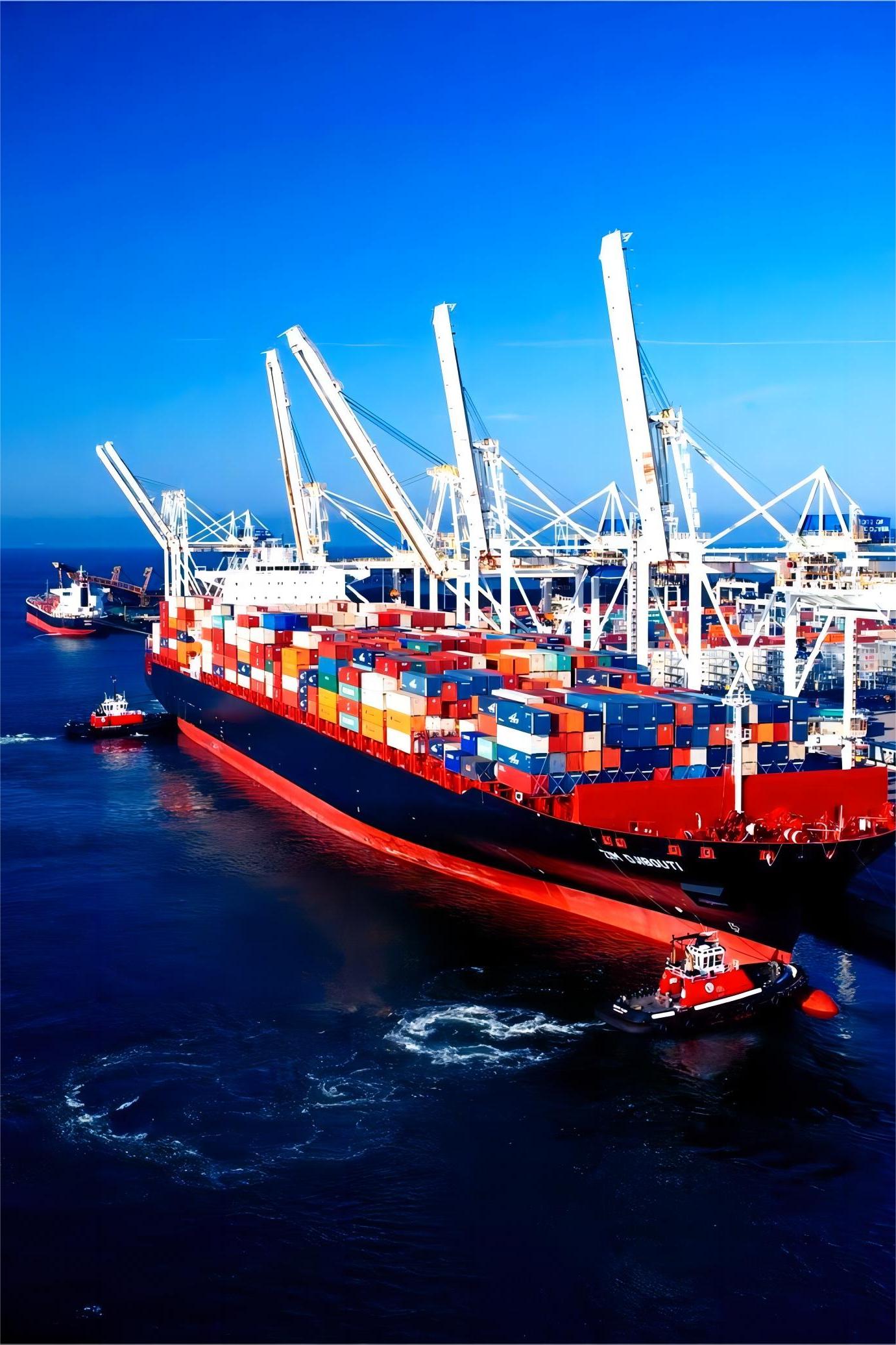
What Is Fast LCL Shipping and Why Does It Matter?
Less than Container Load (LCL) shipping allows multiple shippers to share space within a single container, making it an ideal choice for smaller volumes. Consequently, businesses can maintain frequent inventory flow without waiting to fill a 20-foot or 40-foot container.
Fast LCL shipping from China to Belgium specifically targets expedited sea routes and priority discharge at major ports like Antwerp. This service bridges the gap between expensive air freight and slower, traditional ocean freight options.

Moreover, choosing an expedited LCL service ensures that your goods are handled by premium carriers who prioritize consolidation and deconsolidation speed. This efficiency is vital for maintaining a lean supply chain and meeting tight retail deadlines.
Importing goods through sea freight remains the most popular method for Belgium-bound cargo due to its scalability and lower carbon footprint compared to air transport.
How Does Fast LCL Shipping Compare to Other Shipping Options?
Evaluating different transport modes is crucial for determining the best fit for your specific cargo and budget requirements. While LCL is cost-effective for small volumes, larger shipments may benefit from full container rates.
Air freight offers the fastest transit but comes at a significant premium, often costing five to ten times more than sea-based solutions. Therefore, LCL serves as a middle ground for those who can afford a few weeks of transit time.
In contrast, rail freight via the New Silk Road provides a faster alternative to sea freight with lower costs than air. However, recent geopolitical shifts have made sea routes the more stable choice for many European importers.
| Shipping Method | Cost Range | Transit Time | Best For |
|---|---|---|---|
| Fast LCL Sea | $80 – $150 per CBM | 28 – 35 Days | Shipments 1-15 CBM |
| Air Freight | $4.50 – $8.00 per kg | 5 – 8 Days | Urgent/High-Value |
| Rail Freight | $120 – $200 per CBM | 18 – 22 Days | Mid-range urgency |
| FCL (20GP) | $1,800 – $2,500 | 28 – 32 Days | Large volumes |
Key Factors Influencing China to Belgium Transit Times
Several variables impact the total duration of your shipment from the factory floor in China to the warehouse in Belgium. Port congestion, weather conditions, and the efficiency of the consolidation process all play significant roles.
Selecting a direct service from major hubs like Shanghai or Ningbo can save up to seven days compared to routes involving transshipment in Singapore. Indeed, direct calls at the Port of Antwerp are the gold standard for fast LCL shipping from China to Belgium.
Additionally, the time required for customs clearance at both origin and destination can vary based on documentation accuracy. Utilizing a professional customs brokerage service can prevent unnecessary delays at the Belgian border.
Typical transit times from China’s main ports to Antwerp usually range between 28 and 35 days, depending on the carrier and the specific service level selected.
Estimated Transit Times by Major China Port
Different departure points in China offer varying schedules and transit durations based on their geographic location and carrier rotations. Southern ports like Shenzhen often have slightly shorter sea times to Europe than Northern ports like Qingdao.
Furthermore, the frequency of sailings from Shanghai makes it the most flexible option for LCL shippers who need to catch the earliest possible vessel. Consequently, most consolidators focus their operations in these primary coastal hubs.
| Port of Loading | Port of Discharge | Service Type | Est. Transit |
|---|---|---|---|
| Shanghai | Antwerp | Direct | 30 Days |
| Shenzhen | Antwerp | Direct | 28 Days |
| Ningbo | Antwerp | Direct | 31 Days |
| Qingdao | Antwerp | Transshipment | 38 Days |
Understanding the Cost Structure of LCL Shipping
Shipping costs for LCL are primarily calculated based on volume, measured in Cubic Meters (CBM), or weight, whichever is higher. However, the ocean freight rate is only one component of the total landed cost you will encounter.
Origin charges, including trucking, export clearance, and terminal handling, are typically billed by the consolidator in China. Meanwhile, destination charges in Belgium include port fees, de-consolidation costs, and final mile delivery.
For those seeking a hands-off experience, door to door services bundle all these costs into a single quote. This approach provides better budget predictability and simplifies the logistics chain for small to medium enterprises.
Note: Freight rates are subject to change based on fuel costs, carrier capacity, and seasonal demand. Contact us for a current quote tailored to your specific shipment.
Essential Documentation for Belgium Customs Clearance
Navigating the Belgian customs environment requires meticulous attention to detail to avoid fines or cargo seizures. As part of the European Union, Belgium follows strict harmonized standards for imports from non-EU countries.
Properly classifying your goods using the correct HS Code is the first step in ensuring a smooth entry process. Consequently, this classification determines the duty rates and VAT obligations you will face upon arrival.
Additionally, certain products such as electronics or textiles may require specific certifications like CE marking or certificates of origin. Missing documents are the most common cause of delays in fast LCL shipping from China to Belgium.
| Document Name | Required By | Purpose | Criticality |
|---|---|---|---|
| Commercial Invoice | Customs | Value Declaration | Mandatory |
| Packing List | Warehouse | Cargo Verification | Mandatory |
| Bill of Lading | Carrier | Title of Goods | Mandatory |
| CE Certificate | EU Regulators | Safety Compliance | Product Specific |
Case Study 1: Expedited Electronics from Shenzhen to Antwerp
A Brussels-based electronics retailer needed to replenish stock of high-demand consumer gadgets before a major holiday sale. Due to the high value and moderate weight, they opted for an expedited LCL service to balance costs.
The shipment originated in Shenzhen, taking advantage of the frequent sailings and efficient consolidation hubs in the Pearl River Delta. By using a direct carrier service, the transit time was kept to a minimum.
Route: Shenzhen, China to Antwerp, Belgium. Cargo: Consumer Electronics, 4 CBM, 850 kg. Shipping Method: Fast LCL Sea Freight. Total Landed Cost: $1,150. Total Door-to-Door: 34 days. Key Insight: Accurate HS coding and pre-cleared documentation saved 3 days at the Belgian port.
Case Study 2: Seasonal Textiles from Ningbo to Liege
A fashion boutique in Liege required a cost-effective way to import seasonal apparel without the expense of air freight. They chose LCL shipping to manage their smaller, multi-SKU inventory requirements.
Despite the complexity of multiple fabric types, the consolidator managed to group the items efficiently to prevent damage during transit. The shipment arrived at the port of Antwerp and was trucked to the final destination in Liege.
Route: Ningbo, China to Antwerp, Belgium. Cargo: Apparel and Textiles, 8 CBM, 1,200 kg. Shipping Method: Standard LCL Sea Freight. Total Landed Cost: $1,850. Total Door-to-Door: 41 days. Key Insight: Using a freight forwarder with strong Belgian local knowledge ensured smooth final-mile delivery during a peak season.
Strategic Tips to Reduce Your LCL Shipping Costs
Optimizing your packaging is one of the most effective ways to lower LCL costs, as charges are based on the total volume occupied. Minimizing dead space within boxes and ensuring pallets are stackable can lead to significant savings.
Furthermore, booking your shipment at least two to three weeks in advance allows you to secure better rates and guaranteed space on the vessel. Last-minute bookings often incur premium surcharges, especially during the peak season from August to October.
Additionally, consolidating multiple small orders from different suppliers into a single LCL shipment can reduce the fixed administrative fees associated with each bill of lading. This strategy is particularly effective for businesses sourcing from various factories across China.
Which Shipping Option Should You Choose?
Deciding between LCL, FCL, or air freight depends on your specific business priorities regarding time and money. If your shipment is between 1 and 15 CBM, LCL is almost always the most economical choice.
However, if you have more than 15 CBM of goods, you should compare the LCL rate against the cost of a 20-foot container. In many cases, a full container offers better security and a lower per-unit cost once you reach a certain volume threshold.
For urgent inventory gaps, air freight remains the only viable solution, despite the high cost. Conversely, for non-urgent stock replenishment, the 30-day transit of fast LCL shipping from China to Belgium provides the best return on investment.
Current Market Trends and 2025 Outlook
As of Q1 2025, freight rates from China to Europe have stabilized after the disruptions seen in previous years. Carriers have introduced more fuel-efficient vessels, which helps mitigate the impact of fluctuating bunker prices on LCL surcharges.
Market data suggests that digital freight platforms are becoming more prevalent, allowing for real-time tracking of LCL containers. This transparency enables Belgian importers to plan their warehouse operations with much higher precision.
According to industry benchmarks, the demand for sustainable shipping is also rising. Many consolidators now offer carbon-offsetting options for LCL shipments, catering to the growing environmental consciousness of European consumers.
Mastering Your Belgium-Bound Logistics
Successfully managing fast LCL shipping from China to Belgium requires a combination of strategic planning, accurate documentation, and the right logistics partner. By understanding the cost drivers and transit variables, you can make informed decisions that protect your margins.
Whether you are importing electronics, textiles, or industrial parts, the efficiency of LCL consolidation offers a flexible solution for businesses of all sizes. Focus on optimizing your volume and choosing direct routes to maximize the benefits of this shipping method.
Ultimately, staying informed about market trends and customs requirements will ensure your cargo reaches Belgium without unnecessary delays or expenses.
Ready to streamline your logistics?
Ready to streamline your supply chain with fast LCL shipping from China to Belgium? Contact Top China Freight today for a customized quote and expert guidance on your next shipment. See how our dedicated logistics team can save you time and money on every CBM. Send Inquiry: https://Top China Freight.com/
Request Quote