


Reliable FCL Shipping from China to UK: The Ultimate 2025 Logistics Guide
Navigating the complexities of international trade requires a logistics partner that prioritizes efficiency and transparency. When you partner with Top China Freight, you secure a streamlined path for your cargo across the globe. Finding reliable FCL shipping from China to UK is the most critical step for British businesses looking to maintain a consistent and cost-effective inventory flow.
What is FCL Shipping and Why Is It Best for UK Imports?
Full Container Load (FCL) shipping involves renting an entire container for your exclusive use, regardless of whether you fill it completely. This method is often contrasted with LCL, where multiple shippers share space within a single unit. Consequently, FCL offers significantly higher security and reduces the risk of contamination or damage from other goods.

Moreover, choosing sea freight in the form of FCL is generally faster than LCL because there is no need for consolidation or deconsolidation at the ports. This efficiency translates to more predictable delivery schedules for your retail or manufacturing operations. Therefore, businesses moving more than 15 cubic meters of goods find FCL to be the most logical choice.
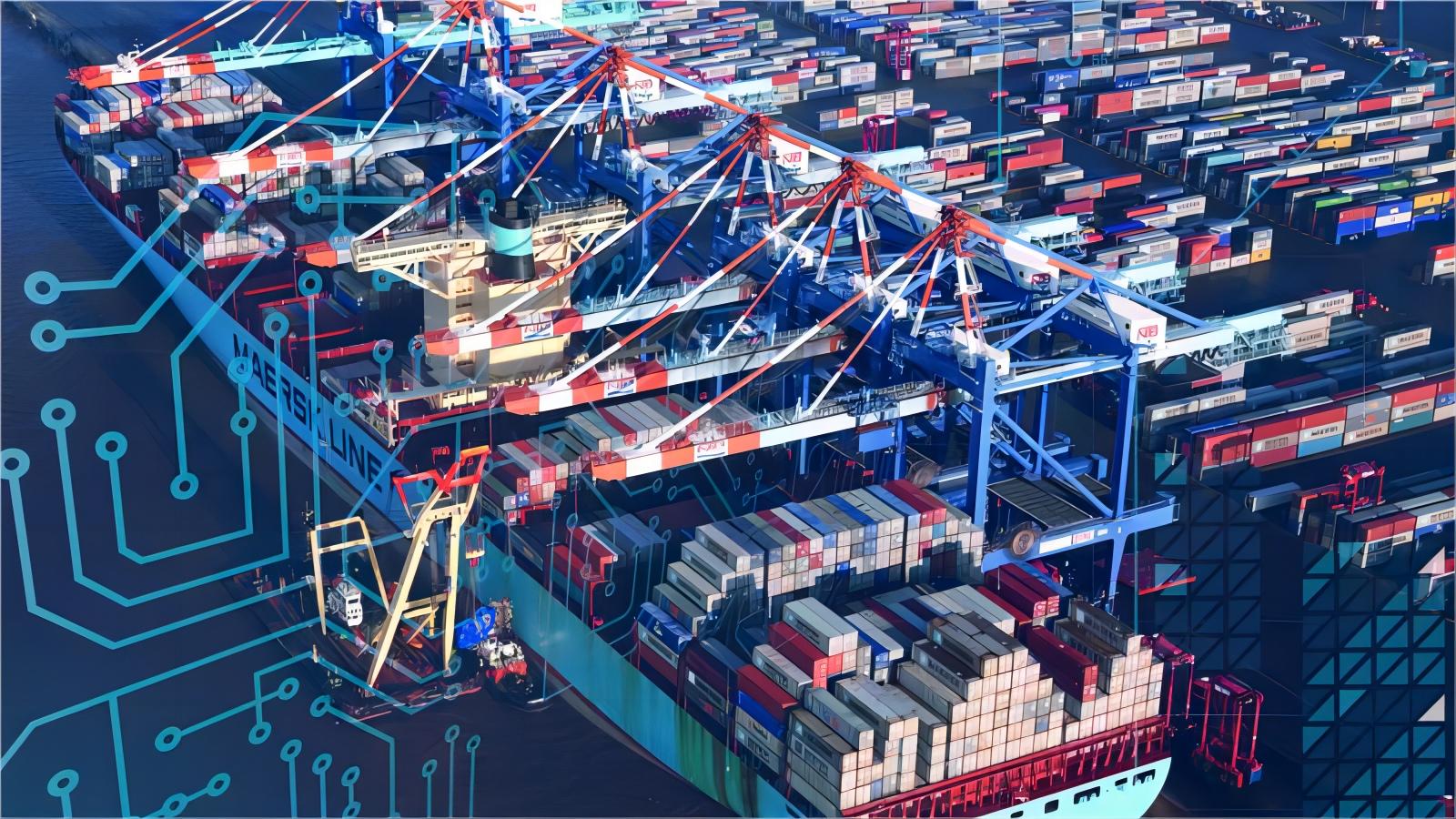
Reliable FCL shipping from China to UK provides a dedicated seal for your container, ensuring that the contents remain untouched from the factory to your warehouse. Furthermore, the cost per unit is typically lower when you utilize the full capacity of a 20ft or 40ft container. Indeed, this remains the backbone of the UK-China trade corridor.
How Much Does Reliable FCL Shipping from China to UK Cost?
Understanding the pricing structure of ocean freight is essential for accurate budgeting and profit margin protection. Freight rates are influenced by several factors, including fuel surcharges, seasonal demand, and port congestion levels. Additionally, the specific type of container you choose, such as a 20GP or a 40HQ, will dictate the base ocean freight rate.
Currently, market data suggests that rates have stabilized in early 2025 following the disruptions seen in previous years. However, importers should still expect fluctuations during the peak season between August and October. For instance, a standard 40ft container might see a 20 percent price hike during these months due to increased demand for holiday inventory.
Note: Freight rates are subject to change based on fuel costs, carrier capacity, and seasonal demand. Contact us for a current quote tailored to your specific shipment.
| Container Type | Capacity (CBM) | Estimated Rate (USD) | Best For |
|---|---|---|---|
| 20ft General Purpose | 33 CBM | $2,000 – $2,800 | Heavy machinery, tiles |
| 40ft General Purpose | 67 CBM | $3,200 – $4,200 | Consumer goods, furniture |
| 40ft High Cube | 76 CBM | $3,500 – $4,500 | Lightweight, bulky items |
How Does Reliable FCL Shipping Compare to Other Shipping Options?
While FCL is the most popular method for large volumes, it is not the only way to move goods from China to the United Kingdom. For example, air freight offers unmatched speed for high-value or urgent cargo. Nevertheless, the cost of air transport is often ten times higher than sea freight, making it unsuitable for low-margin products.
Another alternative is rail freight, which provides a middle ground between the speed of air and the economy of sea. Rail transit typically takes 18 to 22 days, which is significantly faster than the 35 days required for ocean transit via the Cape of Good Hope. Consequently, rail is an excellent choice for electronic components or seasonal fashion items.
Importers must also consider Amazon FBA requirements if they are selling on digital marketplaces. These shipments often require specialized labeling and palletization that must be handled before the container leaves China. Choosing the right method depends entirely on your specific balance of budget and time constraints.
| Shipping Method | Cost Range | Transit Time | Best For |
|---|---|---|---|
| FCL Sea Freight | Low ($2k-$5k) | 30-40 Days | Bulk goods, low cost |
| Rail Freight | Medium ($4k-$7k) | 18-25 Days | Mid-value, urgent |
| Air Freight | High ($10k+) | 5-8 Days | High-value, express |
| LCL Sea Freight | Low/Mid ($100/CBM) | 35-45 Days | Small shipments |
Which Option Should You Choose? Decision Framework
Deciding on the best shipping strategy involves evaluating your cargo volume and your deadline. If your shipment exceeds 15 cubic meters, reliable FCL shipping from China to UK is almost always the most economical choice. On the other hand, if you are shipping just a few boxes, LCL will save you money despite the longer transit time.
For those prioritizing speed due to a stock-out situation, air freight is the only viable solution. However, if you can plan your inventory six weeks in advance, sea freight FCL offers the best profit margins. Additionally, consider a hybrid approach where you send 10 percent of your stock via air and the remaining 90 percent via sea to balance cost and availability.
Budget priority: Recommend FCL Sea Freight for maximum savings. Speed priority: Recommend Air Freight or Rail Freight. Cargo type considerations: Use FCL for fragile items to minimize handling.
Transit Times for Major China to UK Port Routes
The duration of your shipment depends heavily on the port of loading in China and the port of discharge in the UK. Direct services from Shanghai or Ningbo to Felixstowe are among the fastest routes available. Meanwhile, shipments originating from inland cities may require additional time for trucking to the coastal ports.
Typical transit times have increased slightly due to vessels rerouting around Africa to avoid the Red Sea. As a result, you should factor in an extra 10 to 14 days compared to historical averages. Specifically, most FCL shipments now take between 32 and 42 days to reach UK shores from Southern China.
According to industry benchmarks, the efficiency of the UK port also plays a role in the total door-to-door time. Felixstowe and Southampton are the primary hubs, but London Gateway is gaining popularity for its modern infrastructure. Consequently, selecting the right discharge port can save you several days in inland haulage.
| Origin Port | Destination Port | Average Transit | Frequency |
|---|---|---|---|
| Shenzhen | Felixstowe | 32-35 Days | Weekly |
| Shanghai | Southampton | 35-38 Days | Weekly |
| Ningbo | London Gateway | 34-37 Days | Bi-weekly |
| Qingdao | Liverpool | 40-45 Days | Weekly |
Navigating Customs and Documentation for UK Imports
Clearing customs in the UK requires meticulous attention to detail and accurate paperwork. Every shipment must be accompanied by a Commercial Invoice, a Packing List, and a Bill of Lading. Furthermore, you must ensure your business has an EORI number, which is a mandatory requirement for importing goods into Great Britain.
Utilizing a professional customs brokerage service can prevent costly delays and penalties. Specifically, they will help you classify your goods using the correct Commodity Codes to ensure you pay the right amount of VAT and Duty. In addition, they can advise on any specific licenses required for restricted goods.
Errors in documentation are the leading cause of port storage charges, which can accumulate quickly. Therefore, verifying all details with your supplier in China before the ship departs is a vital step. Indeed, proactive management of customs data is a hallmark of reliable FCL shipping from China to UK.
Case Studies: Real-World UK FCL Shipping Scenarios
Case Study 1: Electronics from Shenzhen to Felixstowe. Route: Shenzhen, China to Felixstowe, UK. Cargo: Consumer Electronics, 65 CBM, 12,000 kg. Container: 40GP. Shipping Details: Carrier: COSCO, Port of Loading: Shenzhen, Port of Discharge: Felixstowe, Route Type: Direct. Cost Breakdown: Ocean Freight: $3,450, Origin Charges: $400, Destination Charges: $550, Customs and Duties: $1,200, Total Landed Cost: $5,600. Timeline: Booking to Loading: 4 days, Sea Transit: 34 days, Customs Clearance: 2 days, Total Door-to-Door: 40 days. Key Insight: Booking 3 weeks in advance secured a lower rate during the Q3 peak season.
Case Study 2: Furniture from Ningbo to Southampton. Route: Ningbo, China to Southampton, UK. Cargo: Wooden Furniture, 28 CBM, 8,000 kg. Container: 20GP. Shipping Details: Carrier: Maersk, Port of Loading: Ningbo, Port of Discharge: Southampton, Route Type: Direct. Cost Breakdown: Ocean Freight: $2,200, Origin Charges: $350, Destination Charges: $500, Customs and Duties: $900, Total Landed Cost: $3,950. Timeline: Booking to Loading: 5 days, Sea Transit: 36 days, Customs Clearance: 3 days, Total Door-to-Door: 44 days. Key Insight: Proper palletization within the FCL container prevented damage during the long sea voyage.
Case Study 3: Textiles from Shanghai to London Gateway. Route: Shanghai, China to London Gateway, UK. Cargo: Apparel, 72 CBM, 15,000 kg. Container: 40HQ. Shipping Details: Carrier: MSC, Port of Loading: Shanghai, Port of Discharge: London Gateway, Route Type: Transshipment via Singapore. Cost Breakdown: Ocean Freight: $3,800, Origin Charges: $450, Destination Charges: $600, Customs and Duties: $2,100, Total Landed Cost: $6,950. Timeline: Booking to Loading: 6 days, Sea Transit: 42 days, Customs Clearance: 2 days, Total Door-to-Door: 50 days. Key Insight: Using London Gateway reduced inland trucking costs to the client’s North London warehouse by 15 percent.
How to Reduce Costs for Your Next UK FCL Shipment?
Lowering your logistics expenses requires a combination of strategic planning and carrier negotiation. One of the most effective ways to save money is to optimize your packaging to fit as much cargo as possible into a single container. Moreover, choosing off-peak shipping dates can lead to significant reductions in ocean freight rates.
Additionally, you should consider negotiating Incoterms with your supplier. While CIF is common, switching to FOB (Free On Board) gives you more control over the shipping process and the associated costs. Consequently, you can choose your own forwarder and avoid the hidden markups often applied by overseas suppliers.
Finally, always request multiple quotes to ensure you are receiving a competitive market rate. However, do not simply choose the cheapest option without considering the reliability of the carrier. Without a doubt, the cost of a delayed or damaged shipment far outweighs the small savings of a low-quality logistics provider.
Securing Your Supply Chain Success
To summarize, achieving reliable FCL shipping from China to UK involves understanding the market, preparing accurate documentation, and choosing the right logistics partner. By utilizing the full capacity of sea containers, businesses can significantly lower their landed costs and improve delivery reliability. Whether you are importing electronics, furniture, or textiles, the principles of FCL remains the most robust solution for UK-based importers.
As market conditions continue to evolve in 2025, staying informed about transit times and freight rates is essential. Partnering with an experienced freight forwarder ensures that your cargo is handled with care and that you are always prepared for customs requirements. Start optimizing your China-to-UK logistics today to ensure your business remains competitive in a global marketplace.
Ready to streamline your logistics?
Ready to streamline your supply chain with reliable FCL shipping from China to UK? Contact Top China Freight today for a customized quote and expert guidance on your next shipment. Visit our website to get started: Visit https://Top China Freight.com/
Request Quote