


Cheap LCL Shipping from China to Germany: 2025 Cost Guide
Finding cheap LCL shipping from China to Germany is a top priority for businesses looking to maintain a competitive edge in the European market. Top China Freight provides specialized logistics solutions that help small and medium enterprises minimize their transportation overhead. Consequently, understanding how consolidation works and selecting the right freight forwarder can lead to substantial long-term savings for your import operations.
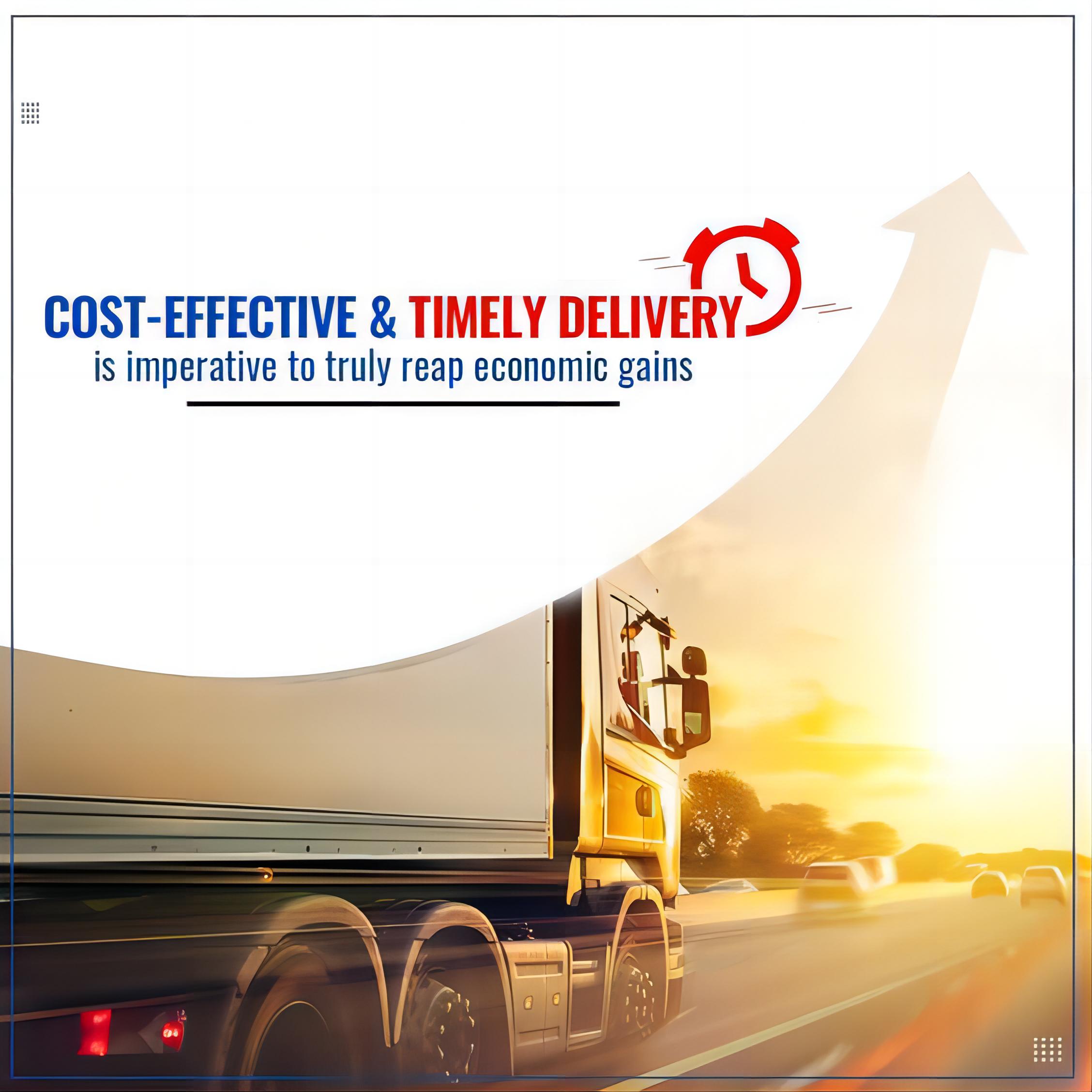
What is Cheap LCL Shipping from China to Germany?
Less than Container Load, commonly known as LCL, allows multiple shippers to share space within a single ocean container. This method is particularly beneficial for businesses that do not have enough cargo to fill an entire 20-foot or 40-foot container. Consequently, you only pay for the volume your goods occupy, which is measured in cubic meters.

Importers often choose this method because it offers a flexible way to manage inventory without committing to large shipments. Moreover, the consolidation process happens at a Container Freight Station where various small shipments are grouped together before departure. Therefore, LCL represents the most economical choice for shipments ranging from 1 to 15 cubic meters.
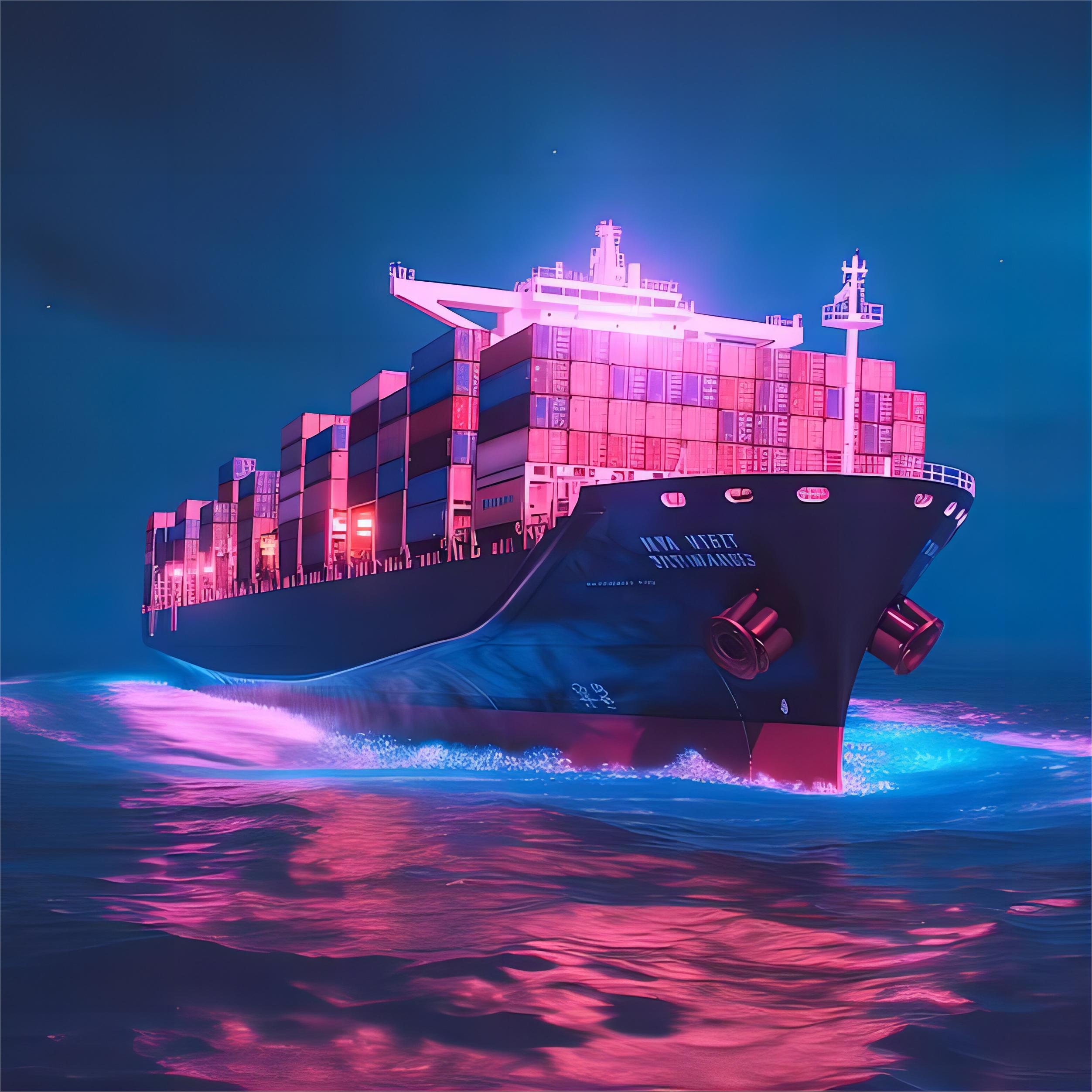
Selecting a reliable freight forwarder ensures that your cargo is handled professionally during the consolidation and deconsolidation phases. Furthermore, experienced logistics providers can negotiate better rates with carriers, passing those savings directly to you. Ultimately, cheap LCL shipping from China to Germany serves as the backbone for many international trade activities between these two nations.
Market trends in early 2025 suggest that LCL remains a stable option despite global logistics fluctuations. Additionally, the availability of frequent departures from major Chinese hubs like Shanghai and Shenzhen ensures that your supply chain remains consistent. Shippers should always verify the cubic meter rates to ensure they are receiving the best possible deal for their specific route.
How Does LCL Compare to Other Shipping Options?
Businesses must evaluate multiple transport modes to determine which one aligns best with their budget and timeline. While LCL is often the cheapest for small volumes, rail and air freight provide different advantages depending on the urgency of the cargo. Consequently, a side-by-side comparison helps in making an informed logistics decision.
Sea freight remains the traditional leader for cost-sensitive shipments, whereas rail freight offers a middle ground in terms of speed and price. In contrast, air freight is reserved for high-value or extremely time-sensitive items due to its significantly higher cost per kilogram. Therefore, choosing the right method requires a balance between transit time and the total landed cost.
Shipping costs for LCL are typically calculated based on volume, while air freight relies on weight. Furthermore, the handling fees at destination ports for LCL can sometimes be higher than FCL on a per-unit basis. Nevertheless, for volumes under 15 cubic meters, LCL almost always proves more cost-effective than booking a full container that remains half-empty.
| Shipping Method | Cost Range | Transit Time | Best For |
|---|---|---|---|
| Sea LCL | $80 – $160 per CBM | 30 – 40 Days | Budget-conscious small cargo |
| Rail LCL | $170 – $280 per CBM | 18 – 24 Days | Mid-range urgency and cost |
| Air Freight | $4.50 – $8.00 per KG | 5 – 8 Days | High-value or urgent goods |
| FCL (20GP) | $1,800 – $2,600 | 28 – 35 Days | Large volumes over 15 CBM |
Key Factors Influencing Cheap LCL Shipping from China to Germany Rates
Understanding the variables that impact freight rates allows you to plan your shipments more effectively. Fuel surcharges, also known as the Bunker Adjustment Factor, fluctuate based on global oil prices and directly affect your final invoice. Consequently, rates that seem cheap today might increase slightly by the time your cargo is ready for departure.
Seasonal demand plays a critical role in pricing, with the peak season typically occurring between August and October. Moreover, the weeks leading up to the Chinese New Year often see a surge in demand and a corresponding spike in LCL rates. Therefore, booking your shipments at least 3 to 4 weeks in advance can help you secure lower prices and guaranteed space.
Port congestion and carrier capacity also contribute to the overall cost of shipping from China to Europe. Specifically, disruptions in major transit routes can lead to surcharges or longer transit times that increase storage fees. Nevertheless, maintaining a flexible delivery schedule allows you to take advantage of off-peak discounts offered by various shipping lines.
Note: Freight rates are subject to change based on fuel costs, carrier capacity, and seasonal demand. Contact us for a current quote tailored to your specific shipment.
Why Sea Freight is the Primary Choice for Cheap LCL Shipping
Ocean transportation is the most traditional and widely used method for moving goods between China and Germany. Utilizing sea freight ensures that you benefit from the economies of scale provided by massive container vessels. Consequently, the cost per unit of cargo remains lower than any other transport mode available today.
Shipping by sea is also more environmentally friendly compared to air transport, which is an important consideration for many modern businesses. Furthermore, modern cargo ships are equipped to handle a vast array of product types, from textiles and electronics to industrial machinery. Indeed, the versatility of ocean freight makes it the standard choice for the majority of global trade.
Transit times for sea freight from China to German ports like Hamburg or Bremerhaven usually range from 30 to 40 days. While this is slower than rail or air, the cost savings often justify the longer wait for non-urgent inventory. Therefore, businesses that can accurately forecast their stock needs often prefer this method to maximize their profit margins.
Exploring Rail Freight as a Viable Alternative
Rail transportation has emerged as a powerful alternative for those who find sea freight too slow and air freight too expensive. Choosing rail freight can reduce your transit time by nearly 50 percent compared to ocean routes. Consequently, this method is ideal for seasonal products or promotional items that need to reach the German market quickly.
The Trans-Eurasian rail network connects major Chinese industrial hubs directly to European terminals like Duisburg or Hamburg. Moreover, rail transport is less affected by weather conditions or sea-state disruptions than ocean voyages. Although the cost per cubic meter is higher than sea freight, the reduced interest costs on inventory often offset the difference.
Security is another major benefit of the rail route, as containers are monitored closely throughout the journey across Central Asia and Eastern Europe. Additionally, the carbon footprint of rail is significantly lower than that of air freight, supporting corporate sustainability goals. Shippers should consider this hybrid approach when their supply chain requires a balance of speed and economy.
Essential Customs Brokerage for German Imports
Navigating the complex regulations of the European Union requires specialized knowledge and meticulous documentation. Engaging a professional customs brokerage service prevents costly delays and potential fines at the German border. Consequently, your goods can move through the port of entry and reach their final destination without unnecessary interruptions.
German customs authorities require specific documents, including the commercial invoice, packing list, and the Bill of Lading. Furthermore, certain products may require additional certifications, such as CE marking for electronics or health certificates for food-related items. Failure to provide accurate information can result in the seizure of goods or significant storage charges at the terminal.
Professional brokers ensure that your HS codes are correctly classified to determine the exact import duties and VAT owed. Moreover, they stay updated on the latest trade agreements and regulatory changes that might affect your shipping costs. Ultimately, investing in expert customs support is a strategic move to protect your bottom line and ensure compliance.
| Document Name | Purpose | Required By |
|---|---|---|
| Commercial Invoice | Specifies value and transaction details | Customs / Tax Authorities |
| Packing List | Details contents, weight, and dimensions | Warehouse / Customs |
| Bill of Lading | Acts as a contract of carriage and title | Carrier / Bank |
| Certificate of Origin | Verifies where the goods were made | Customs / Trade Compliance |
Which Shipping Option Should You Choose?
Deciding between sea, rail, and air depends heavily on your specific business requirements and the nature of your cargo. If your primary goal is to achieve the lowest possible cost and you have a flexible timeline, sea LCL is the clear winner. However, if you are facing a stock-out situation, the higher cost of rail or air may be a necessary investment.
Budget priority dictates that you should stick to ocean consolidation whenever possible to keep your landed costs low. On the other hand, speed priority suggests that rail freight is the most logical step up from the slow ocean route. Specifically, businesses dealing in fashion or high-tech components often find the rail route to be the most efficient for their needs.
Volume thresholds also play a role in this decision-making process. For shipments under 1 cubic meter, express couriers might actually be cheaper than LCL due to the high minimum handling fees at sea ports. Consequently, you should always request quotes for multiple modes to see which one offers the best value for your specific shipment size.
Maximizing Efficiency with Door to Door and FBA Services
Streamlining your supply chain often involves choosing an integrated service that handles the entire journey from the factory to the warehouse. Utilizing door to door shipping eliminates the need for you to coordinate with multiple logistics providers. Consequently, you save time and reduce the risk of communication errors during the transit process.
For e-commerce sellers, specialized Amazon FBA shipping solutions are essential for meeting strict delivery windows. These services include labeling, palletizing, and direct delivery to Amazon fulfillment centers across Germany. Furthermore, freight forwarders who specialize in FBA understand the specific requirements of the platform, ensuring your inventory is never rejected.
Integrated logistics providers offer end-to-end visibility through advanced tracking systems. Moreover, they manage the local trucking in both China and Germany, providing a seamless experience for the importer. Ultimately, these comprehensive services allow you to focus on growing your business while the experts handle the logistical complexities.
Real Case Studies: Success Stories in LCL Shipping
Examining real-world examples provides valuable insight into how cheap LCL shipping from China to Germany works in practice. These cases highlight the importance of proper planning and the impact of choosing the right shipping method for different cargo types. Consequently, you can apply these lessons to your own logistics strategy to improve efficiency.
Case Study 1: Electronics from Shanghai to Hamburg. Route: Shanghai Port to Hamburg Port. Cargo: Consumer Electronics, 2.8 CBM, 450 kg. Method: Sea LCL. Ocean Freight: $410. Origin Charges: $120. Destination Charges: $180. Timeline: 34 days total. Key Insight: Early booking during the off-peak season saved the client 15 percent compared to previous shipments.
Case Study 2: Industrial Parts from Ningbo to Munich. Route: Ningbo Port to Munich (via Hamburg). Cargo: Steel Components, 5.5 CBM, 1,200 kg. Method: Sea LCL with Door Delivery. Total Landed Cost: $1,150. Timeline: 42 days door-to-door. Key Insight: Consolidating multiple small orders from different suppliers into one LCL shipment significantly reduced the destination handling fees.
These scenarios demonstrate that while ocean freight is slow, it remains the most viable option for maintaining low product costs. Furthermore, the use of door-to-door services in Case Study 2 simplified the process for the buyer, who did not have to manage local German transport. Learning from these examples can help you avoid common pitfalls in international shipping.
Strategic Tips for Reducing Your Total Landed Costs
Saving money on LCL shipping requires more than just finding the lowest base rate. Consolidation of shipments from multiple Chinese suppliers into a single LCL booking can drastically reduce your documentation and handling fees. Consequently, coordinating your purchasing schedule with your production cycles is a highly effective cost-saving strategy.
Optimizing your packaging is another crucial factor, as LCL rates are heavily dependent on the total volume in cubic meters. Furthermore, ensuring that your boxes are stackable and minimize wasted space can lower your billable volume. Shippers who use standardized pallet sizes often find that their cargo is handled more efficiently and safely during the consolidation process.
Planning your shipments to avoid peak seasons and major holidays will always result in better rates and faster processing times. Moreover, establishing a long-term relationship with a single freight forwarder can lead to volume discounts and better service priority. Finally, always double-check your documentation to avoid the expensive storage fees that occur when cargo is stuck in customs.
Final Thoughts on Cheap LCL Shipping from China to Germany
Summarizing the logistics landscape for 2025, it is clear that LCL shipping remains the most flexible and cost-effective method for small volume importers. By balancing cost, speed, and reliability, businesses can navigate the complexities of international trade with confidence. Ultimately, the key to success lies in choosing a partner who understands the nuances of the China-Germany trade lane.
Cheap LCL shipping from China to Germany is not just about the lowest price, but about the value and security provided throughout the journey. Whether you choose sea or rail, ensuring your documentation is accurate and your timing is strategic will lead to the best results. We encourage you to utilize the frameworks provided in this guide to optimize your future shipments and grow your business.
Ready to streamline your logistics?
Optimize your supply chain today with cheap LCL shipping from China to Germany. Contact our team at Top China Freight for a customized quote and professional guidance on your next shipment. Visit our website to learn more about our comprehensive logistics solutions and start saving on your international freight costs now.
Request Quote