

Trusted FCL Shipping from China to Germany: 2025 Expert Guide
Establishing a reliable supply chain requires finding trusted FCL shipping from China to Germany to ensure your cargo arrives safely and on schedule. Consequently, businesses must navigate a complex landscape of carriers, port regulations, and fluctuating market rates. This comprehensive guide provides the essential insights needed to streamline your international trade operations while maintaining cost efficiency.
How Does Trusted FCL Shipping from China to Germany Compare to Other Options?
Evaluating different transport modes is a fundamental step for optimizing your logistics budget and meeting delivery deadlines. While FCL remains the gold standard for large-scale imports, alternatives like LCL, rail, or air freight might be more suitable for specific scenarios. Furthermore, the choice often depends on the total volume of your goods and the urgency of the shipment.
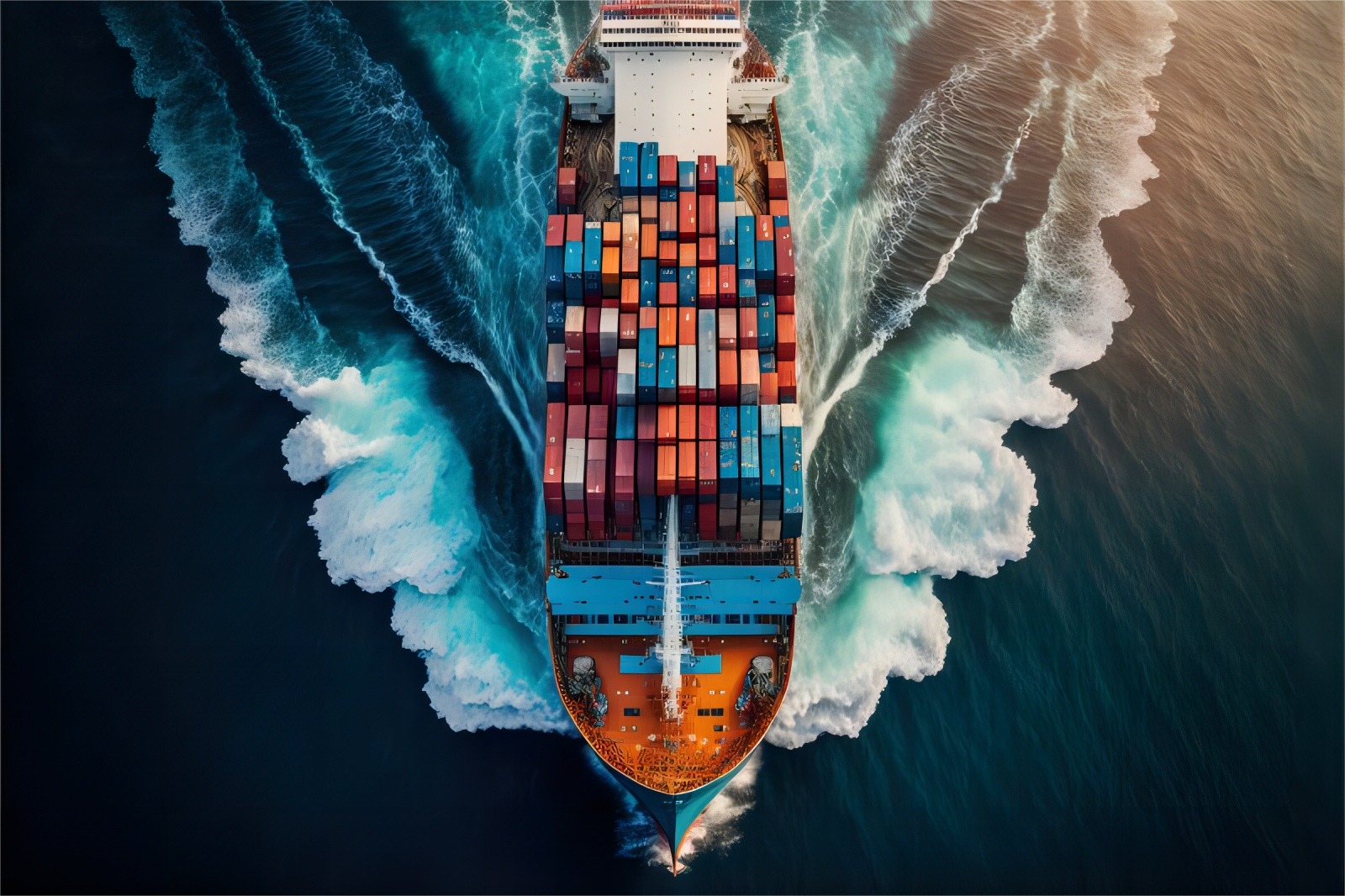
Sea freight offers the most economical solution for high-volume cargo that does not require immediate delivery. In contrast, air freight provides unmatched speed but comes with significantly higher costs that can impact profit margins. Meanwhile, rail freight has emerged as a middle-ground solution, offering faster transit than the sea at a lower price point than the air.
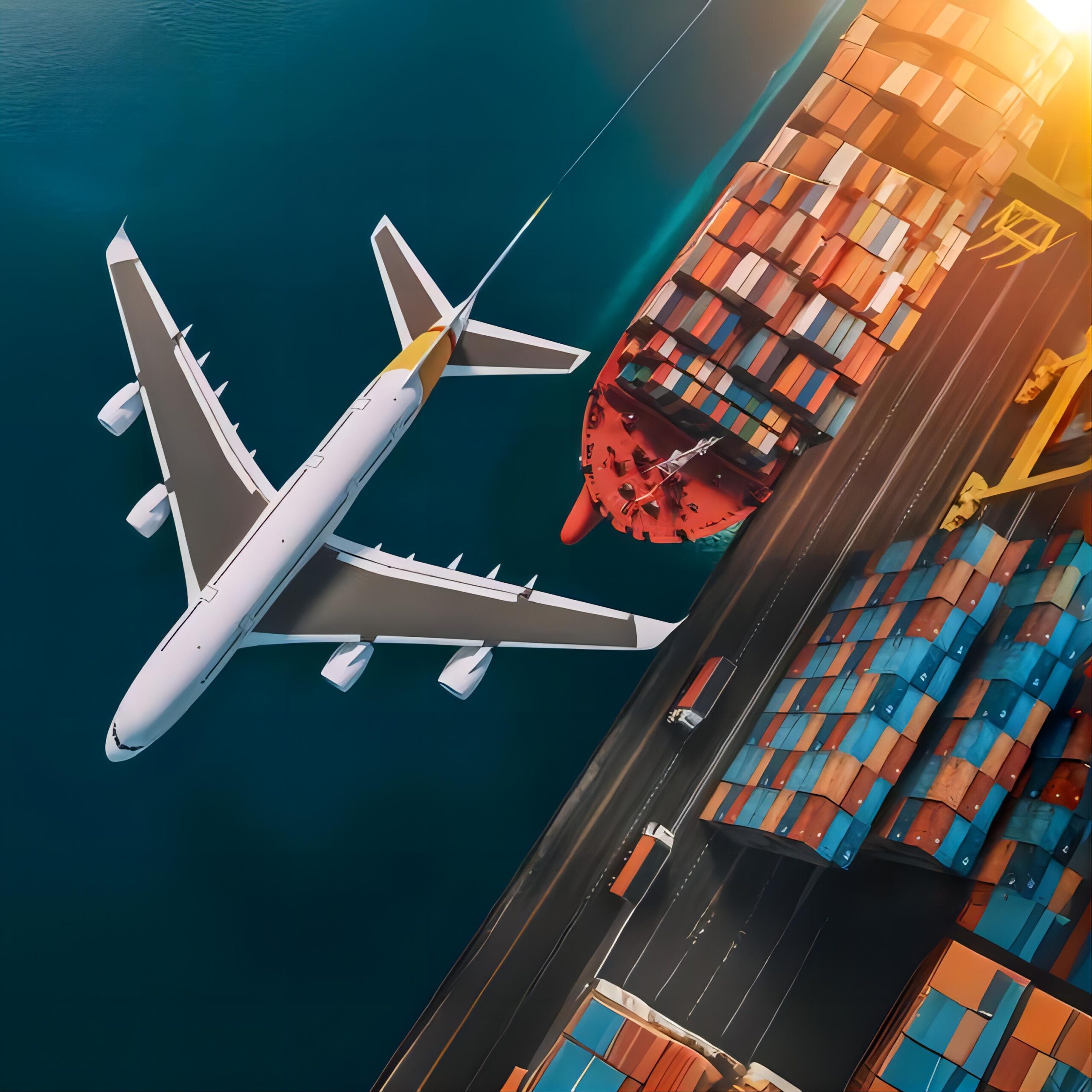
Choosing sea freight for your FCL needs ensures that your goods remain undisturbed throughout the journey. This exclusivity reduces the risk of damage during handling and simplifies the customs process upon arrival in Germany. Additionally, the per-unit cost of shipping via a full container is typically much lower than any other method for large inventories.
| Shipping Method | Cost Range | Transit Time | Best For | Limitations |
|---|---|---|---|---|
| FCL Sea Freight | $2,500 – $4,200 | 30-40 Days | Bulk goods, High volume | Longer transit time |
| Rail Freight | $4,000 – $6,500 | 18-22 Days | Mid-value industrial | Limited to rail hubs |
| Air Freight | $15,000 – $25k+ | 5-8 Days | Urgent, High-value | Very high cost |
| LCL Sea Freight | $80 – $150/CBM | 35-45 Days | Small shipments | Higher damage risk |
Which Option Should You Choose?
Budget priority typically leads importers toward ocean freight due to its unmatched scalability. If your shipment exceeds 15 cubic meters, booking a 20ft container is often more cost-effective than paying for individual cubic meters in an LCL shipment. Moreover, the security of a sealed container provides peace of mind for sensitive or valuable machinery.
Speed priority might necessitate a shift toward rail or air solutions during peak seasons. When port congestion at Hamburg or Wilhelmshaven causes delays, using door to door rail services can save up to two weeks of transit time. However, you must account for the higher freight rates associated with land-based transport across the Eurasian continent.
Cargo type considerations also play a vital role in your final decision. Perishable goods or high-tech components often require the rapid transit of air freight to maintain quality or meet market demand. Conversely, heavy industrial equipment and raw materials are best suited for the heavy-lift capacity of ocean-going vessels.
Estimated Costs for Container Shipping in 2025
Freight rates from China to Germany have stabilized in early 2025 following the volatility seen in previous years. Nevertheless, seasonal demand during the pre-Chinese New Year period or the Q4 peak season can still cause prices to spike by 20 percent or more. Understanding these patterns allows you to book your shipments well in advance to secure the most competitive pricing.
Market data suggests that a 40HQ container currently costs between $3,500 and $4,500 depending on the specific port of loading. Additionally, you must factor in origin charges such as terminal handling fees and documentation costs. Destination charges in Germany, including port dues and final trucking to your warehouse, will also contribute to the total landed cost.
Note: Freight rates are subject to change based on fuel costs, carrier capacity, and seasonal demand. Contact us for a current quote tailored to your specific shipment.
| Route | 20GP Container | 40GP Container | 40HQ Container | Transit Time |
|---|---|---|---|---|
| Shanghai to Hamburg | $2,100 – $2,600 | $3,200 – $3,900 | $3,500 – $4,300 | 32-35 Days |
| Shenzhen to Bremen | $1,900 – $2,400 | $3,000 – $3,700 | $3,300 – $4,100 | 28-32 Days |
| Ningbo to Hamburg | $2,050 – $2,550 | $3,150 – $3,850 | $3,450 – $4,250 | 33-36 Days |
| Qingdao to Hamburg | $2,200 – $2,700 | $3,300 – $4,000 | $3,600 – $4,400 | 36-40 Days |
Essential Customs Documentation for German Imports
Navigating the complexities of European Union regulations is critical for avoiding costly delays at the port of entry. You must ensure that all paperwork is accurate and submitted through a reliable customs brokerage service. Specifically, the Commercial Invoice and Packing List must match the physical cargo exactly to pass inspection.
German customs authorities are known for their strict adherence to safety and environmental standards. Therefore, importing machinery or electronics requires specific certificates of conformity, such as CE marking. Failure to provide these documents can result in the seizure of your goods or significant fines that disrupt your supply chain efficiency.
Moreover, every shipment must be accompanied by a Bill of Lading, which serves as the contract of carriage and title to the goods. If you are claiming preferential tariff rates, a Certificate of Origin may also be required. Keeping these documents organized in a digital format will facilitate faster processing by the German authorities.
Transit Times from Major Chinese Ports to Germany
Shipping durations vary significantly depending on whether the vessel follows a direct route or involves transshipment at hubs like Singapore. Direct services from southern China to Northern Europe are generally the fastest, arriving in approximately 30 days. In contrast, departures from northern ports like Tianjin may require additional time due to the longer coastal navigation.
Weather conditions and port congestion in the North Sea can also influence the final delivery date. During the winter months, storms can occasionally delay vessel arrivals at Hamburg or Bremerhaven by several days. Consequently, it is always wise to build a buffer of at least one week into your inventory planning to account for these variables.
Industry average for this route indicates that the total door-to-door time is usually 7 to 10 days longer than the sea transit alone. This extra time accounts for container pickup in China, customs clearance, and final delivery via truck or barge in Germany. Planning your production schedule around these realistic timelines is essential for maintaining a reliable supply of goods.
Alternative Strategies for Cost-Saving
Implementing hybrid logistics solutions can provide a competitive advantage when traditional sea freight is too slow or air freight is too expensive. For instance, some importers utilize rail freight as a tactical alternative for mid-value shipments that need to reach the German market quickly. This method bypasses potential maritime bottlenecks and offers a more predictable schedule.
Consolidating multiple smaller orders into a single FCL shipment is another effective way to reduce your per-unit shipping costs. By coordinating with your suppliers in China, you can maximize the utilization of a 40HQ container, which offers the best volume-to-price ratio. Additionally, choosing the right Incoterms, such as FOB instead of EXW, can give you more control over the shipping process and costs.
Exploring different ports of discharge can also yield significant savings depending on your final destination in Germany. While Hamburg is the primary hub, routing cargo through Rotterdam or Antwerp and then using barge transport can sometimes be more economical for southern German regions. These small strategic adjustments can lead to substantial long-term improvements in your logistics budget.
Real Case Studies: Successful FCL Shipments to Germany
Examining real-world examples provides a practical perspective on the logistics involved in moving goods from China to Europe. These cases reflect actual market conditions and demonstrate how professional management can overcome common challenges. Each scenario highlights the importance of choosing the right container type and carrier for specific cargo needs.
Case Study 1: Consumer Electronics to Hamburg
Case Study 1: High-Volume Electronics Distribution
Route: Shenzhen, China to Hamburg, Germany
Cargo: Consumer Electronics, 65 CBM, 14,000 kg
Container: 40HQ
Shipping Details:
– Carrier: Maersk
– Port of Loading: Shenzhen
– Port of Discharge: Hamburg
– Route Type: Direct
Cost Breakdown:
– Ocean Freight: $3,950
– Origin Charges: $450
– Destination Charges: $600
– Total Landed Cost: $5,000
Timeline:
– Booking to Loading: 4 days
– Sea Transit: 31 days
– Customs Clearance: 2 days
– Total Door-to-Door: 37 days
Key Insight: Using a direct service from Shenzhen minimized handling and ensured the fragile electronics arrived without damage. Based on Q4 2024 market rates.
Case Study 2: Industrial Machinery to Munich
Case Study 2: Heavy Machinery Import
Route: Ningbo, China to Munich, Germany
Cargo: Industrial Parts, 26 CBM, 18,000 kg
Container: 20GP
Shipping Details:
– Carrier: COSCO
– Port of Loading: Ningbo
– Port of Discharge: Rotterdam (Transshipment)
– Route Type: Sea to Barge/Truck
Cost Breakdown:
– Ocean Freight: $2,250
– Origin Charges: $400
– Destination Charges: $850
– Total Landed Cost: $3,500
Timeline:
– Booking to Loading: 5 days
– Sea Transit: 35 days
– Customs Clearance: 3 days
– Total Door-to-Door: 43 days
Key Insight: Routing through Rotterdam for a southern German destination proved more cost-effective than using a northern German port. Typical rates as of early 2025.
Mastering Your FCL Logistics Strategy
Securing trusted FCL shipping from China to Germany is a vital component of a successful international business model. By understanding the nuances of container pricing, transit times, and customs requirements, you can build a more resilient and cost-effective supply chain. Furthermore, partnering with an experienced freight forwarder ensures that your cargo is managed with the highest level of professionalism.
Indeed, the logistics landscape is constantly evolving, but the fundamentals of quality service and strategic planning remain the same. Whether you are shipping electronics, machinery, or consumer goods, the right FCL strategy will help you maintain a competitive edge in the German market. Start planning your next shipment today to take advantage of current market stability and expert logistics support.
Ready to streamline your logistics?
Ready to optimize your supply chain with trusted FCL shipping from China to Germany? Contact Top China Freight today to receive a personalized quote and expert guidance for your next container shipment. Send Inquiry: https://Top China Freight.com/
Request Quote