

Cheap FCL Shipping from China to France: The Complete 2025 Guide
Securing cheap FCL shipping from China to France is a critical objective for modern businesses aiming to optimize their global supply chains. Many importers face the challenge of rising logistics costs and complex international regulations that can eat into profit margins. However, by leveraging strategic planning and professional freight partnerships, you can find cost-effective solutions for your containerized cargo. This comprehensive guide provides the essential insights needed to navigate the current shipping landscape and secure the best possible rates for your full container loads.

What is FCL Shipping and Why Choose It?
Full Container Load (FCL) refers to a shipping mode where one importer occupies an entire container for their goods exclusively. Unlike Less than Container Load (LCL), FCL does not require sharing space with other shippers, which often results in faster handling. Specifically, sea freight remains the most popular method for moving large volumes of goods from Chinese manufacturing hubs to French markets. Choosing FCL provides a higher level of security because the container is sealed at the origin and remains closed until it reaches its final destination.
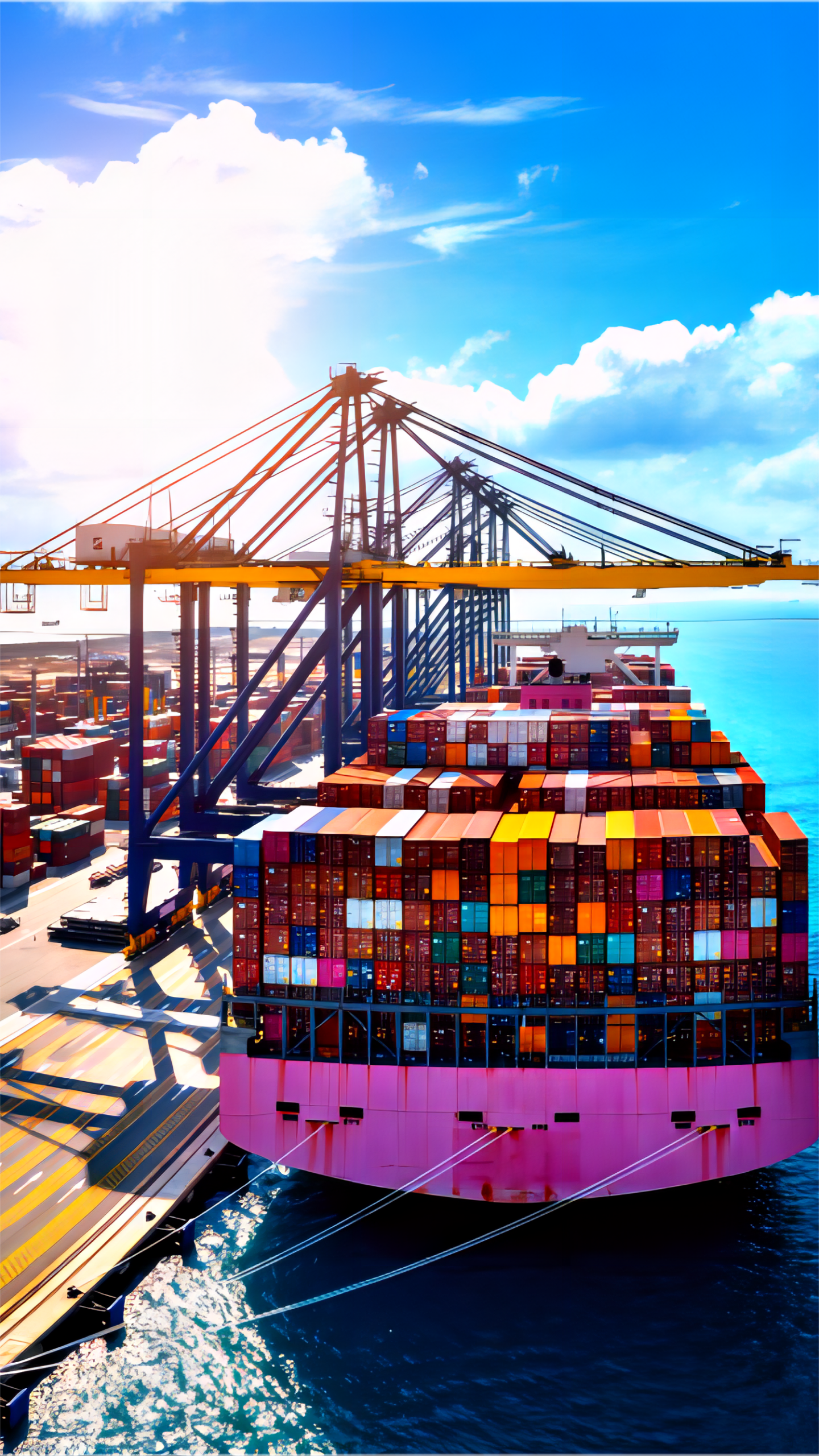
Moreover, FCL is generally more economical for shipments that exceed 15 cubic meters in volume. When you book a full container, you pay a flat rate for the space rather than a price based on individual pallet dimensions. Consequently, businesses with high-volume inventory can achieve a lower cost per unit compared to other shipping methods. Furthermore, FCL shipments typically experience fewer delays at transshipment points because they do not require the deconsolidation process that LCL shipments undergo. Therefore, if your priority is a balance between cost and speed, FCL stands as the superior choice.
Advantages of 20ft vs 40ft Containers
Selecting the right container size is the first step toward achieving cheap FCL shipping from China to France. A 20ft container (20GP) is ideal for heavy cargo like machinery or minerals, while a 40ft container (40HQ) offers better value for lightweight, bulky items. Additionally, the price difference between a 20ft and 40ft container is often much smaller than the difference in their capacity. Indeed, many shippers find that upgrading to a 40ft container reduces their total logistics spend when they have enough cargo to fill the extra space.
Factors Influencing Cheap FCL Shipping from China to France Costs
Several variables determine the final price you pay for ocean transport between these two major trading partners. Market demand fluctuates seasonally, with prices typically surging during the peak period between August and October. Meanwhile, fuel surcharges known as Bunker Adjustment Factors (BAF) can change monthly based on global oil price trends. Understanding these factors allows you to time your bookings more effectively to capture lower rates.
Port congestion and equipment availability also play significant roles in pricing structures. If a major port like Shanghai or Ningbo experiences a backlog, carriers may implement congestion surcharges to cover their operational delays. Additionally, currency fluctuations between the US Dollar and the Euro can impact the total landed cost of your goods. Consequently, working with an experienced freight forwarder helps you navigate these volatile elements by securing fixed-rate contracts or identifying alternative routes.
| Container Type | Average Cost (USD) | Capacity (CBM) | Max Weight (KG) |
|---|---|---|---|
| 20GP Standard | $1,850 – $2,400 | 33 CBM | 28,000 |
| 40GP Standard | $2,900 – $3,700 | 67 CBM | 26,000 |
| 40HQ High Cube | $3,100 – $4,200 | 76 CBM | 26,000 |
How Does FCL Compare to Other Shipping Options?
Analyzing all available transport modes is essential for finding the most cost-effective strategy for your specific cargo. While FCL is the gold standard for large sea shipments, alternatives like air freight or rail freight offer different benefits. For instance, air freight is significantly faster but can cost up to five times more than ocean transport. On the other hand, door to door services can be applied to any mode to simplify the logistics chain.
Rail freight has emerged as a middle-ground solution, offering faster transit than sea and lower costs than air. Nevertheless, for the highest volume shipments, sea-based FCL remains the most budget-friendly option. Below is a detailed comparison to help you evaluate the trade-offs between speed, cost, and capacity.
| Method | Cost Range | Transit Time | Best For |
|---|---|---|---|
| FCL Sea | Low ($2k-$4k) | 30-40 Days | Bulk Goods |
| LCL Sea | Medium ($50/CBM) | 35-45 Days | Small Batches |
| Rail Freight | Medium ($4k-$6k) | 18-22 Days | Mid-value items |
| Air Freight | High ($5-$8/kg) | 5-8 Days | Urgent Cargo |
Major Ports and Transit Times for China to France Routes
Choosing the right port of departure and arrival can impact both the transit time and the total cost. Most shipping from China to Europe originates from massive hubs like Shanghai, Shenzhen, or Ningbo. These ports offer the highest frequency of sailings and the most competitive rates due to the high volume of traffic. Consequently, scheduling your shipment from a major hub often leads to more reliable delivery timelines.
In France, the primary gateways for containerized cargo include Le Havre in the north and Marseille (Fos-sur-Mer) in the south. Le Havre is ideally situated for cargo destined for Paris and northern industrial regions. In contrast, Marseille serves as the main entry point for goods heading to southern France and neighboring Mediterranean countries. Understanding the inland infrastructure from these ports is vital for calculating the final delivery cost to your warehouse.
| Origin (China) | Destination (France) | Direct Transit | Frequency |
|---|---|---|---|
| Shanghai | Le Havre | 32-35 Days | Daily |
| Shenzhen | Marseille | 28-30 Days | 3x Weekly |
| Ningbo | Le Havre | 34-38 Days | Daily |
| Qingdao | Marseille | 35-40 Days | Weekly |
Which Option Should You Choose for Your Cargo?
Determining the best shipping strategy requires a clear understanding of your business priorities and cargo specifications. If your primary goal is minimizing expenditure, FCL sea freight is almost always the correct choice for volumes over 15 CBM. However, if you are shipping high-value electronics that need to reach the market quickly, the higher cost of rail or air might be justified. You must weigh the inventory carrying costs against the higher freight rates of faster modes.
Cargo type also dictates the container choice, as perishable goods require refrigerated (reefer) containers which are more expensive. Furthermore, if your goods are destined for an Amazon warehouse, you should consider specialized Amazon FBA logistics services. These providers understand the strict labeling and delivery requirements of French fulfillment centers, preventing costly rejections. Ultimately, the decision should be based on a holistic view of your supply chain needs.
Real Case Studies of Cheap FCL Shipping from China to France
Case Study 1: Cost-Effective Electronics Distribution Route: Ningbo, China to Le Havre, France Cargo: Consumer Electronics, 68 CBM, 15000 kg Container: 40HQ (High Cube) Shipping Details: – Carrier: COSCO Shipping – Port of Loading: Ningbo-Zhoushan – Port of Discharge: Le Havre – Route Type: Direct Cost Breakdown: – Ocean Freight: $3,250 – Origin Charges: $450 – Destination Charges: $580 – Customs & Duties: $1,200 – Total Landed Cost: $5,480 Timeline: – Booking to Loading: 5 days – Sea Transit: 33 days – Customs Clearance: 2 days – Total Door-to-Door: 40 days Key Insight: By booking a 40HQ container three weeks in advance, the client avoided a 15% rate hike that occurred just before the Golden Week holiday.
Case Study 2: Mediterranean Route for Furniture Route: Shenzhen, China to Marseille, France Cargo: Home Furniture, 26 CBM, 9000 kg Container: 20GP (Standard) Shipping Details: – Carrier: CMA CGM – Port of Loading: Shenzhen (Yantian) – Port of Discharge: Marseille (Fos-sur-Mer) – Route Type: Direct Cost Breakdown: – Ocean Freight: $2,100 – Origin Charges: $380 – Destination Charges: $520 – Customs & Duties: $950 – Total Landed Cost: $3,950 Timeline: – Booking to Loading: 4 days – Sea Transit: 28 days – Customs Clearance: 3 days – Total Door-to-Door: 35 days Key Insight: Utilizing the southern port of Marseille saved the client over $400 in inland trucking costs compared to shipping through a northern port.
Navigating Customs and Documentation in France
Professional customs brokerage is essential for avoiding delays and penalties when your container arrives in France. French customs officials require precise documentation to verify the value, origin, and safety of imported goods. Missing or incorrect paperwork can lead to expensive demurrage charges while your container sits at the port. Therefore, you must ensure all documents are prepared well before the vessel arrives.
The primary documents required include the Bill of Lading, Commercial Invoice, and Packing List. Additionally, a Certificate of Origin may be necessary to benefit from specific trade agreements or to comply with EU regulations. For certain products, such as textiles or electronics, additional certifications like the CE mark are mandatory. Consequently, partnering with a forwarder who understands French import laws is the best way to ensure a smooth clearance process.
Cost-Saving Strategies for Your Next Shipment
Implementing a few strategic changes can lead to significant savings on your FCL shipments. First, try to consolidate your orders so that you can fill a 40ft container instead of two 20ft containers. This approach maximizes the volume-to-price ratio and reduces the administrative fees per unit of cargo. Moreover, choosing a port of loading that is closest to your supplier’s factory will minimize inland drayage costs in China.
Another effective strategy is to negotiate ‘Free Time’ at the destination port. This refers to the number of days you can store the container at the port before incurring storage fees. If you anticipate delays in your local trucking or warehouse unloading, having 14 days of free time instead of 7 can save hundreds of dollars. Additionally, always request quotes from multiple freight forwarders to ensure you are receiving the current market rate. Note: Freight rates are subject to change based on fuel costs, carrier capacity, and seasonal demand. Contact us for a current quote tailored to your specific shipment.
Final Thoughts on FCL Logistics
Achieving cheap FCL shipping from China to France requires a combination of market knowledge, strategic timing, and reliable partnerships. By understanding the differences between container sizes and port options, you can make informed decisions that benefit your bottom line. Moreover, staying updated on current freight trends and customs requirements ensures that your cargo moves through the supply chain without unnecessary hurdles.
Ultimately, the goal is to find a balance between competitive pricing and high-quality service. While the lowest price might be tempting, the reliability of the carrier and the expertise of your freight forwarder are equally important for long-term success. Start planning your next shipment today to take advantage of the most favorable market conditions.
Ready to streamline your logistics?
Ready to secure the best rates for your next shipment? Contact Top China Freight today to receive a customized quote for cheap FCL shipping from China to France. Our expert team is standing by to streamline your logistics and reduce your transport costs. Visit our website to start your inquiry now.
Request Quote