

Professional FCL shipping from China to Belgium: Best Guide
Navigating the complexities of international trade requires a reliable partner for your global logistics needs. Choosing Top China Freight ensures your cargo moves efficiently through modern supply chains while maintaining cost-effectiveness. Professional FCL shipping from China to Belgium offers the security and speed necessary for large-scale commercial imports into the heart of Europe.
Why Choose Professional FCL shipping from China to Belgium?
Firstly, full container load (FCL) shipping provides exclusive use of a 20ft or 40ft container for your goods. Consequently, the risk of damage or loss decreases significantly compared to shared shipping methods like LCL. Furthermore, this method often results in faster transit times because there is no need for consolidation at the port of origin.
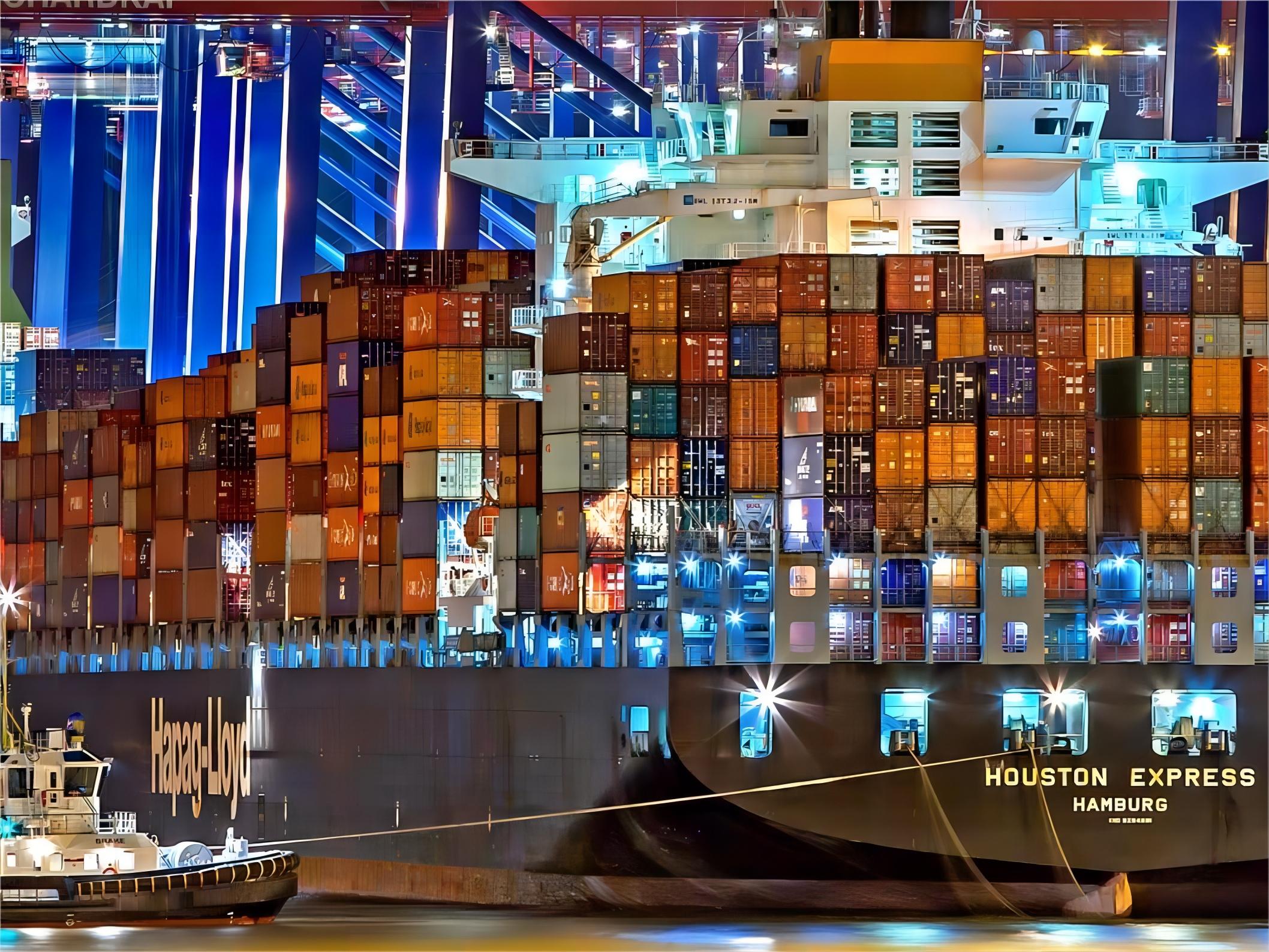
Importers in Belgium prefer FCL because it simplifies the handling process once the vessel arrives at major hubs like Antwerp. Therefore, you can expect a more predictable delivery schedule for your inventory management. Additionally, most sea freight carriers offer competitive rates for high-volume shipments on this specific trade lane.

Moreover, FCL allows for better control over the loading and sealing of the container at your supplier’s factory. Indeed, once the seal is applied in China, it remains intact until it reaches your warehouse in Belgium. This security feature is essential for high-value goods or fragile equipment that requires minimal handling.
What Are the Main Shipping Routes and Ports?
Major ports in China such as Shanghai, Ningbo, Shenzhen, and Qingdao serve as the primary gateways for Belgian trade. Meanwhile, the Port of Antwerp-Bruges stands as the second-largest port in Europe and the main entry point for Belgian cargo. Specifically, this port handles the vast majority of containerized traffic coming from East Asia due to its deep-water capabilities.
Zeebrugge also plays a vital role in the logistics network, particularly for automotive and specialized cargo handling. In addition, the connectivity between these ports and the Belgian hinterland is exceptional, featuring robust rail and road links. Therefore, your cargo can quickly reach cities like Brussels, Ghent, or Liege after clearing customs.
Transit times typically range from 30 to 40 days depending on the specific carrier and route chosen. However, direct services from Shanghai to Antwerp are generally the fastest options available in the current market. Selecting the right port of loading in China can also impact your total inland transportation costs significantly.
How Much Does Professional FCL shipping from China to Belgium Cost?
Freight rates fluctuate based on seasonal demand, fuel surcharges, and global economic conditions. For instance, peak season usually occurs from August to October as retailers prepare for the holiday rush. Consequently, you may see a 15-25 percent increase in ocean freight prices during these months.
As of early 2025, a 20GP container typically costs between 1,800 and 2,500 USD for this route. On the other hand, a 40HQ container might range from 3,000 to 4,200 USD depending on the carrier. Nevertheless, these prices are subject to change and should be verified with a current quote before booking.
Note: Freight rates are subject to change based on fuel costs, carrier capacity, and seasonal demand. Contact us for a current quote tailored to your specific shipment.
| Container Type | Average Cost (USD) | Capacity (CBM) | Best For |
|---|---|---|---|
| 20GP (Standard) | $1,800 – $2,500 | 33 CBM | Heavy or dense cargo |
| 40GP (Standard) | $2,800 – $3,800 | 67 CBM | Voluminous goods |
| 40HQ (High Cube) | $3,000 – $4,200 | 76 CBM | Large inventory loads |
Essential Documentation for Your Belgium Import
Proper documentation is the cornerstone of successful international logistics and customs compliance. Specifically, you must provide a Bill of Lading, a Commercial Invoice, and a detailed Packing List. Without these documents, your shipment will face significant delays at the Belgian border.
Furthermore, some products require a Certificate of Origin to benefit from preferential tariff treatments. Indeed, having all paperwork ready before the vessel arrives is the best way to avoid expensive demurrage charges. Additionally, working with an expert in customs brokerage ensures that your EORI number and VAT filings are handled correctly.
Belgium follows strict EU regulations regarding product safety and environmental standards. Therefore, you should ensure that your Chinese supplier provides any necessary CE certifications or technical data sheets. Failure to comply with these regulations can lead to cargo seizure or heavy fines from the Belgian authorities.
How Does FCL Compare to Other Shipping Options?
While FCL is the standard for large shipments, alternative methods like rail freight offer a middle ground between speed and cost. For example, rail transit from China to Belgium takes approximately 15 to 22 days, which is much faster than sea. However, rail costs are generally 30 to 50 percent higher than ocean freight for the same volume.
Air freight remains the fastest option, delivering goods in 5 to 7 days, but it is also the most expensive. Specifically, air shipping is usually reserved for high-value electronics or urgent medical supplies. In contrast, sea-based FCL remains the most economical choice for bulk commodities and general consumer goods.
Hybrid solutions, such as sea-air combinations, can sometimes provide a balance for time-sensitive cargo. Nevertheless, for the majority of Belgian importers, the reliability of FCL sea freight provides the best return on investment. You should evaluate your inventory turnover rate before deciding on the most suitable transportation mode.
| Shipping Method | Cost Range | Transit Time | Limitations |
|---|---|---|---|
| Sea FCL | Low ($2k-$4k) | 30-40 Days | Slower transit |
| Rail Freight | Medium ($5k-$8k) | 18-22 Days | Capacity limits |
| Air Freight | High ($15k+) | 5-7 Days | Weight restrictions |
| Sea LCL | Low ($50-$100/CBM) | 35-45 Days | Higher damage risk |
Which Option Should You Choose? Decision Framework
Budget priority is often the main driver for choosing sea-based FCL shipping. If your shipment volume exceeds 15 CBM, FCL becomes more cost-effective than LCL in almost every scenario. Consequently, high-volume businesses should almost always opt for full containers to maximize their profit margins.
Speed priority dictates a move toward rail or air options, especially during peak market fluctuations. If your cargo is valued over $50,000 and needs to reach the market quickly, the extra cost of air freight might be justified. However, for standard stock replenishment, the lower cost of sea freight is usually the winner.
Cargo type considerations also play a major role in your final decision. Fragile or hazardous materials often require the specialized handling and isolation that only FCL can provide. Additionally, if your cargo requires temperature control, refrigerated FCL containers (Reefers) are the only viable solution for the long journey from China.
Real-World Case Studies: China to Belgium
Case Study 1: Electronics Distribution. Route: Shanghai to Antwerp. Cargo: 40HQ container of smart home devices. Shipping Method: Sea FCL via major carrier. Total Landed Cost: $4,100. Timeline: 32 days total. Key Insight: Early booking during the off-peak season saved the client $600 compared to Q4 rates.
Case Study 2: Furniture Retailer. Route: Shenzhen to Zeebrugge. Cargo: 20GP container of office chairs. Shipping Method: Sea FCL. Total Landed Cost: $2,350. Timeline: 37 days door-to-door. Key Insight: Utilizing door to door services reduced the client’s internal logistics workload by 40 percent.
Case Study 3: Industrial Parts. Route: Ningbo to Antwerp. Cargo: 40GP container of machinery components. Shipping Method: Sea FCL. Total Landed Cost: $3,750. Timeline: 34 days. Key Insight: Smooth customs clearance was achieved by preparing all technical documentation two weeks before the ship arrived.
Strategies for Reducing Your Shipping Costs
Consolidating your orders from multiple suppliers into a single FCL container can save significant money. Instead of paying for multiple LCL shipments, you can use a local warehouse in China to gather all goods. Consequently, you reduce origin handling fees and simplify your documentation process.
Optimizing your packaging to fit more units into a 40HQ container is another effective strategy. Even a small reduction in box size can lead to hundreds of additional units per shipment. Furthermore, choosing a longer transit route with a transshipment point can sometimes lower the base ocean freight rate.
Negotiating long-term contracts with freight forwarders can provide stability in a volatile market. Indeed, shippers who commit to a certain volume per month often receive better rates than those booking on the spot market. Additionally, you should monitor fuel surcharges closely to understand how they impact your final invoice.
Navigating the European Logistics Landscape
Belgium serves as a central hub for the entire Europe region, making it an ideal location for distribution. Once your FCL container clears customs in Antwerp, it can reach major cities in Germany, France, and the Netherlands within hours. This strategic advantage is why many global brands choose Belgium as their primary entry point.
Moreover, the Belgian government offers various tax incentives for companies involved in international trade. For example, the VAT deferment system (ET 14.000) allows importers to avoid paying VAT at the moment of import. Instead, the VAT is accounted for in the periodic tax return, significantly improving cash flow for the business.
Ultimately, the success of your professional FCL shipping from China to Belgium depends on choosing a partner who understands these local nuances. From port regulations to last-mile delivery, every step must be coordinated with precision to avoid unnecessary costs. Investing in a professional logistics strategy today will pay dividends in your long-term supply chain efficiency.
Final Thoughts on FCL Shipping to Belgium
To summarize, professional FCL shipping from China to Belgium remains the most reliable and cost-effective method for bulk imports. By understanding the costs, documentation, and route options, you can make informed decisions that benefit your bottom line. Transitioning to a full container load strategy often provides the security and predictability that growing businesses require.
Whether you are shipping electronics, furniture, or industrial machinery, the Port of Antwerp-Bruges offers the infrastructure needed for success. Remember to stay updated on market trends and work closely with your freight forwarder to navigate any challenges. Start planning your next FCL shipment today to secure the best rates and transit times for your business.
Ready to streamline your logistics?
Ready to streamline your supply chain with professional FCL shipping from China to Belgium? Contact the experts at Top China Freight today for a customized quote and expert guidance on your next shipment. Our team is standing by to ensure your cargo arrives safely and on time. Send Inquiry to get started.
Request Quote