

40GP FCL Shipping Cost for Solar Panels from China to Europe: 2025 Guide
Navigating the 40GP FCL shipping cost for solar panels from China to Europe requires a deep understanding of current market dynamics and logistics efficiency. As the global demand for renewable energy surges, importers must optimize their supply chains to maintain competitive pricing. Partnering with a reliable expert like Top China Freight ensures that your solar modules arrive safely while minimizing unnecessary expenses.
Current Market Trends for Shipping Solar Panels to Europe
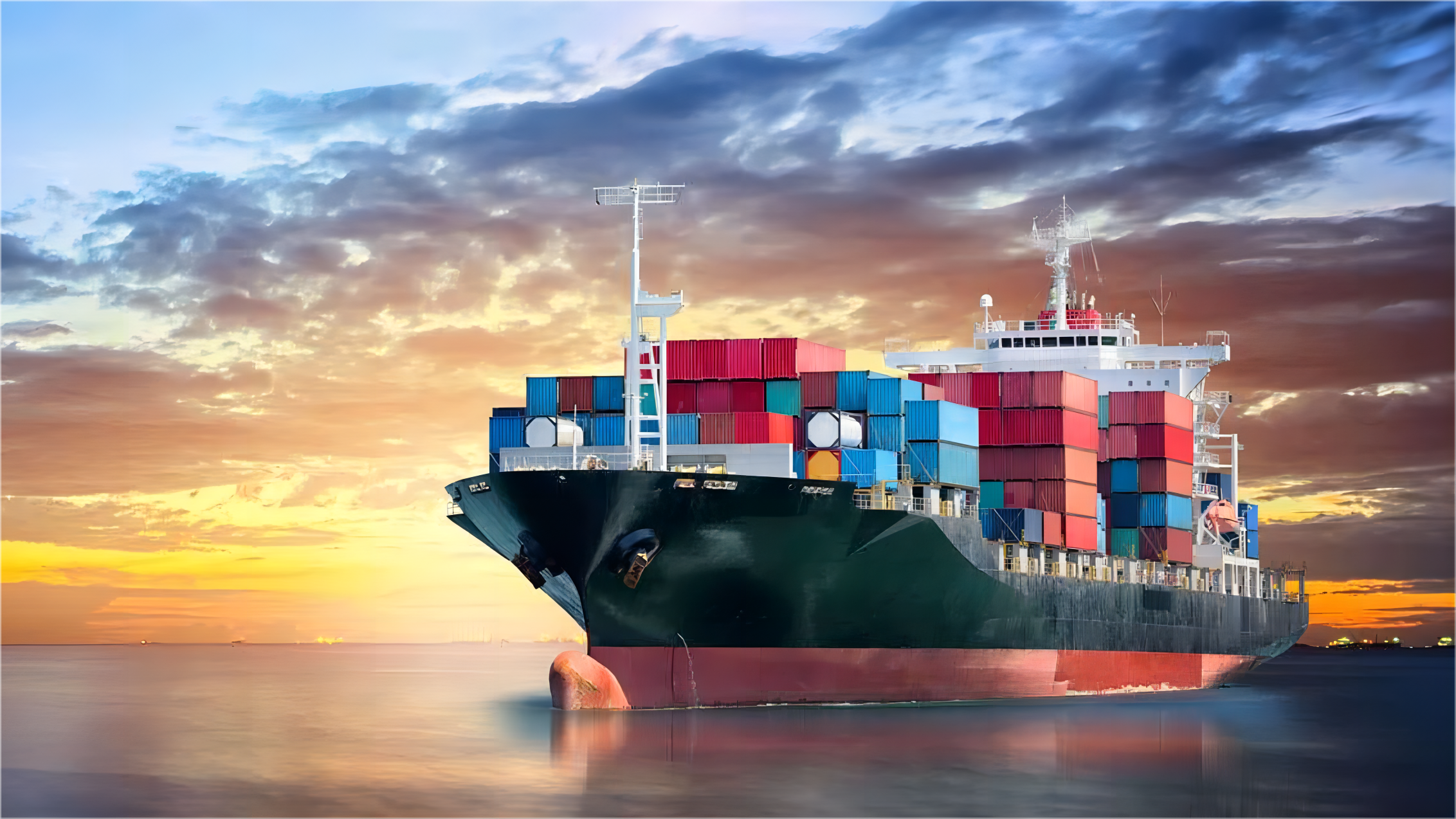
Global logistics patterns in early 2025 indicate a stabilization of freight rates after the volatility seen in previous years. Specifically, the shipping to Europe route has adapted to maritime shifts, resulting in more predictable scheduling for renewable energy components. Furthermore, the push for green energy in the European Union continues to drive high volumes of PV module imports from Chinese manufacturing hubs.
Consequently, carriers are prioritizing solar cargo due to its consistent demand and standardized packaging. Moreover, technological advancements in port handling have reduced loading times at major Chinese outlets like Shanghai and Ningbo. Importers should nevertheless remain aware of seasonal fluctuations that can impact the availability of 40GP containers during peak production months.
Key Factors Affecting 40GP FCL Shipping Cost for Solar Panels from China to Europe
Calculating the 40GP FCL shipping cost for solar panels from China to Europe involves several variables beyond the base ocean freight rate. Initially, the price is influenced by the Bunker Adjustment Factor (BAF), which accounts for fuel price volatility across the long maritime journey. Additionally, port congestion surcharges and seasonal peak season surcharges (PSS) can significantly alter the final invoice during the late summer months.
Selecting sea freight remains the most economical choice for high-volume solar projects despite these potential extra costs. Therefore, understanding the breakdown of origin and destination charges is essential for accurate budgeting. For instance, terminal handling charges (THC) and documentation fees are standard components that vary by port.
| Cost Component | Estimated Range (USD) | Frequency | Description |
|---|---|---|---|
| Ocean Freight | $2,800 – $3,800 | Per Container | Base rate for 40GP China to Europe |
| Origin THC | $150 – $250 | Per Shipment | Terminal handling at loading port |
| Bunker Surcharge | $200 – $400 | Variable | Fuel cost adjustment factor |
| Customs Entry | $100 – $200 | Per Entry | Filing import documentation |
How Does Sea Freight Compare to Other Shipping Options?
Comparing different transport modes is vital for optimizing the 40GP FCL shipping cost for solar panels from China to Europe based on your specific timeline. While ocean transport is the cheapest, rail freight offers a middle ground with faster transit times than sea but lower costs than air. Specifically, rail transport via the New Silk Road can deliver cargo to Central Europe in approximately 18 to 22 days.
In contrast, air freight is rarely used for full 40GP volumes due to the extreme expense involved in flying heavy solar panels. However, air transport serves as a critical emergency solution for small replacement parts or urgent project deadlines. Most large-scale solar farms rely exclusively on maritime FCL to keep the cost per kilowatt as low as possible.
| Shipping Method | Cost Range (40GP) | Transit Time | Best For |
|---|---|---|---|
| Sea Freight | $2,800 – $4,200 | 30 – 40 Days | Bulk solar module orders |
| Rail Freight | $5,500 – $7,500 | 18 – 25 Days | Urgent land-locked delivery |
| Air Freight | $25k – $40k+ | 3 – 7 Days | Emergency replacements |
| Sea-Air Hybrid | $8,000 – $12,000 | 15 – 20 Days | Balanced speed and cost |

Which Option Should You Choose for Your Solar Panel Import?
Selecting the right method depends largely on your project’s budget priority and the required delivery schedule. If your primary goal is to minimize the 40GP FCL shipping cost for solar panels from China to Europe, sea freight is the undisputed winner for large volumes. On the other hand, if you are facing tight contractual deadlines for a solar installation, the speed of rail might justify the higher price tag.
Volume thresholds also play a significant role in this decision-making process. For shipments exceeding 15 cubic meters, FCL is almost always more cost-effective and safer than Less than Container Load (LCL) options. Consequently, most professional importers wait to consolidate enough panels to fill a 40GP container before booking their shipment.
Required Documentation and Customs Brokerage
Documentation accuracy is a critical factor that can prevent expensive delays and additional storage fees at European ports. Professional customs brokerage services are essential for navigating the complex anti-dumping duties and VAT regulations applicable to solar panels. Specifically, you must provide a commercial invoice, packing list, bill of lading, and a certificate of origin.
Moreover, the CE marking and technical data sheets must be readily available to prove compliance with European safety standards. Failure to provide correct paperwork can result in the customs authorities holding your 40GP container for inspection. Therefore, verifying all documents before the ship leaves the Port of Loading is a vital step in the logistics chain.
| Document Name | Purpose | Issuer | Criticality |
|---|---|---|---|
| Bill of Lading | Title to the goods | Carrier | High |
| Commercial Invoice | Tax and duty valuation | Exporter | High |
| Packing List | Cargo verification | Exporter | High |
| Certificate of Origin | Trade agreement proof | Chamber of Commerce | Medium |
Real-World Case Studies for Solar Panel Shipments
Case Study 1: Large Scale Utility Project Route: Shanghai, China to Rotterdam, Netherlands Cargo: Monocrystalline Solar Panels, 22,000 kg Container: 40GP FCL Shipping Details: – Carrier: COSCO Shipping – Port of Loading: Shanghai – Port of Discharge: Rotterdam – Route Type: Direct Cost Breakdown: – Ocean Freight: $3,250 – Origin Charges: $210 – Destination Charges: $350 – Customs and Duties: $450 (Estimated) – Total Landed Cost: $4,260 Timeline: – Booking to Loading: 5 days – Sea Transit: 34 days – Customs Clearance: 2 days – Total Door-to-Door: 41 days Key Insight: Early booking during the off-peak season saved approximately 15 percent on the base freight rate.
Case Study 2: Urgent Distribution Inventory Route: Shenzhen, China to Hamburg, Germany Cargo: Residential Solar Inverters and Panels, 19,500 kg Container: 40GP FCL Shipping Details: – Carrier: Maersk Line – Port of Loading: Shenzhen – Port of Discharge: Hamburg – Route Type: Transshipment via Singapore Cost Breakdown: – Ocean Freight: $3,550 – Origin Charges: $240 – Destination Charges: $380 – Customs and Duties: $520 (Estimated) – Total Landed Cost: $4,690 Timeline: – Booking to Loading: 4 days – Sea Transit: 38 days – Customs Clearance: 3 days – Total Door-to-Door: 45 days Key Insight: Using a transshipment route provided more flexible scheduling during a period of high direct-route demand.

Maximizing Efficiency with Door to Door Logistics
Implementing a door to door strategy can significantly simplify the management of your 40GP FCL shipping cost for solar panels from China to Europe. This comprehensive service covers everything from the factory pickup in China to the final delivery at your warehouse in Europe. Consequently, it removes the burden of coordinating multiple logistics providers and reduces the risk of communication errors.
Actually, many importers find that the total cost of a door-to-door package is lower than managing each leg individually. This is because freight forwarders can leverage their volume discounts across trucking, shipping, and customs services. Furthermore, having a single point of contact provides better visibility and tracking throughout the entire transit process.
How to Reduce Your 40GP FCL Shipping Cost for Solar Panels from China to Europe
Reducing your total expenditure requires a proactive approach to shipping schedules and container utilization. Initially, try to avoid shipping during the Golden Week in October or the Chinese New Year, as rates typically spike during these periods. Moreover, ensuring that your solar panels are packed efficiently allows you to maximize the internal volume of the 40GP container.
Negotiating long-term contracts with freight forwarders can also provide more stable pricing throughout the year. Additionally, choosing ports that are less congested may help you avoid unexpected demurrage and detention fees. Reliability in your supply chain is often just as important as the initial freight quote when calculating the final landed cost.
Final Thoughts on Solar Panel Shipping Costs
Managing the 40GP FCL shipping cost for solar panels from China to Europe is a multifaceted task that requires attention to detail and market awareness. By understanding the factors that influence freight rates and choosing the right shipping method, you can significantly improve your profit margins. Whether you prioritize speed via rail or cost-efficiency via sea, having a knowledgeable partner is the key to success.
Ultimately, the goal is to ensure a seamless flow of renewable energy products into the European market. As logistics trends continue to evolve in 2025, staying informed about pricing and documentation will keep your business competitive. Note: Freight rates are subject to change based on fuel costs, carrier capacity, and seasonal demand. Contact us for a current quote tailored to your specific shipment.
Ready to streamline your logistics?
Are you looking to optimize your 40GP FCL shipping cost for solar panels from China to Europe? Contact the experts at Top China Freight today for a customized quote that meets your budget and timeline requirements. Our team is ready to help you navigate the complexities of international solar logistics with ease. Visit our website to Send Inquiry and start your shipping journey today.
Request Quote