

Open Top FCL detention prevention for electronics from China to Los Angeles
Managing international logistics requires a deep understanding of equipment types and port regulations. Specifically, Top China Freight provides specialized solutions for businesses moving delicate high-tech goods across the Pacific. Achieving effective Open Top FCL detention prevention for electronics from China to Los Angeles is essential for maintaining a healthy bottom line in today’s competitive market.

What is Open Top FCL Shipping for Electronics?
Open top containers feature a removable tarpaulin roof instead of a solid top. This design facilitates the loading of oversized electronics that cannot fit through standard container doors.
Moreover, these units are ideal for tall machinery, server racks, or delicate semiconductor equipment. Using sea freight with open top equipment requires specialized handling to ensure cargo safety.
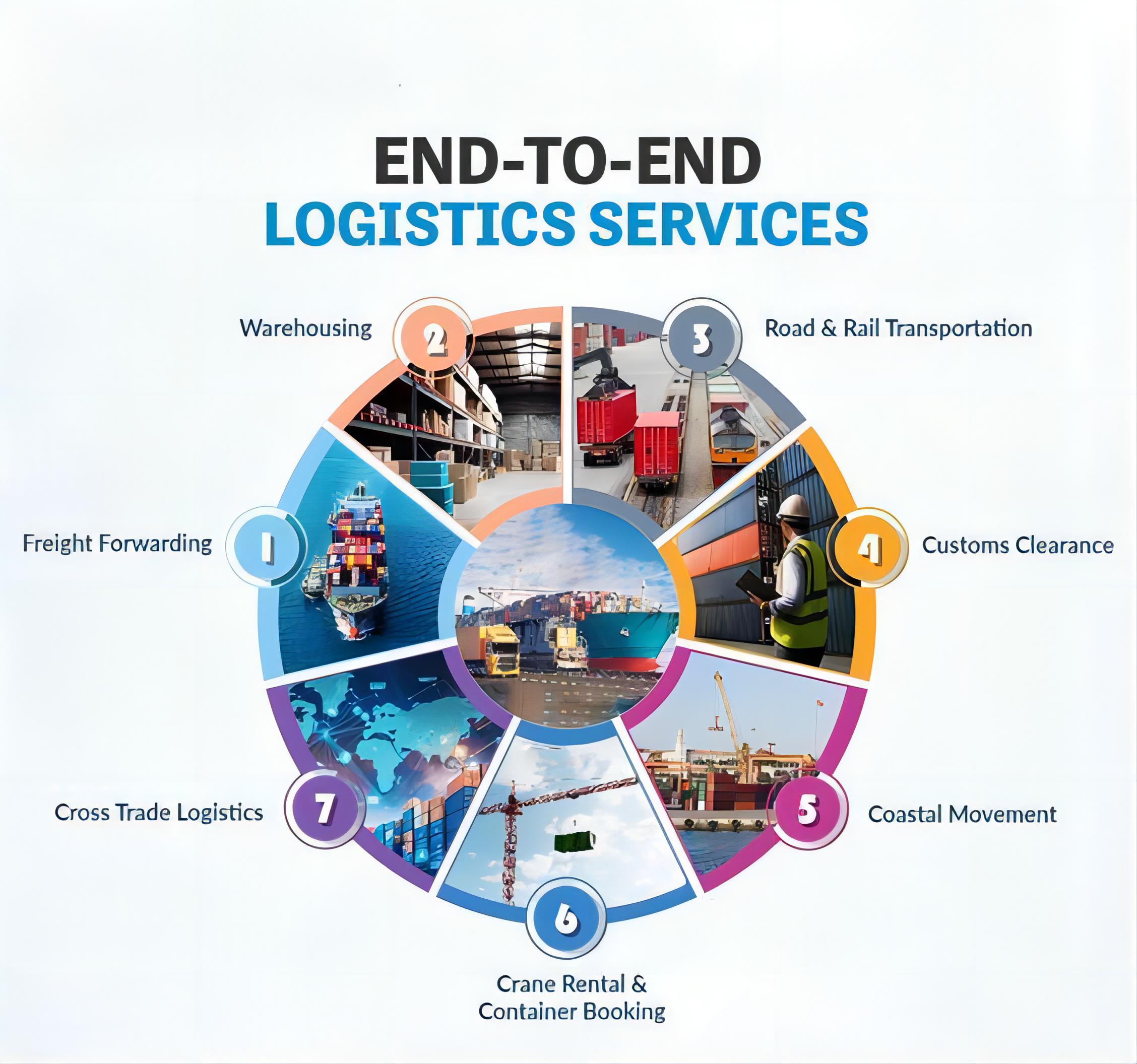
Consequently, shippers must account for the out of gauge cargo handling requirements that come with these unique containers. Electronics often require extra protection from moisture and vibration during the long transpacific journey.
Furthermore, open top containers are often in high demand and short supply. Therefore, booking your equipment well in advance is a fundamental step in avoiding logistics bottlenecks.
Why is Open Top FCL detention prevention for electronics from China to Los Angeles Critical?
Detention fees accumulate quickly when a container remains outside the port terminal beyond the agreed free time. For high-value electronics, these costs can erode profit margins almost overnight.
Specifically, the Port of Los Angeles often faces congestion that complicates the return of empty specialized equipment. If you do not have a clear plan for Open Top FCL detention prevention for electronics from China to Los Angeles, you may face thousands of dollars in surcharges.
Additionally, electronics components often have strict delivery windows to meet production schedules. Delays in returning containers not only cost money but also disrupt the entire distribution network.
Indeed, managing the equipment lifecycle from the moment it leaves the terminal is the only way to ensure cost-effectiveness.
Common Causes of Detention for OOG Cargo in Los Angeles
Congestion at the Los Angeles and Long Beach port complex remains a primary driver of equipment delays. When terminals are full, truckers often struggle to secure appointments for returning empty open top units.
Meanwhile, a lack of specialized chassis can prevent the timely movement of out of gauge cargo. If the specialized trailer is not available, the container sits idle, and the detention clock keeps ticking.
In addition, documentation errors often lead to customs holds. Without expert customs brokerage, your high-value electronics might be flagged for inspection, delaying the entire process.
Furthermore, many importers fail to coordinate with their warehouse teams regarding the specific unloading requirements of open top containers. This lack of internal communication often results in the equipment staying on-site longer than necessary.
| Equipment Type | Average Free Time | Daily Detention Fee | Total Fee (5 Days Late) |
|---|---|---|---|
| Standard 40HQ | 4-7 Days | $150 – $250 | $750 – $1,250 |
| Open Top 40OT | 3-5 Days | $250 – $450 | $1,250 – $2,250 |
| Flat Rack | 3-5 Days | $300 – $500 | $1,500 – $2,500 |
| Reefer Container | 2-4 Days | $350 – $600 | $1,750 – $3,000 |

How Does Open Top FCL Compare to Other Shipping Options?
Evaluating your shipping method is vital for optimizing costs. While open top containers are necessary for certain heights, other options might be more flexible.
For instance, air freight offers the fastest transit but at a significantly higher price point. It is usually reserved for the most urgent or highest-value electronic components.
On the other hand, standard 40HQ containers are more affordable and easier to manage if the cargo can be disassembled. However, the labor costs of disassembly and reassembly must be factored into the decision.
Ultimately, the choice depends on the physical dimensions of the electronics and the urgency of the delivery schedule.
| Method | Cost Range | Transit Time | Best For |
|---|---|---|---|
| Open Top FCL | $3,500 – $5,500 | 14 – 22 Days | Oversized/Tall Machinery |
| Standard FCL | $2,500 – $3,800 | 14 – 18 Days | General Electronics |
| Air Freight | $15,000 – $25,000 | 3 – 7 Days | Urgent/High-Value Parts |
| LCL Shipping | $50 – $150/CBM | 18 – 25 Days | Small Volume Shipments |
Strategies for Open Top FCL detention prevention for electronics from China to Los Angeles
Securing extended free time during the negotiation phase is the most effective preventative measure. Large volume shippers can often negotiate 10 to 14 days of combined demurrage and detention.
Moreover, implementing real-time supply chain visibility for heavy equipment allows you to track the container’s exact location. Knowing when the ship docks helps you coordinate drayage services immediately.
Specifically, utilizing door to door services can simplify the transition from the port to the final destination. A single provider managing the entire chain reduces the risk of communication gaps.
Subsequently, ensure your warehouse is prepared with the necessary cranes or overhead lifting equipment. If the unloading team is ready before the container arrives, you can return the empty unit within 24 hours.
Case Study 1: Large Server Racks from Shenzhen to LA
Route: Shenzhen, China to Los Angeles, USA. Cargo: 12 Industrial Server Racks, 28 CBM, 8,500 kg. Container: 40HQ Open Top.
Shipping Details: Carrier: Major Carrier. Port of Loading: Yantian. Port of Discharge: Los Angeles. Route Type: Direct.
Cost Breakdown: Ocean Freight: $4,200. Origin Charges: $450. Destination Charges: $600. Customs and Duties: $1,200. Total Landed Cost: $6,450.
Timeline: Booking to Loading: 5 days. Sea Transit: 16 days. Customs Clearance: 2 days. Total Door-to-Door: 23 days.
Key Insight: By pre-booking a specialized tilt-bed chassis, the importer avoided a three-day delay that would have cost $900 in detention fees. Based on Q4 2024 market rates.
Case Study 2: Semiconductor Manufacturing Equipment from Shanghai
Route: Shanghai, China to Los Angeles, USA. Cargo: Precision Lithography Parts, 15 CBM, 4,200 kg. Container: 20GP Open Top.
Shipping Details: Carrier: Premium Service. Port of Loading: Shanghai. Port of Discharge: Los Angeles. Route Type: Direct.
Cost Breakdown: Ocean Freight: $3,100. Origin Charges: $400. Destination Charges: $550. Customs and Duties: $2,500. Total Landed Cost: $6,550.
Timeline: Booking to Loading: 4 days. Sea Transit: 15 days. Customs Clearance: 1 day. Total Door-to-Door: 20 days.
Key Insight: The use of an automated tracking system allowed the drayage company to pick up the container within 4 hours of discharge. Typical rates as of early 2025.
Decision Framework: Which Option Should You Choose?
Budget priority: If cost is your primary concern, consider standard FCL if the electronics can be safely tilted or slightly disassembled. This avoids the surcharge associated with open top equipment.
Speed priority: For time-sensitive launches, air freight is the only viable solution despite the high cost. However, for most bulk electronics, sea freight remains the industry standard.
Cargo type considerations: If the electronics exceed 2.5 meters in height, an open top container is mandatory. Attempting to fit oversized cargo into a standard unit can lead to damage and insurance claim denials.
Volume thresholds: For shipments under 15 CBM, Amazon FBA or LCL services might be more economical than a full open top container. Always compare the total landed cost before booking.
Managing the Last Mile and Container Return
Coordinating the return of the empty container is often the most overlooked step in the logistics process. In Los Angeles, specific terminals only accept certain equipment types at designated times.
Therefore, your trucking partner must have a strong relationship with the port operators. They can often find ‘dual transactions’ where they drop off an empty and pick up a full container in one trip.
Additionally, keep a digital log of all Gate-In and Gate-Out timestamps. This documentation is vital if you need to dispute unfair detention charges from the carrier.
Without a doubt, proactive management of the drayage process is the final piece of the Open Top FCL detention prevention for electronics from China to Los Angeles puzzle.
Summary of Open Top FCL detention prevention for electronics from China to Los Angeles
Successfully navigating the complexities of transpacific shipping requires a combination of strategic planning and local expertise. By focusing on Open Top FCL detention prevention for electronics from China to Los Angeles, importers can significantly reduce their logistics overhead.
Remember to negotiate free time early, maintain constant communication with your drayage provider, and ensure all customs documentation is flawless. These steps will safeguard your electronics and your profits.
Note: Freight rates are subject to change based on fuel costs, carrier capacity, and seasonal demand. Contact us for a current quote tailored to your specific shipment.

Ready to streamline your logistics?
Ensure your high-value electronics arrive safely and on time without the burden of unexpected fees. Contact our logistics experts today for a customized quote on your next shipment. Visit our inquiry page to get started. See: Send Inquiry
Request Quote