


Reefer FCL shipping from China to Texas: A Comprehensive Guide
Managing Reefer FCL shipping from China to Texas requires precision and expertise to ensure temperature-sensitive cargo arrives in perfect condition. Many importers struggle with spoilage risks and complex logistics, but partnering with Top China Freight provides a reliable solution for your supply chain needs. This guide explores everything from port selection to cost-saving strategies for your refrigerated containers.
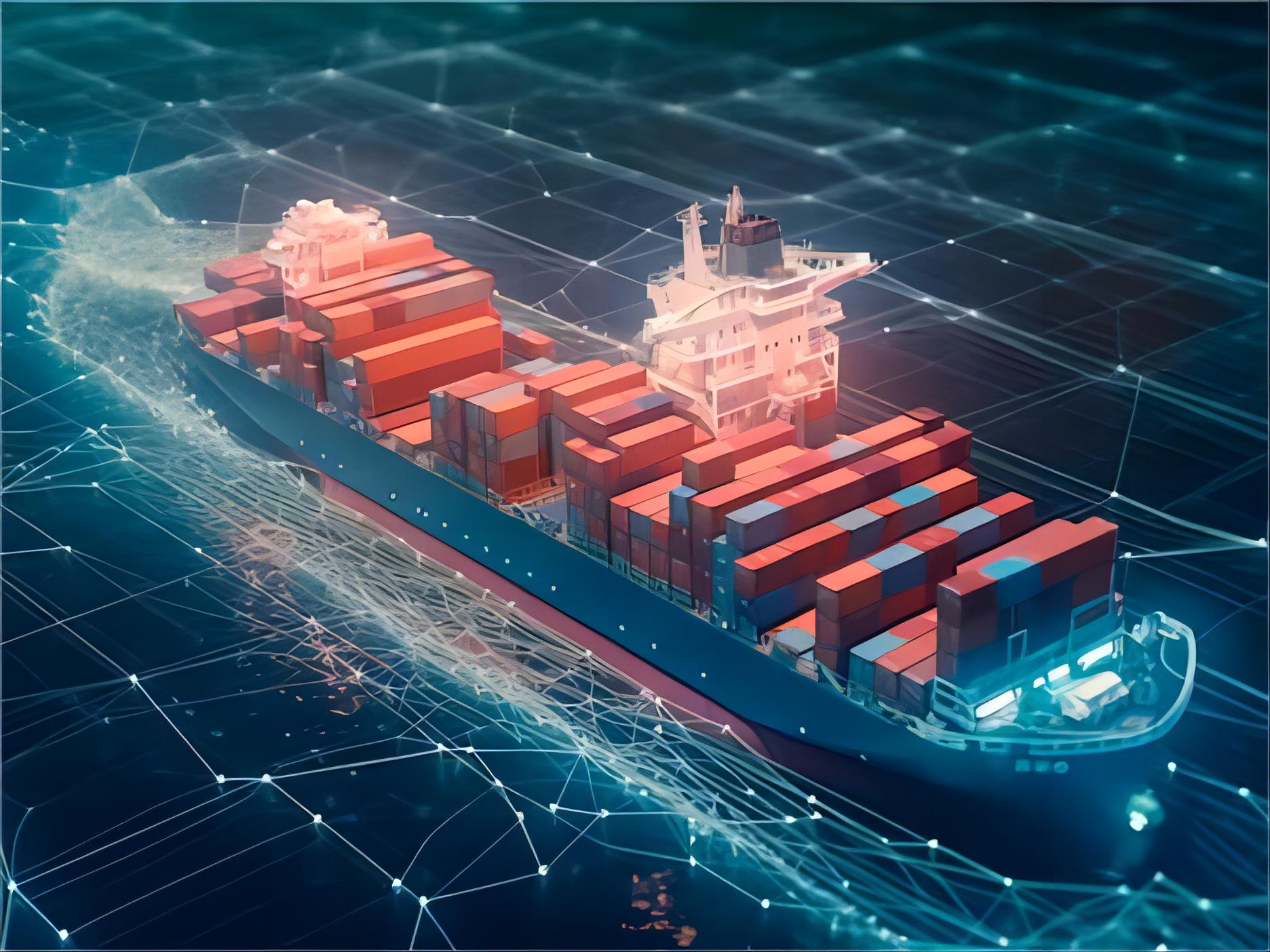
What is Reefer FCL shipping from China to Texas?
Reefer FCL shipping involves using a Full Container Load that is specifically designed to maintain a controlled temperature throughout the journey. Specifically, these containers act like large mobile refrigerators that protect perishable goods such as frozen seafood, fresh produce, and pharmaceuticals.
Choosing sea freight for these shipments is the most economical method for large volumes. Consequently, businesses can move tons of temperature-controlled products across the Pacific Ocean while keeping costs manageable.
Texas serves as a major gateway for the Southern United States, making it a strategic destination for Chinese exports. Therefore, understanding the mechanics of refrigerated shipping is vital for any business dealing with sensitive inventory.
Why Choose Reefer FCL for Temperature-Sensitive Cargo?
Reliability remains the primary reason importers prefer FCL over other methods for cold chain logistics. Furthermore, having a dedicated container means your goods are not exposed to the ambient air during the consolidation or deconsolidation process.
Shipping to North America involves long transit times that require consistent power supply for the cooling units. Indeed, modern reefer units provide real-time tracking and temperature logging to ensure compliance with safety standards.
Moreover, the scale of FCL allows for better airflow around the pallets compared to smaller shipments. This improved circulation prevents hot spots within the container that could lead to localized spoilage of the cargo.
Key Ports and Transit Times for Texas-Bound Reefer Containers
Selecting the right port of entry is a critical decision that impacts both your budget and your delivery schedule. Most Reefer FCL shipping from China to Texas arrives at the Port of Houston due to its extensive cold storage infrastructure.
Transit times typically range from 30 to 45 days depending on the specific route and carrier. For instance, direct services from Shanghai are usually faster than transshipment routes through Southeast Asian hubs.
Additionally, some shipments might enter through West Coast ports like Long Beach and travel by rail to Texas. However, for refrigerated goods, a direct sea route to the Gulf Coast often minimizes handling risks.
| Origin Port | Destination Port | Average Transit Time | Service Type |
|---|---|---|---|
| Shanghai | Houston | 32-35 Days | Direct |
| Shenzhen | Houston | 35-38 Days | Transshipment |
| Ningbo | Freeport | 34-37 Days | Direct |
| Qingdao | Houston | 38-42 Days | Transshipment |
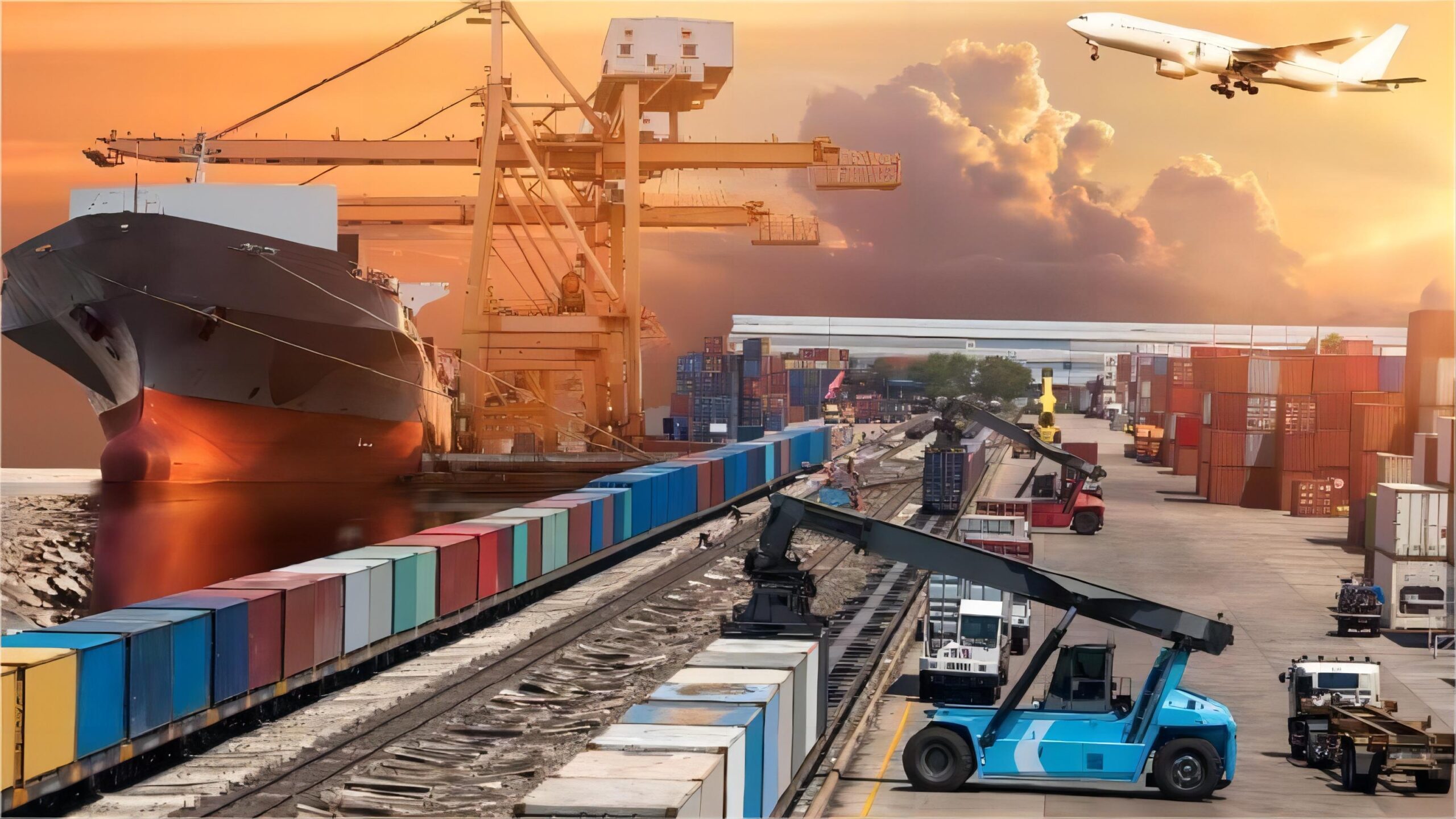
Understanding Costs for Reefer FCL shipping from China to Texas
Pricing for refrigerated containers is significantly higher than standard dry containers because of the specialized equipment and electricity requirements. Specifically, you must account for the ocean freight, fuel surcharges, and plug-in fees at the terminals.
Navigating customs brokerage requirements also adds to the total landed cost. Consequently, importers should prepare for inspection fees that are common with food and medical shipments.
Market rates fluctuate based on seasonal demand, especially during the harvest seasons in China. Therefore, securing a contract or getting updated quotes is essential for accurate budgeting.
| Container Type | Ocean Freight Range | Surcharges | Total Estimate |
|---|---|---|---|
| 20ft Reefer (20RF) | $4,500 – $6,000 | $800 – $1,200 | $5,300 – $7,200 |
| 40ft Reefer (40RF) | $6,500 – $8,500 | $1,200 – $1,800 | $7,700 – $10,300 |
| 40ft High Cube (40RHQ) | $7,000 – $9,500 | $1,200 – $2,000 | $8,200 – $11,500 |
How Does Reefer FCL Compare to Other Shipping Options?
Evaluating alternatives is a necessary step for optimizing your logistics strategy. While Reefer FCL shipping from China to Texas is the standard, some scenarios might call for air freight or LCL solutions.
Air freight offers unmatched speed but at a cost that is often ten times higher than sea transport. On the other hand, Reefer LCL is rarely available and carries a much higher risk of temperature fluctuations during consolidation.
Hybrid solutions, such as sea-air via California, can sometimes bridge the gap between cost and speed. Nevertheless, for the majority of Texas importers, the direct FCL route remains the most reliable balance of price and safety.
| Method | Cost Level | Transit Time | Cargo Safety |
|---|---|---|---|
| Reefer FCL | Moderate | 30-40 Days | Highest |
| Air Freight | Very High | 3-7 Days | High |
| Reefer LCL | High (per CBM) | 35-45 Days | Moderate |
| Sea-Air | High | 15-20 Days | Moderate |
Real Case Studies: Successful Reefer Shipments
Reviewing real-world examples helps illustrate the complexities and successes of this shipping route. Below are two scenarios based on typical shipments handled in late 2024.
Case Study 1: Frozen Seafood from Qingdao to Houston. A Texas distributor imported a 40RHQ of frozen tilapia. By utilizing a direct carrier service, they avoided transshipment delays, ensuring the cargo remained at a constant -18 degrees Celsius throughout the 34-day voyage. The total landed cost was approximately $9,800 including customs clearance.
Case Study 2: Organic Chemicals from Shanghai to Port of Freeport. This shipment required a strict +5 degree Celsius environment. Despite a 3-day delay at the Panama Canal, the reefer’s advanced monitoring system allowed the importer to verify the integrity of the chemicals upon arrival. The use of door to door service simplified the final mile delivery to a warehouse in Pearland.
Essential Documentation for Cold Chain Imports
Proper paperwork is the backbone of a successful import operation. Specifically, you must provide a Bill of Lading, Commercial Invoice, and a Packing List that clearly states the required temperature settings.
Health certificates and phytosanitary certificates are mandatory for most food items entering the United States. Furthermore, failing to provide these documents can lead to immediate seizure of the goods by Customs and Border Protection.
Importers should also maintain a detailed temperature log from the point of origin. This data serves as vital evidence in the event of an insurance claim regarding cargo damage or spoilage.
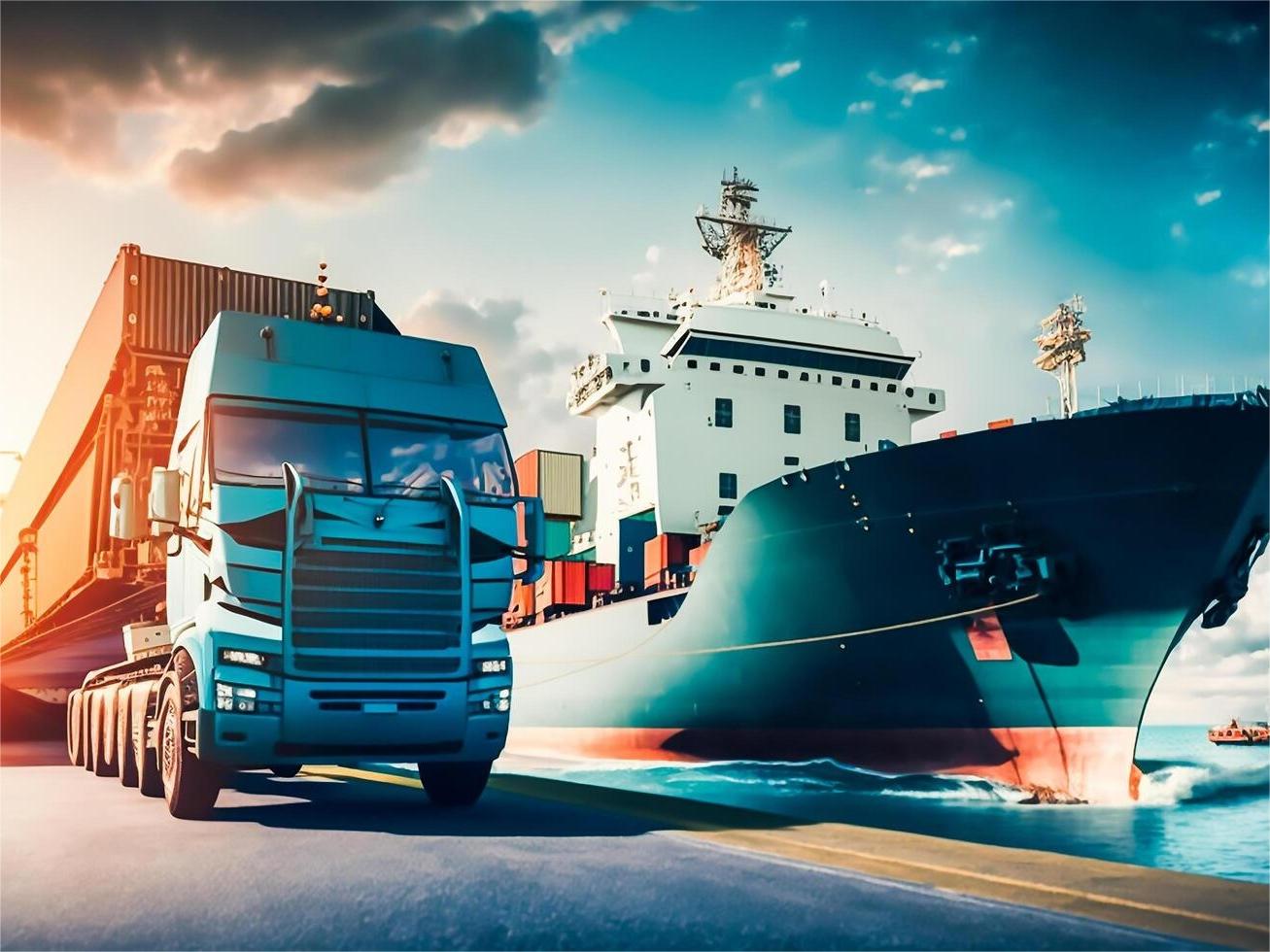
Which Shipping Option Should You Choose?
Determining the best approach depends on your specific business priorities. If your primary concern is the lowest possible cost per unit, then a 40RHQ container on a slow-steaming service is the best choice.
Conversely, if you are dealing with high-value pharmaceuticals with short shelf lives, air freight might be the only viable option despite the expense. Most Texas businesses find that a 20RF or 40RF container provides the necessary protection for bulk shipments.
Always consider the total volume of your shipment before deciding. For volumes over 15 cubic meters, FCL is almost always more cost-effective than attempting to find a refrigerated LCL provider.
Final Thoughts on Cold Chain Logistics to Texas
Successfully executing Reefer FCL shipping from China to Texas requires a blend of technical knowledge and reliable partnerships. By understanding the costs, transit times, and documentation needs, you can protect your inventory and your bottom line.
Texas continues to grow as a logistics powerhouse, offering excellent infrastructure for refrigerated goods. Whether you are shipping seafood, fruit, or medicine, the FCL route provides the security and consistency needed for long-haul international trade.
As market trends evolve, staying informed about freight rates and port conditions will remain a competitive advantage for your business. Partnering with an experienced freight forwarder ensures that your Reefer FCL shipping from China to Texas is handled with the highest level of care.
Ready to streamline your logistics?
Ensure your temperature-sensitive cargo remains safe and compliant with our expert logistics solutions. Contact us today to receive a customized quote for your next Reefer FCL shipping from China to Texas. Visit our website to speak with a specialist and streamline your cold chain operations. Send Inquiry
Request Quote