


Open Top FCL container shortage solution for auto parts from China to New York
Navigating the complexities of international logistics often reveals significant hurdles for automotive importers. Specifically, finding an Open Top FCL container shortage solution for auto parts from China to New York has become a top priority for businesses handling oversized components. At Top China Freight, we specialize in overcoming these equipment imbalances to keep your supply chain moving efficiently.
Why is there an Open Top FCL container shortage?
Global trade imbalances frequently lead to a scarcity of specialized equipment at major Asian export hubs. Because open top containers are essential for loading heavy or tall auto parts via crane, their demand often exceeds the available supply in cities like Shanghai and Ningbo.
Equipment repositioning costs also contribute to this ongoing challenge for logistics providers. Carriers often prioritize standard dry vans because they are easier to manage and rotate through global circuits. Consequently, automotive importers must plan several weeks in advance to secure the necessary specialized containers for their New York-bound cargo.
Furthermore, recent shifts in manufacturing volumes have strained the availability of 20-foot and 40-foot open top units. This equipment shortage can lead to significant delays in shipping schedules if alternative strategies are not implemented immediately. Without a doubt, understanding the root causes of these shortages helps businesses develop more resilient procurement strategies.

Open Top FCL container shortage solution for auto parts from China to New York
Implementing a multi-pronged approach is the most effective way to secure space during equipment crunches. We recommend utilizing sea freight experts who have direct contracts with multiple carriers to increase your chances of equipment allocation. Moreover, considering alternative ports of loading can often bypass local equipment deficits in high-traffic zones.
Another viable strategy involves the use of Flat Rack containers as a substitute for open top units. While flat racks require different lashing techniques, they provide the necessary overhead clearance for bulky engine blocks or chassis components. Therefore, flexibility in equipment selection remains a cornerstone of a successful logistics plan.
Additionally, some shippers choose to dismantle larger components to fit into standard 40HQ containers. Although this adds labor costs at the origin, it significantly reduces the reliance on rare specialized equipment. Indeed, this method often results in faster transit times because standard containers are readily available at all major Chinese ports.
How Does Open Top Shipping Compare to Other Options?
Comparing different transport modes is essential for optimizing your landed costs and delivery speed. While sea freight is the traditional choice for heavy auto parts, air freight remains a critical fallback for urgent assembly line requirements. Nevertheless, the cost difference between these methods is substantial and requires careful budget analysis.
Importers must weigh the benefits of specialized containers against the speed of roll-on roll-off (RORO) services. RORO is often more suitable for fully assembled vehicles or very large frames that do not require a container. However, for high-value auto parts, the protection offered by an FCL shipment is usually preferred.
| Shipping Method | Cost Range | Transit Time | Best For |
|---|---|---|---|
| Open Top FCL | $4,800 – $6,500 | 30-35 Days | Oversized Parts |
| Flat Rack | $5,200 – $7,000 | 32-38 Days | Out-of-Gauge |
| Standard 40HQ | $4,200 – $5,500 | 28-32 Days | Standard Parts |
| Air Freight | $12,000+ | 5-8 Days | Urgent Spares |
Navigating Customs Brokerage for Automotive Imports
Clearing customs in New York requires meticulous documentation, especially for automotive components subject to specific safety standards. Utilizing a professional customs brokerage service ensures that your HTS codes are accurate and that you comply with all US Customs and Border Protection regulations. Consequently, this prevents costly storage fees and examination delays at the Port of New York and New Jersey.
Importers should also be aware of the Section 301 tariffs that may apply to certain auto parts manufactured in China. These additional duties can significantly impact your total landed cost, making accurate classification more important than ever. In addition, providing detailed packing lists and commercial invoices is vital for a smooth clearance process.
Note: Freight rates and customs duties are subject to change based on fuel costs, carrier capacity, and seasonal demand. Contact us for a current quote tailored to your specific shipment.
| Document Type | Required For | Issuer | Criticality |
|---|---|---|---|
| Bill of Lading | All Shipments | Carrier | High |
| Commercial Invoice | Customs Value | Exporter | High |
| Packing List | Cargo Detail | Exporter | Medium |
| EPA Form 3520-1 | Engines | Importer | High |
Door to Door Logistics for New York Auto Part Importers
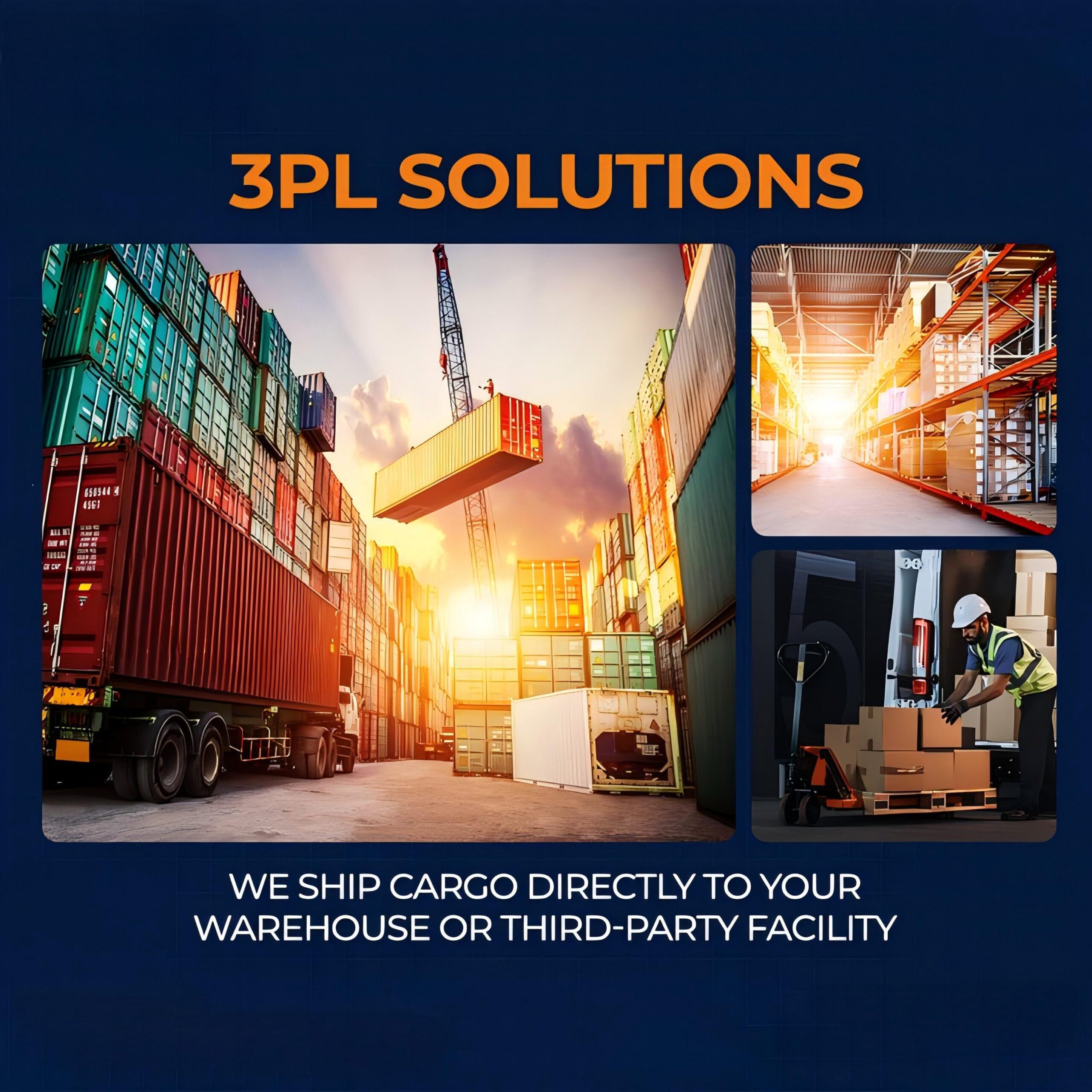
Streamlining your supply chain often involves choosing a door to door service provider. This model simplifies the process by managing everything from the factory pickup in China to the final delivery at your warehouse in New York. Accordingly, you can focus on your core business while logistics professionals handle the complexities of the Open Top FCL container shortage solution for auto parts from China to New York.
Reliable trucking partners in the New York metropolitan area are essential for the final leg of the journey. Since oversized containers often require specialized chassis, your logistics provider must coordinate these assets well in advance of the vessel’s arrival. Meanwhile, real-time tracking allows you to manage inventory levels with greater precision.
Transitioning to a single-source logistics provider also reduces the risk of communication gaps between different service tiers. For instance, having one point of contact for both the ocean freight and the local drayage ensures that any delays are communicated and mitigated promptly. In contrast, managing multiple vendors often leads to confusion and increased administrative overhead.
Realistic Case Studies for China to New York Routes
Case Study 1: Large Engine Block Shipment Route: Shanghai, China to New York, USA Cargo: Cast iron engine blocks, 22 CBM, 18,000 kg Container: 20ft Open Top (Substituted with Flat Rack due to shortage) Shipping Details: – Carrier: COSCO – Port of Loading: Shanghai – Port of Discharge: New York (Maher Terminals) – Route Type: Direct via Panama Canal Cost Breakdown: – Ocean Freight: $5,100 – Origin Charges: $450 – Destination Charges: $850 – Customs and Duties: $1,200 – Total Landed Cost: $7,600 Timeline: – Booking to Loading: 10 days – Sea Transit: 32 days – Customs Clearance: 2 days – Total Door-to-Door: 44 days Key Insight: Switching to a Flat Rack saved 14 days of waiting for an Open Top unit.
Case Study 2: High-Volume Chassis Components Route: Ningbo, China to New York, USA Cargo: Steel chassis frames, 55 CBM, 12,000 kg Container: 40ft Open Top Shipping Details: – Carrier: MSC – Port of Loading: Ningbo – Port of Discharge: Port Newark – Route Type: Transshipment via Singapore Cost Breakdown: – Ocean Freight: $6,200 – Origin Charges: $500 – Destination Charges: $900 – Customs and Duties: $2,100 – Total Landed Cost: $9,700 Timeline: – Booking to Loading: 15 days – Sea Transit: 38 days – Customs Clearance: 3 days – Total Door-to-Door: 56 days Key Insight: Advance booking during peak season (Q3 2024) secured the only available OT unit in the region.
Which Option Should You Choose for Your Auto Parts?
Choosing the right method depends largely on your budget, timeline, and cargo dimensions. If budget is your primary concern and your parts can be safely dismantled, standard shipping to North America in high-cube containers is the most economical choice. However, for non-standard items that require overhead loading, the open top or flat rack options are necessary.
Speed priority dictates a move toward air freight or expedited sea services with guaranteed equipment allocation. Although these options carry a premium price, they prevent costly production shutdowns in the New York automotive sector. To summarize, your decision framework should prioritize the total landed cost and the reliability of the equipment supply.
Market data suggests that rates typically increase by 15-25 percent during the August to October peak season. Therefore, securing your Open Top FCL container shortage solution for auto parts from China to New York during the off-peak months can lead to significant savings. Always consult with a freight forwarder to assess the current market intelligence before finalizing your shipping plans.
Final Thoughts on Managing Specialized Container Shortages
Securing specialized equipment in a volatile market requires a combination of foresight, flexibility, and expert partnerships. By understanding the causes of equipment imbalances and exploring alternative container types like flat racks, importers can maintain a steady flow of goods. Moreover, the right Open Top FCL container shortage solution for auto parts from China to New York involves balancing transit times with landed costs.
As logistics trends continue to evolve in 2025, staying informed about port conditions and carrier capacity will remain vital. Whether you choose sea freight, air freight, or a hybrid solution, working with a dedicated logistics partner ensures your automotive parts arrive safely and on schedule. Ultimately, proactive planning is the most effective tool for overcoming the challenges of specialized container shortages.
Ready to streamline your logistics?
Are you struggling to find specialized equipment for your next shipment? Contact our experts today to secure a reliable Open Top FCL container shortage solution for auto parts from China to New York. Visit our website to request a customized quote and streamline your logistics
Request Quote