20GP FCL booking process for machinery from China to Europe: Expert Logistics Guide
Navigating the 20GP FCL booking process for machinery from China to Europe requires meticulous planning and a deep understanding of international logistics. Many importers face challenges with equipment safety and fluctuating freight rates during this complex journey. Fortunately, Top China Freight offers the expertise needed to streamline your supply chain and ensure timely delivery of your industrial equipment.
What is the 20GP FCL booking process for machinery from China to Europe?
The 20GP FCL booking process for machinery from China to Europe begins with identifying the correct container specifications for your specific equipment. Consequently, you must verify that your machinery dimensions fit within the standard internal height and width of a twenty-foot general purpose container.
Moreover, the process involves coordination between the manufacturer, the freight forwarder, and the shipping line to secure space on a vessel. Therefore, early booking is essential to avoid delays during peak shipping seasons or equipment shortages.
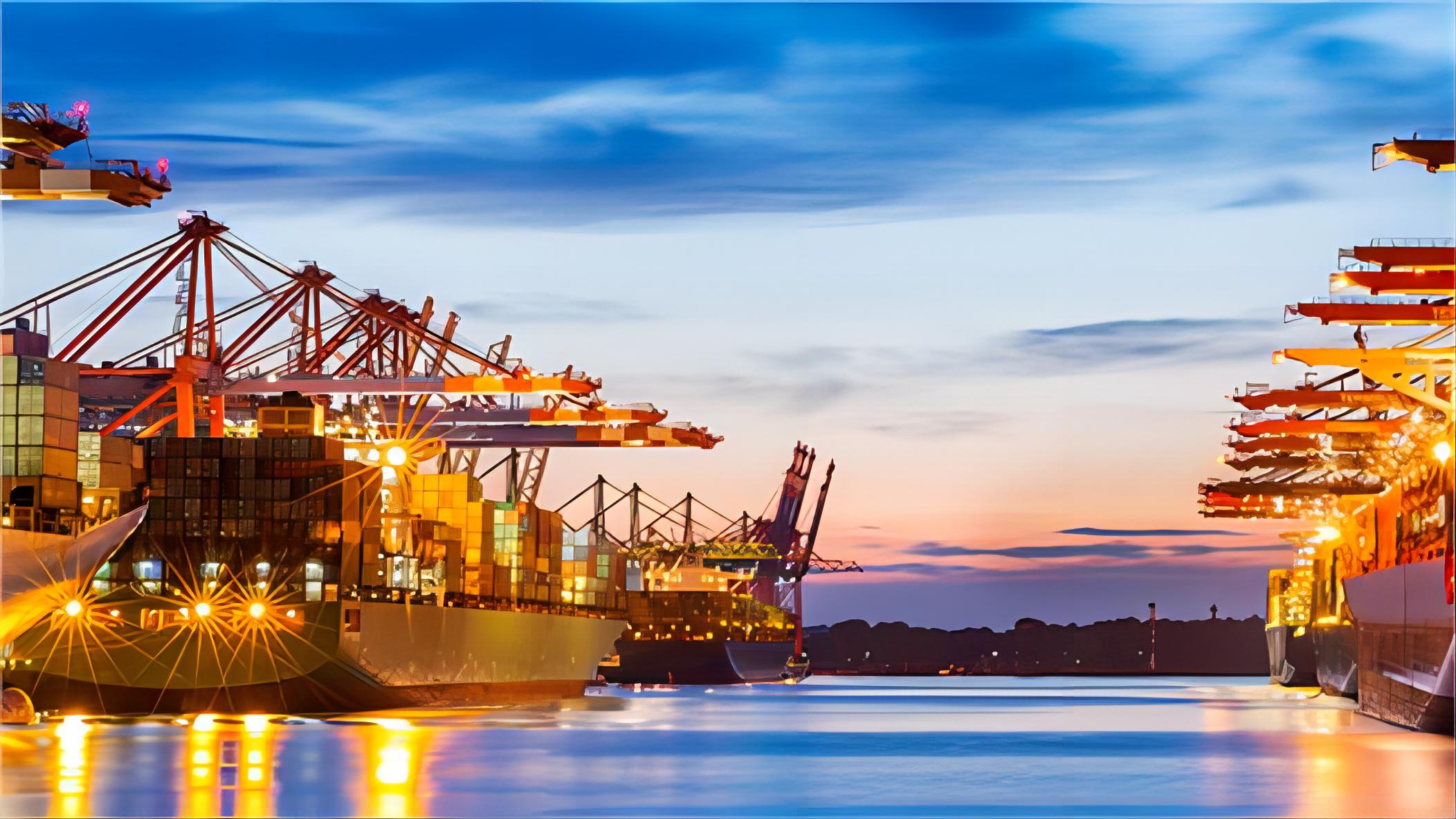
Furthermore, utilizing professional sea freight services ensures that your heavy machinery is handled with the necessary care and expertise. In addition, this method provides a cost-effective solution for transporting dense, heavy items that do not require the speed of air transport.
Specifically, the booking phase requires accurate weight and volume data to prevent issues at the port of loading. As a result, shippers should provide detailed packing lists and technical drawings to their logistics partners early in the process.
How Does 20GP FCL Compare to Other Shipping Options?
Understanding how the 20GP FCL booking process for machinery from China to Europe compares to alternatives is vital for budget optimization. While FCL offers exclusive use of a container, other methods like LCL or rail might suit different volume requirements.
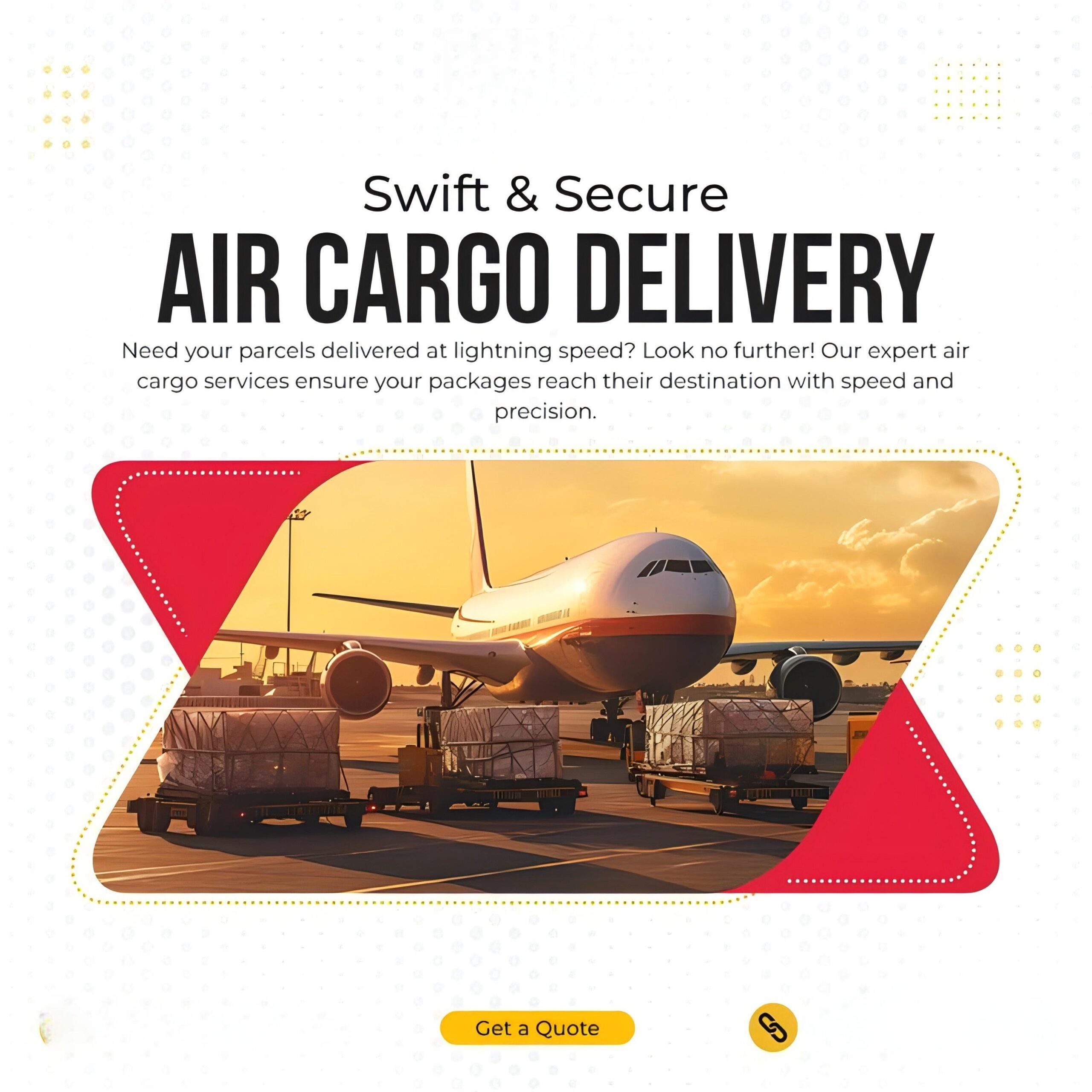
Consequently, shippers must weigh the benefits of security and speed against the total landed cost of the shipment. In contrast, air freight offers unmatched speed but often proves prohibitively expensive for heavy industrial machinery.
Additionally, rail freight has emerged as a middle-ground solution for those needing faster transit than sea but lower costs than air. However, rail infrastructure limitations can sometimes impact the delivery of oversized or specialized machinery parts.
| 20GP Sea FCL | $1,800 – $2,600 | 30 – 45 Days | Heavy Machinery |
| Rail Freight | $4,500 – $6,500 | 18 – 25 Days | Urgent Equipment |
| Air Freight | $15,000 – $25,000 | 5 – 8 Days | Small Spare Parts |
| Sea LCL | $80 – $150/CBM | 35 – 50 Days | Small Volume Cargo |
Step-by-Step Guide to the Machinery Booking Cycle
Initially, you must request a quote from your forwarder based on the machinery weight and pickup location in China. Subsequently, you will receive a booking confirmation or ‘SO’ which outlines the vessel name and departure date.
Furthermore, the factory must prepare the machinery for transport, which often involves professional crating and moisture protection. Consequently, the container arrives at the factory for loading, or the machinery is trucked to a warehouse for stuffing.
Moreover, your logistics provider will manage the Europe bound documentation, including the Bill of Lading and Export Declaration. Therefore, ensuring all technical specifications match the customs paperwork is crucial for a smooth transit.
Finally, the carrier loads the container onto the vessel, and the transit phase begins across the major maritime routes. Meanwhile, you can track the progress of your shipment using the container number provided during the booking phase.
Essential Documentation for European Machinery Imports
Proper documentation remains the backbone of the 20GP FCL booking process for machinery from China to Europe. Specifically, the commercial invoice must clearly state the value, HS code, and technical description of the machinery.
In addition, a detailed packing list helps customs officials verify the contents of the container without needing a physical inspection. Therefore, accuracy in these documents prevents costly delays and potential fines at European ports.
Furthermore, professional customs brokerage services can assist in navigating the complex VAT and duty structures of different EU member states. Consequently, having a local expert handles the filing ensures compliance with the latest trade regulations.
Moreover, some machinery may require a Certificate of Conformity or CE marking to enter the European market legally. Accordingly, importers should verify these requirements with their suppliers before the booking process begins.
| Commercial Invoice | Tax Assessment | Value and HS Code | Supplier |
| Packing List | Verification | Weight and Dimensions | Supplier |
| Bill of Lading | Title Transfer | Vessel and Port Data | Carrier |
| CE Certificate | Compliance | Safety Standards | Manufacturer |

Transit Times and Port Selection for Machinery Logistics
Selecting the right port of loading in China can significantly impact the overall transit time to Europe. For instance, major ports like Shanghai, Ningbo, and Shenzhen offer the highest frequency of direct sailings to European hubs.
Consequently, shipping from a northern port like Qingdao might add a few days to the journey compared to southern alternatives. However, the proximity of the factory to the port often dictates the most efficient starting point.
In addition, the choice of destination port in Europe, such as Rotterdam, Hamburg, or Felixstowe, affects the final door to door delivery schedule. Therefore, coordinating the inland transport from the port to your facility is a critical final step.
Moreover, weather conditions and seasonal congestion can influence the actual arrival dates of your machinery. Accordingly, building a buffer into your production schedule helps mitigate the impact of unforeseen maritime delays.
| Shanghai | Rotterdam | 32 Days | 38 Days |
| Shenzhen | Hamburg | 30 Days | 35 Days |
| Ningbo | Felixstowe | 33 Days | 40 Days |
| Qingdao | Antwerp | 35 Days | 42 Days |
Cost Factors in the Machinery Booking Process
Several variables influence the total cost within the 20GP FCL booking process for machinery from China to Europe. Primarily, the ocean freight rate fluctuates based on fuel surcharges and global shipping demand cycles.
Additionally, local charges at the port of origin, such as terminal handling fees and documentation costs, must be included in your budget. Furthermore, insurance premiums for high-value machinery are a necessary expense to protect against potential transit damage.
Consequently, importers should also account for destination charges and potential storage fees if customs clearance takes longer than expected. Therefore, requesting an all-in quote helps in understanding the complete financial commitment required for the shipment.
Note: Freight rates are subject to change based on fuel costs, carrier capacity, and seasonal demand. Contact us for a current quote tailored to your specific shipment.
Alternative Shipping Strategies for Machinery
While sea freight is standard, exploring rail freight can provide a competitive advantage for certain machinery types. Specifically, rail offers a faster alternative for mid-value equipment that needs to reach inland European destinations quickly.
Moreover, hybrid solutions like sea-air combinations can sometimes balance cost and speed for urgent spare parts. In contrast, for very large machinery that exceeds 20GP dimensions, flat rack or open-top containers may be required.
Consequently, consulting with a logistics expert allows you to tailor the shipping method to your specific cargo requirements. Therefore, you can optimize your supply chain based on the priority of cost versus delivery speed.
Real-World Case Studies for Machinery Shipments
Case Study 1: CNC Machine Export to Germany. Route: Shanghai to Hamburg. Cargo: CNC Lathe, 18 CBM, 4800kg. Container: 20GP FCL. Ocean Freight: $2,250. Total Transit: 36 Days. Key Insight: Professional vacuum packing prevented rust during the long sea voyage.
Case Study 2: Industrial Pump Delivery to Netherlands. Route: Shenzhen to Rotterdam. Cargo: 3 Industrial Pumps, 20 CBM, 5500kg. Container: 20GP FCL. Ocean Freight: $2,100. Total Transit: 32 Days. Key Insight: Early booking secured a direct vessel, saving 5 days of transit time.
Case Study 3: Textile Machinery to Italy. Route: Ningbo to Genoa. Cargo: Weaving Machine, 19 CBM, 4200kg. Container: 20GP FCL. Ocean Freight: $2,400. Total Transit: 34 Days. Key Insight: Precise HS code classification avoided customs delays and optimized duty payments.
Which Option Should You Choose for Your Machinery?
Deciding on the best approach for the 20GP FCL booking process for machinery from China to Europe depends on your business priorities. If budget is your primary concern, sea freight remains the most economical choice for full container loads.
However, if your production line is waiting for a critical piece of equipment, the speed of rail freight might justify the higher cost. Additionally, the physical dimensions and weight of the machinery will ultimately dictate the container type required.
Furthermore, consider the frequency of your shipments and the reliability of the carriers on specific routes. Consequently, partnering with a versatile freight forwarder provides the flexibility to switch methods as your market demands change.
Final Thoughts on Machinery Shipping
Successfully managing the 20GP FCL booking process for machinery from China to Europe requires a balance of technical knowledge and logistical coordination. By understanding the documentation, transit times, and cost factors, you can significantly reduce the risks associated with international trade.
Furthermore, leveraging the expertise of a professional freight forwarder allows you to focus on your core business while your cargo is in transit. Whether you prioritize cost or speed, the right strategy will keep your supply chain moving efficiently.
Ultimately, the 20GP FCL booking process for machinery from China to Europe is a manageable task when you have the right partners and information at your disposal.
Ready to streamline your logistics?
Streamline your 20GP FCL booking process for machinery from China to Europe by contacting our expert team today. We provide tailored logistics solutions to ensure your industrial equipment arrives safely and on schedule. Send Inquiry See: https://Top China Freight.com/
Request Quote