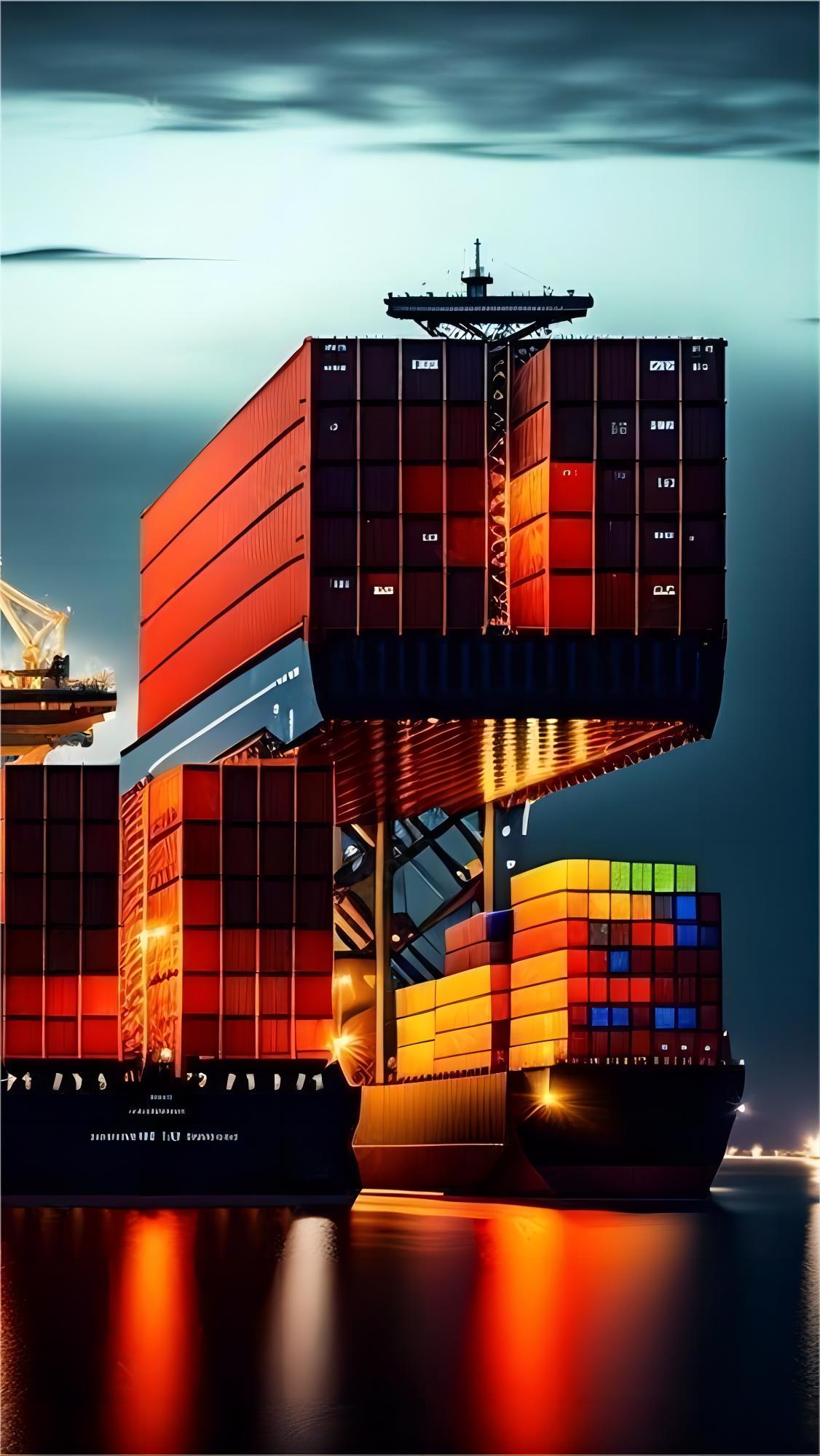
Shipping from China to Norway: Complete 2026 Logistics Guide
Navigating the complexities of international trade requires a reliable partner to ensure your goods arrive safely and on time. At Top China Freight, we specialize in streamlining the logistics process for businesses of all sizes. Shipping from china to norway involves understanding various transportation modes, customs regulations, and cost factors that define the modern supply chain. This comprehensive guide provides the essential insights needed to manage your imports effectively in the current 2026 market landscape.
✦
How Does Sea Freight Compare to Other Shipping Options?
Choosing the most efficient transport method is the foundation of a successful import strategy. While several options exist, sea freight remains the most popular choice for high-volume shipments due to its cost-effectiveness. Consequently, businesses often prioritize ocean transport for non-urgent goods like furniture, machinery, or bulk raw materials. However, the decision depends heavily on your specific budget and timeline requirements.

Moreover, sea freight offers two primary modes: Full Container Load (FCL) and Less than Container Load (LCL). If you have enough cargo to fill a 20-foot or 40-foot container, FCL provides better security and faster handling. On the other hand, LCL allows you to share container space with other shippers, which is ideal for smaller volumes under 15 cubic meters. Therefore, understanding these nuances helps in selecting the right balance between price and speed.
Alternative strategies often involve hybrid solutions or utilizing different ports of entry. For instance, some importers choose sea-air combinations to reduce costs while maintaining a faster schedule than pure ocean freight. Additionally, rail freight through the Eurasian land bridge has become a viable alternative for shipments to Northern Europe, offering a middle ground in terms of both price and transit time. In contrast, express courier services are unbeatable for documents or small parcels but carry a significant price premium.
| Shipping Method | Cost Range (USD) | Transit Time | Best For |
|---|---|---|---|
| Sea Freight (FCL) | 2,200 – 4,500 | 35 – 45 Days | Bulk Goods |
| Air Freight | 5.50 – 9.00/kg | 5 – 8 Days | High-Value |
| Express | 9.00 – 15.00/kg | 3 – 5 Days | Samples |
| Rail Freight | 1,800 – 3,200 | 22 – 28 Days | Mid-Size |
Shipping from China to Norway: Cost Analysis for 2026
Freight rates are influenced by several variables including fuel surcharges, seasonal demand, and global economic conditions. As of early 2026, market data suggests that shipping costs from China to Norway have stabilized following the volatility seen in previous years. Nevertheless, it is crucial to account for peak season surcharges which typically occur between August and October. During this period, rates can increase by 15-25% as retailers prepare for the holiday season.
Furthermore, the total landed cost involves more than just the ocean or air freight charges. You must also consider origin charges, documentation fees, and destination handling at Norwegian ports like Oslo or Bergen. Consequently, budgeting for these additional expenses ensures that your profit margins remain protected. For example, local port charges in Norway can vary significantly depending on the terminal and the complexity of the cargo handling required.
Note: Freight rates are subject to change based on fuel costs, carrier capacity, and seasonal demand. Contact us for a current quote tailored to your specific shipment.
| Container Type | Low Season Rate | Peak Season Rate | Transit Days |
|---|---|---|---|
| 20GP Container | 1,900 USD | 2,400 USD | 38 Days |
| 40GP Container | 3,100 USD | 3,900 USD | 38 Days |
| 40HQ Container | 3,400 USD | 4,300 USD | 40 Days |
Understanding Air Freight and Express Services
When speed is the absolute priority, air freight is the superior solution for reaching the Norwegian market. Indeed, high-value electronics, fashion items, and perishable goods often travel by air to minimize time in transit. While the cost per kilogram is higher than sea freight, the reduced inventory holding costs and faster market entry often justify the investment. Additionally, air transport offers higher security and a lower risk of damage for sensitive items.
Specifically, major airports such as Beijing Capital, Shanghai Pudong, and Guangzhou Baiyun serve as primary hubs for flights to Oslo Airport (OSL). For even smaller shipments, express service providers like DHL, FedEx, and UPS offer door-to-door convenience. These services handle all aspects of the journey, including customs clearance, making them ideal for businesses that lack an in-house logistics department. Consequently, many startups prefer express shipping for their initial product launches.
Door to Door Shipping Solutions for Norwegian Importers
Managing a supply chain involves coordinating multiple parties, from manufacturers to local delivery drivers. To simplify this, many companies opt for door to door shipping services. This model provides a seamless experience where the freight forwarder manages the entire journey from the factory in China to the final warehouse in Norway. As a result, importers can focus on their core business operations rather than worrying about logistical bottlenecks.
Furthermore, DDP (Delivered Duty Paid) shipping is a popular subset of door-to-door services. Under DDP, the seller or forwarder handles all costs, including taxes and import duties. This transparency is particularly beneficial for e-commerce sellers who need to know their exact costs upfront. Meanwhile, DDU (Delivered Duty Unpaid) remains an option for those who prefer to handle the Norwegian VAT and customs duties independently. Without a doubt, choosing the right Incoterm is vital for financial planning.
Navigating Customs Brokerage and Documentation
Importing goods into Norway requires strict adherence to the Norwegian Customs (Tolletaten) regulations. Since Norway is not a member of the EU but is part of the EEA, specific rules apply to various product categories. Utilizing a professional customs brokerage service can prevent costly delays and ensure compliance with all local laws. For instance, providing an accurate Commercial Invoice and Packing List is mandatory for every shipment.
Additionally, certain items may require specific certificates, such as CE marking for electronics or phytosanitary certificates for organic materials. If documentation is incomplete, cargo may be held at the port, incurring demurrage and detention charges. Therefore, verifying all paperwork before the shipment leaves China is a critical step in the logistics process. In fact, many successful importers maintain a checklist of required documents to streamline their customs clearance procedures.
| Document Type | Required By | Purpose | Format |
|---|---|---|---|
| Commercial Invoice | Customs | Valuation | Digital/Paper |
| Packing List | Warehouse | Verification | Digital/Paper |
| Bill of Lading | Carrier | Title of Goods | Original/Telex |
| Certificate of Origin | Customs | Duty Rate | Official Form |
Which Option Should You Choose?
Determining the best shipping method depends on a careful evaluation of your business priorities. If your primary goal is to minimize costs and you are shipping large volumes, sea freight is the logical recommendation. However, if you are dealing with seasonal products that need to hit the shelves immediately, air freight becomes the necessary choice. For mid-range shipments where sea is too slow and air is too expensive, consider rail freight options to Europe and then trucking to Norway.
Moreover, cargo type considerations play a significant role in the decision-making process. Hazardous materials or oversized machinery may have limited options and require specialized handling. Consequently, consulting with a freight expert early in the planning stage can help you avoid unexpected logistical hurdles. Ultimately, the most successful importers are those who maintain a flexible strategy, utilizing different methods based on the specific needs of each order.
Real Case Studies for Norwegian Shipments
[Case Study 1]: Fast-Track Electronics to Oslo. Route: Shenzhen, China to Oslo, Norway. Cargo: High-end consumer electronics, 3 CBM, 850 kg. Shipping Method: Air Freight. Carrier: Air China Cargo. Port of Loading: Shenzhen (SZX). Port of Discharge: Oslo (OSL). Route Type: Direct. Cost Breakdown: Air Freight: 6,800 USD, Origin Charges: 450 USD, Destination Charges: 300 USD, Customs and Duties: 1,200 USD. Total Landed Cost: 8,750 USD. Timeline: Booking to Loading: 2 days, Air Transit: 1 day, Customs Clearance: 1 day, Total Door-to-Door: 5 days. Key Insight: Choosing air freight allowed the client to meet a product launch deadline that would have been missed by sea.
[Case Study 2]: Bulk Furniture to Bergen. Route: Ningbo, China to Bergen, Norway. Cargo: Modular office furniture, 28 CBM. Container: 20GP. Shipping Method: Sea Freight. Carrier: COSCO. Port of Loading: Ningbo. Port of Discharge: Bergen via Rotterdam. Route Type: Transshipment via Rotterdam. Cost Breakdown: Ocean Freight: 2,100 USD, Origin Charges: 350 USD, Destination Charges: 550 USD, Customs and Duties: 800 USD. Total Landed Cost: 3,800 USD. Timeline: Booking to Loading: 5 days, Sea Transit: 42 days, Customs Clearance: 2 days, Total Door-to-Door: 52 days. Key Insight: Strategic transshipment through Rotterdam provided a more frequent schedule than direct calls to smaller Norwegian ports.
Based on Q3 2025 and early 2026 market rates, these examples reflect typical scenarios for businesses importing from China. Note: Freight rates are subject to change based on fuel costs, carrier capacity, and seasonal demand. Contact us for a current quote tailored to your specific shipment.
Final Thoughts on Shipping from China to Norway
In summary, successful shipping from china to norway depends on selecting the right transport mode and understanding the total landed cost. By balancing speed, cost, and reliability, you can build a resilient supply chain that supports your business growth in the Norwegian market. Remember to stay updated on 2026 customs regulations and seasonal trends to avoid common pitfalls. With the right planning and a trusted freight forwarding partner, importing from China can be a smooth and profitable endeavor.