


Auto Parts Sea Freight China to UK: 2025 Comprehensive Shipping Guide
Importing vehicle components from Asian manufacturing hubs requires a strategic approach to maintain your supply chain efficiency. Partnering with a reliable logistics provider like Top China Freight ensures your shipments arrive safely and on time. This guide explores the complexities of auto parts sea freight china to uk to help you minimize costs and maximize reliability.
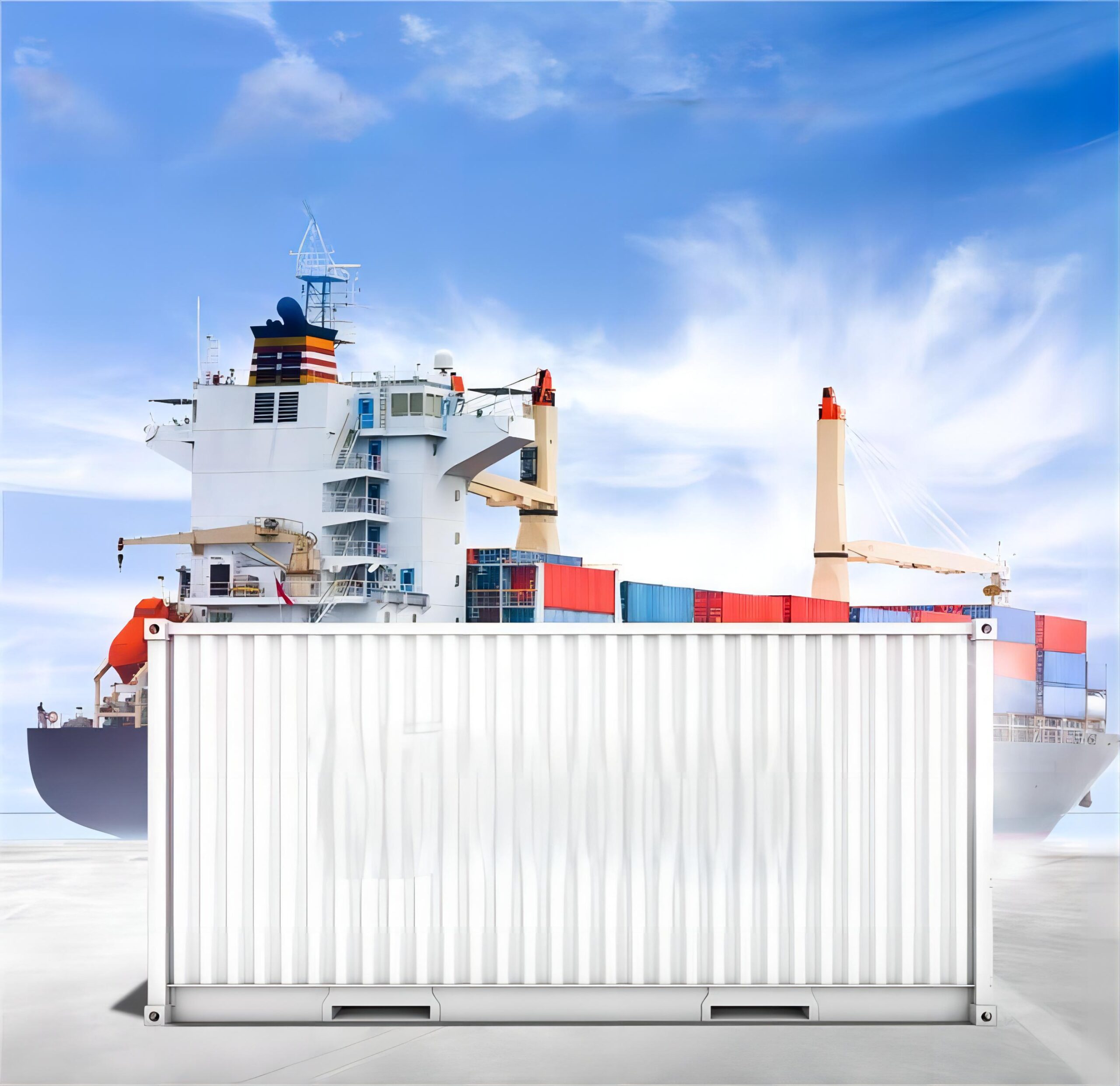
Why Choose Auto Parts Sea Freight China to UK?
Sea freight remains the most cost-effective solution for transporting heavy or bulky automotive components over long distances. Consequently, businesses often choose this method to handle engines, transmissions, and body panels that would be prohibitively expensive to ship by air.

Furthermore, ocean transport offers significantly higher capacity for large-scale inventory replenishment. This allows importers to move hundreds of units in a single shipment, thereby reducing the per-unit shipping cost. Most UK distributors rely on sea freight to maintain a steady flow of stock without inflating retail prices.
Additionally, modern container ships offer advanced tracking and security features for sensitive electronics. This ensures that even high-value components reach their destination in optimal condition. Meanwhile, the environmental impact per ton of cargo is much lower compared to air transport, supporting greener supply chain initiatives.
How Does Sea Freight Compare to Other Shipping Options?
Choosing the right transport mode depends on your specific balance of speed and budget. While sea freight is the cheapest, it is also the slowest, making it ideal for non-urgent inventory. In contrast, air freight offers rapid delivery for emergency repairs or high-demand product launches.
Moreover, the emergence of trans-continental rail routes has provided a middle-ground solution. For instance, rail freight can cut transit times by half compared to the sea while remaining significantly cheaper than air. However, rail capacity is more limited and subject to geopolitical stability along the route.
Therefore, businesses must evaluate their lead times carefully before selecting a method. If your priority is absolute cost reduction, the slow but steady pace of the ocean is unbeatable.
| Shipping Method | Cost Range | Transit Time | Best For |
|---|---|---|---|
| Sea Freight | $2,000 – $4,500 | 30-40 Days | Bulk inventory, heavy parts |
| Air Freight | $15,000 – $25,000 | 5-8 Days | Urgent repairs, high value |
| Rail Freight | $6,000 – $9,000 | 18-22 Days | Time-sensitive bulk goods |
| Express Service | $30,000+ | 3-5 Days | Small samples, prototypes |
Understanding FCL and LCL for Auto Parts
When booking auto parts sea freight china to uk, you must choose between Full Container Load (FCL) and Less than Container Load (LCL). FCL is generally safer for delicate parts because the container remains sealed from the point of origin to the destination.
On the other hand, LCL allows you to share container space with other shippers, which is perfect for smaller batches of spare parts. This flexibility helps small businesses manage their cash flow by avoiding the need to fill an entire 20-foot container. Nevertheless, LCL shipments may experience slightly longer transit times due to the consolidation and deconsolidation processes.
Consequently, if your shipment exceeds 15 cubic meters, switching to a 20GP container often becomes more economical. Always calculate the total landed cost to determine which volume threshold makes the most sense for your business model.
Key Factors Affecting Shipping Costs and Transit Times
Several variables influence the final price you pay for ocean logistics. For example, seasonal demand during the lead-up to the holidays can cause rates to spike by 20% or more. Similarly, fuel surcharges fluctuate based on global oil prices, impacting the carrier’s operating costs.
Port congestion at major hubs like Felixstowe or Southampton can also delay your delivery schedule. Indeed, unexpected weather events or industrial actions sometimes add a week to the standard transit time. Therefore, building a buffer into your supply chain planning is essential for maintaining customer satisfaction.
In addition, the type of cargo handling required can affect the price. Heavy engines require specialized equipment, while hazardous materials like lithium batteries for electric vehicles demand strict compliance with safety regulations.
| Container Type | Average Rate (Q1 2025) | Max Weight | Capacity |
|---|---|---|---|
| 20GP Container | $2,000 – $2,800 | 28,000 kg | 33 CBM |
| 40GP Container | $3,200 – $4,200 | 26,000 kg | 67 CBM |
| 40HQ Container | $3,500 – $4,500 | 26,000 kg | 76 CBM |
Navigating Customs and Documentation
Clearing customs in the UK requires meticulous paperwork to avoid costly delays and fines. You must provide a commercial invoice, a packing list, and a Bill of Lading for every shipment. Furthermore, ensuring you have the correct HS codes for different automotive components is vital for accurate duty calculation.
Using a professional customs brokerage service can simplify this process significantly. They handle the communication with HMRC and ensure that all VAT and import duties are paid correctly. Without a doubt, errors in documentation are the most common cause of port storage charges.
Additionally, certain parts may require specific certifications to meet UK safety standards. For instance, braking systems and lighting components must often comply with E-mark regulations before they can be legally sold in the UK market.
Real Case Studies: Shipping Auto Parts to the UK
Examining real-world scenarios helps illustrate the practical challenges and successes of automotive logistics. These cases reflect typical market conditions and pricing as of early 2025.
The following examples demonstrate how different shipping methods and cargo types impact the final timeline and budget for UK importers.
Case Study 1: FCL Shipment of Engines
Route: Shanghai, China to Felixstowe, UK. Cargo: 40 Reconditioned Engines, 22 CBM, 14,000 kg. Container: 20GP. Carrier: COSCO. Shipping Details: Direct route from Shanghai port to Felixstowe.
Cost Breakdown: Ocean Freight: $2,450. Origin Charges: $450. Destination Charges: $600. Customs & Duties: $3,200. Total Landed Cost: $6,700. Timeline: Booking to Loading: 4 days. Sea Transit: 34 days. Customs Clearance: 2 days. Total Door-to-Door: 45 days.
Key Insight: Using a 20GP for heavy engines ensured the weight limit was not exceeded while keeping the ocean freight cost low. Direct routing avoided transshipment delays in Singapore.
Case Study 2: LCL Shipment of Suspension Components
Route: Ningbo, China to Southampton, UK. Cargo: 500 Shock Absorbers, 6 CBM, 1,200 kg. Container: LCL. Carrier: Major Carrier. Port of Loading: Ningbo. Port of Discharge: Southampton.
Cost Breakdown: Ocean Freight: $480. Origin Charges: $150. Destination Charges: $350. Customs & Duties: $850. Total Landed Cost: $1,830. Timeline: Booking to Loading: 6 days. Sea Transit: 38 days. Customs Clearance: 3 days. Total Door-to-Door: 52 days.
Key Insight: LCL was the most economical choice for this volume. However, the extra time for deconsolidation at Southampton port added 4 days to the total timeline compared to FCL.
Which Shipping Option Should You Choose?
Determining the best strategy for your auto parts sea freight china to uk depends on your business priorities. If your primary goal is to minimize expenditure, sea freight is the clear winner for almost any volume. Conversely, if you are facing a production line stoppage, air freight is the only viable choice despite the high cost.
For shipments destined for various regions in Europe, you might consider different ports of entry. While Felixstowe is the main hub for the UK, some importers find better rates by shipping to Rotterdam and using feeder vessels. This strategy can sometimes bypass local congestion during peak periods.
Moreover, consider a door to door service to simplify your logistics. This comprehensive solution covers everything from the factory floor in China to your warehouse in the UK. As a result, you spend less time managing multiple vendors and more time growing your business.
Final Thoughts on Automotive Logistics
Successfully managing auto parts sea freight china to uk requires a balance of cost, speed, and compliance. By understanding the differences between FCL and LCL, and preparing your documentation in advance, you can avoid common pitfalls. Furthermore, staying informed about market trends and seasonal fluctuations allows you to book your shipments at the most advantageous times.
Whether you are importing bulk engines or small suspension components, choosing the right logistics partner is the most critical decision. Professional freight forwarders provide the expertise needed to navigate complex customs regulations and optimize your shipping routes. Start planning your next shipment today to ensure your UK automotive business remains competitive in a global market.
Ready to streamline your logistics?
Ready to streamline your automotive supply chain? Contact Top China Freight today for a customized quote on auto parts sea freight china to uk and experience hassle-free international logistics. Send Inquiry
Request Quote