

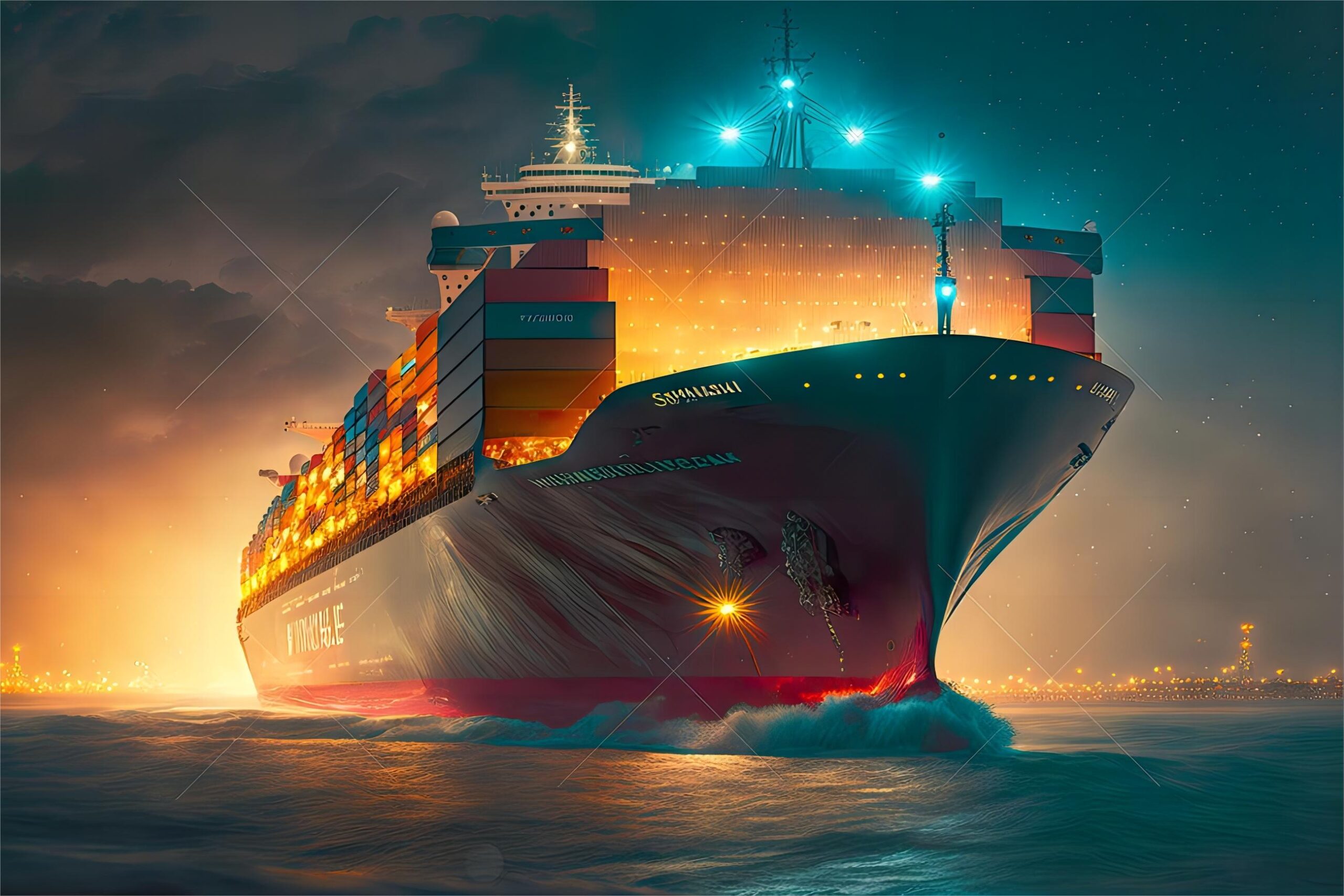
Toys Sea Freight China to Europe: The Complete 2025 Logistics Guide
Importing toys from Asian manufacturing hubs requires a strategic approach to logistics and supply chain management. If you are looking to scale your business, partnering with a reliable partner like Top China Freight ensures your cargo arrives safely and on time. This guide explores the complexities of toys sea freight china to europe to help you make informed decisions for your inventory.
How Does Toys Sea Freight China to Europe Compare to Other Shipping Options?
Choosing the right transportation method depends on your budget, volume, and deadline. While sea freight is the most common choice for bulk shipments, other modes like air or rail might suit specific needs.
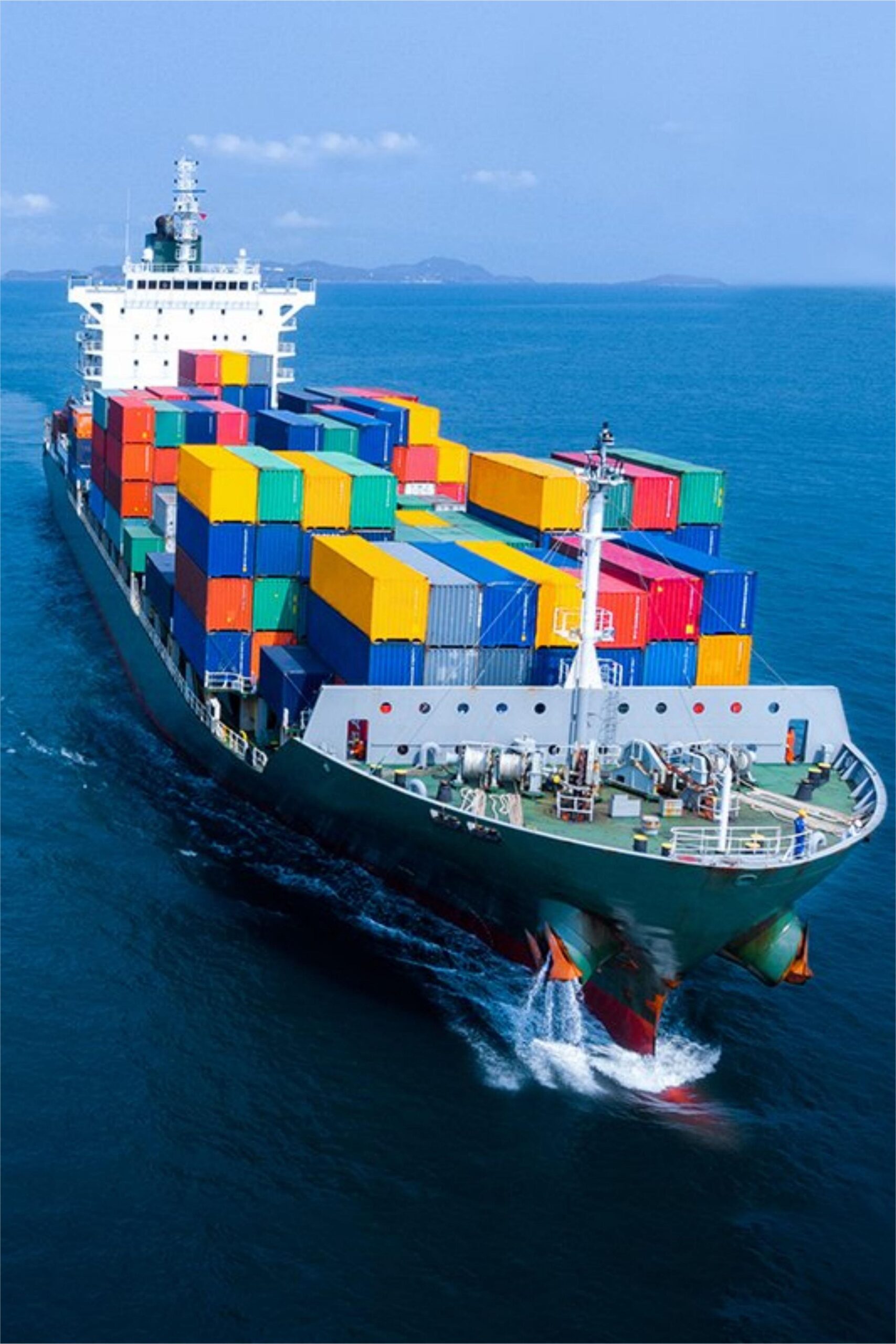
Consequently, businesses must weigh the cost savings of ocean transit against the speed of more expensive alternatives. For instance, air freight is ideal for high-demand seasonal launches but costs significantly more per kilogram.
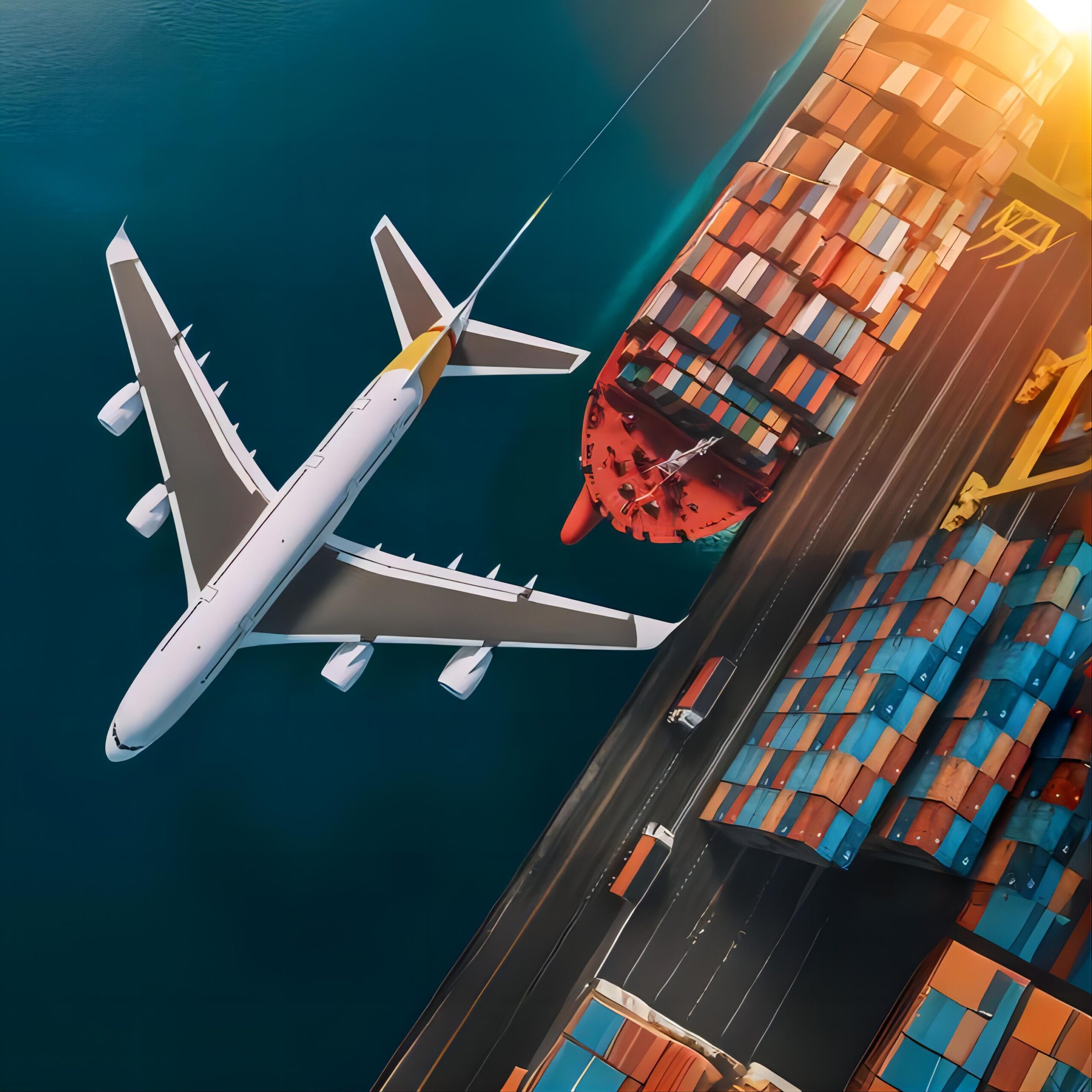
Furthermore, the middle ground is often found in rail transport, which offers a balance between speed and expenditure. However, for the majority of toy importers, the sheer volume of goods makes ocean transport the most viable long-term strategy.
| Shipping Method | Cost Range | Transit Time | Best For |
|---|---|---|---|
| Sea Freight | 2,000 to 4,500 USD | 30 to 45 Days | Bulk inventory and low-cost items |
| Air Freight | 15,000 to 25,000 USD | 5 to 8 Days | Urgent restocks and high-value toys |
| Rail Freight | 4,000 to 7,000 USD | 18 to 22 Days | Mid-range urgency and eco-friendly needs |
Market Context and 2025 Logistics Trends
As of early 2025, the landscape for toys sea freight china to europe has stabilized following several years of global disruption. Nevertheless, importers should remain aware of shifting fuel surcharges and port congestion issues that can arise during peak seasons.
Specifically, the Red Sea situation continues to influence routing, with many carriers opting for the longer Cape of Good Hope path. This shift has added approximately 10 to 14 days to standard transit times compared to traditional Suez Canal routes.
Moreover, the industry average for a 40HQ container currently fluctuates based on carrier capacity and seasonal demand. According to industry benchmarks, rates typically see a sharp increase during the August to October period as retailers prepare for the holiday season.
Understanding FCL vs LCL for Toy Shipments
When booking sea freight, you must choose between Full Container Load (FCL) and Less than Container Load (LCL). FCL is generally safer for fragile toys as the container is dedicated solely to your goods.
In contrast, LCL allows you to share space with other shippers, which is cost-effective for smaller volumes. For shipments under 15 CBM, LCL at 50 to 90 USD per CBM is often more economical than paying for a whole container.
Therefore, most growing businesses start with LCL and transition to FCL once their order volume exceeds 20 CBM. This transition helps optimize the landed cost per unit, which is critical in the competitive toy market.
Transit Times and Major Routes to Europe
The duration of your shipment depends heavily on the specific port of loading and the destination port in Europe. Direct routes are faster but often come with a premium price tag.
Additionally, transshipment through hubs like Singapore or Port Klang can save money but adds 5 to 7 days to the total schedule. Most major carriers like Maersk and COSCO offer reliable weekly departures from China’s primary coastal cities.
To ensure a smooth delivery, you should factor in at least 7 days for port handling and customs clearance at both ends. Planning for a total door-to-door window of 45 to 55 days is a safe baseline for your supply chain planning.
| Route | 20GP Price Range | 40HQ Price Range | Transit Time |
|---|---|---|---|
| Shenzhen to Rotterdam | 1,800 – 2,400 USD | 3,200 – 4,000 USD | 32 – 36 Days |
| Ningbo to Hamburg | 1,900 – 2,500 USD | 3,300 – 4,100 USD | 34 – 38 Days |
| Shanghai to Felixstowe | 2,000 – 2,700 USD | 3,500 – 4,300 USD | 35 – 40 Days |
Customs and Safety Compliance for Toy Imports
Importing toys into Europe requires strict adherence to safety standards, including the CE marking and EN71 regulations. Failing to provide the correct documentation can lead to expensive delays or the destruction of your cargo.
Consequently, working with a professional customs brokerage service is highly recommended for first-time importers. They will ensure your commercial invoice, packing list, and bill of lading are all in order before the ship arrives.
Indeed, customs authorities in Europe are particularly vigilant regarding chemical content and small parts in children’s products. Always request a Declaration of Conformity from your Chinese manufacturer to avoid legal complications during the import process.
Which Shipping Option Should You Choose?
If your primary goal is budget priority, we recommend choosing standard sea freight with a transshipment route. This approach offers the lowest possible freight rates, though it requires the longest lead time.
For speed priority, rail freight is the superior choice for land-locked European destinations. It is significantly faster than the sea route while remaining much cheaper than air transport.
Meanwhile, if you are selling on digital platforms, using an Amazon FBA logistics specialist can streamline the final mile delivery. They handle the specific labeling and palletization requirements that Amazon warehouses demand.
Realistic Case Studies for Toy Shipments
Case Study 1: Large Scale Plush Toy Import. Route: Shenzhen to Rotterdam. Cargo: Plush toys, 68 CBM, 4500 kg. Container: 40HQ. Shipping Details: Direct service via major carrier. Port of Loading: Shenzhen. Port of Discharge: Rotterdam. Cost Breakdown: Ocean Freight 3,850 USD, Origin Charges 400 USD, Destination Charges 550 USD, Customs and Duties 1,200 USD. Total Landed Cost: 6,000 USD. Timeline: 35 days total. Key Insight: Booking 4 weeks in advance secured a rate 15 percent below market average.
Case Study 2: Educational Toy Startup. Route: Ningbo to Hamburg. Cargo: Plastic building blocks, 28 CBM, 3200 kg. Container: 20GP. Shipping Details: Transshipment via Singapore. Port of Loading: Ningbo. Port of Discharge: Hamburg. Cost Breakdown: Ocean Freight 2,100 USD, Origin Charges 350 USD, Destination Charges 480 USD, Customs and Duties 900 USD. Total Landed Cost: 3,830 USD. Timeline: 42 days total. Key Insight: Choosing a transshipment route saved the client 300 USD despite the longer transit time.
Case Study 3: Small Batch Wooden Toys. Route: Shanghai to Felixstowe. Cargo: Wooden puzzles, 5 CBM, 800 kg. Container: LCL. Shipping Details: Weekly LCL consolidation. Port of Loading: Shanghai. Port of Discharge: Felixstowe. Cost Breakdown: Ocean Freight 450 USD, Origin Charges 150 USD, Destination Charges 250 USD, Customs and Duties 300 USD. Total Landed Cost: 1,150 USD. Timeline: 45 days total. Key Insight: LCL was the only viable option for this volume, allowing the business to test the market without high overheads.
Cost-Saving Strategies for Sea Freight
To reduce your total expenditure, consider optimizing your packaging to fit more units into a single container. Since sea freight is charged by volume or container size, reducing wasted space directly impacts your bottom line.
Additionally, try to avoid shipping during the Golden Week in October or the Chinese New Year in January and February. During these periods, demand spikes and carriers often implement significant General Rate Increases (GRI).
Finally, negotiating FOB (Free on Board) terms with your supplier gives you more control over the shipping process. This allows you to choose your own forwarder and avoid hidden markups often found in CIF (Cost, Insurance, and Freight) agreements.
Final Thoughts on Toy Logistics
Successfully managing toys sea freight china to europe requires a balance of timing, documentation, and cost control. By understanding the differences between FCL and LCL, and staying informed about market trends, you can maintain a healthy profit margin.
Furthermore, always prioritize safety compliance to ensure your goods pass through European customs without issues. A reliable freight forwarder will be your greatest asset in navigating these complex international waters.
Note: Freight rates are subject to change based on fuel costs, carrier capacity, and seasonal demand. Contact us for a current quote tailored to your specific shipment.
Ready to streamline your logistics?
Are you ready to optimize your toy supply chain? Contact us today to receive a competitive quote for toys sea freight china to europe and let our experts handle your logistics needs. Send Inquiry link: Visit https://Top China Freight.com/
Request Quote