

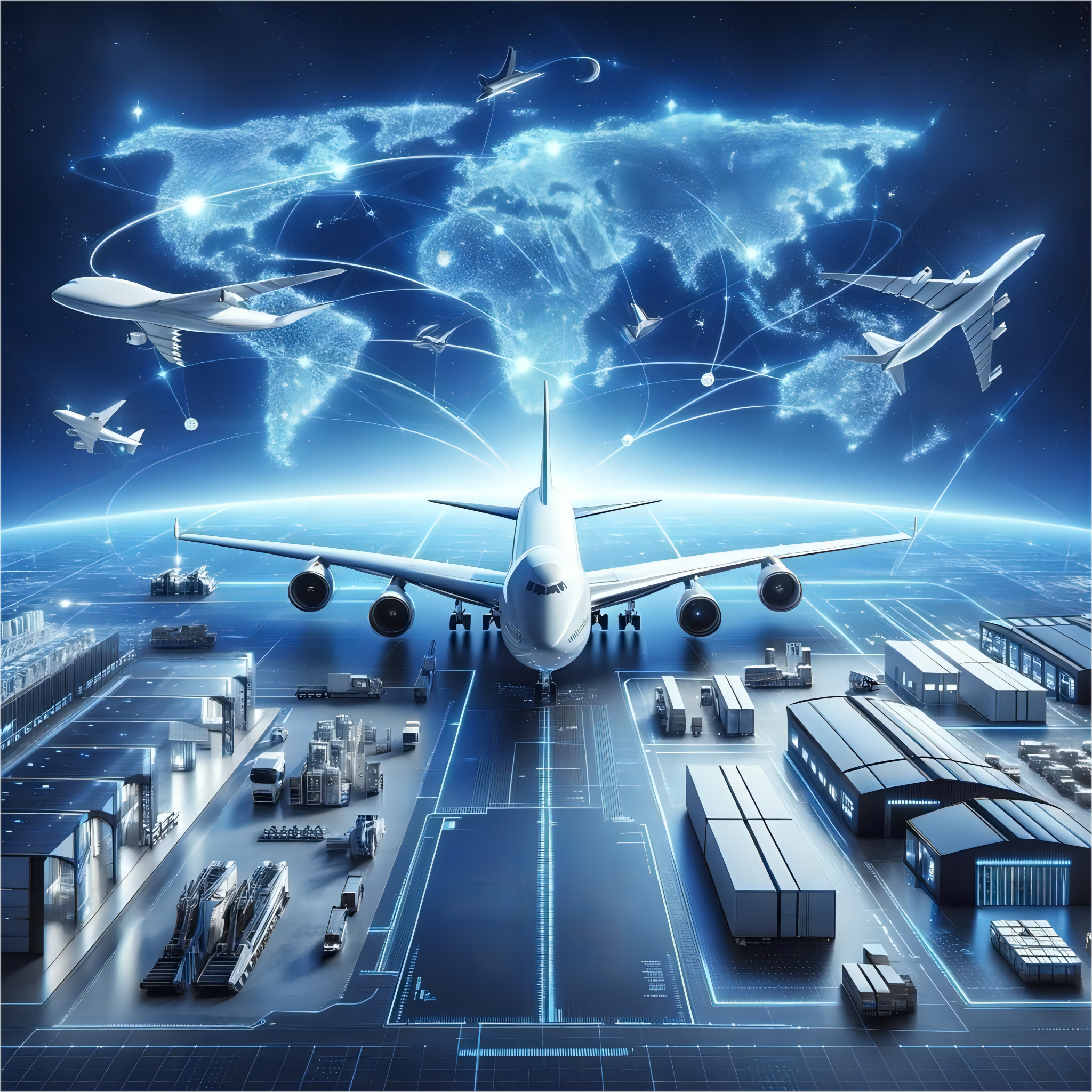
Best Air Freight from China to Netherlands: Ultimate Shipping Guide
Navigating the complexities of international logistics requires a reliable partner to ensure your goods arrive safely and on time. Finding the best air freight from China to Netherlands involves balancing speed, cost-effectiveness, and security for your valuable inventory. This guide provides essential insights into optimizing your shipping strategy while highlighting the most efficient routes to Schiphol airport.
Why Choose Air Freight for China to Netherlands Shipments?
Speed remains the primary reason businesses prioritize air transport over other logistics methods. When you utilize air freight, your cargo typically travels from major Chinese hubs to Amsterdam in less than a week. This rapid delivery schedule allows companies to maintain lean inventory levels and respond quickly to market demand shifts. Furthermore, air transport offers enhanced security and reduced risk of damage compared to long-haul sea voyages.
Reliability in delivery schedules makes air cargo the preferred choice for high-value electronics and seasonal fashion items. Most airlines operate daily flights from Shenzhen, Shanghai, and Beijing, ensuring consistent availability for your urgent cargo delivery needs. Consequently, you can provide accurate arrival estimates to your Dutch customers, which significantly improves customer satisfaction and trust. Indeed, the precision of air logistics helps businesses avoid the unpredictable delays often associated with maritime port congestion.
Logistics trends suggest that more importers are moving toward air solutions to mitigate supply chain disruptions. While the initial cost is higher, the total landed cost often balances out due to lower insurance premiums and reduced warehousing requirements. Additionally, the shorter transit time means your capital is not tied up in transit for 30 to 40 days. Therefore, air freight serves as a strategic tool for maintaining a competitive edge in the fast-paced European market.
How Does Best Air Freight from China to Netherlands Compare to Other Shipping Options?
Comparing different shipping methods is essential for selecting the most appropriate solution for your specific cargo. While sea freight offers the lowest price for massive volumes, it cannot match the efficiency of air transport for time-sensitive goods. In contrast, express service provides the fastest door-to-door delivery but comes at a premium price point for larger weights. Meanwhile, rail freight offers a middle ground in terms of both cost and speed for shipments to Europe.
Choosing the right method depends heavily on your budget priority and the nature of your products. For example, shipping electronics to Amsterdam requires the stability and speed of air cargo to prevent obsolescence and damage. On the other hand, heavy machinery or bulk raw materials usually travel via sea to keep shipping costs from China to Netherlands manageable. Understanding these trade-offs ensures you do not overspend on logistics while meeting your delivery deadlines.
| Shipping Method | Cost Range | Transit Time | Best For |
|---|---|---|---|
| Air Freight | $4.50 – $8.50 per kg | 3 – 7 Days | High-value, urgent goods |
| Sea Freight (FCL) | $1,800 – $3,500 per 20GP | 30 – 45 Days | Bulk cargo, low budget |
| Rail Freight | $120 – $180 per CBM | 15 – 22 Days | Eco-friendly, mid-speed |
| Express Shipping | $9.00 – $15.00 per kg | 2 – 4 Days | Documents, small parcels |
Factors Affecting Air Freight Costs and Transit Times
Market data suggests that several variables influence the final price you pay for air cargo services. Fuel surcharges represent a significant portion of the cost and fluctuate based on global oil prices. Moreover, seasonal demand peaks during the Golden Week in China and the pre-Christmas rush in Europe can cause air cargo rates to spike by 20% or more. Consequently, booking your space at least two weeks in advance is a wise strategy to secure better rates and guaranteed capacity.
Cargo handling in China and the specific airport of departure also play vital roles in the overall timeline. Airports like Shanghai Pudong (PVG) and Hong Kong (HKG) offer more frequent direct flights to Schiphol, which reduces the transit time. However, smaller regional airports might offer lower rates but require transshipment through a secondary hub. Therefore, you must weigh the benefits of a direct flight against the potential savings of a multi-stop route.
Weight and volume calculations significantly impact your logistics budget due to the chargeable weight rule. Airlines charge based on either the actual weight or the volumetric weight, whichever is greater. For instance, lightweight but bulky items like pillows will be charged based on the space they occupy in the aircraft. To summarize, optimizing your packaging to reduce excess volume can lead to substantial savings on your air freight transit time China to Netherlands expenses.
Essential Documentation for Netherlands Customs
Navigating customs brokerage is a critical step in the import process to avoid costly delays at the Dutch border. The Netherlands serves as a major gateway to Europe, meaning customs officials are thorough and require precise documentation. Without a complete set of papers, your cargo could be held at Schiphol airport, incurring daily storage fees. Therefore, working with an experienced partner ensures all your import duties Netherlands from China are calculated correctly and paid promptly.
Required documents typically include the commercial invoice, packing list, and the Air Waybill (AWB). You must also provide an EORI number, which is mandatory for any business importing goods into the European Union. In addition, certain products like textiles or electronics might require a Certificate of Origin or specific CE marking compliance documents. Consequently, verifying these requirements before the plane leaves China prevents administrative headaches during the clearance process.
Customs clearance in the Netherlands is generally efficient if your paperwork is in order. Most air shipments clear customs within 24 to 48 hours of arrival at Schiphol. However, random inspections or incomplete descriptions on the invoice can extend this period significantly. To ensure a smooth flow, always provide a detailed description of the goods and their correct HS codes for accurate tax assessment.
| Document Name | Purpose | Required By | Format |
|---|---|---|---|
| Commercial Invoice | Value declaration | Customs | Digital/Original |
| Packing List | Contents detail | Warehouse | Digital/Original |
| Air Waybill (AWB) | Contract of carriage | Airline | Digital |
| EORI Number | EU Importer ID | Tax Authority | Registration Code |
Real Case Studies: Successful Air Shipments to Amsterdam
Case Study 1: High-Priority Electronics. Route: Shenzhen to Amsterdam. Cargo: 500kg of high-end tablets. Method: Direct Air Freight. Carrier: KLM Cargo. Total Landed Cost: $3,250. Transit Time: 4 days. Key Insight: By using a direct flight from Shenzhen, the client avoided transshipment risks and met a critical product launch deadline in Rotterdam. This approach ensured the lithium battery shipping China regulations were met with zero delays.
Case Study 2: Seasonal Fashion Apparel. Route: Shanghai to Schiphol. Cargo: 1,200kg of winter clothing. Method: Consolidated Air Shipping. Carrier: China Southern. Total Landed Cost: $6,800. Transit Time: 6 days. Key Insight: Utilizing a consolidated service allowed the importer to reduce costs by 15% compared to individual express shipments. Based on early 2025 market rates, this strategy provided the best balance between speed and budget for e-commerce logistics Netherlands requirements.
Which Option Should You Choose for Your Business?
Selecting the best shipping method requires a clear understanding of your business priorities. If your primary goal is speed to market for a time-sensitive product, then door to door air freight is the undisputed winner. Conversely, if you are managing a tight budget and the goods are not urgent, sea-air hybrid solutions might offer a cost-effective alternative. Indeed, your decision should align with your overall supply chain strategy and customer expectations.
Volume thresholds often dictate when you should switch from express to standard air freight. For shipments under 45kg, express couriers are usually more economical and provide simpler customs processes. However, once your cargo exceeds 100kg, traditional air cargo becomes significantly cheaper per kilogram. Additionally, consider the nature of your goods; dangerous goods air transport requires specialized handling that only certain air carriers can provide. Ultimately, analyzing your monthly shipping volume helps in negotiating better long-term rates with your freight forwarder.
Alternative Strategies and Hybrid Logistics Solutions
Exploring alternative routes can lead to significant savings without sacrificing too much speed. For example, shipping from China to Europe via a sea-air hub like Dubai can reduce costs by 30% compared to pure air freight. This hybrid approach involves sea transport to the Middle East followed by a quick flight to Amsterdam. Although it adds about 10 days to the timeline, it serves as an excellent contingency plan during peak air cargo seasons.
Rail-sea combinations are also gaining popularity for Dutch importers looking for eco-friendly logistics solutions for Dutch importers. While not as fast as air, rail transport from Xi’an or Chengdu to Tilburg is twice as fast as sea freight. Furthermore, it offers a more stable pricing environment compared to the volatile air market. Therefore, diversifying your shipping methods allows you to adapt to changing market conditions and maintain a resilient supply chain.
Consolidating multiple smaller orders into one larger air shipment is another effective cost-saving strategy. Instead of paying minimum freight charges for several small parcels, you can group them at a warehouse in Shenzhen or Ningbo. This method allows you to benefit from lower weight-bracket rates and simplifies the customs clearance process in the Netherlands. In addition, it reduces the carbon footprint per item, which is increasingly important for modern European businesses.
Strategies to Reduce Your Air Freight Expenses
Negotiating with multiple carriers and freight forwarders is the most direct way to find the best air freight from China to Netherlands. Market competition is fierce, and rates can vary significantly between different logistics providers. Moreover, establishing a long-term partnership with a single forwarder can lead to volume discounts and priority space allocation during busy periods. Consequently, transparency about your shipping volumes can result in more favorable pricing structures.
Planning your production cycles to avoid shipping during Chinese holidays is another critical factor. Rates typically increase 15-25% during August-October peak season and just before the Lunar New Year. By adjusting your schedule by even one week, you can avoid these surges and ensure your cargo handling in China is processed without delay. Furthermore, using lighter packaging materials can reduce your chargeable weight without compromising the safety of your goods.
Note: Freight rates are subject to change based on fuel costs, carrier capacity, and seasonal demand. Contact us for a current quote tailored to your specific shipment.
Mastering Your Air Logistics Strategy
Choosing the best air freight from China to Netherlands is a strategic decision that impacts your bottom line and customer satisfaction. By understanding the nuances of air cargo rates, transit times, and Dutch customs requirements, you can make informed choices that benefit your business. Whether you prioritize the speed of a direct flight or the savings of a consolidated shipment, the right logistics partner is essential for success.
Ultimately, the goal is to create a resilient and efficient supply chain that can withstand market fluctuations. Stay informed about the latest logistics trends and maintain flexibility in your shipping methods to ensure your goods always reach the Netherlands on time. With careful planning and professional support, air freight becomes a powerful tool for your international trade growth.
Ready to streamline your logistics?
Ready to streamline your supply chain with the best air freight from China to Netherlands? Contact our expert logistics team today for a customized quote and experience seamless door-to-door delivery. Visit Top China Freight to get started now! Send Inquiry:
Request Quote