


Best Door to Door Delivery from China to Australia: 2025 Guide
Importing goods from overseas requires a strategic approach to ensure your supply chain remains both cost-effective and reliable. By partnering with Top China Freight, businesses can streamline their logistics and focus on core operations. Finding the best door to door delivery from China to Australia is the ultimate solution for companies looking to eliminate the complexities of international shipping and local distribution.

What Makes the Best Door to Door Delivery from China to Australia?
Door to door delivery simplifies the entire logistics process by managing every step from the supplier warehouse in China to the final destination in Australia. This comprehensive service includes pickup, international transit, customs clearance, and local trucking. Consequently, importers do not need to coordinate with multiple agents or handle complex paperwork themselves.

Choosing a professional door to door service provider ensures that your cargo is monitored at every stage. Reliability is the most critical factor when evaluating different providers in the market today. Specifically, a top-tier freight forwarder will offer transparent pricing and real-time tracking to give you peace of mind throughout the journey.
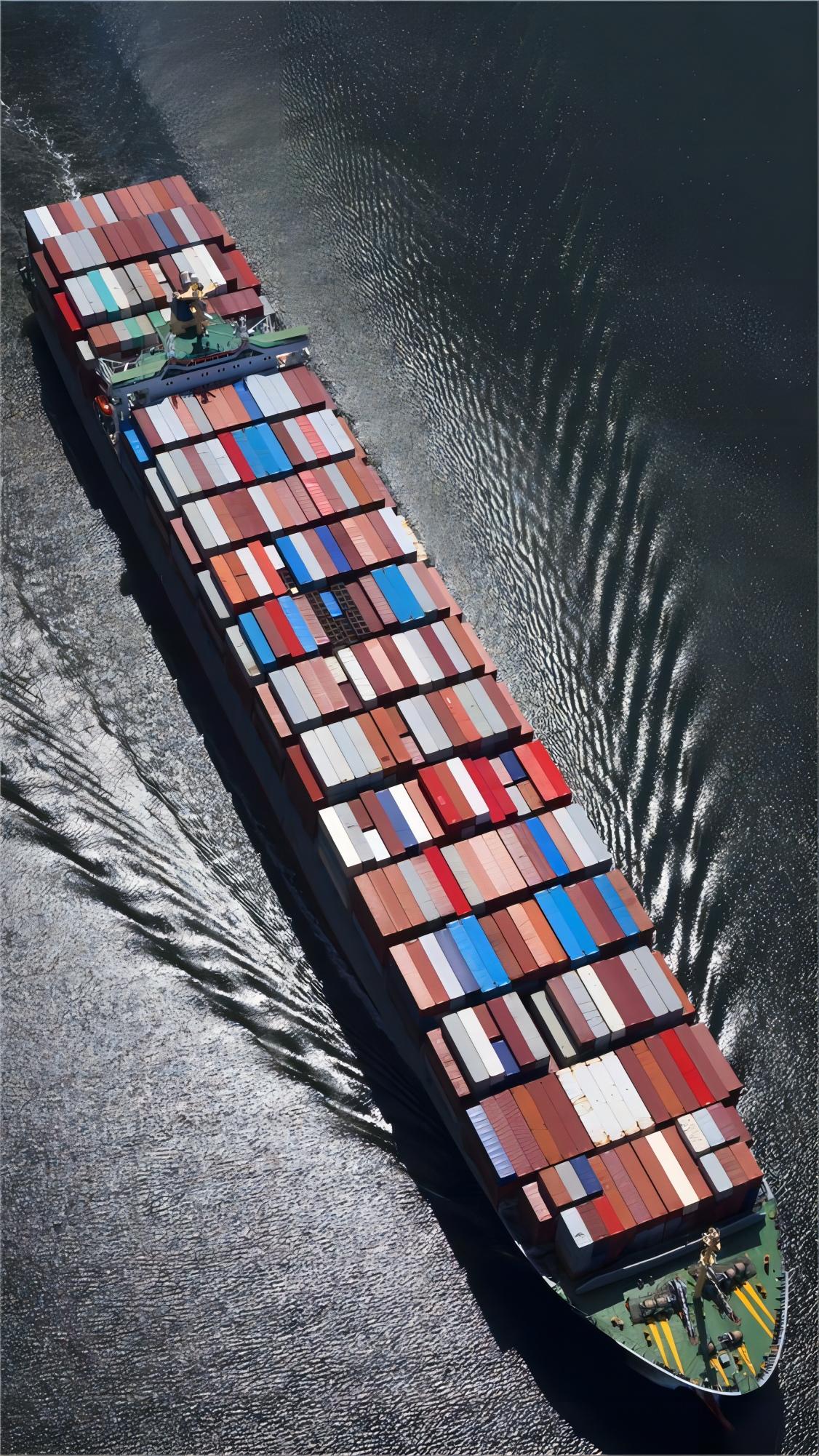
Moreover, the best services integrate advanced logistics technology to optimize routes and reduce transit times. Australian businesses often prefer this method because it minimizes the risk of damage during repeated handling. Efficiency in the supply chain directly translates to better profit margins and faster inventory turnover for your business.
How Does Door to Door Delivery Compare to Other Shipping Options?
Understanding the differences between shipping terms is essential for any business owner looking to optimize their costs. While Port-to-Port shipping might seem cheaper initially, it often hides significant expenses related to local handling and documentation. On the contrary, door to door services provide an all-inclusive rate that covers every necessary fee.
Additionally, alternative strategies like Port-to-Door or Door-to-Port require the importer to manage at least one leg of the journey independently. This often leads to coordination errors and unexpected storage fees at the wharf. Therefore, the best door to door delivery from China to Australia remains the most efficient choice for small to medium enterprises.
Market data suggests that businesses using full-service logistics save approximately 15 percent in total landed costs compared to those managing individual segments. This is because freight forwarders have established relationships with local Australian carriers, securing better rates for the final mile delivery.
| Shipping Method | Cost Range | Transit Time | Best For | Limitations |
|---|---|---|---|---|
| Door to Door (Sea) | $1,200 – $2,500 | 18-25 Days | General Cargo | Longer Transit |
| Door to Door (Air) | $5 – $12 per kg | 5-8 Days | High Value | Higher Cost |
| Express Service | $8 – $15 per kg | 3-5 Days | Urgent Samples | Weight Limits |
| Port to Port | $800 – $1,800 | 15-22 Days | Large Volume | Complex Admin |
Which Shipping Method is Best for Your Business?
Selecting between sea freight and air freight depends largely on your budget and urgency. Sea freight is the most economical option for large volumes or heavy machinery destined for Australian ports like Sydney or Melbourne. Furthermore, it allows for both Full Container Load (FCL) and Less than Container Load (LCL) configurations.
If speed is your primary concern, air freight offers the fastest connection between major Chinese hubs and Australia. While the cost per kilogram is significantly higher, the reduction in lead time can be vital for seasonal products or high-demand electronics. Consequently, many tech companies prioritize air transport to maintain a competitive edge.
Hybrid solutions are also gaining popularity in the current market environment. For instance, some importers use a mix of sea freight for core inventory and air freight for urgent restocks. This balanced approach helps manage cash flow while ensuring that stockouts never occur during peak shopping seasons in Australia.
Understanding Customs Clearance and Import Duties in Australia
Navigating the Australian Border Force requirements can be a daunting task for many new importers. Every shipment entering the country must comply with strict biosecurity and customs regulations to avoid heavy fines or delays. Engaging a professional customs brokerage service is therefore highly recommended for a smooth entry.
Import duties and the Goods and Services Tax (GST) are calculated based on the customs value of the goods. Specifically, most products imported into Australia are subject to a 10 percent GST, while customs duties vary depending on the product classification. Documentation such as the Commercial Invoice and Packing List must be meticulously prepared to ensure accuracy.
Australia also has specific requirements for wood packaging and organic materials. As a result, ensuring that your supplier uses treated pallets and provides the necessary fumigation certificates is essential. Failure to provide these documents can result in the cargo being held or even destroyed by Australian authorities.
Realistic Case Studies: China to Australia Routes
Examining real-world examples helps clarify the costs and timelines associated with different shipping scenarios. These cases reflect typical market conditions as of early 2025 and demonstrate how the best door to door delivery from China to Australia functions in practice.
Case Study 1: High-Volume Consumer Electronics Route: Shenzhen, China to Sydney, Australia Cargo: Smart Home Devices, 12 CBM, 2400 kg Container: LCL 12 CBM Shipping Details: – Carrier: COSCO – Transit: 14 days sea, 22 days total Cost Breakdown: – Ocean Freight: $1,100 – Destination Charges: $400 – Total Landed Cost: $4,950 Key Insight: Consolidating multiple SKU types into a single LCL shipment reduced per-unit costs by 15 percent.
Case Study 2: Commercial Furniture for Retail Fit-out Route: Ningbo, China to Melbourne, Australia Cargo: Office Desks, 28 CBM, 4500 kg Container: 20GP Shipping Details: – Carrier: Maersk – Transit: 18 days sea, 28 days total Cost Breakdown: – Ocean Freight: $950 – Destination Charges: $550 – Total Landed Cost: $3,600 Key Insight: Using a 20GP container provided better security for fragile furniture compared to LCL handling.
Cost-Saving Strategies for Australian Importers
Reducing your logistics expenses requires a combination of smart planning and choosing the right service level. One effective method is to consolidate shipments from multiple suppliers into a single container in China. This practice, known as buyer consolidation, significantly lowers the per-unit shipping cost compared to individual small shipments.
Additionally, timing your bookings can lead to substantial savings throughout the year. Rates typically increase by 15-25 percent during the peak season from August to October as retailers prepare for the Christmas period. Therefore, scheduling your imports during the off-peak months can help you secure much lower freight rates.
Utilizing express service options for small, high-value items can also be more economical than traditional air freight when considering total door-to-door costs. These services often include customs clearance in their flat rate, which simplifies budgeting for smaller businesses. Always request a comprehensive quote that includes all potential surcharges to avoid hidden fees.
Which Shipping Option Should You Choose?
Determining the right logistics path involves assessing your specific business priorities and cargo characteristics. If your primary goal is the lowest possible cost and you have flexible timelines, sea freight LCL or FCL is the undisputed winner. This method is ideal for bulky items like furniture, construction materials, or large retail stock.
Speed priority dictates a move toward air cargo or international express options. Businesses dealing with perishable goods, medical supplies, or urgent spare parts find that the higher cost is justified by the rapid delivery. In these cases, the best door to door delivery from China to Australia often involves a 5-day air transit window.
Volume thresholds also play a major role in your decision-making process. For shipments under 1 cubic meter, express couriers are usually the most cost-effective. Once you exceed 2-3 cubic meters, sea freight LCL becomes more attractive, and for shipments over 15 cubic meters, a full 20-foot container (FCL) typically offers the best value for money.
Summary of Shipping Success
Securing the best door to door delivery from China to Australia involves more than just finding the lowest price. It requires a partner who understands the intricacies of both the Chinese export market and Australian import regulations. By choosing a comprehensive service, you reduce the administrative burden on your team and ensure your goods arrive safely and on time.
Whether you are a new entrepreneur or an established wholesaler, the right logistics strategy is a cornerstone of business growth. As of Q1 2025, market conditions remain favorable for importers who plan ahead and utilize professional freight forwarding services. Explore our dedicated page for more details on <a href=”https://Top China Freight.com/shipping-from-china-to-australia/”>shipping from China to Australia</a> to stay updated on the latest trends and rates.
Note: Freight rates are subject to change based on fuel costs, carrier capacity, and seasonal demand. Contact us for a current quote tailored to your specific shipment.
Ready to streamline your logistics?
Ready to optimize your supply chain with the best door to door delivery from China to Australia? Contact Top China Freight today for a customized quote and expert logistics support. Visit our website to send an inquiry and start your seamless shipping journey now. Visit: https://Top China Freight.com/contact-us/
Request Quote