


Trusted Door to Door Delivery from China to Australia: The Complete 2025 Guide
Finding a trusted door to door delivery from China to Australia is a critical step for businesses looking to streamline their global supply chain operations. Many importers struggle with the complexities of international logistics, ranging from unpredictable shipping costs to strict customs regulations in Australian ports. Top China Freight provides a comprehensive solution that manages every stage of the journey, ensuring your cargo arrives safely and on schedule. By choosing a professional provider, you eliminate the stress of coordinating multiple carriers and handling complex documentation yourself.
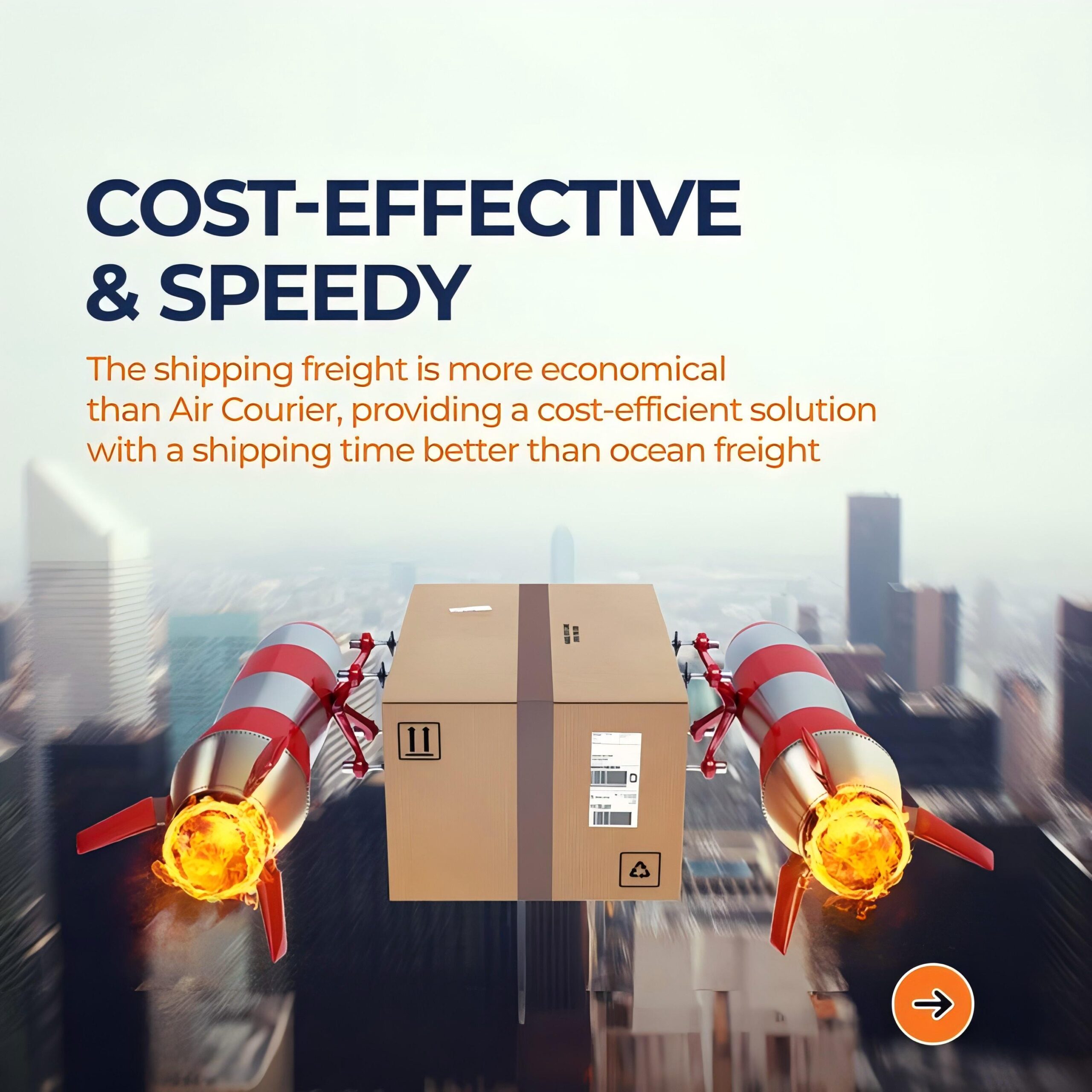
Why Choose Trusted Door to Door Delivery from China to Australia?
Reliability remains the most significant advantage when opting for a full-service logistics partner for your Australian imports. This model covers the entire process from the supplier warehouse in China directly to your doorstep in Melbourne, Sydney, or Brisbane.
Furthermore, utilizing a door to door service reduces the risk of cargo damage during multiple handling stages. Professional freight forwarders consolidate these steps into a single, managed workflow that prioritizes safety and efficiency.
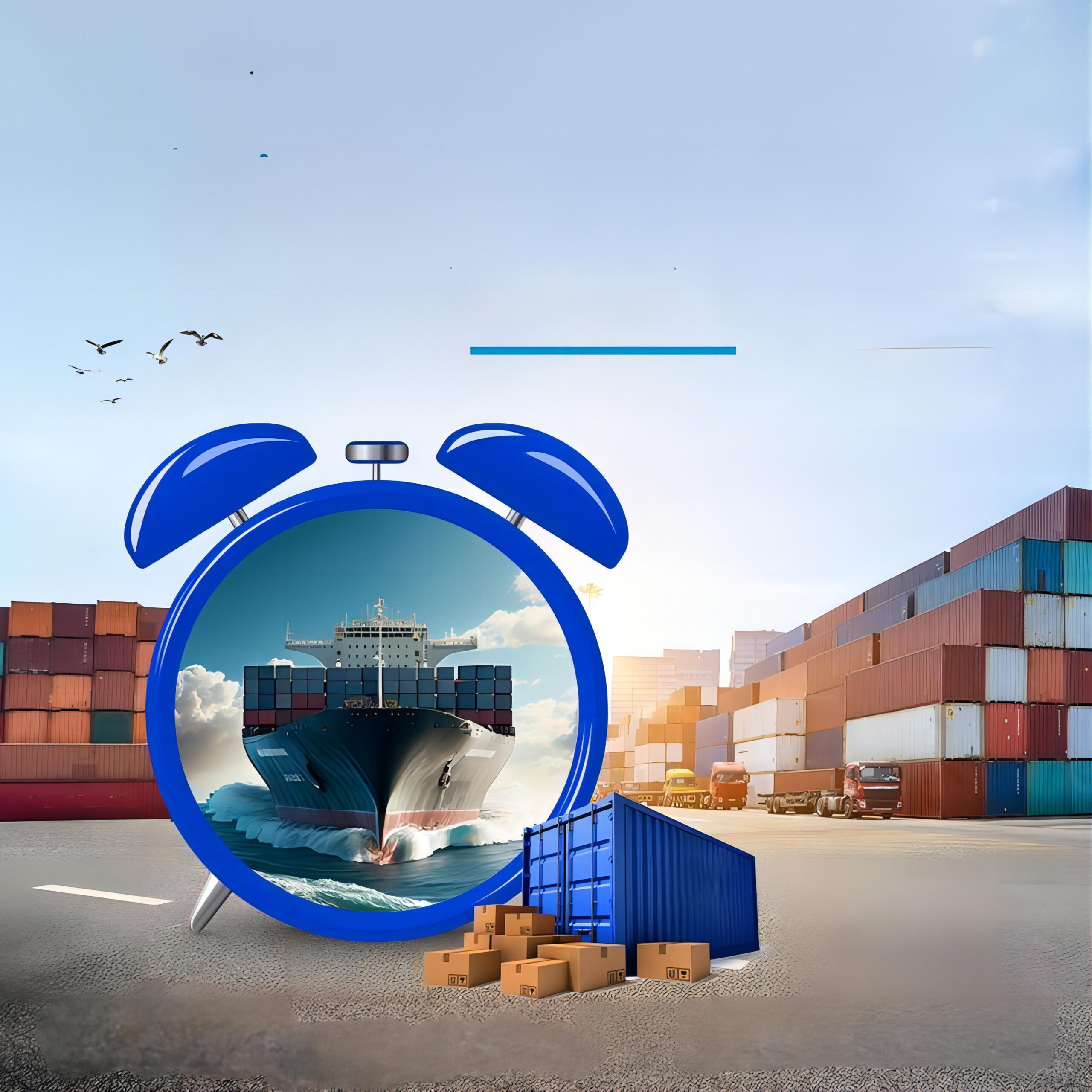
Additionally, businesses benefit from transparent pricing structures that include all local charges, ocean freight, and final delivery fees. This clarity allows for better budgeting and prevents the unexpected costs often associated with port-to-port shipping.
Consequently, you can focus on your core business operations while experts handle the intricate details of international transit and local Australian logistics.
Evaluating Sea Freight Options for Australian Imports
Ocean transport serves as the backbone of trade between China and Australia due to its cost-effectiveness for large volumes. Most businesses choose sea freight when shipping bulky items or high-quantity orders that do not require immediate delivery.
Specifically, you can select between Full Container Load (FCL) and Less than Container Load (LCL) based on your specific volume requirements. FCL is ideal for large shipments that fill an entire 20-foot or 40-foot container, offering maximum security and faster transit.
Meanwhile, LCL shipping allows smaller businesses to share container space, making it a budget-friendly option for smaller cargo loads. Although LCL requires more time for consolidation and deconsolidation, it remains a popular choice for growing enterprises.
Moreover, major ports like Shanghai, Ningbo, and Shenzhen offer frequent departures to Australian hubs such as Port Botany and the Port of Melbourne.
| Feature | FCL (Full Container) | LCL (Shared Space) | Best For |
|---|---|---|---|
| Cost Structure | Flat rate per container | Per cubic meter (CBM) | Bulk vs Small cargo |
| Transit Time | Faster (no consolidation) | Slower (consolidation needed) | Time-sensitive sea |
| Security | Higher (sealed container) | Moderate (handled more) | Fragile/High value |
| Volume Limit | 28-68 CBM | 1-15 CBM | Scalability |
How Does Sea Freight Compare to Other Shipping Options?
Understanding the trade-offs between different transport modes is essential for optimizing your logistics strategy and maintaining a healthy bottom line. While sea freight is the most common method, air freight and express services offer vital alternatives for specific business needs.
For instance, air freight provides unmatched speed, reducing transit times from weeks to just a few days. This method is particularly suitable for high-value electronics, seasonal fashion, or urgent replacement parts that cannot wait for a ship.
In contrast, sea freight costs are significantly lower, often representing only 10% to 15% of the cost of air transport for the same volume. However, the longer lead times require more advanced inventory planning and a larger buffer in your supply chain.
Therefore, many companies adopt a hybrid strategy, using sea freight for their main stock and air freight for urgent restocks or high-demand periods.
| Shipping Method | Cost Range (Est.) | Transit Time | Best For | Limitations |
|---|---|---|---|---|
| Sea Freight (FCL) | $1,200 – $2,000 | 12-22 Days | Bulk goods | Longer lead time |
| Sea Freight (LCL) | $80 – $150/CBM | 18-28 Days | Small shipments | Handling risks |
| Air Freight | $4.50 – $8.50/kg | 3-7 Days | High value | Expensive |
| Express Service | $7.00 – $12.00/kg | 2-5 Days | Samples/Small parcels | Highest cost |
Which Option Should You Choose?
Choosing the right method depends on your budget priority, speed requirements, and the nature of your cargo. If your primary goal is to minimize landed costs, sea freight is the indubitable winner for almost every scenario.
However, if you are launching a new product or responding to a sudden market surge, the speed of air freight justifies the higher investment. You should also consider the volume thresholds; once a shipment exceeds 100kg, air freight becomes more economical than express courier services.
Additionally, for shipments between 15 and 20 CBM, it is often cheaper to book a full 20GP container rather than paying for LCL space. This strategy not only saves money but also provides a faster, more secure transit for your goods.
Note: Freight rates are subject to change based on fuel costs, carrier capacity, and seasonal demand. Contact us for a current quote tailored to your specific shipment.
Case Study 1: Electronics Distribution to Sydney
Case Study 01: High-Value Electronics Batch Route: Shenzhen, China to Sydney, Australia Cargo: Consumer electronics, 5 CBM, 1,200 kg Container: LCL 5 CBM Shipping Details: – Carrier/Service: Direct LCL service – Port of Loading: Shenzhen (Yantian) – Port of Discharge: Sydney (Port Botany) – Route Type: Direct Cost Breakdown: – Ocean Freight: $650 – Origin Charges: $220 – Destination Charges: $380 – Customs and Duties: $1,450 (GST included) – Total Landed Cost: $2,700 Timeline: – Booking to Loading: 3 days – Sea Transit: 14 days – Customs Clearance: 2 days – Total Door-to-Door: 19 days Key Insight: Using a direct LCL route from Shenzhen to Sydney minimized handling and ensured the electronics arrived without damage while keeping costs significantly lower than air freight.
Case Study 2: Commercial Furniture for Melbourne Showroom
Case Study 02: Full Showroom Inventory Route: Ningbo, China to Melbourne, Australia Cargo: Office furniture, 26 CBM, 4,500 kg Container: 20GP Full Container Load Shipping Details: – Carrier/Service: COSCO Shipping – Port of Loading: Ningbo-Zhoushan – Port of Discharge: Port of Melbourne – Route Type: Direct Cost Breakdown: – Ocean Freight: $1,400 – Origin Charges: $350 – Destination Charges: $450 – Customs and Duties: $2,100 – Total Landed Cost: $4,300 Timeline: – Booking to Loading: 5 days – Sea Transit: 18 days – Customs Clearance: 3 days – Total Door-to-Door: 26 days Key Insight: Opting for FCL allowed the client to pack the container efficiently, reducing the cost per unit of furniture and providing a dedicated space that eliminated the risk of contamination from other cargo.
Navigating Customs and Documentation for Australia
Successfully clearing Australian customs requires meticulous attention to detail and a thorough understanding of local regulations. The Australian Border Force (ABF) and the Department of Agriculture, Fisheries and Forestry (DAFF) have strict requirements for all incoming cargo.
Specifically, you must ensure that all wood packaging materials comply with ISPM 15 standards to avoid expensive fumigation delays or cargo rejection. A professional customs brokerage service is invaluable for managing these biosecurity risks.
Moreover, accurate documentation such as the Commercial Invoice, Packing List, and Packing Declaration is non-negotiable for a smooth entry. Errors in these documents can lead to significant storage fees at the port and potential fines from authorities.
Indeed, having a trusted partner who understands the specific requirements for shipping from China to Australia ensures that your goods move through the border without unnecessary interruptions.
Alternative Logistics Strategies for Cost Savings
Implementing alternative strategies can help you navigate market fluctuations and reduce your overall logistics spend. For instance, consolidating shipments from multiple suppliers in China into a single FCL container can save thousands of dollars in local handling fees.
Furthermore, consider transshipment through hubs like Singapore if direct routes to your specific Australian city are currently overpriced. While this adds 5-7 days to the transit time, it can often reduce ocean freight costs by 10% to 15% during peak seasons.
Another effective approach involves early booking; securing your container space at least 3-4 weeks in advance typically yields better rates than last-minute arrangements. This is especially true during the pre-Chinese New Year rush when capacity is at a premium.
Consequently, a proactive approach to planning your delivery schedule allows you to take advantage of lower freight rates and more reliable carrier schedules.
Final Thoughts on Reliable China-Australia Shipping
Establishing a trusted door to door delivery from China to Australia is a foundational element for any successful import business. By understanding the differences between sea and air freight, and utilizing professional customs expertise, you can significantly reduce your operational risks.
Market data from early 2025 suggests that while rates have stabilized, the importance of choosing a reliable partner remains higher than ever. Whether you are shipping small LCL batches or full containers, the right logistics strategy will protect your margins and ensure customer satisfaction.
Ultimately, the goal is to create a seamless flow of goods that supports your business growth without the constant headache of logistics delays. We invite you to leverage our expertise and global network to optimize your shipping routes today.
Ready to streamline your logistics?
Streamline your supply chain today with our trusted door to door delivery from China to Australia. Contact our logistics experts for a personalized quote and experience hassle-free shipping that grows your business. Visit our inquiry page to get started: Send Inquiry
Request Quote