


Best Sea Freight from China to Germany: 2025 Logistics Guide | How to Find the Best Sea Freight from China to Germany: E
Choosing the best sea freight from China to Germany is a critical decision for any importer aiming to balance cost-efficiency with reliable delivery schedules. At Top China Freight, we specialize in navigating the complexities of international logistics to ensure your cargo arrives safely and on time. This guide explores the various facets of ocean transport to help you optimize your international supply chain and reduce overall landed costs.
What Defines the Best Sea Freight from China to Germany?
Identifying the best sea freight from China to Germany requires a thorough understanding of your specific cargo needs and the current market landscape. Businesses must evaluate several factors, including transit times, freight rates, and the reliability of the shipping line.
Furthermore, the choice between different service levels can significantly impact your bottom line and inventory management. Consequently, many experienced importers prioritize a balance between speed and budget rather than simply choosing the lowest price.
Moreover, working with a knowledgeable forwarder ensures that you benefit from established carrier relationships and optimized routing. Therefore, selecting the sea freight option that aligns with your delivery deadlines is paramount for maintaining customer satisfaction.
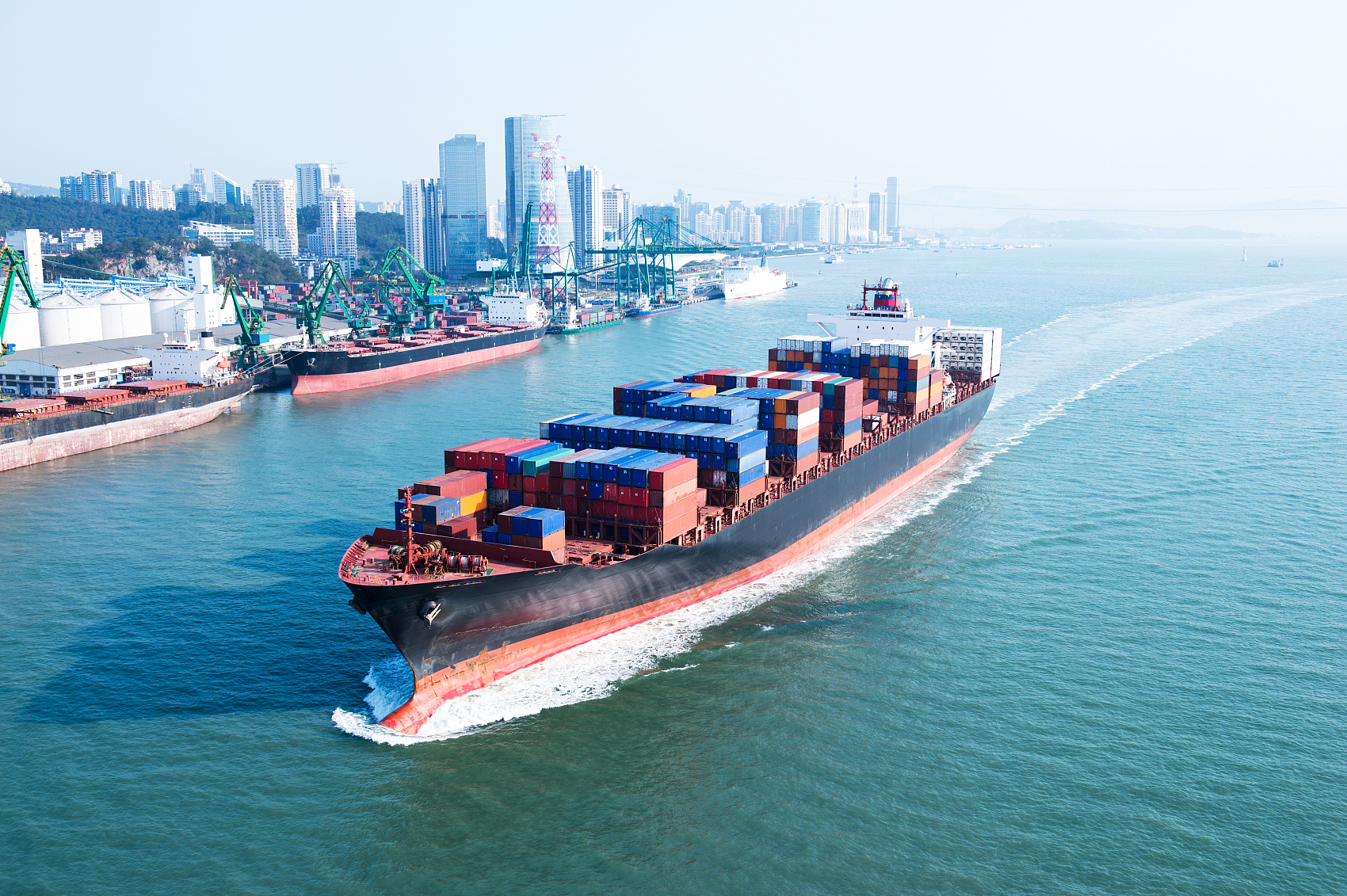
Additionally, sea freight remains the most economical choice for bulky items or large volume shipments that do not require the urgency of aviation transport. Indeed, for most consumer goods and industrial components, ocean transport is the backbone of the China-Germany trade route.
FCL vs LCL: Finding the Best Option for Your Cargo
When planning your shipment, you must decide between Full Container Load (FCL) and Less than Container Load (LCL) services. FCL is generally the best sea freight from China to Germany choice for shipments exceeding 15 cubic meters as it offers better security and faster handling.
In contrast, LCL allows smaller businesses to share container space, making it a cost-effective alternative for modest cargo volumes. However, LCL shipments often involve longer transit times due to the consolidation and deconsolidation processes at the ports.
Specifically, FCL shipments are sealed at the origin and only opened at the destination, which reduces the risk of damage or loss. As a result, high-value or fragile goods are typically better suited for full container transport.
Nevertheless, LCL provides the flexibility needed for startups and businesses with fluctuating inventory levels. Understanding the volume thresholds where FCL becomes more economical than LCL is a vital part of logistics planning.
| Feature | FCL (Full Container) | LCL (Shared Container) | Best For |
|---|---|---|---|
| Cost Basis | Flat rate per container | Rate per cubic meter | Varies by volume |
| Security | High (Sealed unit) | Moderate (Shared) | Fragile goods (FCL) |
| Transit Time | Faster (Direct) | Slower (Consolidation) | Urgent cargo (FCL) |
| Volume | 15+ CBM | 1-14 CBM | Small loads (LCL) |
Key Ports and Routes for Shipping to Germany
Major Chinese ports such as Shanghai, Ningbo, Shenzhen, and Qingdao serve as the primary gateways for exports to Europe. Each port offers different advantages depending on the location of your supplier and the available vessel schedules.
Similarly, the choice of German discharge ports like Hamburg, Bremerhaven, or Wilhelmshaven can influence your final inland delivery costs. Hamburg, being the largest port in Germany, offers the most frequent connections and robust hinterland infrastructure.
Furthermore, some importers choose to discharge cargo at Rotterdam or Antwerp before transporting it via barge or rail into Germany. This strategy can sometimes offer lower ocean freight rates or better transit times for certain southern German destinations.
Consequently, analyzing the entire route from the factory floor to your warehouse is essential for determining the most efficient logistics path. Notably, port congestion and seasonal weather patterns can occasionally disrupt even the most well-planned schedules.
How Does Sea Freight Compare to Other Shipping Options?
While sea freight is the most common method, other modes like rail freight and air freight offer viable alternatives. Rail freight has gained popularity as a middle-ground solution, offering faster transit than sea at a lower cost than air.
Specifically, the Iron Silk Road connects major Chinese hubs to German cities like Duisburg and Hamburg in approximately 15 to 22 days. In contrast, sea freight typically takes between 30 and 45 days depending on the specific route and port calls.
However, air freight remains the undisputed leader for speed, delivering goods in as little as 3 to 7 days. Therefore, businesses must weigh the high cost of air transport against the potential lost sales or production delays caused by slower ocean transit.
Moreover, hybrid solutions like sea-air or sea-rail are becoming increasingly common for shippers looking to optimize both cost and time. These multi-modal strategies allow for greater flexibility in responding to supply chain disruptions.
| Shipping Method | Cost Range | Transit Time | Best For |
|---|---|---|---|
| Sea Freight | $1,800 – $4,200 | 30-45 Days | Bulk/Low-value |
| Rail Freight | $4,000 – $7,000 | 15-22 Days | Medium-value/Urgent |
| Air Freight | $5.00 – $9.00/kg | 3-7 Days | High-value/Critical |
| Express | $8.00 – $15.00/kg | 2-5 Days | Samples/Small parcels |
Calculating the Cost of Sea Freight to Germany
Ocean freight rates are influenced by several variables, including fuel surcharges (BAF), currency fluctuations (CAF), and seasonal demand peaks. As of early 2025, market data suggests that rates have stabilized following the significant disruptions experienced in previous years.
Additionally, importers must account for local charges at both the origin and destination, such as terminal handling charges (THC) and documentation fees. For instance, destination charges in Germany can often surprise new importers if they are not clearly outlined in the initial quote.
Furthermore, customs duties and taxes are based on the HS code of your products and the total value of the shipment. Consequently, accurate classification is crucial to avoid overpaying or facing penalties from German customs authorities.
Indeed, requesting an all-in quote from your freight forwarder is the best way to avoid hidden costs. Always ensure that the quote specifies whether it includes door-to-door delivery or only port-to-port transport.
Real Case Studies: Shipping from China to Germany
Case Study 1: Electronics from Shenzhen to Hamburg. A technology firm required the best sea freight from China to Germany for a shipment of 4000 laptops. By utilizing a 40HQ container and booking 21 days in advance, they secured a rate of $3,400 with a total transit time of 34 days. The key insight was that early booking avoided a planned General Rate Increase (GRI).
Case Study 2: Furniture from Ningbo to Bremerhaven. A retail startup imported 8 CBM of home decor items using LCL services. The ocean freight cost was $680, with a total door-to-door timeline of 45 days. Although LCL took longer, the cost savings compared to a 20GP container were approximately 45%, proving ideal for their budget.
Case Study 3: Industrial Machinery from Shanghai to Duisburg. A manufacturing plant used a sea-rail hybrid route to balance cost and speed. The cargo was shipped by sea to Rotterdam and then moved by barge to Duisburg. This method cost $2,900 in total and arrived in 38 days, providing a reliable solution for heavy equipment.
Note: Freight rates are subject to change based on fuel costs, carrier capacity, and seasonal demand. Contact us for a current quote tailored to your specific shipment.
Customs Clearance and Required Documentation
Navigating German customs requires meticulous attention to detail and a complete set of shipping documents. The essential paperwork includes the Commercial Invoice, Packing List, and the Bill of Lading, which serves as the title to the goods.
Moreover, certain products may require additional certificates, such as CE marking for electronics or phytosanitary certificates for wooden items. Utilizing a professional customs brokerage service can prevent costly delays and ensure compliance with EU regulations.
Consequently, any errors in documentation can lead to storage fees at the port or even the seizure of the cargo. Therefore, verifying all details with your supplier before the ship departs from China is a vital step in the process.
Additionally, understanding the EORI number requirement is essential for all businesses importing into the European Union. Without this identification number, your goods cannot be cleared through the German customs system.
Which Option Should You Choose? Decision Framework
Selecting the best shipping method depends heavily on your business priorities, whether they be budget, speed, or cargo safety. If your primary goal is cost reduction and you have flexible timelines, standard sea freight is undoubtedly the most suitable choice.
On the other hand, if you are shipping high-value electronics or seasonal fashion items, the speed of rail or air might justify the higher expense. Furthermore, for shipments that require a seamless experience, a door to door service handles all logistics from the factory to your final destination.
Specifically, consider sea freight for volumes over 2 CBM and weights over 200 kg where time is not the most critical factor. In contrast, use air freight for urgent replacements or small, high-margin products that cannot wait for a month-long ocean voyage.
Ultimately, the best sea freight from China to Germany is the one that minimizes your total landed cost while meeting your customers’ expectations. Regularly reviewing your logistics strategy with a professional partner helps you adapt to changing market conditions.
Market Intelligence and 2025 Logistics Trends
The logistics industry is currently seeing a shift toward digitalization and increased transparency in tracking shipments. Importers can now access real-time data regarding the location and status of their containers, allowing for better inventory planning.
Notably, sustainability is also becoming a key factor, with many carriers introducing greener fuels and carbon offset programs. Consequently, businesses that prioritize environmental responsibility may find new opportunities to enhance their brand image through eco-friendly shipping choices.
Moreover, the ongoing diversification of supply chains means that while China remains the primary hub, many German companies are exploring multi-sourcing strategies. Nevertheless, the efficiency of the China-Germany sea route continues to improve with the introduction of larger vessels and automated port terminals.
As a result, staying informed about these trends allows you to make proactive decisions rather than reactive ones. Understanding the market context is just as important as knowing the current freight rates.
Final Thoughts on Choosing the Best Sea Freight
In summary, finding the best sea freight from China to Germany involves a careful analysis of costs, transit times, and service reliability. By understanding the differences between FCL and LCL, and leveraging the strengths of various German ports, you can significantly enhance your supply chain efficiency.
Furthermore, partnering with an experienced logistics provider ensures that you remain compliant with customs regulations and avoid unnecessary delays. As market conditions evolve in 2025, maintaining a flexible and informed approach to ocean freight will be the key to your business success in the international trade arena.
Ready to streamline your logistics?
Ready to secure the best sea freight from China to Germany for your next shipment? Contact our expert team today to receive a competitive, all-inclusive quote tailored to your specific cargo needs. Visit Top China Freight and let us simplify your international logistics journey now.
Request Quote