

Professional Sea Freight from China to France: 2025 Shipping Guide
Navigating the complexities of international logistics requires a reliable partner to ensure your goods arrive safely and on time. Many businesses face significant challenges when managing professional sea freight from China to France due to fluctuating market rates and strict customs regulations. At Top China Freight, we provide comprehensive solutions that simplify the entire supply chain process for importers and exporters alike. This guide will explore the most efficient strategies to optimize your shipping operations while maintaining cost-effectiveness in today’s global economy.
Why Choose Professional Sea Freight from China to France?
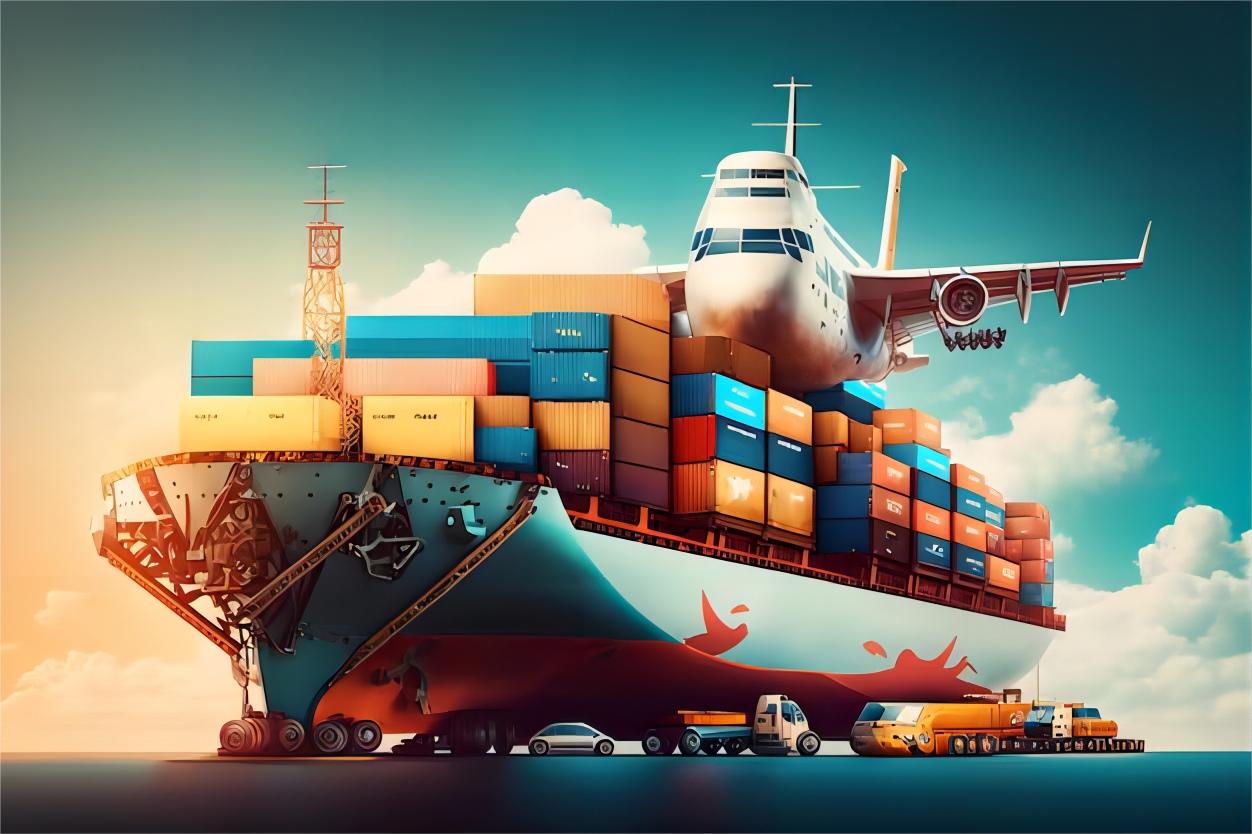
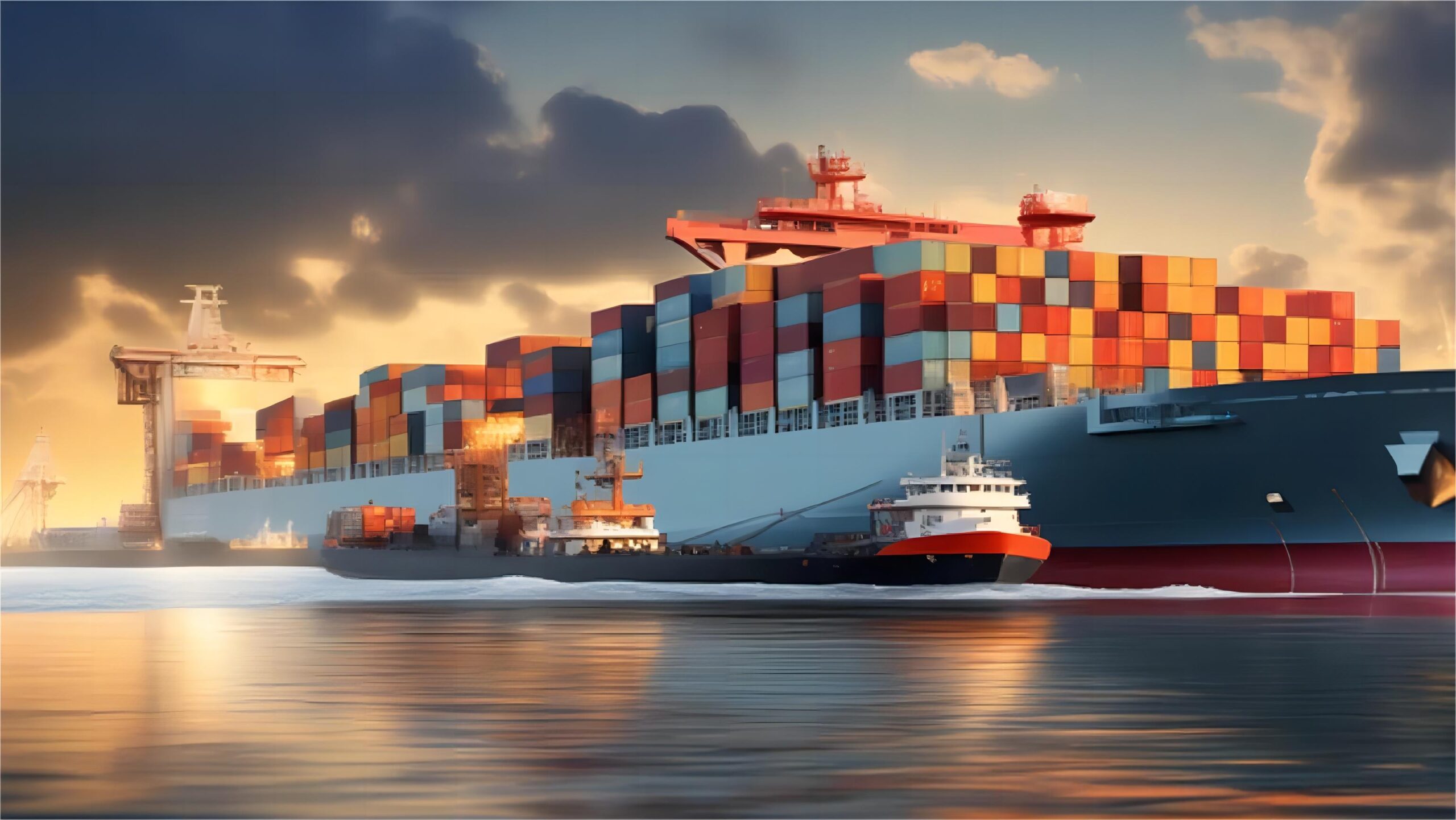
Sea freight remains the backbone of global trade because it offers the most economical way to transport large volumes of cargo over long distances. Specifically, choosing professional sea freight from China to France allows businesses to move massive quantities of stock at a fraction of the cost of air transport. Furthermore, the environmental impact of ocean shipping is significantly lower than other modes, making it a sustainable choice for modern enterprises.
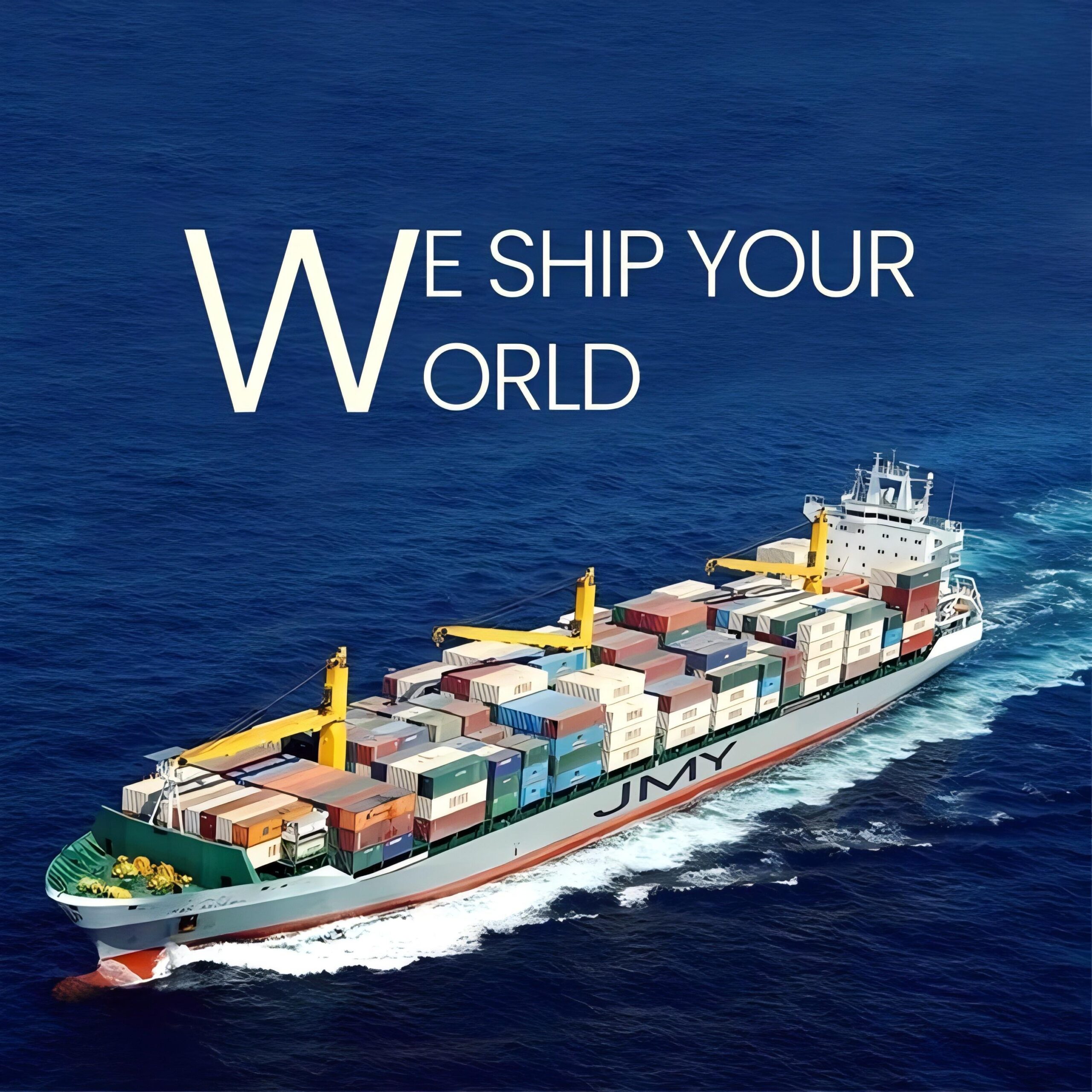
Moreover, the capacity of modern container ships ensures that even the largest industrial machinery or bulk consumer goods can be accommodated easily. Consequently, companies can plan their inventory cycles with greater predictability by utilizing established maritime schedules. Indeed, the stability provided by ocean carriers helps maintain a consistent flow in the global supply chain.
Additionally, sea freight services offer various options such as refrigerated containers for perishable items or open-top containers for oversized equipment. This versatility ensures that regardless of your product type, there is a maritime solution available. Therefore, understanding the nuances of this shipping method is essential for any business importing from Chinese manufacturing hubs.
Comparing FCL and LCL Shipping Methods
When booking sea cargo, you must decide between Full Container Load (FCL) and Less than Container Load (LCL) based on your shipment volume. FCL is generally preferred for shipments that can fill a 20ft or 40ft container, as it provides exclusive use of the space. In contrast, LCL involves sharing container space with other shippers, which is ideal for smaller loads under 15 cubic meters.
However, FCL often results in faster transit times because the container does not need to be consolidated or de-consolidated at various ports. Nevertheless, LCL remains a vital tool for small and medium-sized enterprises looking to manage their cash flow without ordering massive quantities. For those needing speed, air freight might be an alternative, but the cost difference is substantial.
Accordingly, you should calculate the total landed cost for both methods before making a final decision. For instance, sometimes a nearly full container is cheaper to ship via FCL than paying the per-cubic-meter rates of LCL. Without a doubt, choosing the right method significantly impacts your overall profit margins.
| Feature | FCL (Full Container) | LCL (Shared Container) | Best For |
|---|---|---|---|
| Volume | Over 15 CBM | 1 to 15 CBM | FCL for bulk |
| Security | High (Sealed) | Moderate (Shared) | FCL for fragile |
| Cost | Flat rate per box | Rate per CBM | LCL for small |
| Transit Time | Faster (Direct) | Slower (Consolidation) | FCL for speed |
How Does Professional Sea Freight from China to France Compare to Other Options?
While ocean shipping is the most popular choice, it is important to analyze all available transport modes to ensure your logistics strategy is robust. For example, rail freight offers a middle ground between the speed of air and the low cost of sea. Specifically, the Iron Silk Road connects Chinese hubs to European terminals in approximately 18 to 22 days.
On the other hand, sea freight typically takes between 30 and 45 days depending on the specific route and port congestion. Meanwhile, air transport can deliver goods in as little as 3 to 7 days but at a cost that is often five to ten times higher. Consequently, sea freight is almost always the winner for non-urgent, high-volume shipments.
In addition, hybrid solutions like sea-air combinations are becoming more popular for businesses trying to balance cost and delivery speed. These methods involve shipping goods by sea to a hub like Dubai and then flying them to France. Ultimately, your choice depends on your specific budget, deadline, and the nature of the cargo being moved.
| Method | Cost Range (Est.) | Transit Time | Main Benefit |
|---|---|---|---|
| Sea Freight | $2,000 – $4,500 | 30 – 45 Days | Lowest Cost |
| Rail Freight | $4,000 – $7,000 | 18 – 25 Days | Balanced |
| Air Freight | $15,000 – $25,000 | 3 – 7 Days | Maximum Speed |
| Express | $20,000+ | 2 – 5 Days | Door-to-Door |
Major Shipping Routes and Port Hubs
Understanding the geography of professional sea freight from China to France helps in selecting the most efficient ports of loading and discharge. Major Chinese ports such as Shanghai, Ningbo-Zhoushan, and Shenzhen handle the majority of France-bound traffic. Indeed, Shanghai is currently the busiest container port in the world, offering the highest frequency of departures.
Once the ships reach French waters, they primarily dock at Le Havre, Marseille-Fos, or Dunkirk. Le Havre is the main gateway for the Paris region and northern France, while Marseille serves as a vital hub for southern destinations and Mediterranean trade. Therefore, choosing a port closer to your final warehouse can significantly reduce inland haulage costs.
Furthermore, transshipment via major hubs like Singapore or Algeciras is common for certain routes to optimize vessel capacity. Although direct routes are slightly more expensive, they reduce the risk of delays during the unloading and reloading process. For many, utilizing a customs brokerage at the port of entry is essential to handle the complex paperwork required by French authorities.
Estimating Transit Times for Sea Cargo
The time it takes for your shipment to travel from China to France depends on several variables including weather, route, and carrier efficiency. Typically, a direct voyage from Shenzhen to Le Havre takes about 30 to 35 days under normal conditions. In contrast, shipments from northern ports like Qingdao may take 40 days or more due to the additional distance.
Meanwhile, seasonal peaks such as the period before the Lunar New Year or the Q4 holiday rush can lead to port congestion and longer wait times. Consequently, it is wise to book your space at least 3 to 4 weeks in advance during these busy periods. Moreover, unexpected disruptions like the Red Sea situation can force vessels to take longer routes around the Cape of Good Hope.
As a result, businesses should always build a buffer into their delivery schedules to account for potential maritime delays. For instance, a one-week delay at the port of loading can ripple through the entire supply chain. To mitigate these risks, many importers opt for door to door services that provide better end-to-end visibility.
Understanding Freight Costs and Pricing Factors
Freight rates for professional sea freight from China to France are highly volatile and influenced by global fuel prices and container availability. As of early 2025, rates have stabilized somewhat but remain higher than pre-2020 averages due to increased operational costs. Specifically, a 40HQ container might range from $3,500 to $4,800 depending on the season and carrier.
In addition to the base ocean freight, you must account for various surcharges such as the Bunker Adjustment Factor (BAF) and Currency Adjustment Factor (CAF). Furthermore, local charges at both the origin and destination ports can add several hundred dollars to your final bill. These include Terminal Handling Charges (THC), documentation fees, and port security fees.
Therefore, requesting an all-in quote is the best way to avoid hidden costs that can surprise inexperienced importers. For example, inland trucking from the port to your final warehouse in Lyon or Bordeaux must be factored into the total logistics budget. Note: Freight rates are subject to change based on fuel costs, carrier capacity, and seasonal demand. Contact us for a current quote tailored to your specific shipment.
Customs Clearance and Documentation Requirements
Importing goods into France requires strict adherence to European Union customs regulations and precise documentation. The most critical documents include the Commercial Invoice, Packing List, and the Bill of Lading, which acts as the title to the goods. Additionally, a Certificate of Origin may be required to determine the applicable duty rates under various trade agreements.
Moreover, certain products like electronics or toys must comply with CE marking requirements to be legally sold in the French market. Failure to provide the correct certifications can lead to expensive delays or even the seizure of your cargo by customs officials. Consequently, working with an experienced freight forwarder is highly recommended to navigate these administrative hurdles.
Indeed, the French customs authority (Douane) is known for its meticulous inspection of import declarations. Specifically, ensuring that your HS Codes are accurate will prevent overpayment of duties or penalties for misclassification. Without a doubt, professional guidance in this area is a prerequisite for a successful shipping experience.
Realistic Case Studies for China-France Routes
Case Study 1: Electronics Shipment from Shenzhen to Paris. Route: Shenzhen -> Le Havre. Cargo: Consumer electronics, 28 CBM, 4,500 kg. Container: 1 x 40GP. Shipping Details: Direct service via major carrier. Cost Breakdown: Ocean Freight $3,200; Origin Charges $450; Destination Charges $600; Total Landed Cost $4,250. Timeline: 34 days total. Key Insight: Booking 4 weeks early avoided Q4 peak season surcharges.
Case Study 2: Industrial Parts from Ningbo to Lyon. Route: Ningbo -> Marseille -> Lyon. Cargo: Steel components, 8 CBM, 2,200 kg. Container: LCL shipment. Shipping Details: Transshipment via Singapore. Cost Breakdown: Ocean Freight $640 ($80/CBM); Origin/Dest Charges $550; Customs/Duties $1,200; Total Landed Cost $2,390. Timeline: 42 days total. Key Insight: Using the southern port of Marseille saved $300 in domestic trucking costs compared to Le Havre.
Case Study 3: Furniture Import from Qingdao to Bordeaux. Route: Qingdao -> Le Havre -> Bordeaux. Cargo: Wooden furniture, 65 CBM, 8,000 kg. Container: 1 x 40HQ. Shipping Details: Direct route. Cost Breakdown: Ocean Freight $4,100; Port Fees $800; Delivery $1,100; Total Landed Cost $6,000. Timeline: 38 days total. Key Insight: Proper palletization reduced loading time and prevented damage during the long sea voyage.
Which Shipping Option Should You Choose?
Deciding on the best shipping method requires a careful evaluation of your business priorities and cargo characteristics. If your primary goal is cost reduction and you have a flexible timeline, sea freight is the clear winner for large volumes. However, if you are launching a new product or replenishing urgent stock, the speed of air freight may justify the higher expense.
For shipments between 10 and 15 CBM, you should always compare the price of a full 20ft container versus LCL rates. In many cases, the security and speed of FCL make it the better value even if the container is not completely full. Additionally, consider the final destination; for northern France, Le Havre is optimal, while Marseille serves the south more efficiently.
Ultimately, a successful logistics strategy often involves a mix of different transport modes. For instance, you might ship the bulk of your inventory by sea while using express services for small, high-value samples. By diversifying your approach, you can maintain a resilient supply chain that can withstand market fluctuations and unexpected delays.
Final Thoughts on Shipping from China to France
In conclusion, mastering professional sea freight from China to France is essential for any business looking to scale its international operations. By understanding the differences between FCL and LCL, selecting the right ports, and preparing for customs, you can significantly reduce both costs and risks. Furthermore, staying informed about market trends and transit times will allow you to make better strategic decisions for your supply chain.
As we move through 2025, the importance of a reliable logistics partner cannot be overstated. Whether you are shipping small batches or massive industrial equipment, the right approach to ocean freight will ensure your business remains competitive. We encourage you to use the data and frameworks provided in this guide to optimize your next shipment and achieve long-term success in the French market.
Ready to streamline your logistics?
Ready to streamline your imports? Contact Top China Freight today for a customized quote on professional sea freight from China to France and let our experts handle your logistics with precision. Visit our website to learn more about our end-to-end solutions. Send Inquiry:
Request Quote