

Cheap LCL Shipping from China to Australia: The Complete Guide
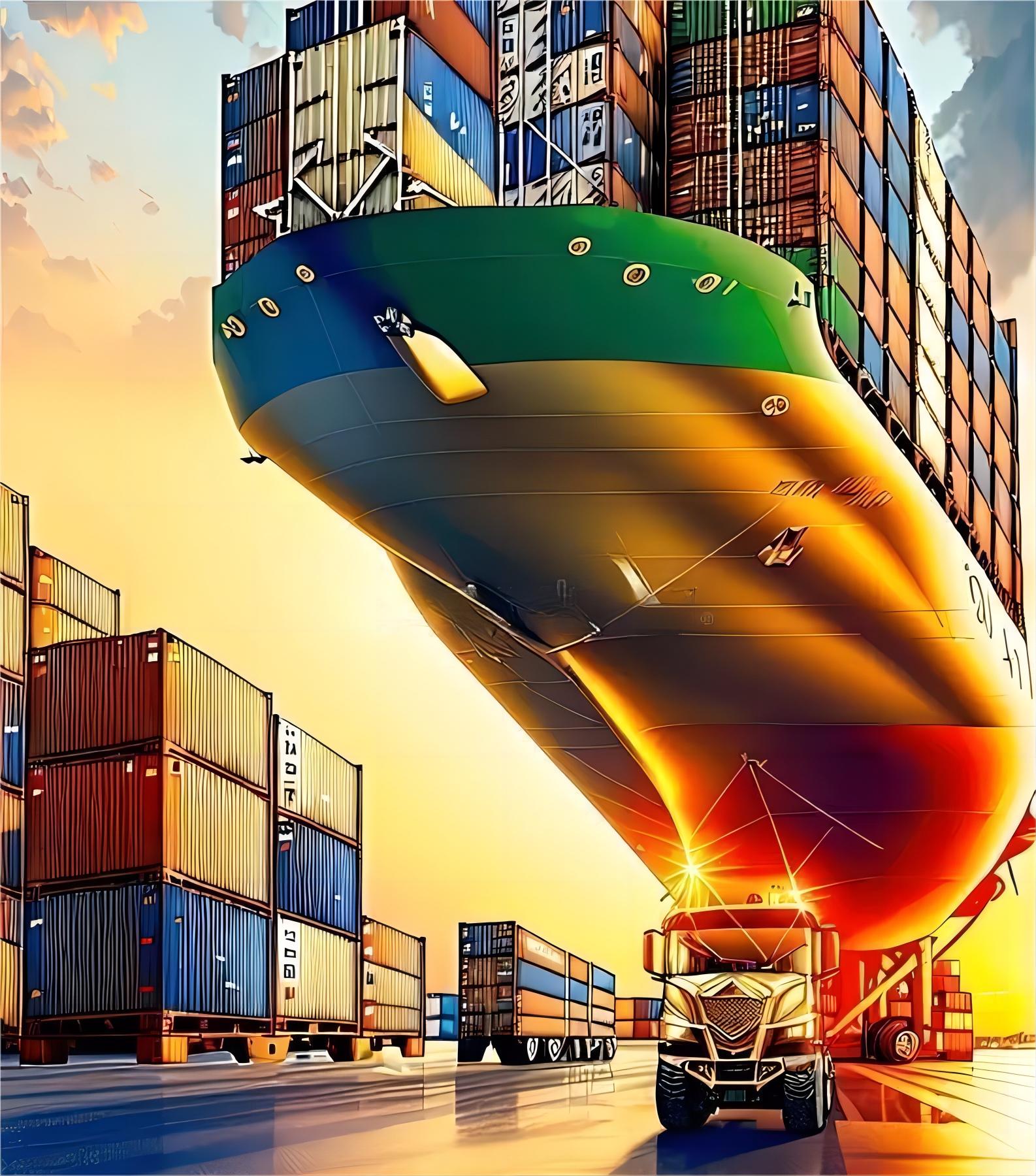
Finding cheap LCL shipping from China to Australia is a top priority for businesses looking to optimize their supply chain costs. Navigating the complexities of international logistics requires a reliable partner like Top China Freight to ensure your cargo arrives safely. Consequently, understanding how consolidation works can help you significantly reduce your overall transport expenses while maintaining a consistent delivery schedule.
How Does Cheap LCL Shipping Compare to Other Shipping Options?
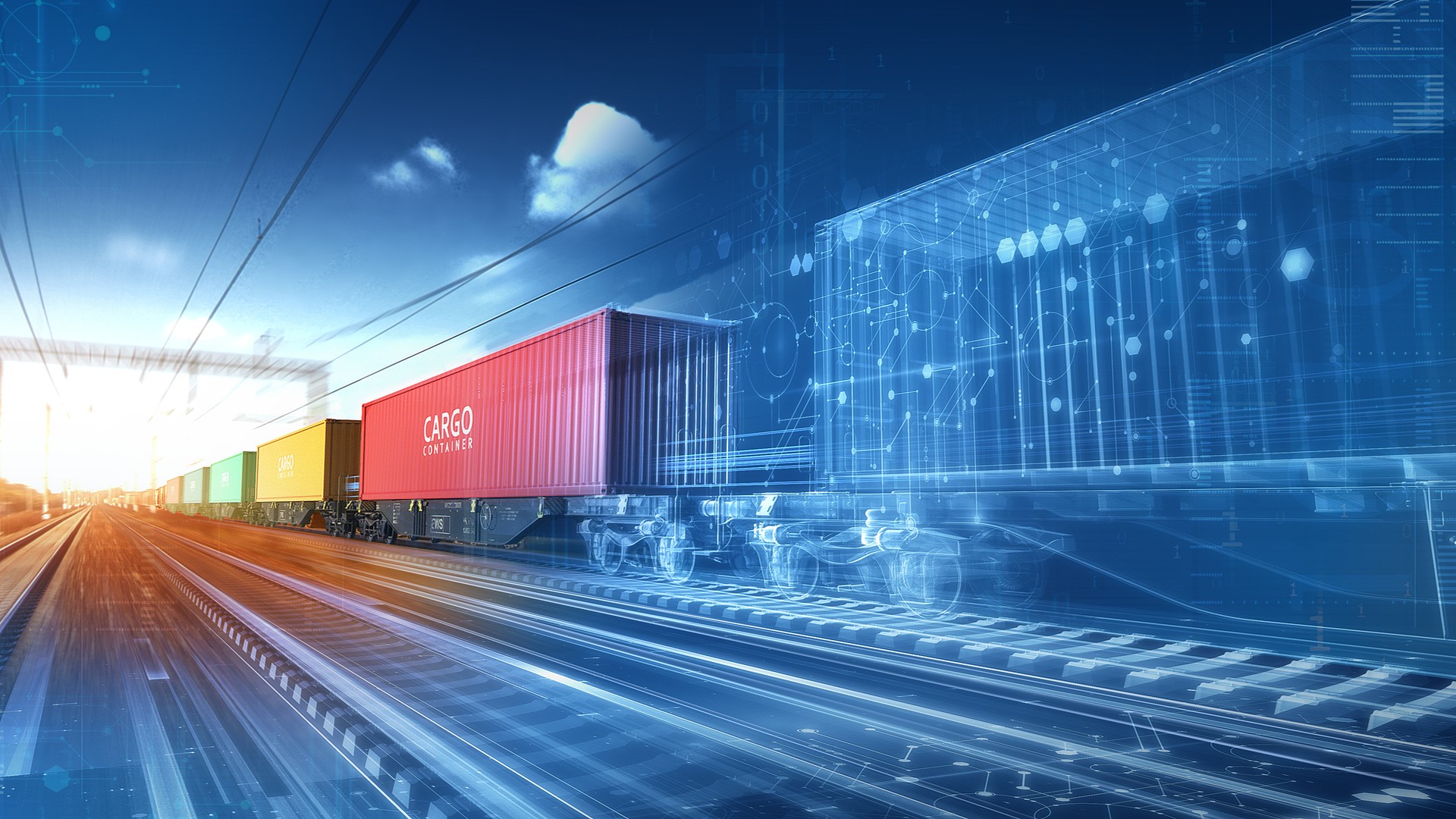
Determining the most cost-effective method for your goods involves comparing various transport modes based on volume and urgency. LCL or Less than Container Load is specifically designed for shippers who do not have enough cargo to fill an entire 20-foot or 40-foot container. However, you must weigh the benefits of shared space against the potential for slightly longer handling times at the port.
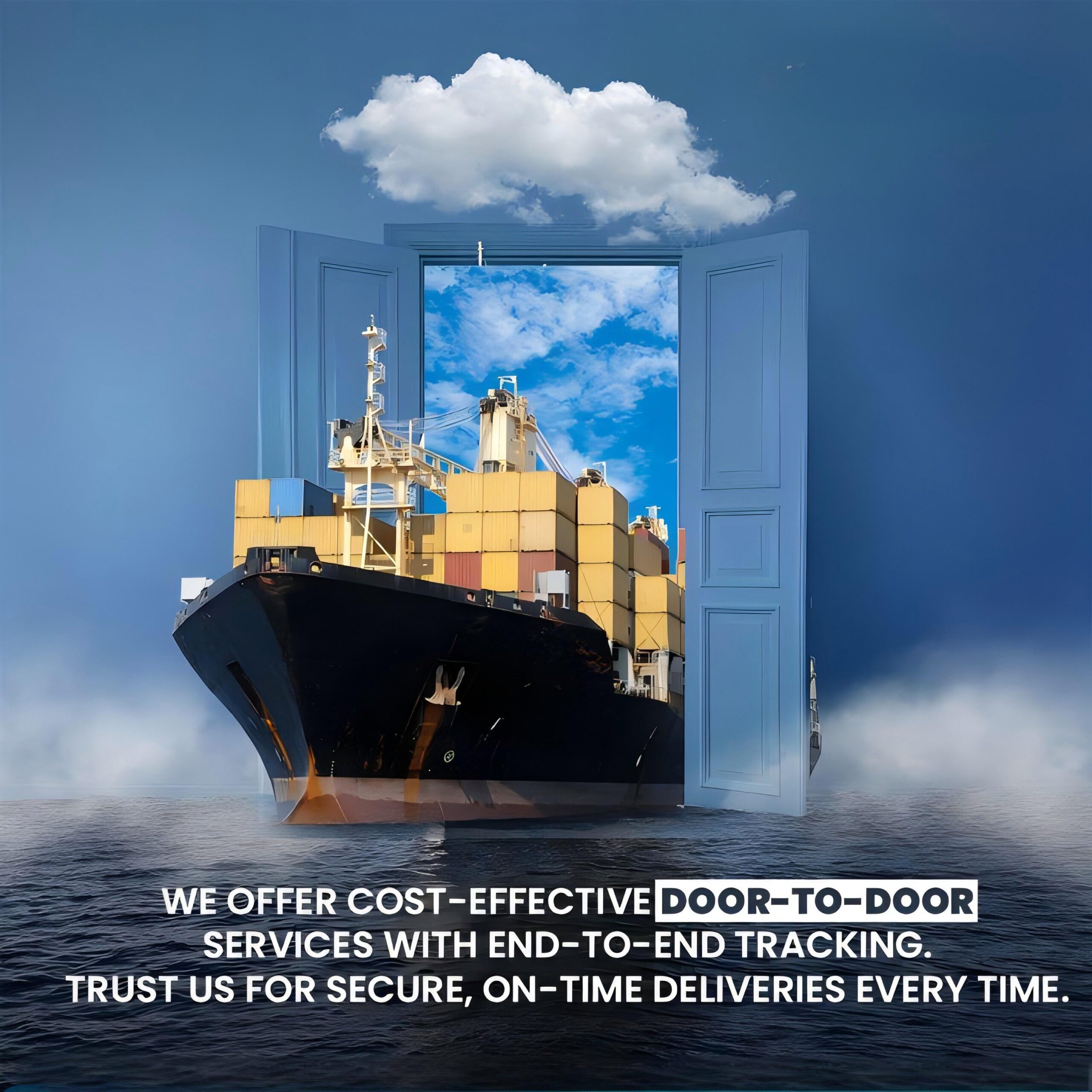
Air freight offers the fastest transit times but comes at a much higher price point compared to sea-based options. Therefore, businesses often reserve air transport for high-value or extremely time-sensitive items. Meanwhile, FCL shipping is ideal for large volumes where you can justify the cost of an entire container for your exclusive use.
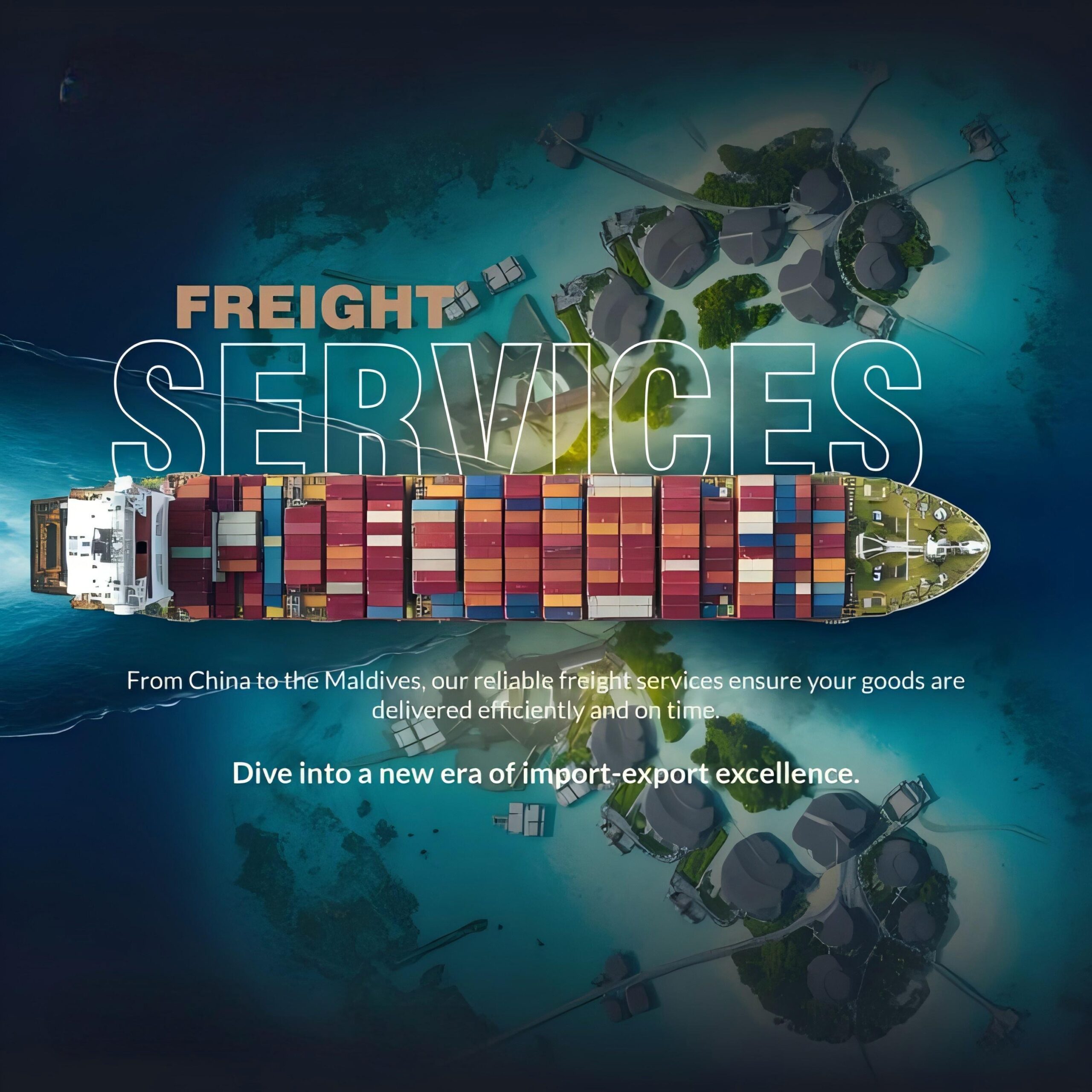
In contrast, LCL allows you to pay only for the volume you actually occupy within a shared container. This flexibility makes it the cheapest way to ship from China to Australia for small to medium-sized inventory batches. Consequently, many importers utilize this method to maintain a steady flow of goods without overextending their budget.
| Shipping Method | Cost Range | Transit Time | Best For |
|---|---|---|---|
| LCL Sea Freight | $50 – $180 per CBM | 18 – 25 Days | 1-10 CBM Shipments |
| FCL Sea Freight | $800 – $2,200 per Cont | 12 – 20 Days | Large Inventories |
| Air Freight | $4.50 – $9.00 per kg | 3 – 7 Days | Urgent/High Value |
| Express Service | $7.00 – $12.00 per kg | 2 – 5 Days | Samples/Documents |
What Factors Influence Cheap LCL Shipping from China to Australia?
Several variables contribute to the final price you pay for sea-based logistics services. For instance, the distance between the origin port in China and the destination port in Australia plays a major role in determining the base ocean freight rate. Additionally, fuel surcharges and seasonal demand fluctuations can cause prices to shift throughout the year.
Cargo volume is measured in cubic meters and represents the primary factor in LCL pricing structures. Moreover, you should be aware of minimum billable volumes, which are typically set at one CBM by most freight forwarders. Consequently, even if your shipment is smaller, you will likely be charged for the full cubic meter.
Port charges and documentation fees also add to the total landed cost of your products. Specifically, charges for sea freight include terminal handling, warehouse storage, and consolidation fees. Understanding these components allows you to better estimate your total investment before booking your shipment.
Why Choose Cheap LCL Shipping from China to Australia for Small Shipments?
Selecting LCL provides a level of scalability that FCL cannot match for growing enterprises. Furthermore, it allows you to manage your inventory more effectively by shipping smaller quantities more frequently. This strategy reduces the need for large warehouse spaces and minimizes the capital tied up in unsold stock.
Consolidated shipping is particularly beneficial for those just starting their importing journey. Indeed, using shipping from China to Australia via LCL helps you test new products in the Australian market without a massive financial commitment. As a result, you can pivot your business strategy based on real-time sales data.
Another advantage is the professional handling provided during the consolidation process. Experienced logistics teams ensure that your goods are packed securely alongside other compatible cargo. Therefore, the risk of damage is minimized when you work with reputable carriers who specialize in shared container logistics.
Transit Times and Route Efficiency
Transit times for LCL shipments are generally longer than FCL because of the time required for consolidation and deconsolidation. For example, a container must wait at the origin port until it is fully loaded with various shipments. Similarly, once it arrives in Australia, the container must be transported to a CFS for unloading before individual shipments are released.
Direct routes from major Chinese hubs like Shanghai or Shenzhen to Sydney and Melbourne are typically the fastest. Nevertheless, shipments to Western Australia or smaller regional ports may involve transshipment through Singapore or Port Klang. Consequently, you should factor in an additional 5 to 10 days for these indirect routes.
Market data suggests that average transit times have stabilized in early 2025 following previous global disruptions. However, peak seasons like the lead-up to Chinese New Year can still cause delays of several days. Planning your orders well in advance is the most effective way to avoid these seasonal bottlenecks.
| Origin Port | Destination Port | Average Transit | Route Type |
|---|---|---|---|
| Shenzhen | Sydney | 15 – 18 Days | Direct |
| Shanghai | Melbourne | 18 – 22 Days | Direct |
| Ningbo | Brisbane | 20 – 24 Days | Direct |
| Qingdao | Fremantle | 25 – 30 Days | Transshipment |
Real-World Case Studies for LCL Shipments
Analyzing actual shipping scenarios provides a clearer picture of what to expect regarding costs and timelines. These examples reflect the typical market rates as of early 2025 for common consumer goods. Note: Freight rates are subject to change based on fuel costs, carrier capacity, and seasonal demand. Contact us for a current quote tailored to your specific shipment.
Case Study 1: Electronics from Shenzhen to Sydney. Cargo: 3 CBM, 600kg. Shipping Details: Major carrier, Port of Loading: Shenzhen, Port of Discharge: Sydney. Route Type: Direct. Cost Breakdown: Ocean Freight: $420, Origin Charges: $150, Destination Charges: $280, Customs: $120. Total Landed Cost: $970. Timeline: 22 days door-to-door. Key Insight: Early booking saved 10% on freight rates.
Case Study 2: Home Furniture from Ningbo to Melbourne. Cargo: 5 CBM, 1200kg. Shipping Details: Major carrier, Port of Loading: Ningbo, Port of Discharge: Melbourne. Route Type: Direct. Cost Breakdown: Ocean Freight: $650, Origin Charges: $180, Destination Charges: $320, Customs: $150. Total Landed Cost: $1,300. Timeline: 26 days door-to-door. Key Insight: Proper palletizing reduced destination handling fees.
Essential Documentation and Customs Procedures
Navigating the Australian Border Force requirements is a critical step in the importing process. Furthermore, you must ensure that all paperwork is accurate to avoid costly delays or fines at the port of entry. Utilizing a professional customs brokerage service can streamline this process significantly.
The primary documents required include the Bill of Lading, Commercial Invoice, and a detailed Packing List. Additionally, Australia has strict biosecurity laws, so a Packing Declaration is mandatory for all sea freight shipments. Without a doubt, failing to provide a valid treatment certificate for wooden packaging can lead to expensive quarantine inspections.
Importing goods from China to Australia also requires knowledge of the China-Australia Free Trade Agreement (ChAFTA). For instance, providing a valid Certificate of Origin can often reduce or eliminate import duties on many product categories. Consequently, this simple document can save you hundreds of dollars on a single LCL shipment.
Proven Strategies to Minimize Your LCL Costs
Reducing your shipping expenses starts with optimizing the physical dimensions of your cargo. Since LCL is charged by volume, minimizing excess packaging and using compact boxes can lead to immediate savings. Moreover, consolidating multiple small orders from different suppliers into one LCL shipment is a highly effective strategy.
Choosing a door to door service often provides better value by bundling all logistics stages into a single price. This approach eliminates the hidden fees that sometimes arise when managing multiple service providers independently. Furthermore, it simplifies your accounting and tracking processes.
Negotiating with your freight forwarder during off-peak periods can also result in lower rates. For example, shipping in the middle of the month is often cheaper than shipping during the end-of-month rush. Industry average for this route suggests that flexibility with your departure dates can yield a 5 to 15 percent cost reduction.
Which Option Should You Choose?
Selecting the right method depends entirely on your specific business needs and the nature of your cargo. If your priority is keeping costs as low as possible for a 3 CBM shipment, LCL is undoubtedly the superior choice. However, if you are moving more than 15 CBM, you should consider switching to FCL for better security and faster transit.
Speed requirements also dictate the best approach for your supply chain. When a product launch is imminent, paying for air freight might be a necessary investment despite the higher cost. On the other hand, for routine stock replenishment, the low cost of sea freight makes it the most sustainable long-term solution.
Cargo type considerations are equally important when making your decision. Fragile or hazardous materials may require specialized handling that is easier to manage in a dedicated container. Therefore, you should consult with your logistics expert to determine if the shared environment of an LCL container is suitable for your specific goods.
Final Thoughts on Affordable Shipping Solutions
Securing cheap LCL shipping from China to Australia is a practical way for small and medium enterprises to compete in the global market. By understanding the factors that influence costs and utilizing consolidation strategies, you can maintain a lean and efficient supply chain. Furthermore, working with an experienced freight forwarder ensures that you navigate customs and documentation without unnecessary stress.
To summarize, the key to success lies in careful planning, accurate documentation, and choosing the right shipping mode for your volume. Whether you are importing electronics, textiles, or furniture, LCL sea freight offers the perfect balance of cost and reliability. Start optimizing your logistics today to enjoy the benefits of professional cargo handling and reduced shipping overheads.
Ready to streamline your logistics?
Ready to secure the most competitive rates for your next shipment? Contact Top China Freight today for a customized quote on cheap LCL shipping from China to Australia and experience seamless logistics support tailored to your business needs.
Request Quote