

Cheap Sea Freight from China to Belgium: 2025 Logistics Guide
Finding cheap sea freight from China to Belgium is essential for businesses looking to maintain a competitive edge in the European market. As international trade volumes grow, Top China Freight provides the expertise needed to navigate complex supply chains while minimizing expenses. This guide explores current market trends, cost-saving strategies, and the logistical frameworks required for successful importing.
What is the Current State of Sea Freight to Belgium?
Current market conditions in early 2025 show that freight rates have stabilized significantly following the disruptions of previous years. Furthermore, the capacity on the Asia-Europe lane remains robust, allowing for more competitive pricing among major carriers. Importers can now benefit from a wider range of service levels and equipment availability.
Logistics trends suggest that digitalization is playing a massive role in how cheap sea freight from China to Belgium is managed today. Consequently, real-time tracking and automated documentation are becoming standard features for most shipments. This transparency helps businesses plan their inventory more effectively and avoid costly delays at destination ports.

Seasonal fluctuations still influence the overall pricing landscape, particularly during the lead-up to the Golden Week or the Lunar New Year. Therefore, planning shipments at least six to eight weeks in advance is highly recommended to secure the best possible rates. Market data suggests that early booking can save importers up to 15 percent on ocean freight costs.
FCL vs LCL: Choosing the Right Cheap Sea Freight from China to Belgium
Choosing between Full Container Load (FCL) and Less than Container Load (LCL) is the first major decision for any importer. For those moving large volumes, sea freight in the form of FCL offers the lowest per-unit cost. Specifically, a 40HQ container provides the best value for high-volume goods like furniture or electronics.
LCL shipping rates to Antwerp are more suitable for smaller consignments that do not require a full container. Meanwhile, this method involves sharing container space with other shippers, which can lead to slightly longer transit times due to consolidation. However, it remains a cost-effective alternative for businesses that cannot wait to fill a whole container.
Moreover, the choice depends heavily on the nature of your cargo and your specific delivery schedule. If your shipment exceeds 15 cubic meters, switching from LCL to a 20GP container often results in better security and lower overall handling fees. Always calculate the total landed cost before deciding on the final shipping method.
Major Shipping Routes and Port Hubs
Belgium serves as a primary gateway for shipping to Europe due to its strategic location and world-class infrastructure. The Port of Antwerp-Bruges is the second-largest port in Europe, handling millions of TEUs annually from Chinese hubs like Shanghai and Ningbo. Additionally, the port offers excellent hinterland connections via rail and barge to Germany and France.
Zeebrugge is another critical entry point, particularly for automotive and roll-on/roll-off cargo. Interestingly, many direct services from Shenzhen and Qingdao now prioritize Zeebrugge for faster discharge times during peak periods. Selecting the right port of discharge can significantly impact your final inland transport costs and overall transit time.
Furthermore, China’s main ports are highly efficient, with Shanghai frequently ranking as the busiest container port in the world. Consequently, the high frequency of departures from these hubs ensures that your cargo rarely sits idle for long. Understanding the strengths of each port helps in optimizing the entire supply chain from origin to destination.
| Shanghai | Antwerp | 32-35 | Daily |
| Ningbo | Antwerp | 30-34 | 5-6 times/week |
| Shenzhen | Zeebrugge | 28-32 | 4-5 times/week |
| Qingdao | Antwerp | 35-40 | 3-4 times/week |
How Does Sea Freight Compare to Other Shipping Options?
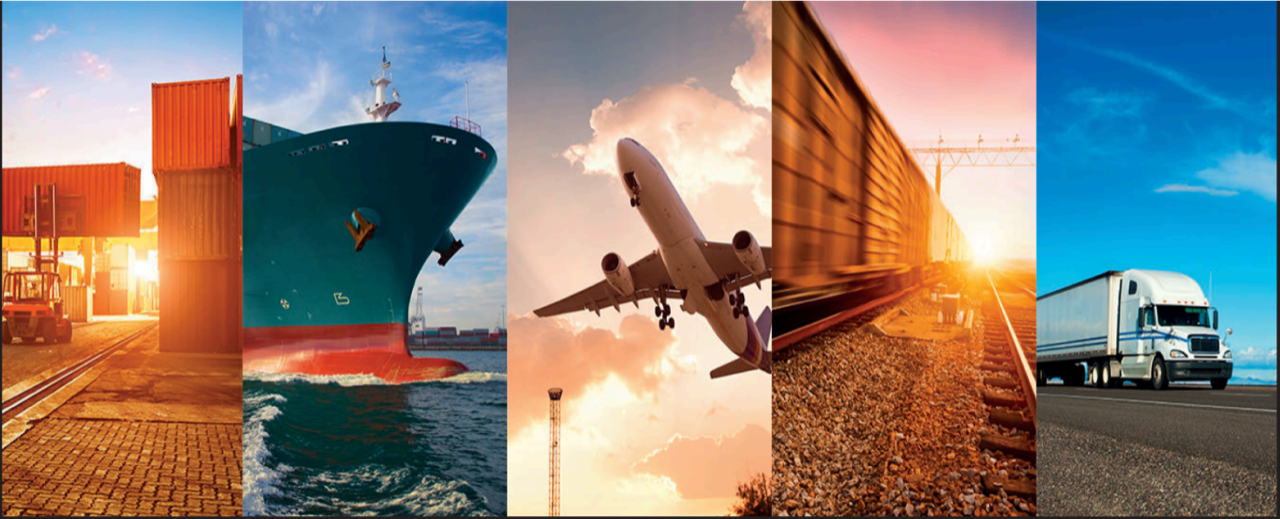
While sea freight is the most economical choice, it is not the only way to move goods across the globe. For instance, rail freight has emerged as a middle-ground solution, offering faster speeds than ocean cargo at a lower price than air. This is particularly useful for high-value industrial components that need to reach Belgium in under 20 days.
Air freight remains the fastest option, yet it is significantly more expensive than any maritime alternative. Therefore, it is usually reserved for urgent samples, perishables, or high-tech equipment with short life cycles. In contrast, cheap sea freight from China to Belgium allows for the transport of heavy and bulky items that would be cost-prohibitive by air.
Hybrid solutions like sea-air or rail-sea combinations are also gaining popularity among savvy logistics managers. These strategies allow for a balance between cost and speed, providing flexibility when market conditions change suddenly. Ultimately, the best method depends on your budget, cargo type, and the urgency of the delivery.
| Sea Freight (FCL) | $2,800 – $4,200 | 30-40 Days | Bulk, Heavy Goods |
| Sea Freight (LCL) | $60 – $120/CBM | 35-45 Days | Small Shipments |
| Rail Freight | $4,500 – $6,500 | 15-22 Days | Mid-value Cargo |
| Air Freight | $4.50 – $7.00/kg | 3-7 Days | Urgent, High-value |
Understanding the Cost Structure of Ocean Cargo
Ocean freight rates are composed of several different elements beyond just the base port-to-port rate. Specifically, you must account for Bunker Adjustment Factors (BAF) which fluctuate based on global fuel prices. Additionally, Currency Adjustment Factors (CAF) may apply if there are significant shifts in exchange rates during the transit period.
Origin and destination charges can often surprise new importers if they are not properly quoted upfront. These include Terminal Handling Charges (THC), documentation fees, and security surcharges at both ends of the journey. To ensure you are getting truly cheap sea freight from China to Belgium, always request a comprehensive quote that includes all local fees.
Note: Freight rates are subject to change based on fuel costs, carrier capacity, and seasonal demand. Contact us for a current quote tailored to your specific shipment. Market data suggests that rates in late 2024 were approximately 20 percent higher than the current early 2025 averages due to temporary capacity constraints.
Customs Clearance Belgium: Essential Documentation
Navigating the Belgian customs system requires precision and a thorough understanding of EU import regulations. Utilizing a professional customs brokerage service can prevent your cargo from being held at the port for inspection. Furthermore, ensuring that your HS codes are accurate is vital for determining the correct duty and VAT rates.
Essential documents for importing from China to Belgium include the Bill of Lading, Commercial Invoice, and Packing List. Additionally, a Certificate of Origin may be required to benefit from specific trade agreements or to comply with EU safety standards. Without these documents, your shipment could face significant delays and additional storage charges at the Antwerp terminal.
Specifically, the EORI number is mandatory for any business importing goods into the European Union. Consequently, you should ensure your Belgian entity is properly registered before the vessel departs from China. Proper preparation of customs clearance Belgium paperwork is the most effective way to avoid unnecessary expenses.
| Bill of Lading | Carrier | Yes | Title to the goods |
| Commercial Invoice | Shipper | Yes | Valuation for taxes |
| Packing List | Shipper | Yes | Cargo details for inspection |
| EORI Number | Importer | Yes | EU Customs registration |
| CE Certificate | Manufacturer | Product Dependent | Safety compliance |
Real-World Case Studies for Shipping to Antwerp
Case Study 1: Cost-Effective Electronics Import Route: Shenzhen, China to Antwerp, Belgium Cargo: Consumer Electronics, 8 CBM, 1,200 kg Container: LCL Shipping Shipping Details: – Carrier: Major carrier via Singapore – Port of Loading: Shenzhen – Port of Discharge: Antwerp – Route Type: Transshipment Cost Breakdown: – Ocean Freight: $720 – Origin Charges: $210 – Destination Charges: $350 – Customs & Duties: $1,450 – Total Landed Cost: $2,730 Timeline: – Booking to Loading: 4 days – Sea Transit: 34 days – Customs Clearance: 2 days – Total Door-to-Door: 40 days Key Insight: By choosing LCL instead of air freight, the client saved over $4,000 in logistics costs.
Case Study 2: High-Volume Furniture Shipment Route: Ningbo, China to Zeebrugge, Belgium Cargo: Home Furniture, 65 CBM Container: 40HQ Full Container Shipping Details: – Carrier: COSCO Direct Service – Port of Loading: Ningbo – Port of Discharge: Zeebrugge – Route Type: Direct Cost Breakdown: – Ocean Freight: $3,850 – Origin Charges: $280 – Destination Charges: $420 – Customs & Duties: $2,100 – Total Landed Cost: $6,650 Timeline: – Booking to Loading: 6 days – Sea Transit: 31 days – Customs Clearance: 3 days – Total Door-to-Door: 40 days Key Insight: Direct routing to Zeebrugge avoided the congestion often found in Antwerp during the Q4 peak season.
Strategies to Secure the Lowest Freight Rates
Securing cheap sea freight from China to Belgium often involves looking beyond the initial quote. For example, opting for door to door shipping can sometimes be more economical than managing each leg of the journey separately. This is because freight forwarders can leverage their volume discounts across the entire transport chain.
Consolidating shipments is another powerful strategy for reducing ocean freight surcharges. If you have multiple suppliers in the same region of China, ask your forwarder to combine them into a single FCL shipment. Furthermore, being flexible with your delivery schedule allows you to take advantage of ‘spot rates’ when carriers have excess capacity.
Moreover, maintaining a good relationship with your freight forwarder China to Belgium is invaluable. They can provide insights into upcoming rate changes and help you navigate any sudden shifts in the global supply chain. Ultimately, proactive communication and thorough planning are the hallmarks of a cost-effective logistics strategy.
Which Option Should You Choose?
If your primary goal is budget priority, then sea freight is almost always the recommended option. For shipments larger than 15 CBM, FCL provides the most stability and the best pricing. Conversely, if you have smaller volumes and can tolerate a 40-day lead time, LCL is the perfect fit for your business needs.
Speed priority dictates a shift toward rail or air, but the cost trade-offs are significant. If your cargo consists of hazardous materials or heavy machinery, sea freight remains the safest and most practical choice. Specifically, large industrial equipment is often impossible to ship via other methods due to size and weight restrictions.
Consider the value of your goods when making the final decision. High-value items with high insurance costs might benefit from the shorter transit times of rail freight to reduce risk exposure. However, for the vast majority of consumer goods and industrial raw materials, cheap sea freight from China to Belgium remains the gold standard.
Summary of Shipping to Belgium
In conclusion, obtaining cheap sea freight from China to Belgium requires a combination of strategic planning, port selection, and choosing the right shipping method. By understanding the differences between FCL and LCL and preparing your documentation in advance, you can significantly reduce your landed costs. Belgium’s ports offer an incredible gateway to the rest of Europe, making this route one of the most efficient in global trade.
Remember that the logistics landscape is constantly evolving, and staying informed about market trends is key to long-term success. Whether you are shipping electronics, furniture, or industrial parts, the right freight forwarding partner can make all the difference. Start planning your 2025 shipments today to take advantage of the current stable rate environment.
Ready to streamline your logistics?
Are you ready to optimize your supply chain and secure the most competitive rates for your next shipment? Contact Top China Freight today for a personalized quote on cheap sea freight from China to Belgium. Our team is standing by to help you navigate customs and delivery with ease. Send Inquiry
Request Quote