

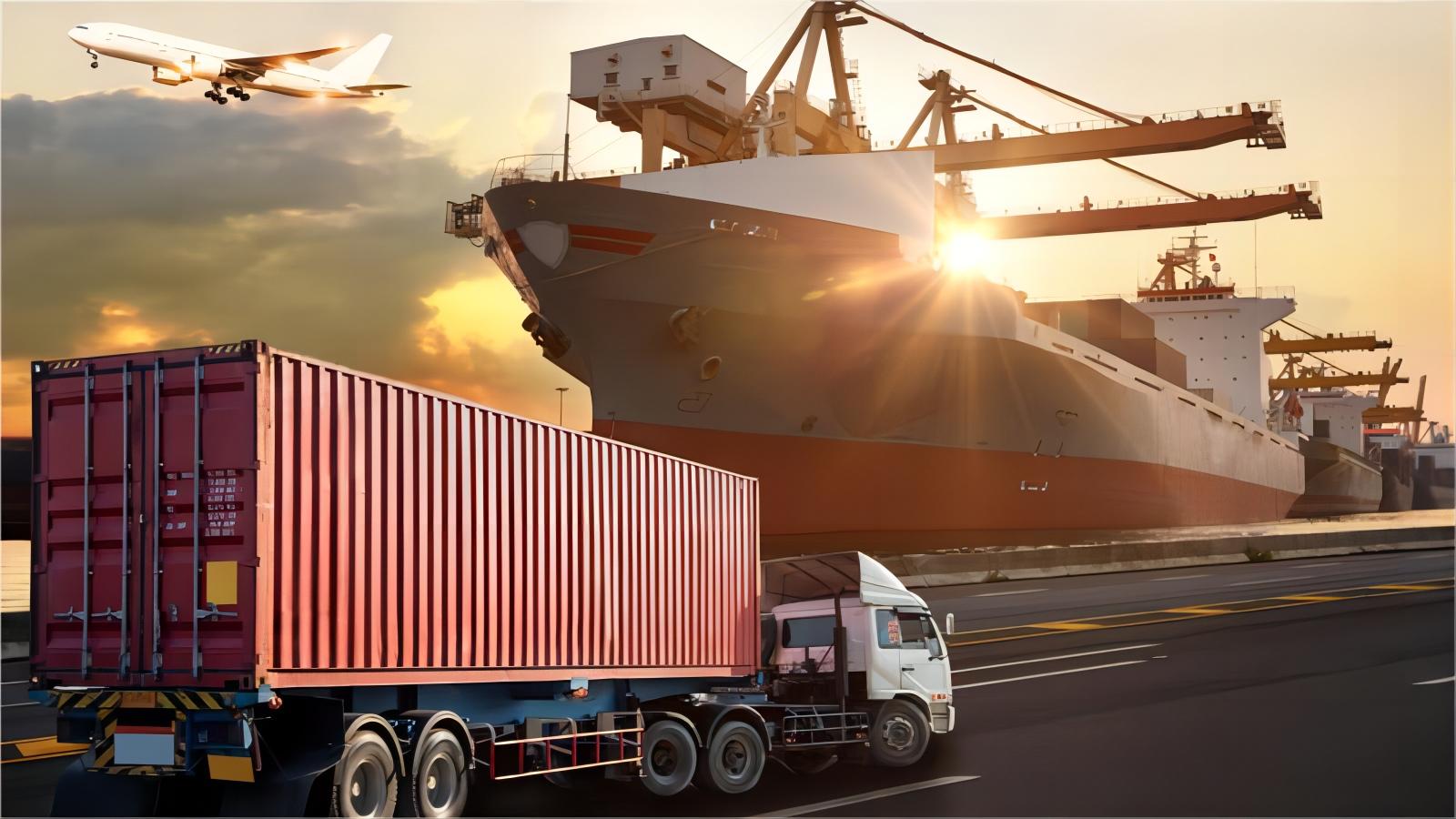
Professional Sea Freight from China to Belgium: Complete 2025 Guide
Securing professional sea freight from China to Belgium is a critical step for businesses looking to expand their reach into the European market. Top China Freight provides reliable and cost-effective logistics solutions that bridge the gap between Asian manufacturing hubs and Belgian distribution centers. This comprehensive guide explores everything you need to know about navigating international shipping routes efficiently.

Why Choose Professional Sea Freight from China to Belgium?
Ocean transport remains the most economical method for moving large volumes of goods across the globe. Consequently, businesses often prefer sea freight when they need to balance budget constraints with high-capacity requirements. This method offers unparalleled scale for heavy machinery, textiles, and consumer electronics.

Moreover, the environmental impact of shipping by sea is significantly lower per ton-mile compared to air transport. This makes it an attractive option for companies focused on sustainable supply chain practices. You can choose between different service levels depending on your specific volume and urgency.
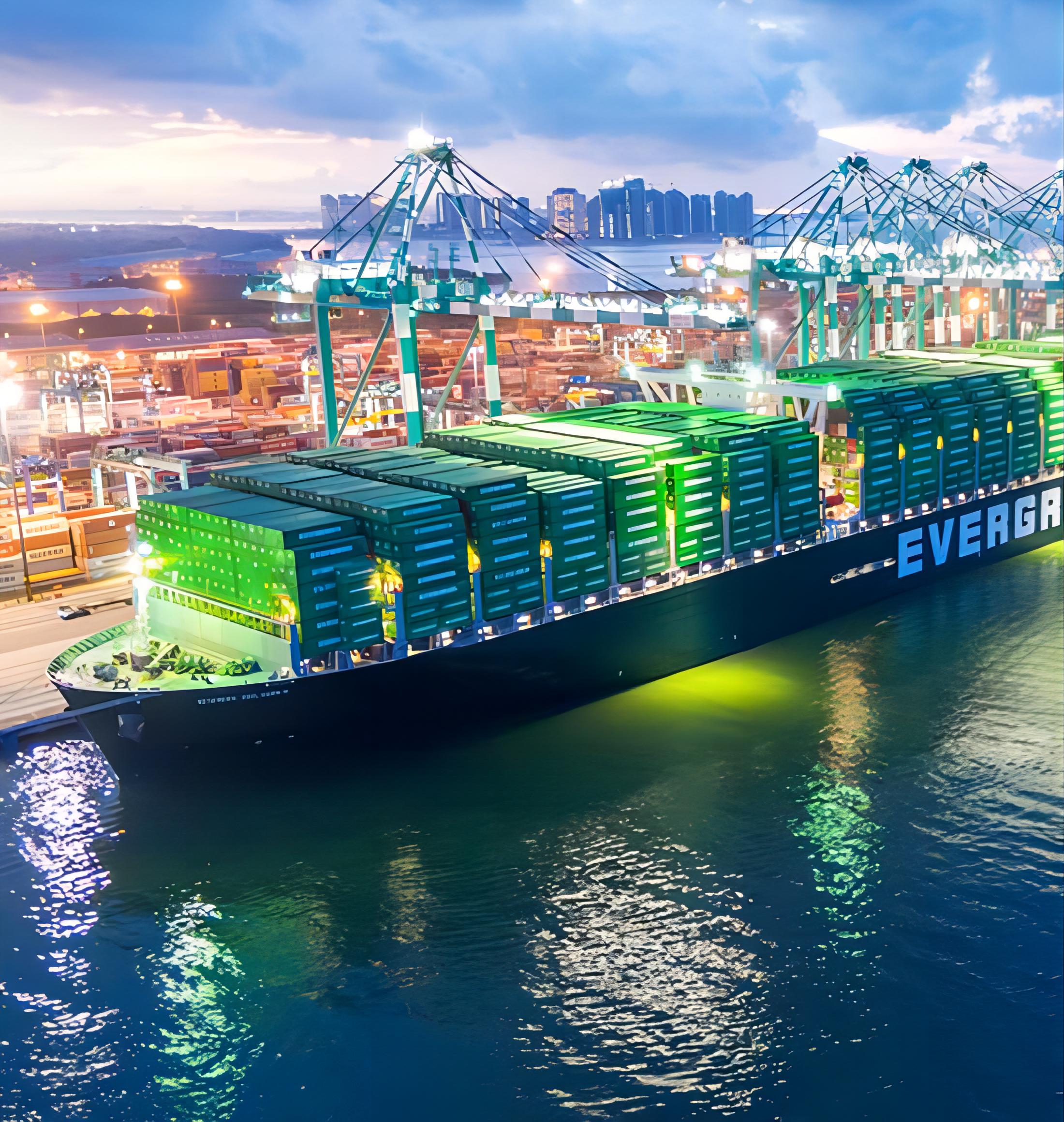
Additionally, the reliability of modern shipping schedules has improved greatly over the last decade. Professional carriers now offer sophisticated tracking systems that provide real-time visibility into your shipment status. Therefore, you can plan your inventory management with greater precision and confidence.
Furthermore, sea transport accommodates hazardous materials and oversized cargo that other methods might reject. This flexibility ensures that regardless of your product type, there is a viable shipping solution available. Professional sea freight from China to Belgium provides the stability your business needs to grow.
Major Ports and Shipping Routes to Belgium
China hosts several of the world’s busiest ports, including Shanghai, Ningbo-Zhoushan, and Shenzhen. These hubs serve as the primary departure points for goods bound for the heart of Europe. Each port offers unique advantages based on its proximity to specific manufacturing clusters.
On the Belgian side, the Port of Antwerp-Bruges stands as a vital gateway for international trade. It is the second-largest port in Europe and offers extensive inland connections via rail and barge. Meanwhile, the Port of Zeebrugge specializes in roll-on/roll-off cargo and liquid bulk shipments.
In addition to these major hubs, smaller ports like Ghent provide specialized services for specific industries. Selecting the right port of discharge can significantly impact your final delivery time and drayage costs. Consequently, professional forwarders analyze these routes to find the most efficient path for your cargo.
How Does Professional Sea Freight Compare to Other Shipping Options?
Understanding the differences between transport modes is essential for making an informed logistics decision. While sea freight is the most common choice, alternatives like air or rail might be more suitable for certain scenarios. For instance, air freight is much faster but carries a significantly higher price tag.
In contrast, rail freight offers a middle ground between the speed of air and the low cost of sea. However, sea freight remains the champion for bulk shipments where the cost per unit is the primary concern. Without a doubt, the volume of your cargo will be the biggest factor in this comparison.
As a result, many importers use a mix of methods to optimize their inventory flow. You might use sea freight for your core stock and air freight for urgent restocks. This hybrid approach ensures you never run out of inventory while keeping overall costs manageable.
| Shipping Method | Cost Range | Transit Time | Best For |
|---|---|---|---|
| Sea Freight | $2,000 – $4,500 per 40HQ | 30 – 45 Days | Bulk goods, heavy items |
| Air Freight | $5.00 – $9.00 per kg | 5 – 8 Days | High-value, urgent cargo |
| Rail Freight | $120 – $180 per CBM | 18 – 25 Days | Middle-ground speed/cost |
| Express Service | $8.00 – $15.00 per kg | 3 – 5 Days | Samples, small parcels |
Understanding FCL vs LCL in Ocean Shipping
When booking professional sea freight from China to Belgium, you must choose between Full Container Load (FCL) and Less than Container Load (LCL). FCL means you have exclusive use of a 20ft or 40ft container. This is typically the most cost-effective choice for shipments exceeding 15 cubic meters.
On the other hand, LCL involves sharing container space with other shippers. This is ideal for smaller volumes that do not justify the cost of an entire container. However, LCL shipments often take slightly longer due to the consolidation and deconsolidation processes at the ports.
Consequently, your choice depends on both your budget and the size of your shipment. FCL offers better security as the container is sealed at the origin and only opened at the destination. Meanwhile, LCL allows for greater flexibility if you are shipping smaller batches frequently.
Factors Influencing Sea Freight Rates
Shipping costs are rarely static and fluctuate based on several market variables. For example, fuel surcharges, known as the Bunker Adjustment Factor, change according to global oil prices. Additionally, peak seasons like the months leading up to the holidays can drive prices higher due to increased demand.
Currency fluctuations also play a role in determining the final landed cost of your goods. Since freight is often quoted in USD, changes in the exchange rate between the Yuan and the Euro can affect your bottom line. Therefore, it is wise to monitor these trends when planning your procurement schedule.
Market data suggests that freight rates from China to Europe have stabilized after the disruptions of previous years. Nevertheless, port congestion or labor strikes can still cause temporary price spikes. To mitigate these risks, many businesses choose to lock in rates with long-term contracts.
| Container Type | Approx. Cost (Q1 2025) | Max Weight | Capacity |
|---|---|---|---|
| 20GP Container | $1,900 – $2,600 | 28,000 kg | 33 CBM |
| 40GP Container | $3,000 – $3,900 | 26,000 kg | 67 CBM |
| 40HQ Container | $3,200 – $4,300 | 26,000 kg | 76 CBM |
| LCL (per CBM) | $60 – $95 | Variable | 1 – 15 CBM |
Customs Clearance and Documentation Requirements
Navigating the legal requirements for importing into Belgium requires meticulous attention to detail. You must provide a Commercial Invoice, a Packing List, and a Bill of Lading for every shipment. In addition, certain products may require certificates of origin or specific safety compliance documents.
Working with a professional customs brokerage service can prevent costly delays at the border. These experts ensure that your goods are classified correctly under the Harmonized System (HS) codes. Incorrect classification can lead to fines or the seizure of your cargo by Belgian customs authorities.
Furthermore, you must be aware of Value Added Tax (VAT) and import duties applicable to your goods. Belgium follows European Union customs regulations, which apply a common external tariff to products from outside the bloc. Therefore, calculating these costs in advance is vital for determining your product’s final retail price.
Transit Times for Professional Sea Freight from China to Belgium
The duration of the voyage from China to Belgium typically ranges from 30 to 45 days. This timeline includes the time spent at sea as well as port handling at both ends. For instance, a direct shipment from Shanghai to Antwerp is generally faster than a route with multiple transshipments.
However, external factors like weather conditions and port productivity can influence the actual arrival date. If you require a more predictable schedule, door to door services manage the entire process for you. This often includes trucking from the factory to the port and final delivery to your warehouse.
In contrast, choosing a port-to-port service gives you more control over the local logistics but requires more coordination. To summarize, you should always allow for a buffer of 5 to 7 days in your planning to account for unexpected delays. Professional sea freight from China to Belgium is reliable, but it is not immune to global logistics challenges.
Case Study 1: Electronics from Shenzhen to Antwerp
Route: Shenzhen, China to Antwerp, Belgium
Cargo: Consumer Electronics, 18 CBM, 4,500 kg
Container: 20GP Full Container Load
Shipping Details:
– Carrier: Major ocean carrier via direct route
– Port of Loading: Shenzhen (Yantian)
– Port of Discharge: Antwerp
– Route Type: Direct
Cost Breakdown:
– Ocean Freight: $2,150
– Origin Charges: $350
– Destination Charges: $420
– Customs and Duties: $1,200 (estimated)
– Total Landed Cost: $4,120
Timeline:
– Booking to Loading: 4 days
– Sea Transit: 32 days
– Customs Clearance: 2 days
– Total Door-to-Door: 38 days
Key Insight: Using a direct route from Yantian saved the client 6 days compared to transshipment via Singapore, which was crucial for their product launch. Based on Q4 2024 market rates.
Case Study 2: Furniture from Ningbo to Zeebrugge
Route: Ningbo, China to Zeebrugge, Belgium
Cargo: Home Furniture, 65 CBM, 12,000 kg
Container: 40HQ Full Container Load
Shipping Details:
– Carrier: COSCO Shipping
– Port of Loading: Ningbo-Zhoushan
– Port of Discharge: Zeebrugge
– Route Type: Transshipment via Piraeus
Cost Breakdown:
– Ocean Freight: $3,850
– Origin Charges: $480
– Destination Charges: $550
– Customs and Duties: $900 (estimated)
– Total Landed Cost: $5,780
Timeline:
– Booking to Loading: 6 days
– Sea Transit: 40 days
– Customs Clearance: 3 days
– Total Door-to-Door: 49 days
Key Insight: Choosing a 40HQ instead of two 20GP containers reduced the total freight cost by nearly 25 percent for this high-volume shipment. Typical rates as of early 2025.
Which Option Should You Choose?
Selecting the right shipping strategy depends on your specific business priorities. If your primary goal is to minimize expenditure, sea freight is almost always the best choice for large loads. However, if you are shipping goods for Amazon FBA, you may need to prioritize speed to maintain stock levels.
For shipments under 15 CBM, LCL is the most logical choice to avoid paying for empty space. Conversely, if your volume exceeds 15 CBM, moving to an FCL 20GP container usually offers better value and security. You should also consider the nature of your cargo, as fragile items benefit from the reduced handling of FCL.
Without a doubt, consulting with a logistics professional is the best way to determine the optimal route. They can provide tailored advice based on current port conditions and carrier availability. Ultimately, the right choice balances cost, speed, and reliability to keep your customers satisfied.
Final Thoughts on Professional Shipping to Belgium
Mastering professional sea freight from China to Belgium is a journey that requires careful planning and the right partnerships. By understanding the nuances of port selection, container types, and customs regulations, you can significantly reduce your logistics overhead. This guide has provided the framework needed to navigate the complexities of ocean transport successfully.
As market conditions continue to evolve in 2025, staying informed about industry trends remains essential. Whether you are shipping bulk raw materials or finished consumer goods, the sea route offers a stable and scalable solution. Remember that the cheapest option is not always the best if it compromises your delivery schedule or cargo safety.
Professional sea freight from China to Belgium continues to be the backbone of trade between these two economic powerhouses. By implementing the strategies discussed here, you can ensure your goods arrive safely and efficiently. Reach out to a trusted freight forwarder to begin building a more resilient supply chain today.
Ready to streamline your logistics?
Streamline your international supply chain with professional sea freight from China to Belgium. Our expert team is ready to provide you with a competitive quote and personalized logistics support. Visit Top China Freight today to start your shipping journey and optimize your business operations.
Request Quote