

Cheap Sea Freight from China to France: 2025 Shipping Guide
Finding reliable and Top China Freight services is the first step toward securing cheap sea freight from China to France for your business. Many importers struggle with the complexities of international logistics and fluctuating market rates. However, by understanding the fundamental drivers of ocean transport, you can significantly reduce your overhead. This comprehensive guide explores every aspect of the shipping process to help you optimize your supply chain efficiently.

Why Choose Sea Freight for Your China to France Shipments?
Sea freight remains the most popular choice for businesses importing goods because it offers the lowest cost per unit for large volumes. Furthermore, ocean transport provides the capacity needed for oversized or heavy items that other methods cannot accommodate. Indeed, for shipments exceeding 500 kilograms, the price difference between air and sea becomes substantial.

Choosing sea freight allows companies to plan their inventory cycles with more predictability over long distances. Although it takes longer than other modes, the environmental impact is significantly lower compared to air transport. Consequently, many eco-conscious brands prefer this method to align with their sustainability goals.
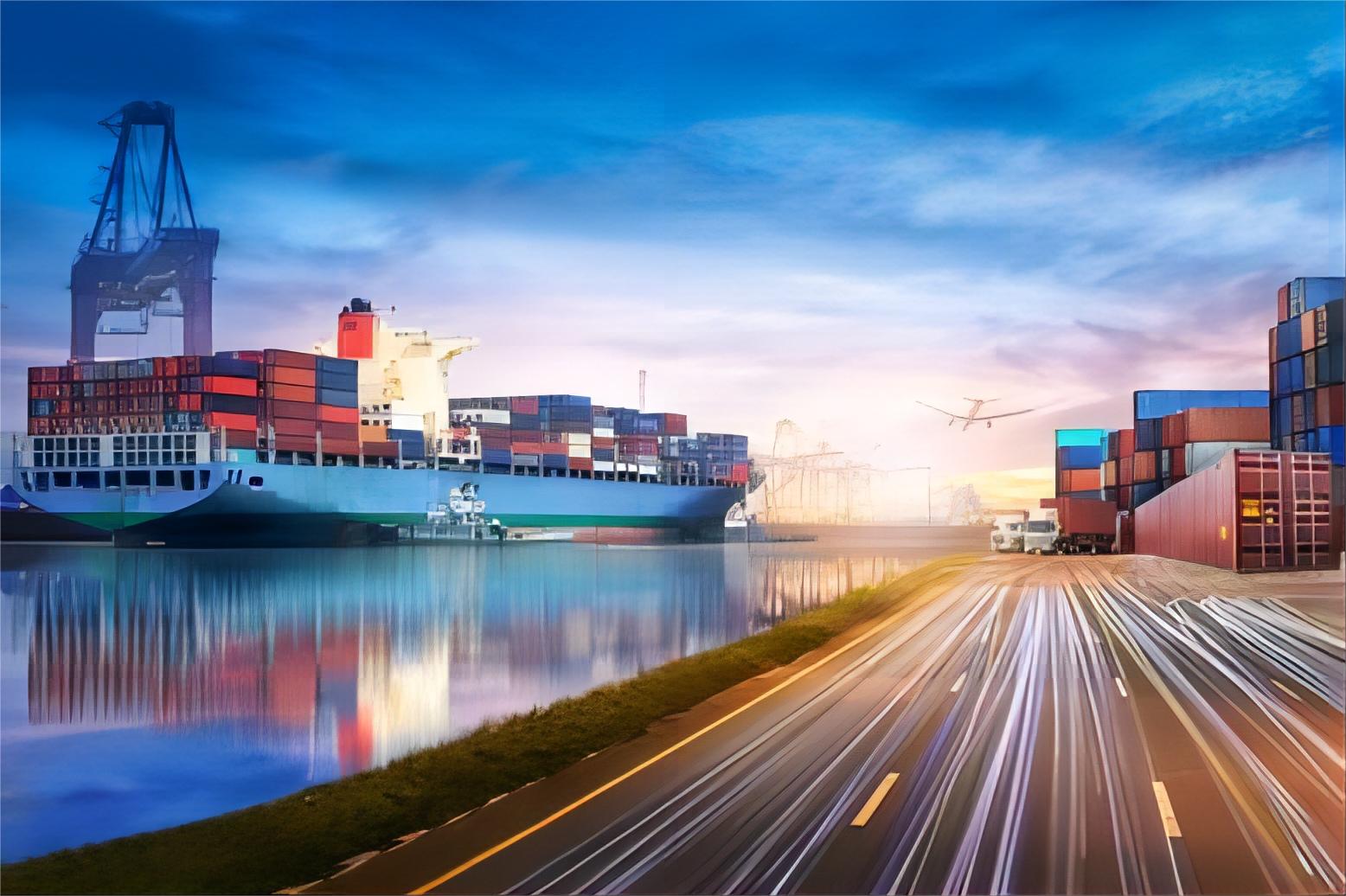
Moreover, the versatility of ocean cargo is unmatched in the logistics industry. You can ship everything from bulk raw materials to delicate consumer electronics using specialized containers. Therefore, understanding the various service levels is vital for maintaining a competitive edge in the French market.
Factors Influencing Cheap Sea Freight from China to France
Several variables dictate the final price you pay for ocean transport between these two major trading partners. For instance, fuel surcharges, known as Bunker Adjustment Factors, fluctuate based on global oil prices. Additionally, seasonal demand during the peak shipping months of August through October often leads to higher rates.
Port congestion is another critical factor that can indirectly increase costs through delay surcharges. Meanwhile, the specific route taken by the carrier can influence both the price and the transit time. Specifically, direct routes to Marseille or Le Havre might cost more than routes with multiple transshipment points.
Market data suggests that freight rates from China to Europe have stabilized in early 2025 after previous disruptions. Nevertheless, importers should always account for local port charges and documentation fees in their budget. To summarize, staying informed about market trends is the best way to secure the most competitive pricing.
FCL vs LCL: Which is More Cost-Effective?
When searching for cheap sea freight from China to France, you must decide between Full Container Load (FCL) and Less than Container Load (LCL). FCL is generally more economical if you have enough goods to fill at least 60 percent of a 20ft container. On the other hand, LCL allows you to pay only for the space you use, which is ideal for smaller shipments.
However, LCL involves more handling and consolidation, which can sometimes lead to higher risks of damage or delay. In contrast, FCL provides a dedicated space for your cargo, ensuring that it remains untouched from the point of loading to the point of discharge. Consequently, FCL is often preferred for fragile or high-value items.
For shipments under 15 CBM, LCL at 50 to 80 dollars per CBM may be more economical than a full container. Without a doubt, the choice depends on your specific volume and the urgency of the delivery. See the table below for a detailed comparison of these two primary methods.
| Cost Structure | Flat rate per container | Rate per CBM or Weight | LCL for small loads |
| Transit Time | Faster (Direct) | Slower (Consolidation) | FCL for speed |
| Security | High (Sealed) | Moderate (Shared) | FCL for fragile goods |
| Volume | Over 15 CBM | 1 to 15 CBM | LCL for startups |
How Does Sea Freight Compare to Other Shipping Options?
Objectively analyzing all viable alternatives for the route is essential for any savvy importer. While sea freight is the cheapest, air freight is significantly faster for urgent cargo. For example, a shipment that takes 35 days by sea might arrive in just 5 days by air, though at a much higher cost.
Another alternative is rail freight, which serves as a middle ground between sea and air. Rail transport from China to France via the New Silk Road typically takes 18 to 22 days. As a result, it offers a balanced solution for those who need faster delivery than sea but cannot afford air rates.
Hybrid solutions like sea-air combinations are also gaining popularity for their cost-saving potential. These strategies involve shipping by sea to a hub like Dubai and then flying the goods to France. Indeed, this can save up to 40 percent compared to pure air freight while being twice as fast as sea freight.
| Sea Freight | 1,800 – 2,500 USD | 30 – 45 Days | Slowest speed |
| Rail Freight | 4,000 – 6,000 USD | 18 – 22 Days | Limited destinations |
| Air Freight | 5.00 – 9.00 USD/kg | 3 – 7 Days | Very expensive |
| Express | 8.00 – 15.00 USD/kg | 2 – 4 Days | Weight limits |
Major Shipping Routes and Transit Times to France
The primary ports of loading in China include Shanghai, Ningbo, Shenzhen, and Qingdao. Each of these ports offers multiple weekly departures to major French hubs such as Le Havre, Marseille, and Dunkirk. Transit times vary depending on whether the vessel travels through the Suez Canal or around the Cape of Good Hope.
Typically, a direct vessel from Shanghai to Le Havre takes approximately 32 to 38 days. Meanwhile, shipments from Shenzhen to Marseille are often slightly faster, averaging 28 to 33 days. Furthermore, choosing the right port of discharge can save you significant money on inland haulage within France.
According to industry benchmarks, transshipment via Singapore or Port Klang can add 5 to 7 days to the journey. However, these routes are sometimes cheaper than direct services provided by major carriers like COSCO or CMA CGM. Therefore, you must weigh the cost savings against the potential for delays.
| Shanghai | Le Havre | 35 Days | Daily |
| Shenzhen | Marseille | 30 Days | 3x Weekly |
| Ningbo | Fos-sur-Mer | 32 Days | Weekly |
| Qingdao | Le Havre | 40 Days | Weekly |
Essential Customs Documentation for French Imports
Navigating the French customs system requires precise documentation to avoid costly storage fees or fines. Every shipment must be accompanied by a commercial invoice, a detailed packing list, and a Bill of Lading. Additionally, you will need an EORI number to import goods into the European Union.
Utilizing a professional customs brokerage service can streamline this process significantly. They ensure that your goods are classified under the correct HS codes, which determines the duty rate you must pay. Consequently, accurate classification is a vital step in maintaining cheap sea freight from China to France.
For certain products, additional certificates such as CE marking or phytosanitary certificates may be required. In addition, the French customs authorities are particularly strict regarding product safety and environmental standards. To summarize, preparing your paperwork in advance is the best way to prevent unexpected expenses at the border.
Strategic Tips for Reducing Shipping Costs
One of the most effective ways to save money is to optimize your packaging to maximize container space. For instance, using standardized pallets can reduce wasted volume and lower your LCL costs. Furthermore, consolidating multiple small orders from different suppliers into one FCL shipment can lead to massive savings.
Booking your shipment at least 2 to 3 weeks in advance allows you to lock in better rates before capacity tightens. Meanwhile, choosing FOB (Free on Board) terms instead of EXW (Ex Works) gives you more control over the international freight costs. Specifically, this allows you to choose your own forwarder rather than relying on the supplier’s choice.
Another strategy is to consider off-peak shipping periods when demand is lower. Indeed, shipping in the weeks following the Chinese New Year often results in significantly lower freight rates. By being flexible with your delivery schedule, you can take advantage of these market fluctuations.
Which Option Should You Choose? Decision Framework
Deciding on the best shipping method requires a clear understanding of your business priorities. If your primary goal is the absolute lowest price and you have a flexible timeline, sea freight is the clear winner. For budget-conscious importers, LCL is the go-to for small volumes, while FCL serves larger inventories.
If speed is your priority due to stockouts or seasonal launches, air freight or express services are necessary. On the other hand, if you need a balance of speed and cost for mid-sized cargo, rail freight is an excellent alternative. Cargo type also plays a role; for example, hazardous materials or heavy machinery are almost always better suited for sea transport.
Consider a door to door service if you want to minimize the administrative burden of managing multiple logistics providers. This all-in-one solution covers everything from the factory floor in China to your warehouse in France. Ultimately, the best choice aligns with your profit margins and customer expectations.
Real-World Case Studies
Case Study 1: Electronics from Shenzhen to Le Havre. A French retailer imported 12 CBM of consumer electronics. They chose LCL shipping to keep costs low. The ocean freight was 850 USD, with origin and destination charges totaling 600 USD. Total transit time from booking to delivery was 42 days. Key Insight: Consolidating items saved them 40 percent compared to air freight.
Case Study 2: Furniture from Ningbo to Marseille. A furniture wholesaler shipped a 40HQ container of home decor. Based on Q4 2024 market rates, the ocean freight was 3,800 USD. The total door-to-door timeline was 38 days, including 5 days for customs clearance. Key Insight: Using FCL ensured the furniture arrived without the damage risks associated with LCL handling.
Case Study 3: Industrial Parts from Shanghai to Lyon via Rail. For an urgent production line repair, a manufacturer used rail freight instead of sea. The cargo was 2 pallets (3 CBM). The cost was 1,200 USD, and the transit time was 20 days. Key Insight: Rail provided a 15-day time saving over sea freight at a fraction of the air freight cost.
Final Thoughts on Shipping from China to France
Securing cheap sea freight from China to France is entirely possible with the right planning and partnership. By comparing FCL and LCL, understanding customs requirements, and choosing the right ports, you can significantly lower your landed costs. Furthermore, staying flexible with your shipping dates and methods allows you to adapt to ever-changing market conditions.
Remember that the cheapest option is not always the one with the lowest initial price tag. Factors like transit time, cargo safety, and reliability also contribute to your total business success. Therefore, always work with a trusted freight forwarder who can provide transparent pricing and expert guidance.
In conclusion, the trade route between China and France remains a cornerstone of global commerce. By applying the strategies outlined in this guide, you can navigate this route with confidence and efficiency. Start your journey toward better logistics today by requesting a professional freight audit.
Ready to streamline your logistics?
Ready to secure the most competitive rates for your next shipment? Contact our experts today to get a customized quote for cheap sea freight from China to France. Visit Top China Freight to start optimizing your logistics now. Send Inquiry: https://Top China Freight.com/
Request Quote