Many importers ask if it is worth it to consolidar carga en China. This practice reduces expenses, optimizes transit times, and simplifies customs. However, it requires proper planning, clear documentation, and reliable freight partners to succeed. This guide explains methods, costs, and strategies with practical case studies.
What Does It Mean to Consolidar Carga en China?
Consolidation means combining shipments from multiple suppliers into one container. As a result, importers save on freight, simplify customs, and streamline supply chains. Although it requires coordination, the benefits often outweigh the challenges.
Why Should Importers Consider Cargo Consolidation?
Cargo consolidation offers several financial and logistical advantages:
Lower per-unit shipping costs
Simplified customs clearance
Reduced damage risk with professional packing
Flexible solutions for SMEs with smaller orders
Moreover, businesses can negotiate better carrier rates when using consolidation hubs near ports like Shenzhen, Ningbo, or Shanghai.
How Much Does It Cost to Consolidar Carga en China?
Costs depend on volume, weight, mode, and distance.
Container Size
China → USA
China → Europe
China → Latin America
20GP (LCL)
$2,600–$3,000
$2,800–$3,200
$3,200–$3,600
40GP (FCL)
$5,200–$5,600
$5,400–$5,900
$5,800–$6,200
40HQ (FCL)
$5,600–$6,200
$5,800–$6,400
$6,200–$6,800
📌Consolidation makes sense for importers who cannot fill a container alone but want to reduce per-unit shipping costs.
Cargo: LCL, 12 CBM of electronics from 3 suppliers
Cost: $2,850
Transit Time: 28 days
Mode: Sea Freight LCL
Result: Reduced cost 30% compared to air
Case 2 – Apparel via Rail Freight
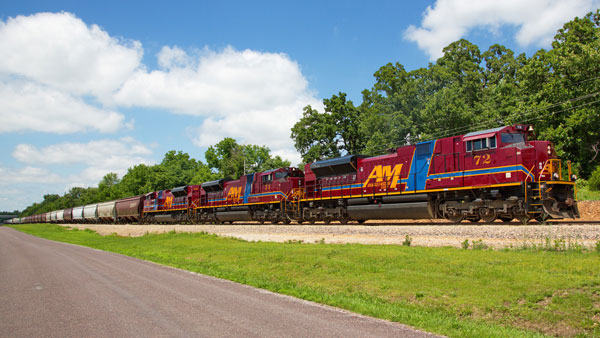
Route: Xi’an → Hamburg
Cargo: 1x20GP textiles consolidated from 5 suppliers
Cost: $3,450
Transit Time: 21 days
Mode: Rail Freight
Result: Balanced cost and time, ideal for seasonal stock
Should You Use FCL or LCL When Consolidating Cargo?
Criteria
FCL Consolidation
LCL Consolidation
Best for
Multiple suppliers filling full container
Small shipments
Cost
Lower per unit
Higher per unit
Speed
Faster direct service
Slower due to consolidation
Risk
Lower damage risk
Mixed cargo risk
How Do Incoterms Affect Consolidation in China?
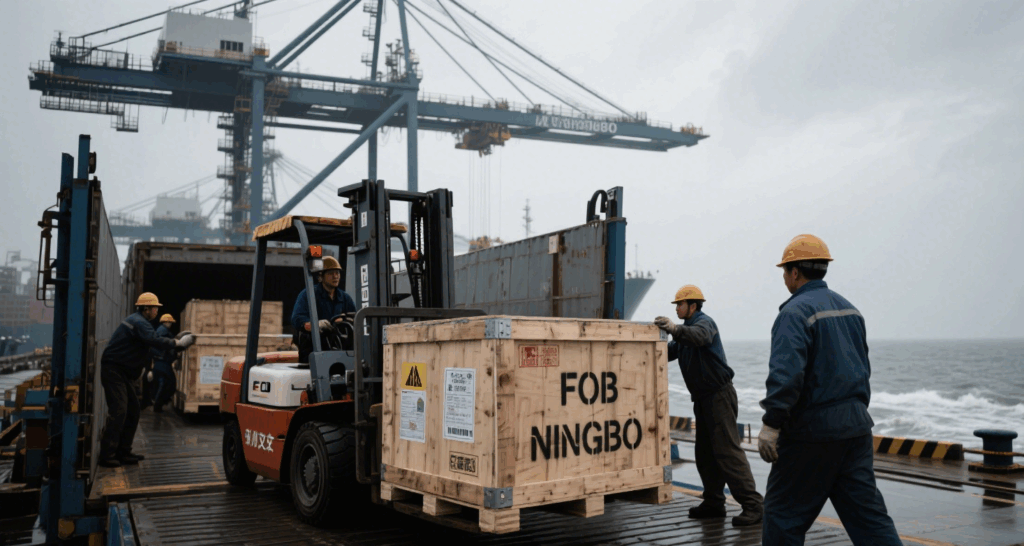
FOB: Seller delivers to port, buyer consolidates cargo
CIF: Seller arranges freight and insurance, but buyer may still consolidate
DDP: Seller pays all, rarely used for multi-supplier consolidation
Choosing FOB is most common, since buyers control freight and can negotiate better consolidation deals.
Can SMEs Benefit from Consolidation Services?
Yes. SMEs avoid paying full container rates and still access global supply chains. Additionally, they gain flexible shipping schedules and predictable costs. Without consolidation, many small importers would find international trade unprofitable.
Conclusion
In conclusion, consolidar carga en China helps importers lower costs, simplify customs, and improve supply chain efficiency. Sea freight remains the most economical option, air ensures speed, and rail offers balance. Moreover, SMEs particularly benefit from consolidation by accessing competitive freight rates and flexible shipping. With smart planning, accurate documentation, and trusted freight partners, consolidation turns global shipping challenges into opportunities for growth.
Consult TJ China Freight Forwarding for the lowest quote. They will provide you with reliable, cost-effective service.