Many importers wonder: is shipping from China expensive? The answer depends on cargo type, shipping method, distance, and customs rules. Costs can feel high for beginners, yet with proper planning, businesses save significantly. This guide explains methods, rates, and real examples to help you make informed choices.
What Factors Influence Shipping Costs from China?
Shipping costs depend on distance, fuel, handling fees, and trade agreements. Although ocean freight remains cheapest, urgent deliveries drive up air freight rates. Additionally, seasonal peaks like Christmas or Chinese New Year raise demand and pricing.
Factor
Impact on Costs
Example Case
Distance & Route
Longer routes cost more
Shanghai → Toronto vs Shanghai → Vancouver
Mode of Transport
Air faster but costlier than sea
Air freight $6/kg vs sea freight $2,800/20GP
Seasonality
Peak demand increases rates
Pre-holiday surcharges
Cargo Type & Size
Heavy, oversized, or hazardous goods cost more
Machinery vs textiles
Customs & Duties
Taxes vary by HS code
Electronics taxed higher than apparel
How Much Does Sea Freight from China Cost?
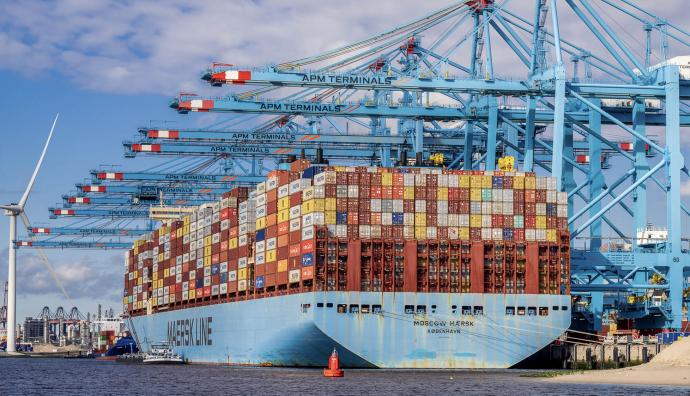
Sea freight is the backbone of global trade, and shipping from China to North America and Europe follows stable pricing structures.
Container Size
Average Cost China → USA
Average Cost China → Canada
Average Cost China → Europe
20GP
$2,500–$3,000
$2,600–$3,200
$2,800–$3,300
40GP
$5,000–$5,600
$5,200–$5,800
$5,400–$6,000
40HQ
$5,400–$6,000
$5,600–$6,200
$5,800–$6,400
📌Sea freight is cost-effective for bulk goods, but transit times extend up to 30–40 days depending on port congestion.
FOB (Free on Board): Buyer pays freight, seller covers origin charges
CIF (Cost, Insurance, Freight): Seller pays freight and insurance
DDP (Delivered Duty Paid): Seller pays all costs to buyer’s door
Choosing the right Incoterm prevents disputes and unexpected charges.
Is Shipping from China Expensive for Small Businesses?
Small businesses face challenges with high unit costs. However, they can:
Consolidate shipments
Use LCL instead of air
Book outside peak seasons
Partner with forwarders for volume discounts
These strategies lower expenses by 15–25% annually.
Conclusion
To conclude, is shipping from China expensive depends on method, cargo type, and timing. Sea freight remains cheapest for bulk goods, while air ensures speed but at higher costs. Rail offers balance between cost and delivery schedule. Moreover, customs, duties, and Incoterms significantly influence total expenses. By consolidating shipments, booking smartly, and partnering with freight forwarders, businesses reduce risks and costs. Efficient planning ensures shipping from China remains profitable and sustainable in a competitive supply chain.
Consult TJ China Freight Forwarding for the lowest quote. They will provide you with reliable, cost-effective service.
Use FCL shipping, consolidate cargo, and plan off-season schedules to minimize sea freight costs from China to global destinations.
Q2.Are Incoterms important when calculating shipping from China?
Yes, Incoterms define buyer and seller responsibilities, affecting total shipping costs from China, including insurance, freight, and customs clearance.
Q3.What is the average air freight rate from China to Europe?
Air freight rates from China to Europe usually range $5–$7 per kilogram, depending on carrier, season, and cargo characteristics.
Q4.Can small e-commerce sellers benefit from courier shipping from China?
Courier services from China offer fast door-to-door delivery, simplified customs, and tracking, making them suitable for e-commerce shipments worldwide.
Q5. How long does it take for rail freight from China to Europe?
Rail freight from China to Europe usually takes 18–22 days, offering a cost-effective alternative between sea freight and air freight.