

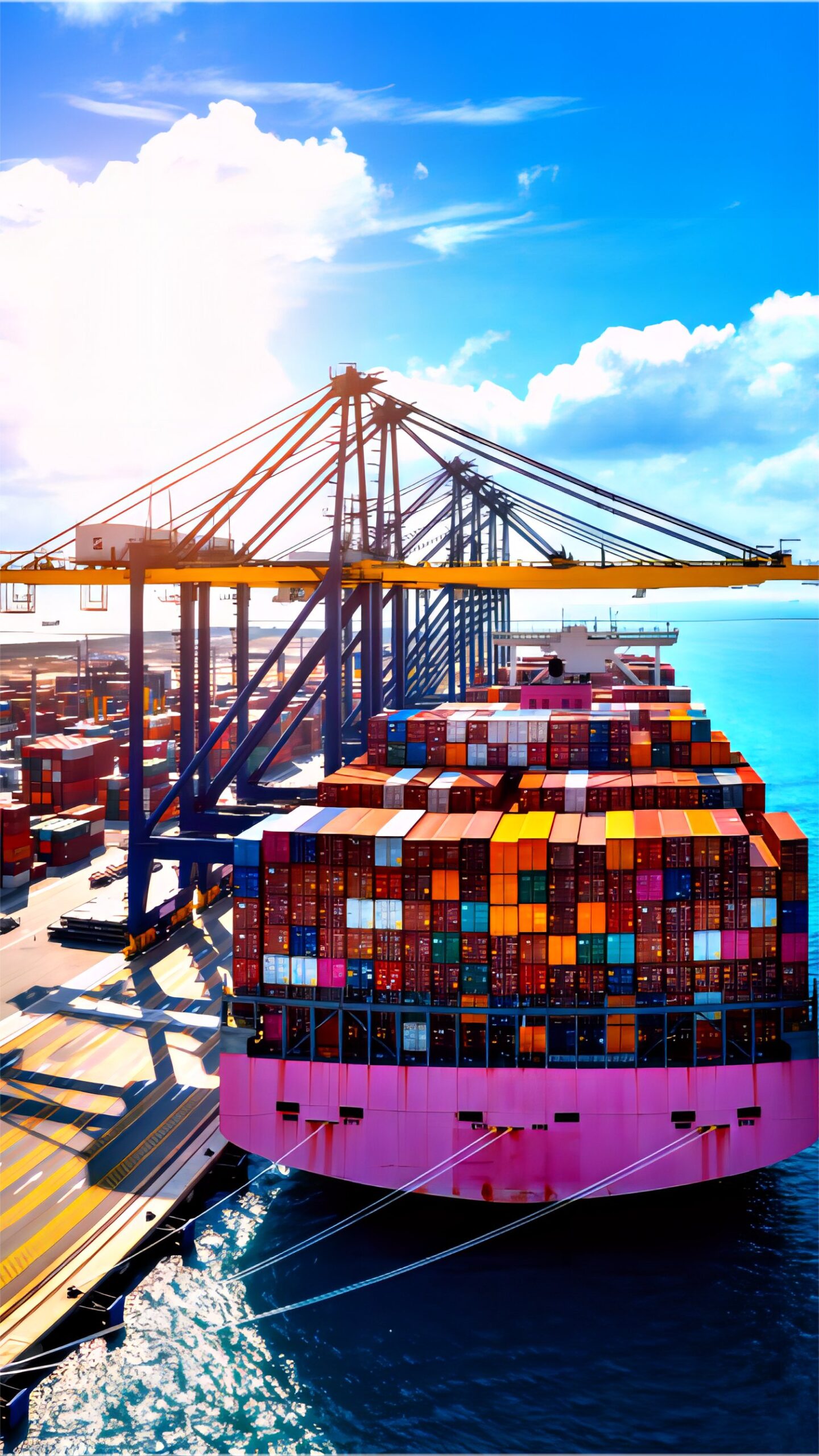
Customs Clearance China to UAE: The Complete 2026 Logistics Guide
Navigating the complexities of international trade requires a deep understanding of regional regulations and documentation standards. Consequently, managing customs clearance China to UAE effectively is the most critical step in ensuring your cargo reaches its destination without expensive delays. By partnering with a reliable logistics provider like Top China Freight, businesses can streamline their import processes and maintain a competitive edge in the Middle East market throughout 2026.

What Documents Are Required for Customs Clearance China to UAE?
Documentation serves as the backbone of the entire import process. Specifically, the UAE Federal Customs Authority requires a comprehensive set of papers to verify the nature, value, and origin of your goods. Failure to provide accurate documents often results in shipment seizures or heavy fines at the port of entry.
Moreover, you must ensure that your commercial invoice and packing list are meticulously detailed. These documents must include the precise HS code classification to determine the applicable import duty UAE rates. Indeed, incorrect coding is one of the most common reasons for customs delays in Dubai and Abu Dhabi.
Furthermore, a valid Certificate of Origin is mandatory for all shipments entering the GCC customs union. This document proves where the goods were manufactured and can sometimes qualify your shipment for preferential tariff treatments. You should also prepare the Bill of Lading or Air Waybill depending on your chosen transport mode.
| Document Name | Purpose | Issuer | Requirement Level |
|---|---|---|---|
| Commercial Invoice | Value verification | Supplier | Mandatory |
| Packing List | Content details | Supplier | Mandatory |
| Certificate of Origin | Source verification | Chamber of Commerce | Mandatory |
| Bill of Lading | Title of goods | Carrier | Mandatory |
How Much Does Customs Clearance China to UAE Cost in 2026?
Estimating the total landed cost of your products requires a clear understanding of the UAE’s tax structure. Typically, the standard import duty is 5 percent of the CIF value for most general cargo. However, certain luxury items or protected goods may attract higher rates reaching up to 50 or 100 percent.
Additionally, you must account for the 5 percent Value Added Tax (VAT) which applies to most imports. While businesses registered for VAT can often reclaim this amount, it still affects your initial cash flow. Choosing the right sea freight strategy can help balance these fixed costs with variable transport rates.
Meanwhile, market data from early 2026 suggests that administrative fees at Jebel Ali and Khalifa Port have stabilized. You should budget approximately $150 to $300 for basic customs brokerage services and documentation processing. Note: Freight rates are subject to change based on fuel costs, carrier capacity, and seasonal demand. Contact us for a current quote tailored to your specific shipment.
How Does Sea Freight Compare to Other Shipping Options?
Selecting the optimal transportation method depends heavily on your budget and delivery schedule. While air freight offers unmatched speed for urgent electronics or fashion items, it remains significantly more expensive than ocean transport. Consequently, most high-volume importers prefer sea routes for their cost-efficiency.
Furthermore, the choice between FCL and LCL shipping plays a major role in your overall logistics spend. For shipments under 15 CBM, LCL at $60-90 per CBM is often the most economical choice. Conversely, a full 40HQ container provides better security and a lower per-unit cost for larger inventories.
Indeed, hybrid solutions like sea-air combinations are gaining popularity in 2026. These routes involve shipping goods to a transit hub by sea and then flying them to Dubai to save both time and money. This alternative approach offers a middle ground for businesses managing tight supply chain timelines.
| Shipping Method | Cost Range | Transit Time | Best For |
|---|---|---|---|
| Sea Freight (FCL) | $2,200 – $3,800 | 18 – 25 Days | Bulk Goods |
| Air Freight | $4.50 – $7.00/kg | 3 – 5 Days | Urgent Cargo |
| Express Service | $8.00 – $12.00/kg | 2 – 4 Days | Small Samples |
| Sea-Air Hybrid | $2.50 – $4.00/kg | 10 – 14 Days | Balanced Needs |

Professional Customs Brokerage and Its Importance
Engaging a professional customs brokerage service is often the difference between a smooth delivery and a logistics nightmare. These experts possess the local knowledge required to navigate the UAE’s digital customs portals like Dubai Trade. Consequently, they can expedite the release of your goods by ensuring all electronic filings are submitted correctly.
Moreover, brokers stay updated on the latest regulatory changes, such as new environmental standards or safety certifications. They can advise you on whether your products require special approvals from the Ministry of Industry and Advanced Technology (MoIAT). Therefore, investing in expert guidance reduces the risk of your shipment being held for inspection.
In addition, experienced brokers can help you utilize bonded warehouses in the UAE’s many free zones. This strategy allows you to defer duty payments until the goods are actually moved into the local market. Such financial flexibility is invaluable for growing businesses managing large-scale imports from China.
Real Case Studies: Shipping to the UAE in 2026
Analyzing real-world scenarios provides practical insights into the current shipping landscape. For instance, many companies are now utilizing door to door services to simplify their entire operation. The following cases reflect typical shipments handled during the first half of 2026.
Case Study 1: Electronics from Shenzhen to Dubai. Cargo: 500kg of smart home devices. Shipping Method: Air Freight. Port of Loading: Shenzhen Baoan. Port of Discharge: Dubai International. Sea Transit: N/A. Customs Clearance: 1 day. Total Door-to-Door: 5 days. Total Landed Cost: $3,250. Key Insight: Pre-clearing the HS codes saved 48 hours of inspection time.
Case Study 2: Furniture from Foshan to Jebel Ali. Cargo: 1x40HQ Container. Shipping Method: Sea Freight. Port of Loading: Nansha. Port of Discharge: Jebel Ali. Route Type: Direct. Ocean Freight: $3,100. Customs & Duties: $1,850. Total Landed Cost: $5,450. Timeline: 24 days total. Key Insight: Using a direct route avoided transshipment delays in Singapore.
Based on Q1 2026 market rates, these examples illustrate the importance of choosing the right carrier and route. While transit times remain stable, businesses must account for slight seasonal variations in freight rates during the Q4 peak period.
Which Shipping Option Should You Choose?
Deciding on a shipping strategy requires evaluating your specific business priorities. If your primary goal is minimizing expenditure, sea freight is the undisputed winner for large volumes. However, businesses dealing with perishable goods or high-value electronics must prioritize speed and security over cost.
For small businesses or e-commerce sellers, an express service might be the most practical solution. These services include end-to-end handling and simplified customs clearance for smaller parcels. Consequently, you can focus on sales while the logistics provider manages the complex paperwork.
Additionally, consider the volume thresholds that make FCL more attractive than LCL. Once your shipment exceeds 12-15 CBM, booking a full 20GP container often becomes cheaper than paying individual CBM rates. This transition point is crucial for optimizing your supply chain costs as your business scales.

Understanding the UAE Customs Inspection Process
Customs inspections are a standard part of the import process designed to ensure safety and compliance. Generally, shipments are categorized into green, yellow, or red channels based on risk assessment. Green channel shipments are cleared almost instantly through automated systems.
However, if your cargo is flagged for the red channel, it will undergo a physical inspection by customs officers. This process can take anywhere from 24 to 72 hours depending on the port’s workload. Therefore, ensuring your packing list perfectly matches the physical contents of your container is vital to avoid penalties.
Meanwhile, technological advancements in 2026 have made these inspections more efficient. AI-driven scanning systems at Jebel Ali now allow for rapid non-intrusive inspections of entire containers. Consequently, even red-channel shipments are moving faster than in previous years, provided the documentation is in order.
Final Thoughts on Shipping Success
Successfully managing customs clearance China to UAE requires a proactive approach and attention to detail. By understanding the required documentation, tax structures, and shipping methods, you can significantly reduce transit times and operational costs. Transitioning to a more efficient logistics model is essential for long-term growth.
As we move through 2026, staying informed about market trends and regulatory changes will remain a top priority for importers. Whether you choose sea freight for its economy or air freight for its speed, the right partner makes all the difference. Start planning your next shipment today to ensure a seamless entry into the UAE market.

Need a tailored shipping solution?
Streamline your supply chain today with expert assistance. Our team provides comprehensive support for customs clearance China to UAE to ensure your business stays ahead of the competition. Contact us now to receive a personalized quote and optimize your logistics strategy for 2026. Visit Top China Freight to get started.