

Shipping Rates China to UAE: 2026 Guide to Costs and Logistics
Navigating shipping rates china to uae is a critical task for businesses aiming to maintain a competitive edge in the 2026 global market. Many importers face challenges with fluctuating fuel surcharges and seasonal demand shifts that impact their bottom line. Top China Freight offers expert guidance to help you secure the most cost-effective and reliable logistics solutions for your cargo.

Understanding Shipping Rates China to UAE in 2026
Current market intelligence suggests that shipping rates china to uae have stabilized significantly as we enter the second quarter of 2026. However, prices still vary based on the specific mode of transport and the volume of goods being moved. Consequently, importers must stay informed about current trends to avoid unexpected expenses during the peak shipping seasons.
Moreover, the logistics landscape between these two regions is influenced by port efficiency in Jebel Ali and infrastructure developments in China. Therefore, selecting the right freight forwarder becomes essential for managing your supply chain effectively. Additionally, understanding the breakdown of costs helps in budgeting for the entire landed cost of your products.
Indeed, many factors contribute to the final price you pay for international logistics. For instance, peak season surcharges typically apply from August through October as retailers prepare for end-of-year sales. Furthermore, fuel price fluctuations continue to play a major role in how carriers adjust their monthly freight rates.
Sea Freight Options: Navigating FCL and LCL Rates
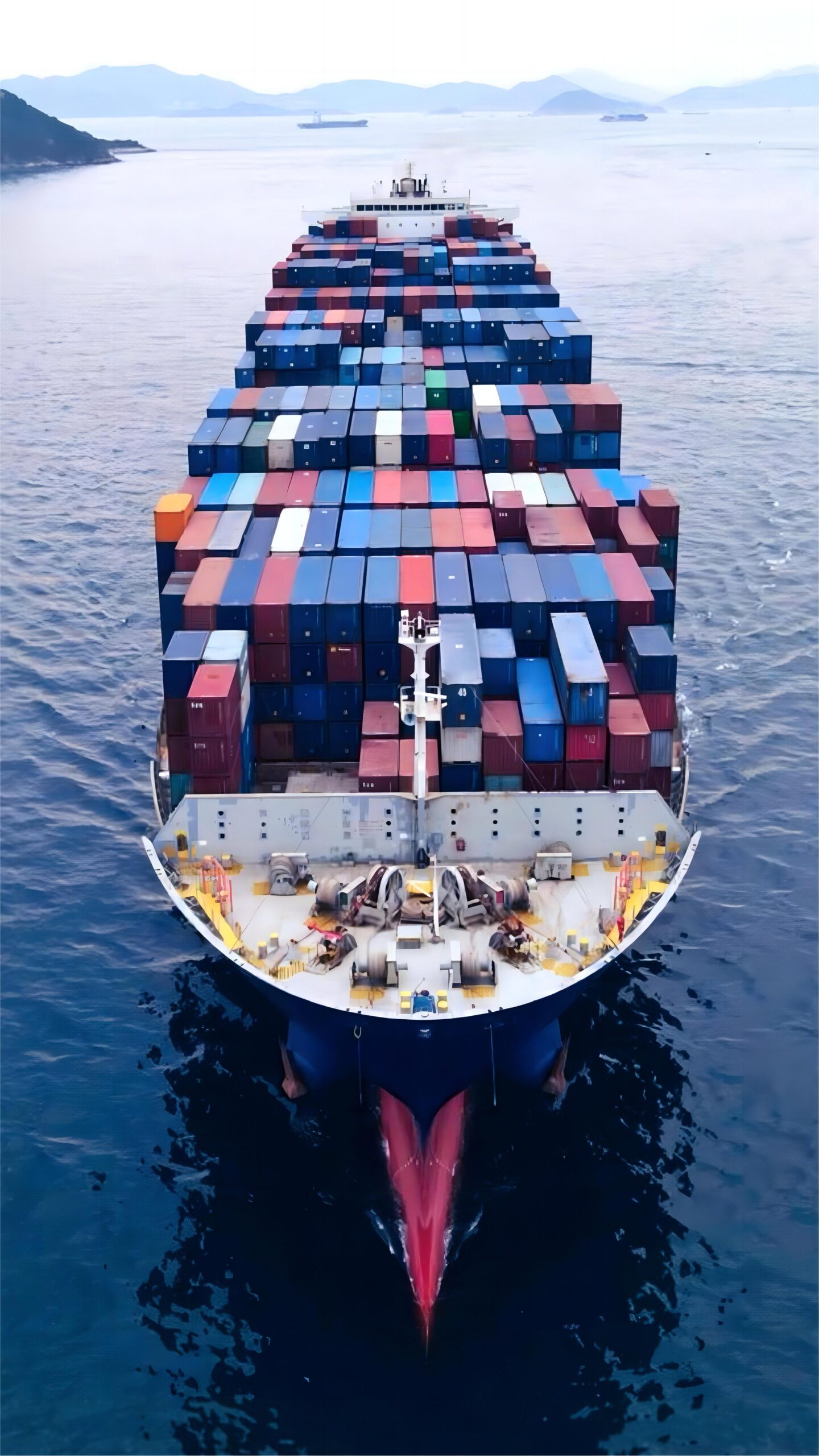
Choosing sea freight is often the most economical decision for large-scale shipments. This method is particularly suitable for heavy machinery, bulk commodities, and large quantities of consumer goods. Meanwhile, businesses must decide between Full Container Load (FCL) and Less than Container Load (LCL) based on their specific volume requirements.
Specifically, FCL is the preferred choice for shipments that can fill a 20ft or 40ft container. This option provides better security and faster transit times because the container is not shared with other shippers. On the other hand, LCL allows smaller businesses to share container space, making it a cost-effective alternative for shipments under 15 cubic meters.
According to industry benchmarks, sea container rates from major Chinese ports like Shanghai or Shenzhen to Dubai remain competitive in 2026. Nevertheless, you should account for origin and destination charges which can add several hundred dollars to your total bill. To summarize, sea freight offers the best balance between capacity and cost for non-urgent cargo.
| 20GP Container | $900 – $1,300 | 18 – 22 Days | Heavy Goods |
| 40HQ Container | $1,600 – $2,200 | 20 – 25 Days | Voluminous Cargo |
| LCL (per CBM) | $40 – $70 | 25 – 30 Days | Small Shipments |

Air Freight Costs: Balancing Speed and Budget
When time is the primary concern, air freight provides the fastest connection between Chinese manufacturing hubs and the UAE. This method is ideal for high-value electronics, perishable items, or urgent stock replenishments. Consequently, businesses often utilize air transport to meet tight deadlines despite the higher price point compared to sea routes.
Typically, air cargo prices are calculated based on either actual weight or volumetric weight, whichever is greater. Therefore, optimizing your packaging can lead to significant savings on your air freight expenses. Additionally, choosing deferred air services can reduce costs by 15% if your schedule allows for a slightly longer transit time of 5 to 7 days.
Furthermore, major airports in the UAE, such as Dubai International (DXB) and Al Maktoum International (DWC), offer world-class cargo handling facilities. These hubs ensure that your goods are processed quickly through customs. In contrast, shipping via air during the Chinese New Year period can see rates double due to extreme capacity constraints.
How Does Sea Freight Compare to Other Shipping Options?
Evaluating different transport modes is essential for optimizing your logistics strategy. While sea freight is the cheapest for bulk, express service remains the king of speed for documents and small parcels. Consequently, many businesses now adopt hybrid strategies to balance their inventory needs and budget constraints.
For example, a sea-air solution involves shipping goods by sea to a mid-way hub like Colombo and then flying them to the UAE. This alternative strategy can save up to 40% in costs compared to pure air freight while being twice as fast as sea freight. Moreover, it provides a reliable buffer when sea ports are congested or air capacity is limited.
Additionally, for very small shipments under 100kg, express couriers like DHL or FedEx often provide better value because their rates include door to door service and customs handling. However, for anything over 500kg, traditional air or sea freight is almost always more economical. Ultimately, the choice depends on your specific margin and delivery requirements.
| Sea Freight | Lowest | 18 – 30 Days | Slowest speed |
| Air Freight | High | 3 – 7 Days | Weight limits |
| Express | Highest | 2 – 4 Days | Very expensive |
| Sea-Air | Moderate | 10 – 14 Days | Complex booking |

Key Factors Influencing Shipping Costs in 2026
Several variables dictate the final shipping rates china to uae that you will encounter in the current market. First, the distance between the port of loading and the port of discharge plays a fundamental role in fuel consumption. For instance, shipping from Northern China ports like Tianjin may cost slightly more than shipping from Southern ports like Guangzhou.
Second, the type of cargo determines the handling requirements and equipment needed. Specifically, hazardous materials or temperature-sensitive goods require specialized containers, which naturally increases the freight rate. Additionally, the choice of incoterms, such as FOB or CIF, defines which party is responsible for specific portions of the shipping costs.
Third, seasonal fluctuations remain a dominant force in the shipping industry. During the Q4 peak season, carriers often implement General Rate Increases (GRI) to manage the high demand. Consequently, booking your shipments at least 2 to 3 weeks in advance is a wise strategy to lock in lower rates and ensure space on the vessel.
Customs Clearance and Import Duties in the UAE
Navigating the regulatory environment is just as important as managing the physical transport of goods. Professional customs brokerage services ensure that your documentation is accurate and compliant with UAE laws. Therefore, you can avoid costly delays and fines at the border by preparing your paperwork well in advance.
Generally, the UAE applies a standard customs duty of 5% on most imported goods, although some items may be exempt or subject to higher taxes. Furthermore, Value Added Tax (VAT) at a rate of 5% is applicable on the total value of the import, including the cost of insurance and freight. Consequently, calculating these taxes is vital for determining your final landed cost.
Moreover, you must provide essential documents such as the commercial invoice, packing list, and bill of lading for every shipment. In addition, certain products like pharmaceuticals or electronics may require special permits from UAE ministries. Indeed, working with an experienced partner simplifies this complex process and ensures a smooth delivery schedule.
Realistic Case Studies: Shipping from China to UAE
Reviewing real-world examples provides valuable insights into what you can expect for your own logistics operations. These cases reflect typical scenarios encountered by importers in early 2026. By analyzing these details, you can better estimate your own shipping rates china to uae and plan your budget with greater accuracy.
Case Study 1: Electronics from Shenzhen to Dubai. Route: Shenzhen Port to Jebel Ali. Cargo: 500kg of consumer electronics. Method: Air Freight. Total Cost: $2,850. Transit Time: 4 days. Key Insight: Choosing air freight allowed the client to meet a product launch deadline despite a production delay at the factory.
Case Study 2: Furniture from Foshan to Abu Dhabi. Route: Guangzhou Port to Khalifa Port. Cargo: 15 CBM of home furniture. Method: Sea Freight LCL. Total Cost: $1,150. Transit Time: 24 days. Key Insight: LCL was 40% cheaper than booking a full 20GP container for this specific volume.
Case Study 3: Industrial Parts from Ningbo to Sharjah. Route: Ningbo Port to Khalid Port. Cargo: Full 40HQ container of machinery parts. Method: Sea Freight FCL. Total Cost: $2,400. Transit Time: 21 days. Key Insight: Using door to door service simplified the final mile delivery to the warehouse.
Which Shipping Option Should You Choose?
Determining the best logistics path requires a clear understanding of your business priorities. If your primary goal is to minimize expenses, sea freight is the logical choice for large volumes. However, if you are dealing with time-sensitive contracts or high-value items, the speed of air freight justifies the additional investment.
For shipments that fall between these categories, consider the volume thresholds. Typically, once a shipment exceeds 100kg, air freight becomes more economical than express. Likewise, when your cargo reaches 15 cubic meters, switching from LCL to a full 20GP container often results in lower per-unit costs and better protection for your goods.
Ultimately, a successful strategy often involves a mix of different methods. For instance, you might use air freight for your initial product launch and then transition to sea freight for bulk inventory replenishment. This balanced approach ensures that you stay responsive to market demand while keeping your overall shipping rates china to uae as low as possible.
Final Thoughts on Shipping from China to UAE
In conclusion, managing shipping rates china to uae effectively requires a combination of market knowledge, strategic planning, and the right logistics partnerships. By understanding the differences between air and sea freight, you can make informed decisions that protect your profit margins. Furthermore, staying updated on customs regulations and seasonal trends will help you avoid unnecessary delays.
As we move through 2026, the importance of a resilient and flexible supply chain cannot be overstated. Whether you are a small startup or a large enterprise, optimizing your freight costs is a continuous process. Therefore, always seek current market data and professional advice to ensure your goods move efficiently from China to the UAE.

Ready to streamline your logistics?
Ready to optimize your supply chain and reduce your shipping rates china to uae? Contact Top China Freight today for a customized quote tailored to your specific business needs. Our team of logistics experts is standing by to help you navigate the complexities of 2026 international trade. Visit our website to request a free consultation and start shipping smarter today.
Request Quote