
Open Top FCL Transit Time for Medical Equipment from China to Seattle
Navigating the complexities of international logistics requires a deep understanding of specialized shipping methods and schedules. For healthcare providers and distributors, calculating the Open Top FCL transit time for medical equipment from China to Seattle is essential for maintaining a reliable supply chain. By partnering with experts like Top China Freight, businesses can ensure their sensitive, oversized diagnostic machinery reaches the Pacific Northwest safely and efficiently.
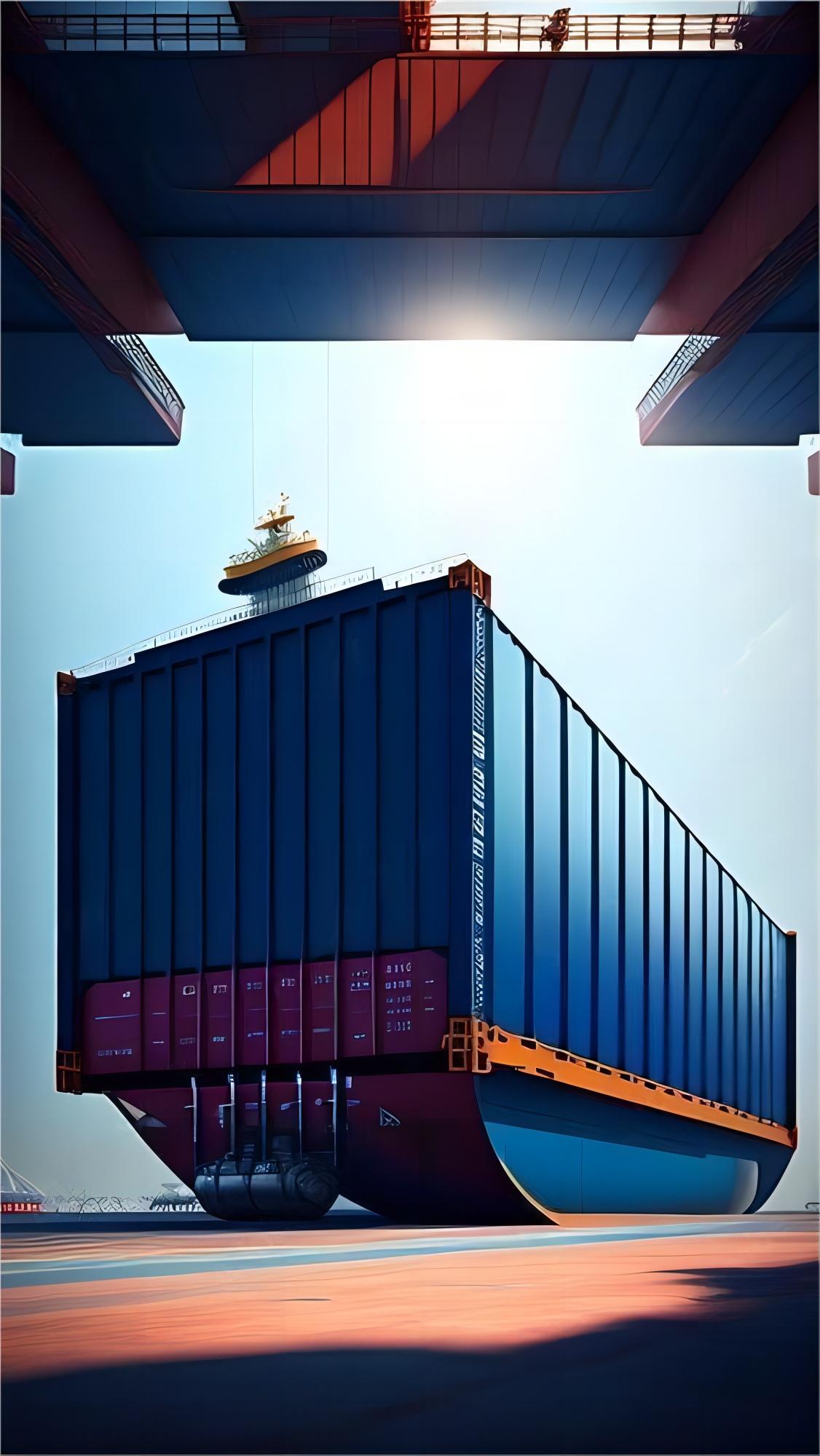
What is the Open Top FCL Transit Time for Medical Equipment from China to Seattle?
Determining the exact duration for sea freight involves looking at port-to-port schedules and inland logistics. Generally, the sea transit portion from major Chinese hubs like Shanghai or Ningbo to Seattle takes between 14 and 18 days for direct routes. However, when you factor in the specialized handling required for open top containers, the total door-to-door timeline often extends to 25 or 30 days.
Consequently, importers must account for the extra time needed to secure out-of-gauge cargo and perform safety inspections. Open top containers allow for the loading of tall medical machinery, such as MRI scanners or large surgical robots, that cannot fit into standard dry vans. This specialized equipment requires careful lashing and tarping, which can add a day or two to the origin port processing time.

Furthermore, current market trends in early 2025 show that while transpacific routes are stable, port productivity in Seattle can fluctuate based on seasonal volumes. Therefore, scheduling your shipment with a focus on sea freight expertise is the best way to mitigate potential delays and ensure your medical devices arrive on schedule.
Why Medical Equipment Requires Open Top Containers
Medical technology often features dimensions that exceed the height limits of standard 20-foot or 40-foot containers. Open top containers provide the necessary flexibility by allowing cranes to lower heavy machinery through the top of the unit. This method is particularly useful for sensitive equipment that must remain upright during the entire transport process.
Additionally, these containers use heavy-duty tarpaulins instead of solid roofs to protect the cargo from environmental elements while accommodating height variances. Because medical devices are high-value and fragile, the structural integrity of an open top FCL shipment provides better security than multi-stop alternatives. Most healthcare manufacturers prefer this method for its balance of protection and accessibility.
Moreover, utilizing North America bound specialized vessels ensures that the crew is experienced in handling out-of-gauge (OOG) cargo. This experience reduces the risk of physical damage during the turbulent transpacific crossing. Selecting the right container type is just as important as selecting the right shipping lane.
How Does Open Top FCL Compare to Other Shipping Options?
Choosing the right shipping method involves balancing speed, cost, and the physical requirements of your medical equipment. While Open Top FCL is the standard for oversized goods, other options like Flat Rack or Air Freight might be suitable depending on your urgency. In contrast to standard containers, open top units carry a premium price due to their specialized nature and the potential for lost slot capacity on the vessel.
For instance, air freight offers the fastest transit but is often cost-prohibitive for heavy diagnostic machines. On the other hand, standard FCL is cheaper but only works if your equipment can be disassembled to fit inside a closed box. Most logistics managers find that Open Top FCL offers the best middle ground for safety and cost-efficiency when moving large-scale medical infrastructure.
Market data suggests that for shipments exceeding 2.5 meters in height, the open top container remains the most secure choice. Below is a detailed comparison of the primary methods used for this specific route.
| Shipping Method | Cost Range | Transit Time | Best For |
|---|---|---|---|
| Open Top FCL | $3,500 – $5,500 | 15-20 Days | Tall, heavy medical machines |
| Standard 40HQ | $2,800 – $3,800 | 14-18 Days | Disassembled equipment |
| Air Freight | $15,000 – $25,000 | 3-5 Days | Urgent surgical parts |
| Flat Rack | $4,500 – $7,000 | 15-20 Days | Extra-wide medical units |
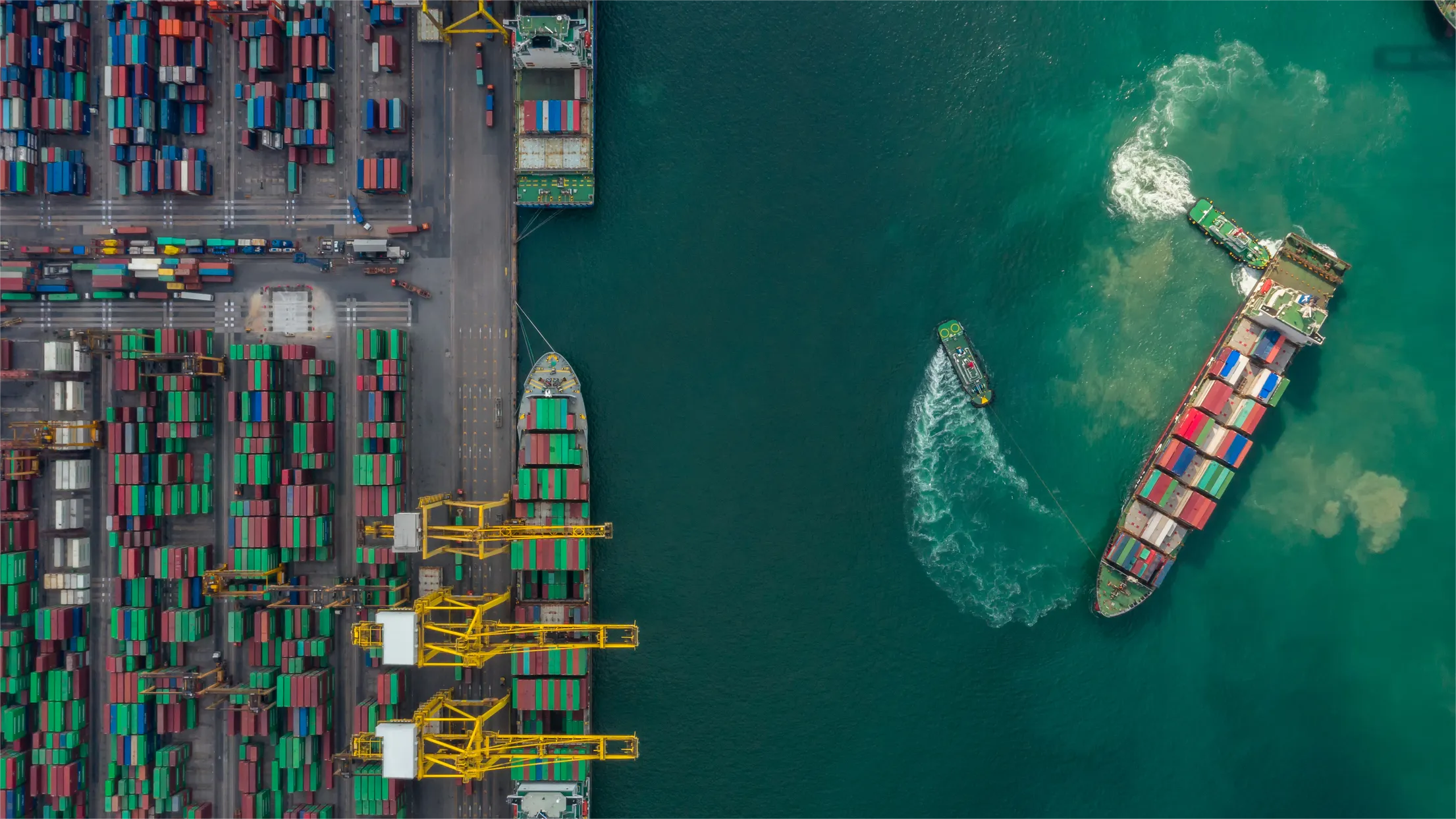
Factors Influencing Open Top FCL Transit Time for Medical Equipment from China to Seattle
Several variables can impact the duration of your shipment beyond the simple distance between ports. Weather conditions in the North Pacific are a primary concern, as winter storms can force vessels to take longer, more southern routes to avoid heavy seas. Consequently, transit times during the winter months may increase by 3 to 5 days compared to summer schedules.
Another critical factor is the efficiency of customs brokerage at the Port of Seattle. Medical equipment is subject to strict FDA regulations and inspections, which can lead to bottlenecks if documentation is incomplete. Ensuring that all permits and safety certifications are ready before the ship docks is vital for a quick release.
Port congestion also plays a significant role in the total lead time. While Seattle is generally faster than Los Angeles or Long Beach, peak season surges in Q3 and Q4 can cause vessel bunching. Therefore, we recommend booking your space at least three weeks in advance during the busy holiday lead-up to secure a spot on a direct carrier.
Step-by-Step Logistics for Oversized Medical Cargo
Successfully moving out-of-gauge medical equipment requires a structured approach to prevent delays. First, the manufacturer must provide exact dimensions and weight to the freight forwarder to ensure the correct open top unit is reserved. Once the booking is confirmed, the cargo is transported to the port of loading, usually Shanghai or Shenzhen, for specialized crating.
After the cargo arrives at the terminal, port authorities supervise the loading process using overhead cranes. The equipment is then secured using heavy-duty chains and straps to prevent shifting during the voyage. Meanwhile, the logistics team prepares the Bill of Lading and commercial invoices to facilitate smooth transit across the ocean.
Upon arrival in Seattle, the container is offloaded and moved to a specialized terminal for oversized goods. Because medical equipment often requires climate-controlled storage or immediate delivery, coordinating door to door transport is the final, crucial step. This ensures the machinery moves directly from the port to the hospital or clinic without unnecessary intermediate handling.
Documentation and Customs Compliance for Seattle Imports
Importing medical technology into the United States requires adherence to a complex set of rules governed by Customs and Border Protection (CBP) and the FDA. You must provide a valid FDA establishment registration and a device listing number for every item in the shipment. Failure to provide these details will result in an immediate hold at the Port of Seattle, significantly increasing your transit time.
In addition to FDA requirements, you must submit an Importer Security Filing (ISF) at least 24 hours before the vessel departs from China. This filing is mandatory for all ocean freight arriving in the US and helps authorities assess risk. Missing this deadline can lead to heavy fines and mandatory cargo exams that delay delivery by weeks.
Furthermore, detailed packing lists must specify the contents of each crate, including serial numbers and country of origin. Using a professional service like Amazon FBA style precision in your documentation, even for non-Amazon shipments, helps avoid manual inspections. Accuracy in paperwork is the most effective way to guarantee the fastest possible transit time.
| Document Name | Responsibility | Purpose | Timing |
|---|---|---|---|
| Bill of Lading | Carrier | Title of goods | At loading |
| FDA 2891 Form | Importer | Device registration | Before arrival |
| ISF (10+2) | Importer | Security screening | 24h pre-sailing |
| Commercial Invoice | Exporter | Valuation/Duties | At booking |
Case Studies: Successful Medical Equipment Shipments
Analyzing past shipments provides valuable insight into what to expect for your own logistics planning. These real-world examples reflect typical scenarios for the China-to-Seattle route in the current market environment. Note that rates and times are based on 2024-2025 averages and may vary based on specific carrier contracts.
Case Study 1: MRI Machine from Shanghai to Seattle. Cargo: 1 MRI Unit, 12,000 kg. Container: 40ft Open Top. Sea Transit: 15 days. Total Door-to-Door: 24 days. Total Landed Cost: $6,200. Key Insight: Early ISF filing prevented a 5-day customs hold.
Case Study 2: Hospital Bed Systems from Ningbo to Seattle. Cargo: 50 Adjustable Beds, 8,000 kg. Container: 20ft Open Top (due to height). Sea Transit: 17 days. Total Door-to-Door: 28 days. Total Landed Cost: $4,800. Key Insight: Using a direct service saved $800 in transshipment fees.
Which Option Should You Choose?
Deciding on the best shipping method depends on your specific priorities regarding budget and speed. If your primary goal is cost-saving and the equipment is not needed for an immediate hospital opening, Open Top FCL is the most logical choice. It provides the necessary safety for oversized units at a fraction of the cost of air transport.
However, if you are facing a strict deadline for a clinical installation, you might consider a hybrid approach. This involves shipping the main oversized chassis via Open Top FCL while sending smaller, critical electronic components via express air service. This strategy ensures that the most sensitive parts are not exposed to the ocean environment for extended periods.
Ultimately, the volume of your cargo will dictate the most efficient path. For shipments under 15 CBM, you might explore LCL options, though open top LCL is rare and difficult to coordinate. Most medical importers find that the security of a full container is worth the investment for high-value healthcare technology.
Mastering Your Medical Logistics Strategy
In conclusion, understanding the Open Top FCL transit time for medical equipment from China to Seattle is the first step toward a successful import operation. While the sea journey typically takes about two weeks, the total timeline is influenced by documentation, weather, and port efficiency. By planning ahead and choosing the right container type, you can ensure your life-saving equipment reaches its destination without delay.
Remember that freight rates are subject to change based on fuel costs, carrier capacity, and seasonal demand. Always consult with a professional logistics provider to get a current quote tailored to your specific shipment needs. With the right preparation, your transpacific medical logistics can be a seamless part of your business growth.
Ready to streamline your logistics?
Ready to optimize your medical supply chain? Contact Top China Freight today for a customized quote on your Open Top FCL transit time for medical equipment from China to Seattle. Our team of experts is standing by to handle your oversized cargo with the precision and care it deserves. Visit our website to start your inquiry now.
Request Quote