


Reefer FCL sailing schedule for solar panels from China to New York
Navigating the reefer FCL sailing schedule for solar panels from China to New York requires precision and deep industry expertise. At Top China Freight, we simplify the complex logistics of international trade to ensure your renewable energy components arrive safely. Choosing the right schedule and container type is crucial for maintaining the integrity of sensitive solar equipment during the long voyage across the Pacific and through the Panama Canal.
Understanding the Reefer FCL Sailing Schedule for Solar Panels from China to New York
Sailing schedules for refrigerated containers from China to the East Coast of the United States are highly structured. Major carriers operate weekly services from primary hubs like Shanghai, Ningbo, and Shenzhen. These schedules account for the specific handling requirements of temperature-sensitive photovoltaic materials.
Moreover, the transit time typically ranges between 30 and 40 days depending on the specific port of departure. Consequently, importers must plan their procurement cycles at least two months in advance. This foresight allows for potential delays in port handling or weather-related disruptions during the sea voyage.
Furthermore, using sea freight for solar panels provides a cost-effective solution for large-scale installations. While dry containers are standard, reefer units offer an additional layer of thermal protection. This protection prevents the degradation of delicate electronic components within the panels during extreme temperature fluctuations.
Therefore, staying updated with the latest carrier announcements is essential for maintaining a lean supply chain. Reliable logistics providers offer real-time tracking and schedule updates to keep your project on track. Indeed, accurate timing is the backbone of successful international solar panel distribution.
Why Choose Reefer FCL for Solar Panel Shipments?
Solar panels often contain sensitive films and electronic connectors that react poorly to extreme heat or cold. Reefer containers maintain a consistent internal environment, which is vital when crossing multiple climate zones. For instance, a ship traveling from tropical Southern China to a freezing New York winter faces massive temperature swings.
Additionally, the Full Container Load (FCL) option ensures that your cargo is not handled alongside other goods. This exclusivity reduces the risk of physical damage and contamination from unrelated products. Meanwhile, the consistent temperature control prevents moisture buildup and condensation inside the container.
Nevertheless, some importers question the necessity of reefer units for solar products. While standard dry containers are cheaper, the potential cost of damaged panels far outweighs the initial savings. Accordingly, high-efficiency panels with advanced coatings often require this specialized handling to preserve their long-term performance.
Major Shipping Routes and Transit Times
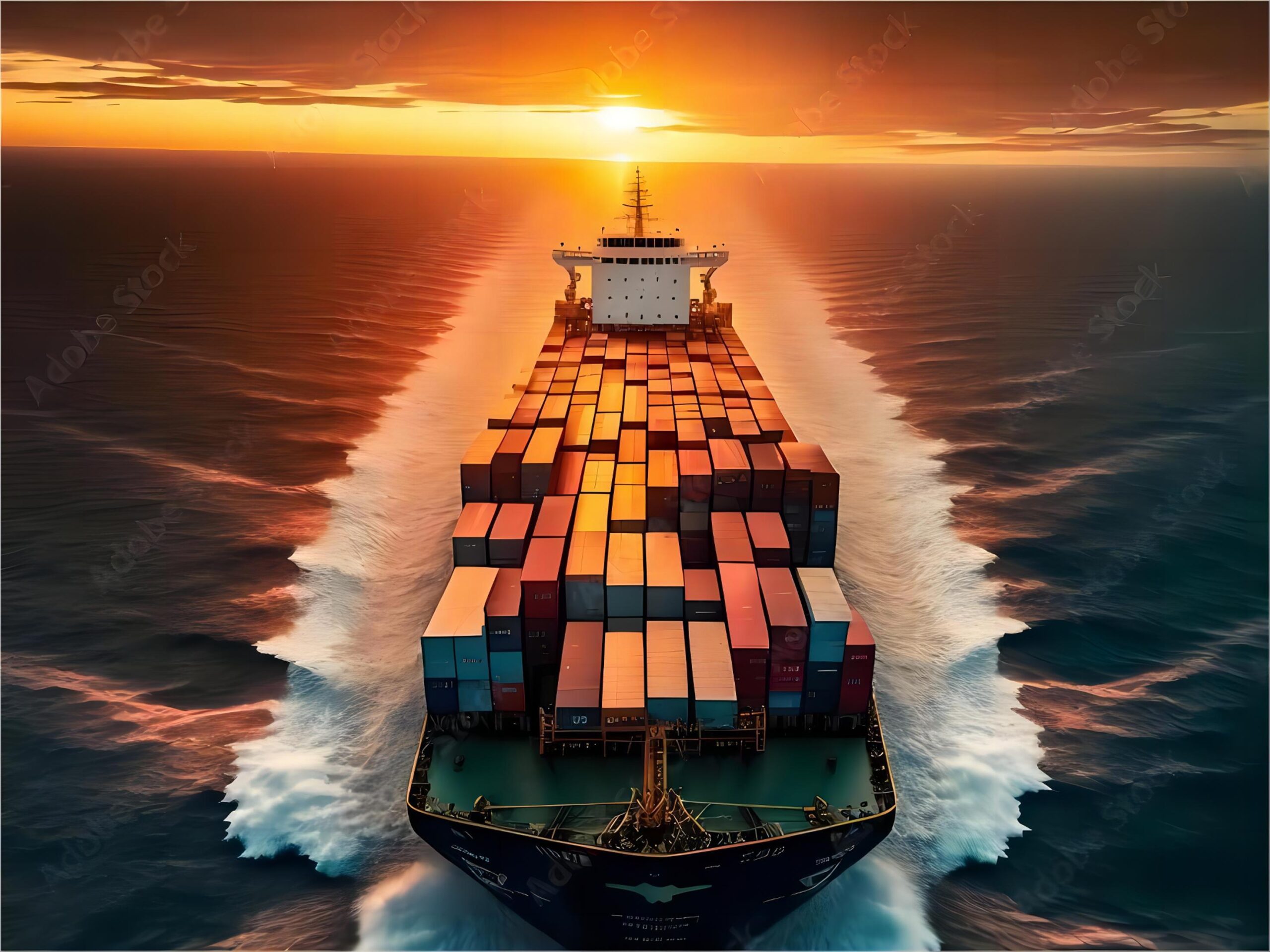
Primary routes from China to New York usually involve a transit through the Panama Canal. This route is preferred for its balance between speed and cost compared to the Suez Canal route. However, seasonal congestion at the canal can occasionally impact the delivery schedule.
Carriers like Maersk, COSCO, and MSC offer direct services that minimize the number of transshipment points. Reducing transshipments is critical because every handling event increases the risk of damage. As a result, direct sailings are the gold standard for high-value solar equipment.
Typical transit times from major Chinese ports to New York are summarized in the table below. Note that these are port-to-port estimates and do not include inland drayage. Consequently, you should add five to seven days for final delivery to your warehouse.
| Origin Port | Destination Port | Average Transit Time | Frequency |
|---|---|---|---|
| Shanghai | New York | 32-35 Days | Weekly |
| Ningbo | New York | 33-36 Days | Weekly |
| Shenzhen | New York | 35-38 Days | Bi-weekly |
| Qingdao | New York | 38-42 Days | Weekly |
How Does Reefer FCL Compare to Other Shipping Options?
Selecting the right shipping method involves a trade-off between cost, speed, and safety. While reefer FCL is specialized, other options like dry FCL or LCL might be suitable for different scenarios. For example, smaller shipments might benefit from Less than Container Load services if temperature control is not a priority.
In contrast, air freight offers the fastest transit but at a significantly higher cost. This method is usually reserved for urgent replacement parts or small-scale prototype panels. Without a doubt, sea freight remains the dominant choice for bulk solar panel imports due to its volume capacity.
Furthermore, our door to door service integrates all these methods into a seamless logistics experience. We handle everything from the factory floor in China to the final installation site in New York. This comprehensive approach minimizes the administrative burden on your procurement team.
| Shipping Method | Cost Range (40HQ) | Transit Time | Best For |
|---|---|---|---|
| Reefer FCL | $5,500 – $7,500 | 32-38 Days | High-value solar panels |
| Dry FCL | $4,500 – $6,000 | 32-38 Days | Standard solar modules |
| Air Freight | $15,000+ | 5-8 Days | Urgent samples |
| LCL Shipping | $80 – $120/CBM | 40-45 Days | Small quantities |
Which Option Should You Choose?
Budget priority: If your primary goal is cost reduction, dry FCL is the most economical choice. However, you must ensure that your packaging is robust enough to handle temperature variations. In addition, using desiccants can help manage moisture levels in standard containers.
Speed priority: When deadlines are tight, look for carriers offering the ‘Fast Boat’ service to the US East Coast. These premium services prioritize your container for unloading at the New York terminal. Consequently, you can save three to five days on the total transit time.
Cargo type considerations: For premium bifacial panels or those with sensitive thin-film technology, reefer FCL is highly recommended. The added cost is a small price to pay for the insurance of a climate-controlled environment. Therefore, always match the shipping method to the technical specifications of your product.
Real-World Case Studies for Solar Shipping
Case Study 1: Shanghai to New York Solar Project Delivery. A large-scale utility provider required 50 containers of high-efficiency panels. We managed the reefer FCL sailing schedule to ensure a staggered arrival that matched their installation timeline.
+———————————————————+ | Route: Shanghai, China to New York, USA | | Cargo: High-efficiency solar panels, 68 CBM, 18,000 kg | | Container: 40HQ Reefer | | | | Shipping Details: | | – Carrier: COSCO Shipping | | – Port of Loading: Shanghai | | – Port of Discharge: New York (Maher Terminal) | | – Route Type: Direct via Panama Canal | | | | Cost Breakdown: | | – Ocean Freight: $6,200 | | – Origin Charges: $450 | | – Destination Charges: $850 | | – Customs and Duties: $1,200 | | – Total Landed Cost: $8,700 | | | | Timeline: | | – Booking to Loading: 4 days | | – Sea Transit: 33 days | | – Customs Clearance: 2 days | | – Total Door-to-Door: 39 days | | | | Key Insight: Early booking secured a competitive rate | | during the Q3 peak season. | +———————————————————+
Case Study 2: Shenzhen to New York Port Congestion Management. During a period of high East Coast congestion, we diverted a shipment to a less crowded terminal. This strategic move prevented a two-week delay in the final delivery schedule.
+———————————————————+ | Route: Shenzhen, China to New York, USA | | Cargo: Residential solar kits, 65 CBM, 15,500 kg | | Container: 40HQ Reefer | | | | Shipping Details: | | – Carrier: Maersk Line | | – Port of Loading: Yantian (Shenzhen) | | – Port of Discharge: New York (APM Terminals) | | – Route Type: Transshipment via Panama | | | | Cost Breakdown: | | – Ocean Freight: $6,800 | | – Origin Charges: $500 | | – Destination Charges: $900 | | – Customs and Duties: $1,100 | | – Total Landed Cost: $9,300 | | | | Timeline: | | – Booking to Loading: 6 days | | – Sea Transit: 36 days | | – Customs Clearance: 3 days | | – Total Door-to-Door: 45 days | | | | Key Insight: Utilizing a premium carrier ensured priority| | discharge despite port congestion. | +———————————————————+
Note: Freight rates are subject to change based on fuel costs, carrier capacity, and seasonal demand. Contact us for a current quote tailored to your specific shipment.
Managing Customs and Documentation
Navigating customs brokerage is often the most challenging part of importing solar panels. You must provide accurate commercial invoices, packing lists, and certificates of origin. Additionally, specific energy efficiency certifications may be required by US authorities.
Moreover, the US government frequently updates tariffs on Chinese-made solar products. Staying compliant with these regulations is essential to avoid heavy fines or shipment seizures. Therefore, working with an experienced broker who understands the North America trade landscape is a strategic advantage.
Indeed, we recommend preparing your documentation at least ten days before the ship arrives in New York. This proactive approach allows for the resolution of any discrepancies before the cargo hits the dock. Consequently, you can avoid costly demurrage and detention fees at the port terminal.
Market Intelligence and Future Trends
As of Q1 2025, freight rates from China to the US East Coast have stabilized after a period of volatility. However, the industry expects a slight increase in rates during the late summer peak season. Typical rates as of early 2025 suggest a range of $5,000 to $7,000 for a 40HQ container.
Market data suggests that carriers are increasingly investing in more efficient reefer technology. These modern units provide better data visibility and more precise temperature control than older models. Additionally, the shift toward sustainable shipping fuels may lead to new green surcharges in the coming years.
Furthermore, global logistics trends indicate a move toward more digitalized supply chains. Importers who embrace automated tracking and digital documentation will likely see significant efficiency gains. In addition, diversifying your port options can help mitigate the risks associated with localized labor strikes or weather events.
Final Thoughts on Shipping Solar Panels to New York
Successfully managing a reefer FCL sailing schedule for solar panels from China to New York requires a blend of strategic planning and market knowledge. By choosing the right carrier and container type, you protect your investment and ensure timely project completion. Moreover, staying informed about current market trends and customs regulations will help you navigate the complexities of international trade with confidence.
Top China Freight is committed to providing the most reliable and efficient shipping solutions for the solar industry. Whether you are a small distributor or a large-scale developer, our tailored services meet your unique needs. Contact us today to learn how we can streamline your solar panel supply chain from China to the heart of New York.
Ready to streamline your logistics?
Optimizing your reefer FCL sailing schedule for solar panels from China to New York is the key to a successful renewable energy project. Our expert team is ready to provide you with a customized quote and a reliable logistics plan. Visit our website to get started or send us an inquiry today to secure your space on the next available vessel. Send Inquiry: Visit https://Top China Freight.com/contact-us/
Request Quote