


Reefer FCL Best Route for Furniture from China to USA
Finding the Reefer FCL best route for furniture from China to USA is a critical decision for importers handling high-end wood or leather pieces. While standard dry containers are common, temperature and humidity fluctuations during trans-Pacific voyages can cause warping, mold, or structural damage to delicate materials. Consequently, many savvy businesses are turning to refrigerated containers (Reefers) to maintain a stable environment. This guide explores the most efficient shipping lanes, cost considerations, and strategic logistics planning to ensure your furniture arrives in pristine condition.
Why Choose Reefer FCL for Furniture Shipments?
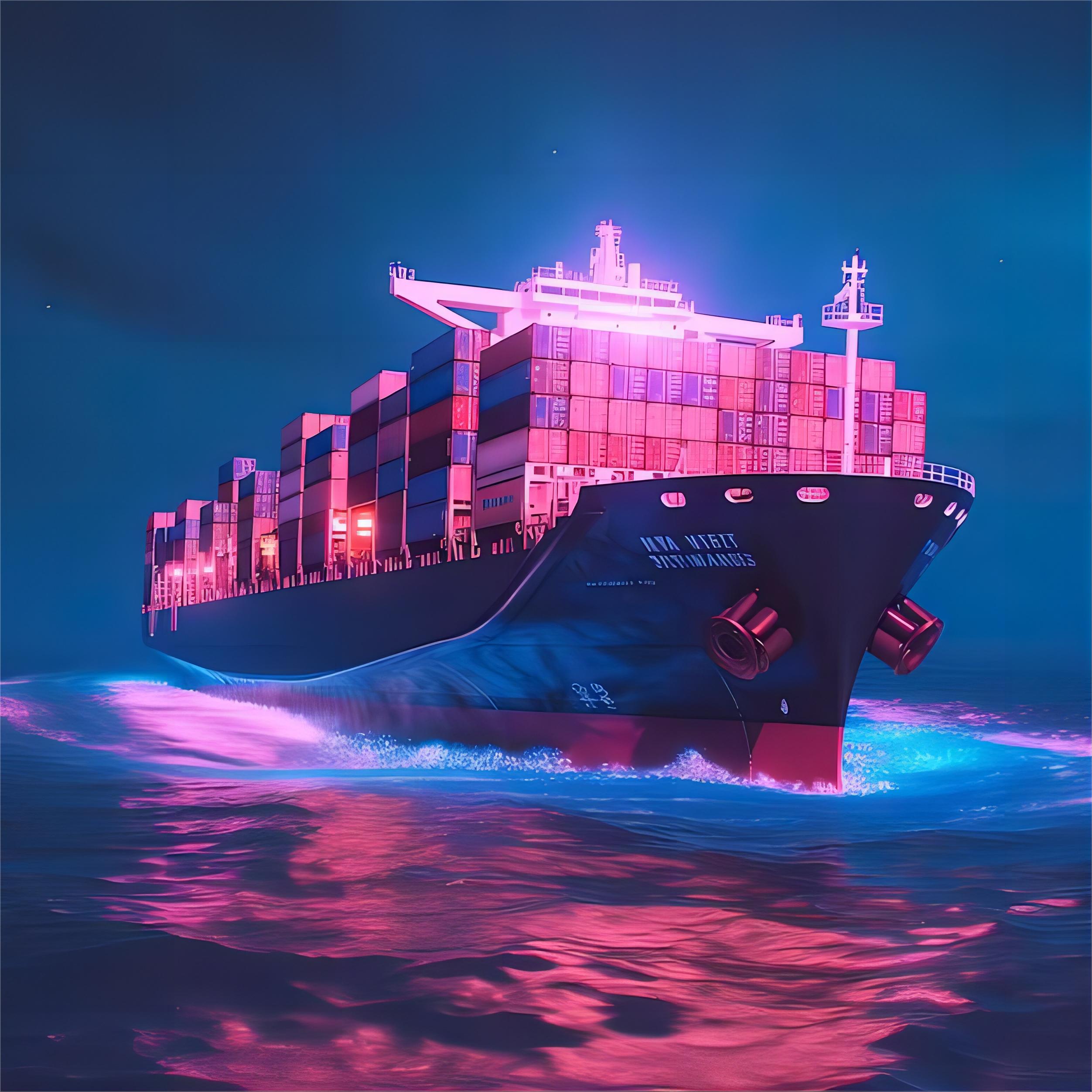
Reefer containers are not exclusively for perishable food items or pharmaceuticals. Indeed, high-quality furniture manufactured from solid wood, exotic veneers, or fine leather is highly sensitive to environmental changes. Therefore, using sea freight with climate control prevents the expansion and contraction of wood fibers. This stability is particularly important when crossing multiple climate zones between Asian manufacturing hubs and American distribution centers.
Moreover, the airtight seal of a reefer container provides superior protection against the corrosive effects of salt air and high humidity. While a standard container might experience ‘container rain’ due to temperature drops at night, a reefer unit maintains a consistent dew point. Consequently, your investment remains protected from moisture-related defects that could lead to expensive returns or insurance claims. Additionally, the Full Container Load (FCL) aspect ensures that your goods are not co-mingled with other shippers’ potentially hazardous or odorous cargo.
What Is the Reefer FCL Best Route for Furniture from China to USA?
Selecting the optimal path depends largely on your final destination within the United States. For most importers, the North America trade lane offers several distinct gateways. Generally, the West Coast route via the Port of Los Angeles or Long Beach is considered the fastest and most direct option. These ports handle the highest volume of furniture imports and offer robust infrastructure for refrigerated cargo handling.
On the other hand, if your distribution center is located on the East Coast, you must choose between an all-water route through the Panama Canal or an intermodal land-bridge. While the all-water route to Savannah or New York takes longer, it often reduces the physical handling of the container. Furthermore, direct routes from Shenzhen or Ningbo to the West Coast typically offer the most competitive transit times for time-sensitive product launches.
| Departure Port | Arrival Port | Average Transit | Route Type |
|---|---|---|---|
| Shanghai | Los Angeles | 14-18 Days | Direct West Coast |
| Shenzhen | Long Beach | 15-20 Days | Direct West Coast |
| Ningbo | Savannah | 30-35 Days | All-Water Panama |
| Qingdao | New York | 35-40 Days | All-Water Suez/Panama |
How Does Reefer FCL Compare to Other Shipping Options?
When evaluating the Reefer FCL best route for furniture from China to USA, it is essential to compare it against standard dry containers and LCL shipping. Standard 40HQ containers are significantly cheaper but offer zero climate control. For instance, a dry container may reach internal temperatures exceeding 50 degrees Celsius during summer months. In contrast, a reefer container can be set to a steady 20 degrees Celsius with controlled humidity levels.
Additionally, comparing FCL to LCL is vital for volume-based decisions. While LCL might seem cheaper for small batches, the risk of damage increases due to frequent handling. Furthermore, reefer LCL services are extremely rare and difficult to book for furniture. Therefore, FCL remains the gold standard for businesses prioritizing product integrity and supply chain reliability.
| Method | Cost Range | Protection Level | Best For |
|---|---|---|---|
| Reefer FCL | $4,500 – $7,500 | Maximum (Climate) | Luxury Wood/Leather |
| Standard FCL | $2,800 – $4,500 | Moderate (Physical) | Flat-pack/Metal |
| LCL Shipping | $50 – $150/CBM | Low (Handling) | Small Samples |
| Air Freight | $15,000+ | High (Speed) | Urgent Prototypes |
Navigating Customs and Documentation Requirements
Importing furniture requires meticulous attention to regulatory compliance and paperwork. Specifically, the Lacey Act requires importers to declare the species and origin of all wood products to prevent illegal logging. Consequently, using a professional customs brokerage service is highly recommended to avoid port delays. Failure to provide accurate documentation can result in heavy fines or the seizure of your entire shipment.
Moreover, you must ensure that all wooden packaging materials, such as pallets and crates, comply with ISPM 15 heat-treatment standards. Indeed, US Customs and Border Protection (CBP) is very strict regarding invasive species. In addition to wood declarations, you will need a commercial invoice, packing list, and a bill of lading. Without a doubt, preparing these documents in advance ensures a smoother transition through the Port of Discharge.
Which Option Should You Choose? Decision Framework
Determining whether to invest in Reefer FCL involves a cost-benefit analysis of your specific product line. If you are shipping expensive, solid oak dining tables or antique reproductions, the extra cost of a reefer is a small price to pay for peace of mind. Conversely, for budget-friendly MDF or metal-framed furniture, a standard dry container with moisture-absorbing desiccants might suffice. Nevertheless, always consider the season of travel, as winter and summer extremes pose the highest risks.
Budget priority: If cost is your primary concern, opt for standard 40HQ containers but invest in high-quality ‘dry bags’ to manage humidity. Speed priority: Always choose direct West Coast routes and utilize door to door services to minimize transit time. Cargo type: For any item with a retail value exceeding $5,000 per piece, Reefer FCL is the only logical choice to prevent environmental degradation.
Real-World Case Studies: Furniture Logistics
Case Study 1: High-End Wooden Furniture to Los Angeles. Route: Foshan, China to Los Angeles, USA. Cargo: Solid Rosewood Dining Sets, 25 CBM. Container: 40ft Reefer FCL. Shipping Details: Direct carrier service from Shenzhen Port to LAX/LGB. Cost Breakdown: Ocean Freight $5,200, Origin/Destination charges $1,200, Customs $800. Total Landed Cost: $7,200. Timeline: 18 days sea transit, 4 days clearance. Key Insight: The client avoided wood splitting which had occurred in previous dry container shipments.
Case Study 2: Antique Reproductions to New York. Route: Ningbo, China to New York, USA. Cargo: Hand-carved cabinets and leather chairs, 55 CBM. Container: 40HQ Reefer. Shipping Details: All-water route via Panama Canal. Cost Breakdown: Ocean Freight $6,800, Port charges $1,500, Duties $2,100. Total Landed Cost: $10,400. Timeline: 34 days sea transit, 5 days clearance. Key Insight: Maintaining 40% humidity prevented leather mold during the long humid voyage through the canal.
Cost-Saving Strategies for Reefer FCL Shipments
Although reefer containers are more expensive than dry ones, you can still optimize your spend. For instance, booking your shipment at least 3-4 weeks in advance can help you secure lower ‘spot’ rates before capacity tightens. Additionally, avoiding peak seasons like the weeks leading up to Chinese New Year can save you thousands of dollars in surcharges. Furthermore, consider ‘Non-Operating Reefers’ (NORs) if you only need the insulation but not the active cooling, though this is rare for furniture.
Another effective strategy is to consolidate cargo from multiple suppliers into a single FCL shipment. By maximizing the volume of your 40ft container, you reduce the per-unit shipping cost. Moreover, negotiating long-term contracts with freight forwarders can provide price stability in a volatile market. Consequently, a well-planned logistics strategy allows you to enjoy the benefits of climate control without breaking your budget.
Final Thoughts on Reefer Furniture Shipping
In summary, identifying the Reefer FCL best route for furniture from China to USA is essential for maintaining product quality and customer satisfaction. While the initial investment is higher than standard ocean freight, the reduction in damage claims and returns provides a significant long-term return on investment. By choosing direct West Coast routes for speed or all-water East Coast routes for stability, you can tailor your supply chain to your specific business needs.
Furthermore, partnering with an experienced logistics provider ensures that complex customs requirements and technical reefer settings are handled with precision. As market trends move toward higher-quality, sustainable furniture, the demand for climate-controlled shipping will only continue to grow. Therefore, integrating Reefer FCL into your logistics toolkit is a proactive step toward building a resilient and reputable import business.

Ready to streamline your logistics?
Ready to protect your premium inventory? Contact our experts today to secure the Reefer FCL best route for furniture from China to USA. We provide tailored logistics solutions that ensure your goods arrive safely and on schedule. Visit our website to request a customized quote and experience the difference of professional climate-controlled shipping.
Request Quote