


Sailing Schedule for FCL Shipping from China to Italy: 2025 Guide
Planning your international logistics requires a precise sailing schedule for FCL shipping from China to Italy to ensure your supply chain remains efficient and cost-effective. Top China Freight provides comprehensive support to help businesses navigate the complexities of Mediterranean trade routes. Consequently, understanding departure frequencies and transit durations allows you to manage inventory levels with greater confidence and accuracy.
Why the Sailing Schedule for FCL Shipping from China to Italy Matters
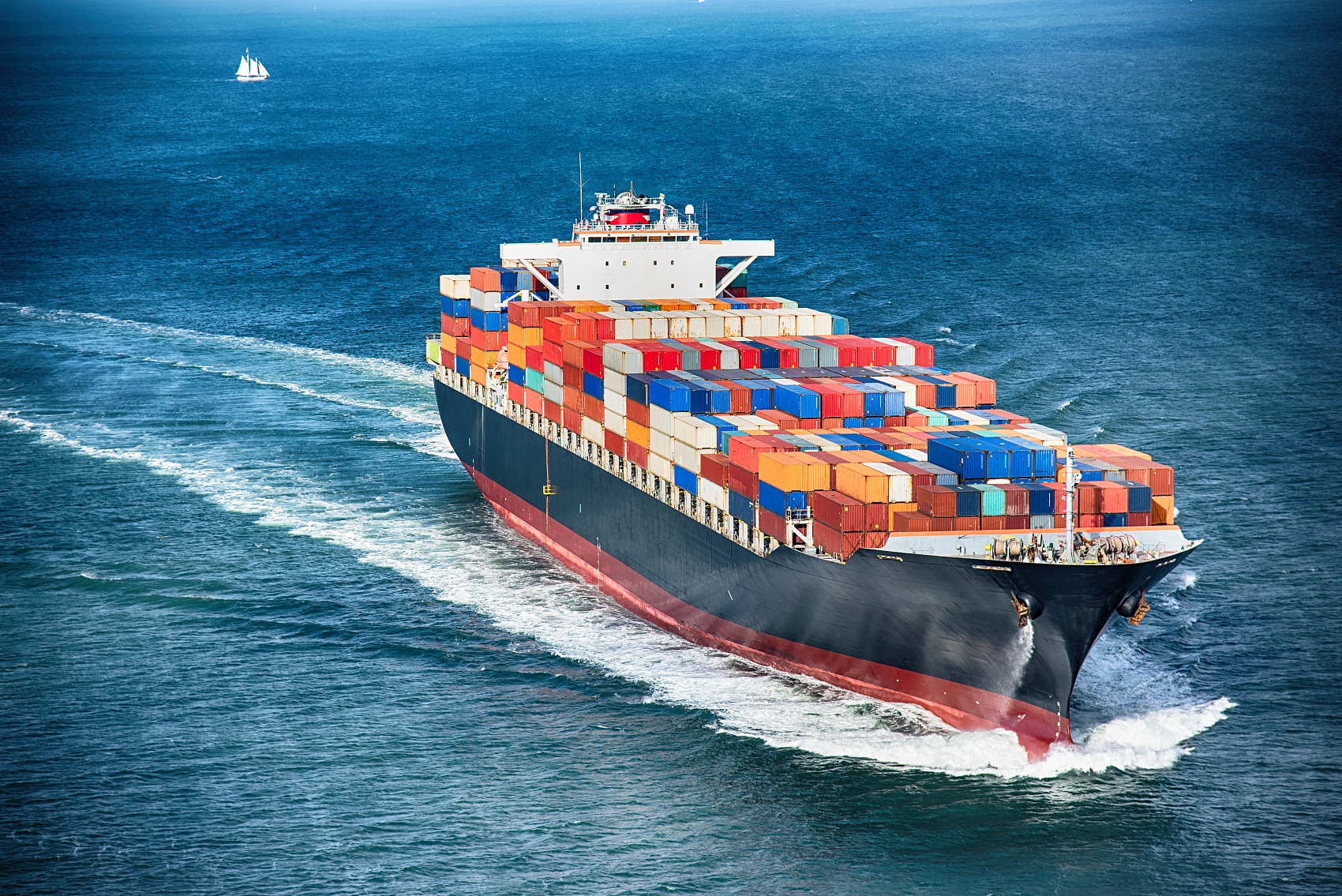
Reliable shipping timelines form the backbone of any successful import business operating between Asia and Europe. Moreover, selecting a consistent sailing schedule for FCL shipping from China to Italy helps you avoid costly port storage fees and production delays. Specifically, businesses must coordinate with factory lead times to ensure cargo arrives at the port of loading before the vessel closing date.
Choosing a direct service often reduces the risk of cargo damage during transshipment at intermediate hubs. Additionally, most major carriers offer weekly departures from primary Chinese ports, providing flexibility for high-volume shippers. Therefore, maintaining a close eye on the latest sea freight updates ensures your business remains competitive in the Italian market.
Major Port Hubs in China for Italian Shipments
China hosts several of the world’s busiest ports, each serving as a critical gateway for goods bound for the Mediterranean. Shanghai and Ningbo-Zhoushan dominate the East China region, offering the highest frequency of vessels heading toward Italy. Furthermore, Shenzhen and Guangzhou provide excellent coverage for electronics and textile manufacturers located in the Pearl River Delta.
Northern ports like Qingdao and Tianjin also maintain regular schedules, although transit times might be slightly longer due to the geographic distance. Consequently, your choice of loading port significantly impacts the overall sailing schedule for FCL shipping from China to Italy. You should evaluate port proximity to your supplier to minimize inland trucking costs and potential delays.
| Departure Port | Destination Port | Average Transit | Frequency |
|---|---|---|---|
| Shanghai | Genoa | 28-32 Days | Weekly |
| Shenzhen | La Spezia | 25-30 Days | Weekly |
| Ningbo | Trieste | 30-35 Days | Bi-weekly |
| Qingdao | Naples | 35-40 Days | Weekly |
How Does FCL Shipping Compare to Other Shipping Options?
Full Container Load shipping offers the best balance between cost and security for large volume shipments. In contrast, air freight provides unmatched speed but comes with significantly higher price tags that can eat into profit margins. Meanwhile, rail freight serves as a middle-ground solution, though it primarily targets inland European destinations rather than coastal Italian ports.
Comparing these methods requires a careful analysis of your budget, urgency, and cargo volume. While FCL remains the standard for bulk commodities, hybrid solutions sometimes offer better flexibility during peak seasons. Use the following table to determine which logistics strategy aligns best with your current business objectives and timeline requirements.
| Shipping Method | Cost Range | Transit Time | Best For |
|---|---|---|---|
| FCL Sea Freight | $2,800 – $4,500 | 25-40 Days | Bulk Goods |
| LCL Sea Freight | $80 – $150/CBM | 35-45 Days | Small Batches |
| Air Freight | $4.50 – $8.00/kg | 5-8 Days | Urgent Cargo |
| Rail Freight | $150 – $250/CBM | 18-24 Days | Inland Delivery |

Navigating the Sailing Schedule for FCL Shipping from China to Italy: Key Carriers
Top-tier ocean carriers like MSC, COSCO, Maersk, and CMA CGM operate the most reliable routes between China and Italy. Notably, COSCO often provides specialized services into Mediterranean ports due to their strategic investments in regional port infrastructure. Furthermore, MSC maintains a massive fleet that ensures high container availability even during the busiest months of the year.
Each carrier follows a specific rotation that dictates which ports they visit and in what order. Consequently, a vessel might stop at Singapore or Port Said before entering the Mediterranean Sea. Therefore, you must verify if a specific sailing schedule for FCL shipping from China to Italy is a direct service or involves transshipment, as this affects the final arrival date.
Typical Transit Times for Mediterranean Routes
Transit times vary based on the specific port pair and the carrier’s chosen route through the Suez Canal. Generally, a shipment from South China to Western Italy takes approximately 25 to 30 days under normal conditions. However, shipments bound for the Adriatic coast, such as Venice or Trieste, might require additional time due to the extra sailing distance around the Italian peninsula.
Weather conditions and seasonal port congestion can also influence the actual duration of the voyage. For instance, the winter months often see slower transit times due to rougher sea conditions in the Indian Ocean. Choosing a door to door service can help mitigate these uncertainties by providing a single point of accountability for the entire journey.
Understanding FCL Container Types and Dimensions
Selecting the right container size is essential for maximizing your shipping budget and ensuring cargo safety. The 20ft General Purpose container is ideal for heavy goods like machinery or stone, while the 40ft High Cube is the preferred choice for voluminous items like furniture or textiles. Moreover, specialized containers like reefers are available for temperature-sensitive goods such as food products or chemicals.
Knowing the exact 40HQ container capacity allows you to calculate how many units of your product can fit into a single shipment. Additionally, you should consider the weight limits imposed by both the shipping line and Italian road regulations for the final delivery. Efficiently packing your container not only reduces the cost per unit but also minimizes the risk of movement and damage during the long ocean voyage.
Real Case Studies: Successful Shipments to Italy
Case Study 1: Electronics from Shenzhen to Genoa. Route: Shenzhen, China to Genoa, Italy. Cargo: Consumer Electronics, 65 CBM, 12,500 kg. Container: 40HQ. Shipping Details: Major carrier, Direct Route. Cost Breakdown: Ocean Freight $3,850, Origin Charges $450, Destination Charges $600, Customs $1,200. Timeline: Booking to Loading 5 days, Sea Transit 28 days, Customs 3 days, Total 36 days. Key Insight: Early booking during the Q3 peak season secured space on a direct vessel, avoiding transshipment delays.
Case Study 2: Industrial Machinery from Shanghai to Trieste. Route: Shanghai, China to Trieste, Italy. Cargo: CNC Machines, 25 CBM, 18,000 kg. Container: 20GP. Shipping Details: COSCO, Transshipment via Singapore. Cost Breakdown: Ocean Freight $2,400, Origin Charges $400, Destination Charges $550, Customs $1,500. Timeline: Booking to Loading 7 days, Sea Transit 34 days, Customs 4 days, Total 45 days. Key Insight: Using a 20GP for heavy machinery optimized the weight distribution and reduced ocean freight costs compared to LCL options.
Cost Analysis and Pricing Factors for 2025
Freight rates are influenced by a variety of factors, including fuel prices, container demand, and geopolitical stability. As of early 2025, rates from China to Europe have stabilized, but fluctuations remain common due to seasonal demand shifts. Specifically, the weeks leading up to the Chinese New Year often see a significant spike in prices and limited vessel space.
Beyond the base ocean freight, you must account for local charges, terminal handling fees, and documentation costs. Utilizing a professional customs brokerage service can prevent unexpected expenses related to incorrect tariff classifications or missing paperwork. Note: Freight rates are subject to change based on fuel costs, carrier capacity, and seasonal demand. Contact us for a current quote tailored to your specific shipment.
Which Option Should You Choose? Decision Framework
Determining the best shipping strategy requires evaluating your specific business needs against market realities. If your primary goal is cost reduction and you have a high volume of goods, FCL sea freight is almost always the superior choice. However, if you are testing a new product line with smaller quantities, LCL might be more appropriate despite the higher cost per cubic meter.
Speed-sensitive shipments should look toward air freight or express services, especially for high-value electronics or fashion items. Additionally, consider the final destination within Italy; northern industrial hubs like Milan are well-served by Genoa and La Spezia, while southern regions might benefit from Naples or Salerno arrivals. Always weigh the trade-offs between transit speed, total landed cost, and cargo safety before finalizing your booking.
Documentation and Customs Checklist
Successful importation into Italy depends on accurate documentation to satisfy both Chinese export and Italian import regulations. You will need a commercial invoice, a detailed packing list, and the original Bill of Lading issued by the shipping line. Furthermore, certain products may require certificates of origin or CE marking documentation to enter the European Union market legally.
Missing or incorrect information on these documents can lead to lengthy customs delays and expensive demurrage charges at the port. Consequently, working with an experienced freight forwarder ensures that all paperwork is filed correctly and on time. Preparing your documentation well in advance of the vessel’s arrival is the best way to ensure a smooth transition from the sea to the final delivery point.
Mastering Your Italy Shipping Strategy
Navigating the sailing schedule for FCL shipping from China to Italy requires a combination of strategic planning and market awareness. By understanding the roles of major ports, carriers, and seasonal trends, you can build a more resilient supply chain. Furthermore, choosing the right container type and shipping method ensures your goods arrive safely and within budget.
Reliability and transparency are the most important factors when selecting a logistics partner for the Mediterranean route. Consequently, staying informed about transit times and cost fluctuations will give your business a significant advantage. Start planning your next container shipment now to lock in the best possible rates and schedules for the coming season.

Ready to streamline your logistics?
Streamline your international trade by securing a reliable sailing schedule for FCL shipping from China to Italy today. Our logistics experts are ready to provide you with competitive rates and personalized support for your next shipment. Send Inquiry: Top China Freight.com
Request Quote