


Cheap LCL shipping from China to Canada: The Complete 2025 Guide
Finding cheap LCL shipping from China to Canada is a primary goal for many small to medium businesses looking to optimize their supply chain. Navigating the complexities of international logistics requires a reliable partner like Top China Freight to ensure your cargo arrives safely and affordably. This guide provides comprehensive insights into reducing costs while maintaining efficiency in your shipping operations.

What is LCL Shipping and Why is it Cost-Effective?
Less than Container Load, commonly known as LCL, allows multiple shippers to share space within a single ocean container. Consequently, you only pay for the volume your cargo occupies rather than the price of an entire 20ft or 40ft unit. This method proves exceptionally beneficial for businesses that do not have enough inventory to fill a full container but still want to utilize ocean transport.
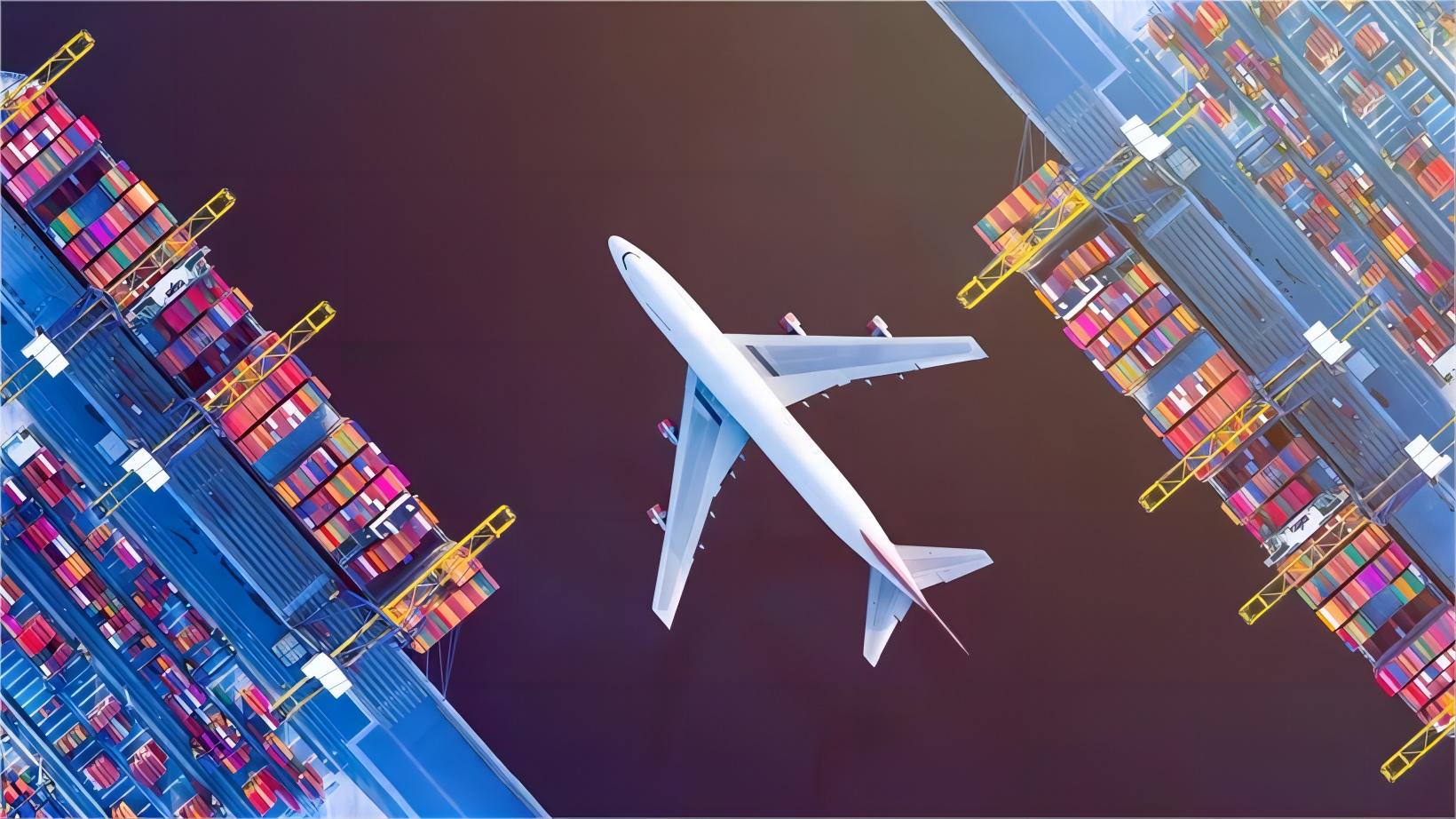
Moreover, LCL provides significant flexibility for inventory management by allowing more frequent, smaller shipments. Instead of waiting to produce enough goods for a full container, you can ship products as they are ready. This approach helps maintain a steady flow of goods and reduces warehouse storage costs in both China and Canada.
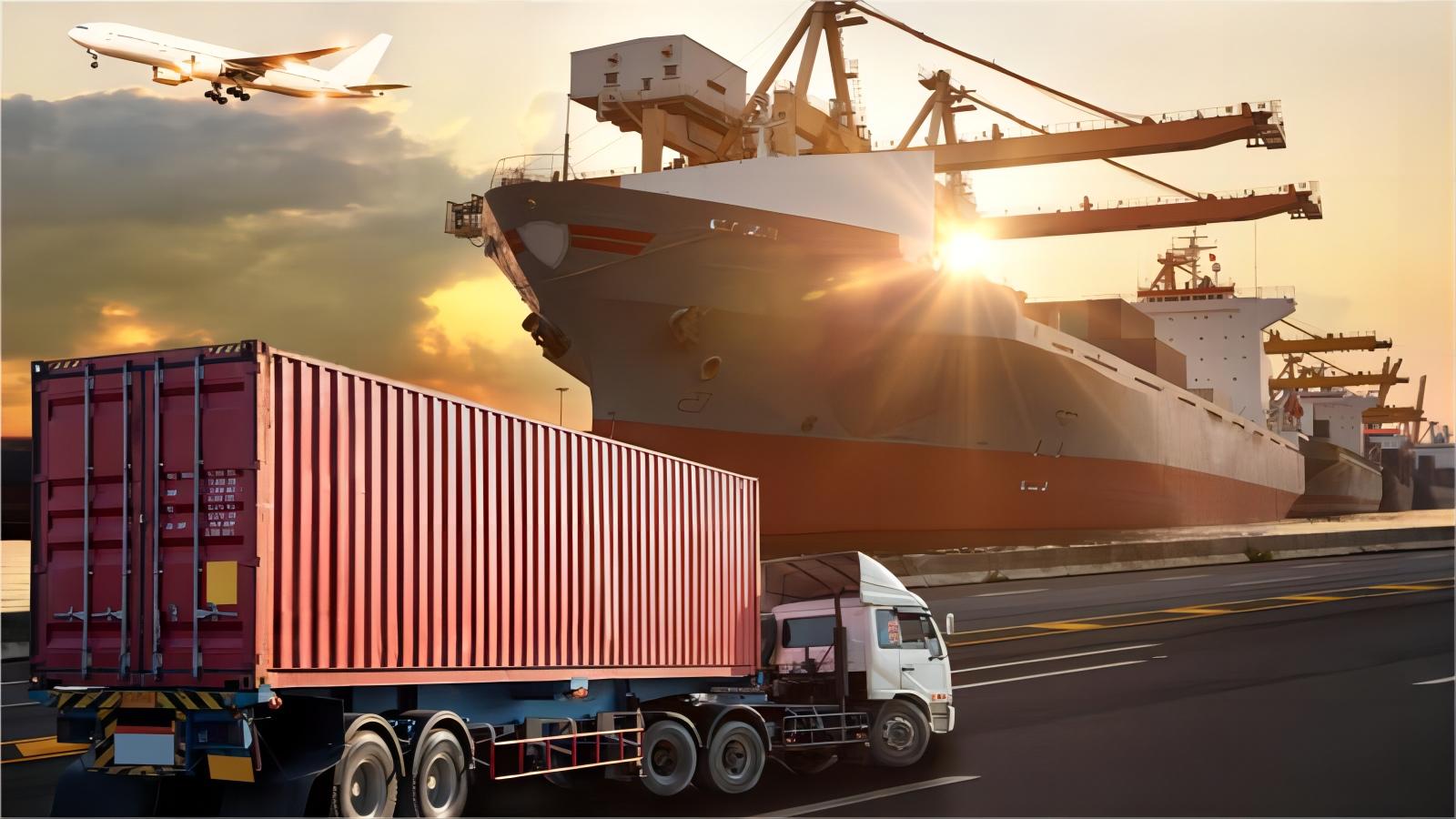
Additionally, using sea freight through LCL consolidation is often much cheaper than air transport for items heavier than 100 kilograms. While the process involves more handling at the port, the cost savings for non-urgent goods are undeniable. Shippers can allocate these savings to other areas of their business growth.
Factors Influencing the Cost of Cheap LCL Shipping from China to Canada
Several variables determine the final price you pay for transporting goods across the Pacific. Primarily, the volume of your cargo, measured in Cubic Meters (CBM), serves as the foundation for the freight rate. However, you must also account for weight-based charges if your goods are exceptionally heavy, as carriers use a weight/measure ratio.
Fuel surcharges and peak season adjustments frequently cause price fluctuations throughout the year. For example, shipping during the months leading up to the holiday season usually incurs higher rates due to increased demand. Planning your shipments during off-peak periods is a strategic way to secure lower prices.
Port charges and documentation fees also contribute to the total landed cost. Each port in China, whether it is Shenzhen, Ningbo, or Shanghai, has specific local handling fees. Similarly, Canadian ports like Vancouver or Montreal have their own set of terminal handling charges that you must include in your budget.
| Fee Type | Description | Estimated Range | Frequency |
|---|---|---|---|
| Ocean Freight | Port-to-port transport cost | $50 – $150 per CBM | Per Shipment |
| Origin Charges | Loading and documentation | $100 – $300 | Per Shipment |
| Destination Fees | Unloading and handling | $150 – $400 | Per Shipment |
| Customs Entry | Legal filing for import | $100 – $200 | Per Entry |
How Does Cheap LCL Shipping from China to Canada Compare to Other Shipping Options?
Understanding the differences between shipping methods is crucial for making an informed logistics decision. While LCL is perfect for small volumes, Full Container Load (FCL) becomes more economical once your shipment exceeds 15 CBM. At that threshold, the flat rate of a 20GP container often costs less than the total CBM-based price of an LCL shipment.
In contrast, Air Freight offers unmatched speed but at a significantly higher price point. If you are transporting high-value electronics or urgent medical supplies, the expense of air transport might be justified. Nevertheless, for most consumer goods and industrial parts, the cost-to-speed ratio of LCL remains the superior choice for budget-conscious importers.
Furthermore, specialized services like Amazon FBA shipping require specific labeling and palletization standards. LCL providers often offer these value-added services at the consolidation warehouse, making it easier to send inventory directly to Canadian fulfillment centers. This integration simplifies the supply chain and reduces the risk of rejection at the warehouse.
| Method | Cost Level | Transit Time | Best For |
|---|---|---|---|
| LCL Sea | Low | 20-35 Days | 1-15 CBM Shipments |
| FCL Sea | Medium | 18-30 Days | Large Volumes |
| Air Freight | High | 3-7 Days | Urgent/High Value |
| Express | Very High | 2-5 Days | Small Samples |
Which Option Should You Choose? Decision Framework
Deciding on the right shipping method depends on your specific business priorities and cargo characteristics. If your primary goal is the lowest possible cost and your timeline allows for a month of transit, cheap LCL shipping from China to Canada is the obvious winner. This method suits stable inventory replenishment where speed is secondary to profit margins.
If you are dealing with a volume larger than 15 CBM, you should calculate the cost of a full 20ft container. Often, FCL provides better security and faster transit because the container does not need to be opened for deconsolidation. Therefore, checking the ‘pivot point’ where FCL becomes cheaper than LCL is a vital step in your procurement process.
For those with extremely tight deadlines or perishable items, air freight is the only viable solution despite the cost. However, a hybrid strategy can also work well. You might ship 10% of your stock via air to meet immediate demand and the remaining 90% via LCL to keep your average shipping cost per unit low.
Transit Times for LCL Shipments to Major Canadian Ports
Geographic location plays a massive role in how long your shipment takes to reach its destination. Shipments from China to the West Coast of Canada, specifically Vancouver or Prince Rupert, are significantly faster than those going to the East Coast. Typically, you can expect a sea transit time of 14 to 18 days for West Coast arrivals.
On the other hand, shipping to Toronto or Montreal involves either a longer sea voyage through the Panama Canal or a rail transfer from the West Coast. Consequently, the total door-to-door transit time for Eastern Canada usually ranges between 30 and 40 days. Understanding these timelines helps you plan your inventory cycles more accurately and avoid stockouts.
Meanwhile, the consolidation and deconsolidation processes add extra days to the total timeline. In China, goods must be delivered to the warehouse 3-5 days before the ship departs for loading. After arrival in Canada, it takes another 3-5 days to unload the container and make individual shipments available for pickup or delivery.
| Origin City | Destination Port | Sea Transit | Total Door-to-Door |
|---|---|---|---|
| Shenzhen | Vancouver | 16 Days | 22-26 Days |
| Shanghai | Toronto | 28 Days | 35-42 Days |
| Ningbo | Montreal | 30 Days | 38-45 Days |
| Qingdao | Vancouver | 18 Days | 24-28 Days |
Essential Customs Documentation for Canadian Imports
Navigating the legal requirements of the Canada Border Services Agency (CBSA) is a critical component of international trade. Without the correct paperwork, your cheap LCL shipping from China to Canada could face expensive delays or storage fees. Utilizing a professional Customs Brokerage service ensures that all declarations are accurate and compliant.
The most important document is the Commercial Invoice, which must clearly state the value, description, and country of origin for the goods. Additionally, a detailed Packing List is required to help customs officers and warehouse staff identify the contents of each package. These documents form the basis for calculating duties and taxes upon arrival.
Another vital document is the Bill of Lading, which acts as both a receipt for the cargo and a contract of carriage. For LCL shipments, you will usually receive a House Bill of Lading from your freight forwarder. Ensuring that all information on these documents matches perfectly is the best way to avoid unnecessary inspections and administrative penalties.
Case Studies: Successful LCL Shipments to Canada
Based on early 2025 market data, the following examples illustrate how businesses successfully manage their logistics. These real-world scenarios provide a benchmark for what you can expect in terms of costs and timelines when shipping from major Chinese hubs to Canadian cities.
Case Study 1: Electronics Distribution Route: Shanghai to Vancouver Cargo: Computer Accessories, 4 CBM, 650 kg Service: LCL Sea Freight Carrier: COSCO Cost Breakdown: – Ocean Freight: $480 – Origin Charges: $160 – Destination Charges: $210 – Customs Entry: $125 Total Landed Cost: $975 Timeline: 23 Days Door-to-Door Key Insight: By choosing a direct route to Vancouver, the client saved $300 compared to air freight while maintaining a consistent stock level.
Case Study 2: Apparel Retailer Route: Shenzhen to Toronto Cargo: Cotton T-shirts, 8 CBM, 1200 kg Service: LCL with Rail Intermodal Carrier: Maersk Cost Breakdown: – Ocean Freight: $880 – Origin Charges: $220 – Destination Charges: $380 – Customs & Duties: $450 Total Landed Cost: $1930 Timeline: 34 Days Door-to-Door Key Insight: Moving the goods via Prince Rupert and then by rail to Toronto avoided the congestion often found in the Port of Vancouver, saving 5 days of transit time.
Note: Freight rates are subject to change based on fuel costs, carrier capacity, and seasonal demand. Contact us for a current quote tailored to your specific shipment.
5 Proven Strategies to Reduce Your LCL Shipping Costs
Optimizing your packaging is the most effective way to lower LCL expenses. Since you are charged based on volume, reducing the size of your boxes or using vacuum sealing for textiles can significantly decrease your CBM measurement. Furthermore, ensuring your goods are palletized correctly prevents damage and avoids extra handling surcharges at the warehouse.
Negotiating with your supplier for FOB (Free On Board) terms instead of EXW (Ex Works) can also save money. Under FOB terms, the seller covers the costs of getting the goods to the port in China. This allows you to focus your budget on the international freight and Canadian destination charges, often resulting in a lower total expenditure.
Consolidating shipments from multiple suppliers into one LCL booking is another advanced strategy. Instead of paying multiple sets of documentation and origin fees, you can have a freight forwarder combine the goods into a single shipment. This approach requires more coordination but offers substantial long-term savings for frequent importers.
Always compare quotes from different providers to ensure you are getting a competitive rate. However, do not simply choose the lowest price without checking the reputation of the carrier. A cheap rate that results in lost cargo or hidden fees at the destination is not a bargain. Look for a balance of transparency, reliability, and cost-effectiveness.
Finally, consider using a Door to Door service to streamline the entire process. While it might seem more expensive upfront, it eliminates the need for you to coordinate multiple transport legs. This reduces the risk of communication errors and ensures that all local fees are handled by a single entity, often leading to better overall rates.
Final Thoughts on Cheap LCL Shipping from China to Canada
Successfully securing cheap LCL shipping from China to Canada requires a combination of strategic planning, proper documentation, and the right logistics partner. By understanding the factors that influence costs and transit times, you can make informed decisions that protect your profit margins and ensure customer satisfaction.
Indeed, LCL remains the most versatile and cost-effective option for many businesses importing from Asia. Whether you are shipping small electronics or large furniture items, the ability to share container space provides a low-entry barrier to global trade. Always remember to stay updated on market trends and maintain open communication with your freight forwarder to navigate the ever-changing logistics landscape.
Ready to streamline your logistics?
Ready to optimize your supply chain with cheap LCL shipping from China to Canada? Our team of logistics experts is here to provide you with a transparent, competitive quote tailored to your business needs. Contact us today to simplify your shipping process and start saving on your international freight costs. Visit https://Top China Freight.com/ to get started.
Request Quote