


China FCL Port to Port to Italy: The Ultimate 2025 Shipping Guide
Navigating the complexities of international trade requires a reliable logistics strategy to ensure your cargo arrives safely and on time. When businesses look for the most cost-effective way to move large volumes of goods, choosing Top China Freight for your maritime needs is a proven solution. This guide explores everything you need to know about China FCL port to port to Italy shipping, helping you optimize your supply chain and reduce overhead costs. Whether you are importing machinery or consumer electronics, understanding the nuances of container shipping is essential for maintaining a competitive edge in the Italian market.
What is China FCL Port to Port to Italy Shipping?
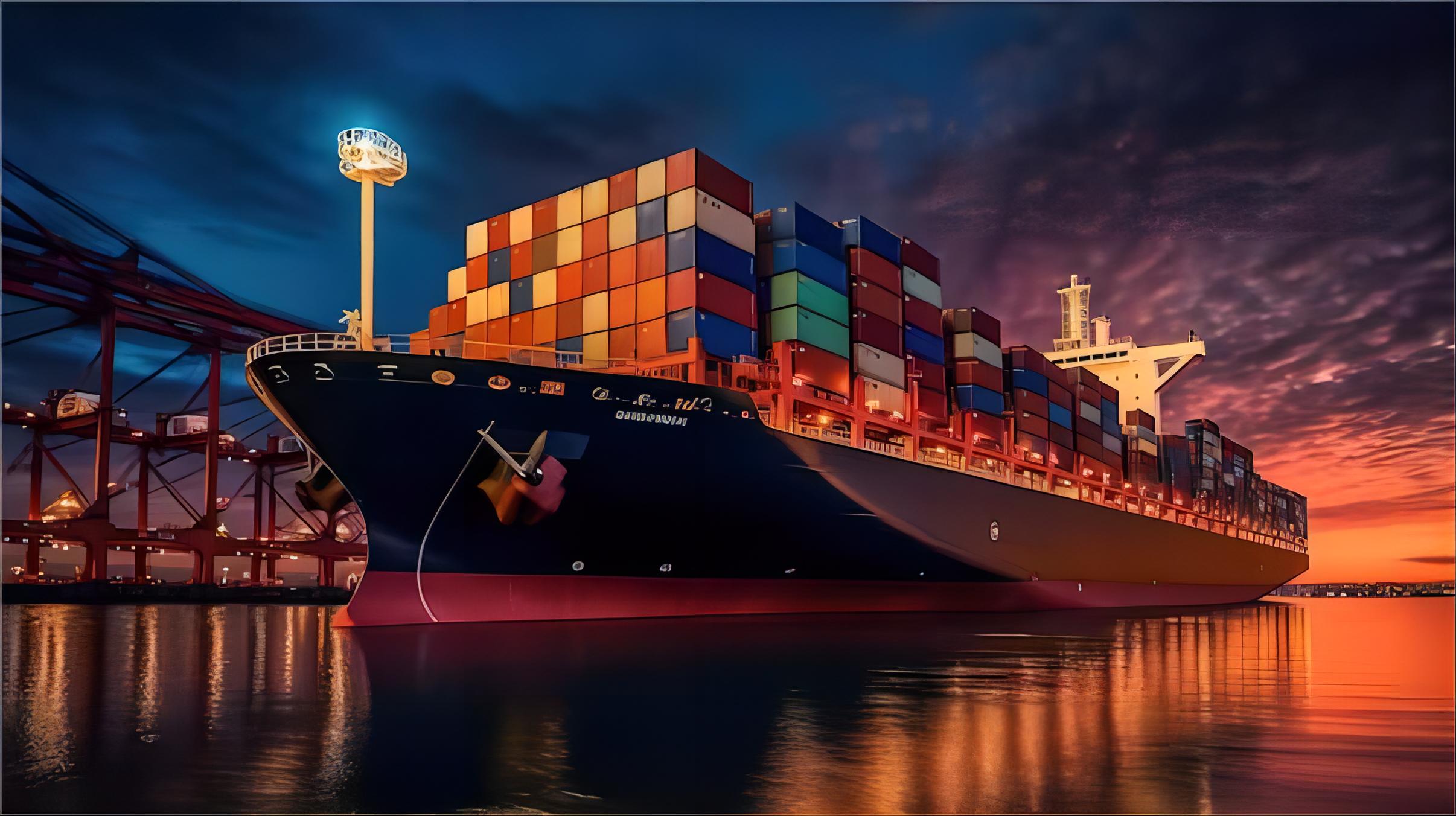
Full Container Load (FCL) refers to a shipping mode where one importer occupies an entire container for their goods. Specifically, China FCL port to port to Italy services provide a direct link between major Chinese manufacturing hubs and Italian maritime gateways. This method offers the highest level of security because the container remains sealed from the point of origin until it reaches the destination port.
Moreover, selecting sea freight for FCL shipments is typically more economical for large inventories than other transport modes. Importers benefit from lower per-unit costs and reduced risk of damage since the cargo is not handled multiple times during transit. Consequently, businesses with high-volume requirements often prefer this method for its reliability and predictable delivery schedule.
Additionally, port to port shipping focuses specifically on the ocean leg of the journey. This means the buyer or seller is responsible for the inland transportation to the loading port and from the discharge port. Therefore, it is a preferred choice for companies that have established local trucking partnerships in both China and Italy.
Major Shipping Routes and Port Hubs
China hosts some of the busiest ports in the world, which serve as the primary exit points for shipping to Europe. Ports like Shanghai, Ningbo-Zhoushan, and Shenzhen offer numerous weekly departures to the Mediterranean. Choosing the right departure port depends heavily on where your factory is located to minimize inland trucking expenses.
On the other hand, Italy features several strategic maritime gateways that handle significant container traffic. The Port of Genoa and the Port of La Spezia serve as vital hubs for the northern industrial regions. Meanwhile, the Port of Trieste provides an excellent entry point for goods destined for Central and Eastern Europe via Italian infrastructure.
Furthermore, the Port of Naples and the Port of Gioia Tauro are essential for reaching southern Italian markets. Each port has different levels of efficiency and inland connectivity. Consequently, your choice of destination port will significantly impact your total transit time and final delivery costs.
| China Port | Italy Port | Service Type | Typical Transit |
| China Port | Italy Port | Service Type | Typical Transit |
| China Port | Italy Port | Service Type | Typical Transit |
| China Port | Italy Port | Service Type | Typical Transit |
Analyzing China FCL Port to Port to Italy Shipping Costs
Understanding the factors that influence China FCL port to port to Italy shipping costs is crucial for accurate budgeting. Freight rates are highly volatile and fluctuate based on seasonal demand, fuel surcharges, and global economic conditions. For instance, rates often spike during the peak season leading up to the Lunar New Year or the Christmas holidays.
Typically, a 20ft container (20GP) is suitable for heavy cargo like machinery, while a 40ft high cube (40HQ) is better for voluminous goods like furniture. As of early 2025, market data suggests that shipping rates have stabilized compared to previous years. However, external factors like port congestion or geopolitical shifts can still cause sudden price increases.
Additionally, importers must account for local charges at both ends of the journey. These include Terminal Handling Charges (THC), documentation fees, and port security surcharges. To summarize, the ocean freight rate is only one component of the total landed cost you will encounter.
| Best For | Capacity (CBM) | Container Type | Est. Cost (USD) |
| Best For | Capacity (CBM) | Container Type | Est. Cost (USD) |
| Best For | Capacity (CBM) | Container Type | Est. Cost (USD) |

How Does FCL Compare to Other Shipping Options?
While FCL is the gold standard for large shipments, it is important to evaluate it against other methods. For smaller shipments under 15 CBM, Less than Container Load (LCL) might seem cheaper, but it involves more handling and longer transit times. In contrast, FCL provides a dedicated space that simplifies the logistics chain.
Furthermore, if speed is your primary concern, air freight is the fastest option but comes at a significantly higher price point. Rail freight via the Silk Road is another alternative that offers a middle ground between sea and air. However, for the China to Italy route, sea freight remains the most popular choice due to its massive capacity and lower carbon footprint per ton.
Notably, some businesses utilize door to door shipping to simplify their operations. This service includes the port to port leg but adds inland haulage and customs clearance. Consequently, it removes the burden of coordinating multiple logistics providers from the importer.
| Cost Range | Limitations | Transit Time | Shipping Method |
| Cost Range | Limitations | Transit Time | Shipping Method |
| Cost Range | Limitations | Transit Time | Shipping Method |
| Cost Range | Limitations | Transit Time | Shipping Method |
Real-World Case Studies for Italy Container Shipping
Case Study 1: Industrial Machinery from Shanghai to Genoa. A manufacturing firm in Milan imported a 40HQ container of CNC machines. By choosing a direct route, they avoided transshipment delays and secured a rate of $3,600 USD. The total transit time from booking to arrival at Genoa was 34 days, allowing them to meet their production deadline.
Case Study 2: Consumer Textiles from Shenzhen to Trieste. A retail chain imported 20GP containers of seasonal apparel. They utilized a transshipment service via Port Klang to save $300 per container compared to direct routes. Although the transit time increased to 38 days, the cost savings significantly improved their profit margins for the Q3 season.
Case Study 3: Furniture Export from Ningbo to Naples. A distributor required 40GP containers for bulky outdoor furniture. They faced port congestion in Ningbo but managed to secure space through early booking. The shipment arrived in 36 days with a total landed cost of $4,100 including local port charges.
Customs Clearance and Documentation Requirements
Navigating Italian customs requires meticulous attention to detail and accurate paperwork. Every shipment from China must be accompanied by a Commercial Invoice, Packing List, and a Bill of Lading. Furthermore, an EORI number is mandatory for all companies importing goods into the European Union.
Importers should also consider hiring a professional customs brokerage to avoid costly delays. Errors in HS Code classification can lead to incorrect duty payments or even cargo seizure. Therefore, verifying the specific regulations for your product category before the ship departs China is a vital step.
Specifically, Italy applies the EU Common External Tariff to goods from China. Additionally, Value Added Tax (VAT) is typically paid at the time of importation. Consequently, having your financial and legal documents in order ensures a smooth transition from the port to your warehouse.
Which Option Should You Choose?
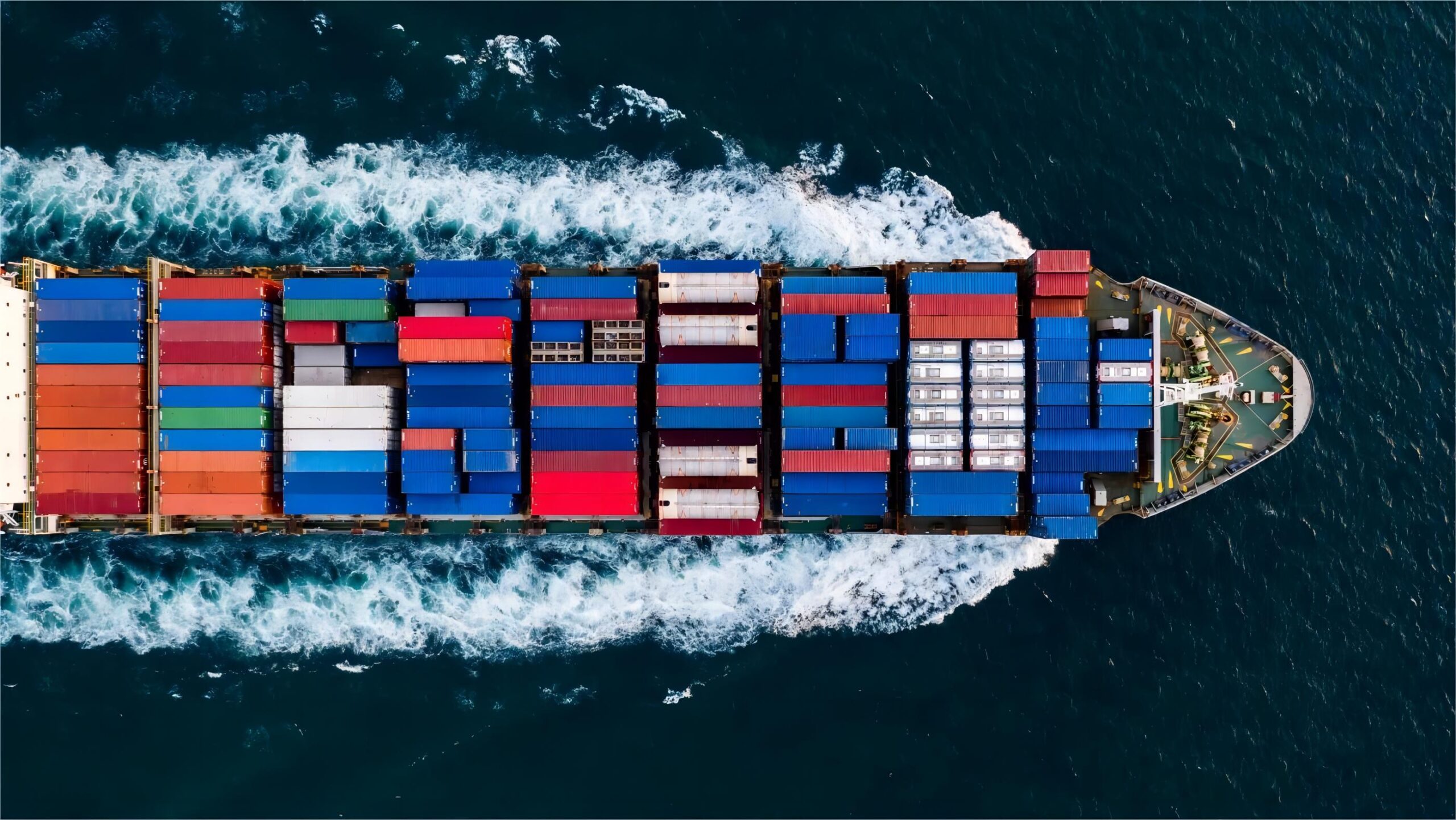
Choosing between different shipping strategies depends on your specific business priorities. If your primary goal is budget optimization, FCL sea freight is almost always the best choice for volumes exceeding 15 cubic meters. However, if you are testing a new product with low volume, LCL might be the more sensible starting point.
For urgent inventory replenishment, consider a hybrid sea-air solution or rail freight if the destination is in Northern Italy. These options provide a faster delivery schedule than ocean freight without the extreme cost of pure air transport. Ultimately, your decision should balance speed, cost, and the nature of the cargo.
Moreover, consider the seasonal trends in the logistics industry. Booking your China FCL port to port to Italy shipment at least 3-4 weeks in advance during peak periods can save you hundreds of dollars. Without a doubt, proactive planning is the most effective way to manage international shipping risks.
Summary of Container Shipping to Italy
To summarize, mastering the China FCL port to port to Italy route involves understanding port dynamics, cost structures, and customs regulations. By selecting the right container size and departure port, you can significantly reduce your logistics expenses. Transitioning to a more efficient shipping model allows your business to respond faster to market demands in Italy.
Furthermore, partnering with a knowledgeable freight forwarder ensures that your cargo is handled professionally throughout its journey. Remember that while price is important, reliability and transit time are equally critical for maintaining a healthy supply chain. Start planning your next FCL shipment today to take advantage of current market rates and efficient maritime routes.
Ready to streamline your logistics?
Ready to optimize your supply chain with reliable China FCL port to port to Italy solutions? Contact our expert team today to receive a competitive freight quote and personalized logistics advice. We help you navigate the complexities of international trade so you can focus on growing your business. Visit Top China Freight to get started on your next shipment.
Request Quote