

40HQ FCL Tracking for Lighting from China to California
Managing high-volume lighting shipments requires precision and constant visibility to maintain a healthy supply chain. By partnering with Top China Freight, importers can streamline their 40HQ FCL tracking for lighting from China to California while ensuring cost-effective delivery. This guide provides a comprehensive overview of the logistics involved in moving bulky lighting fixtures across the Pacific.
Why 40HQ FCL Tracking for Lighting from China to California is Essential
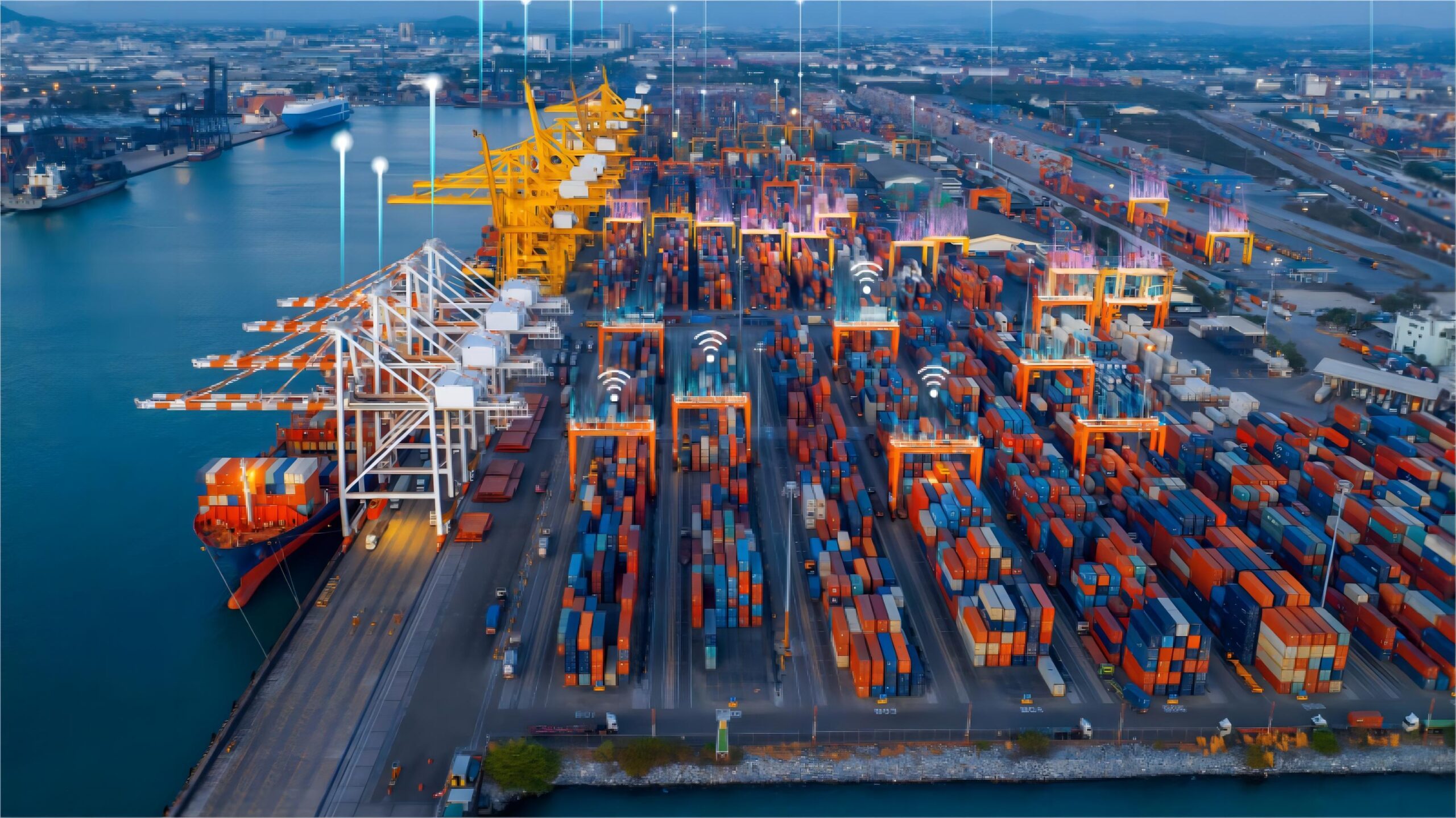
Visibility remains the cornerstone of modern international trade, especially when dealing with fragile and high-value lighting products. Consequently, implementing robust 40HQ FCL tracking for lighting from China to California allows businesses to anticipate inventory arrivals and manage warehouse labor effectively. Without accurate data, companies often face unexpected delays and increased detention charges at the Port of Los Angeles or Long Beach.
Moreover, real-time tracking provides peace of mind for stakeholders who need to monitor the movement of expensive LED fixtures and commercial lighting systems. Therefore, utilizing advanced GPS and AIS technology has become a standard requirement for professional importers. When you know the exact location of your container, you can provide accurate updates to your customers and improve overall service reliability.
Furthermore, tracking data helps in identifying potential bottlenecks in the supply chain before they become critical issues. For instance, if a vessel is idling outside the California coast, the importer can proactively adjust their delivery schedules. Indeed, proactive management is always more cost-effective than reactive troubleshooting in the fast-paced world of trans-Pacific logistics.
Understanding the Benefits of 40HQ Containers for Lighting Products
The 40ft High Cube container is specifically designed for cargo that is light in weight but large in volume, making it the perfect choice for lighting. Since lighting fixtures often come in bulky packaging with significant air space, the extra foot of height in a 40HQ provides roughly 12 percent more capacity than a standard 40GP. As a result, shippers can maximize their sea freight efficiency by fitting more units into a single container.
Additionally, the FCL (Full Container Load) model ensures that your lighting products are not mixed with other shippers’ goods. This separation significantly reduces the risk of damage during transit, which is a major concern for delicate glass and electronic components. Meanwhile, the cost per cubic meter is generally lower in a 40HQ compared to LCL or standard 20ft containers.
Consequently, businesses that move large volumes of residential or industrial lighting prefer the 40HQ for its superior economics. Nevertheless, proper loading techniques remain vital to ensure that the weight is distributed evenly and the fragile cargo is secured. By utilizing the full vertical space, importers can drastically reduce their landed cost per unit.
How to Monitor Your 40HQ FCL Tracking for Lighting from China to California
Modern tracking relies on a combination of carrier-provided data and independent satellite tracking systems. Initially, you will receive a Bill of Lading (BOL) number or a container number from your freight forwarder. Afterwards, you can enter these details into a tracking portal to see the vessel name, current coordinates, and estimated time of arrival (ETA).
In addition, many logistics providers now offer integrated dashboards that aggregate data from multiple carriers into a single view. This feature is particularly useful for companies managing several shipments simultaneously from different Chinese ports like Ningbo or Shenzhen. Without a doubt, digital integration has simplified the way we view the global movement of goods.
On the other hand, it is important to remember that ETAs are subject to change due to weather conditions or port congestion. Therefore, checking the tracking status every few days is a best practice for any serious importer. By staying informed, you can coordinate with your drayage provider in California to ensure the container is picked up immediately after discharge.
Navigating the Shipping Route from China to California Ports
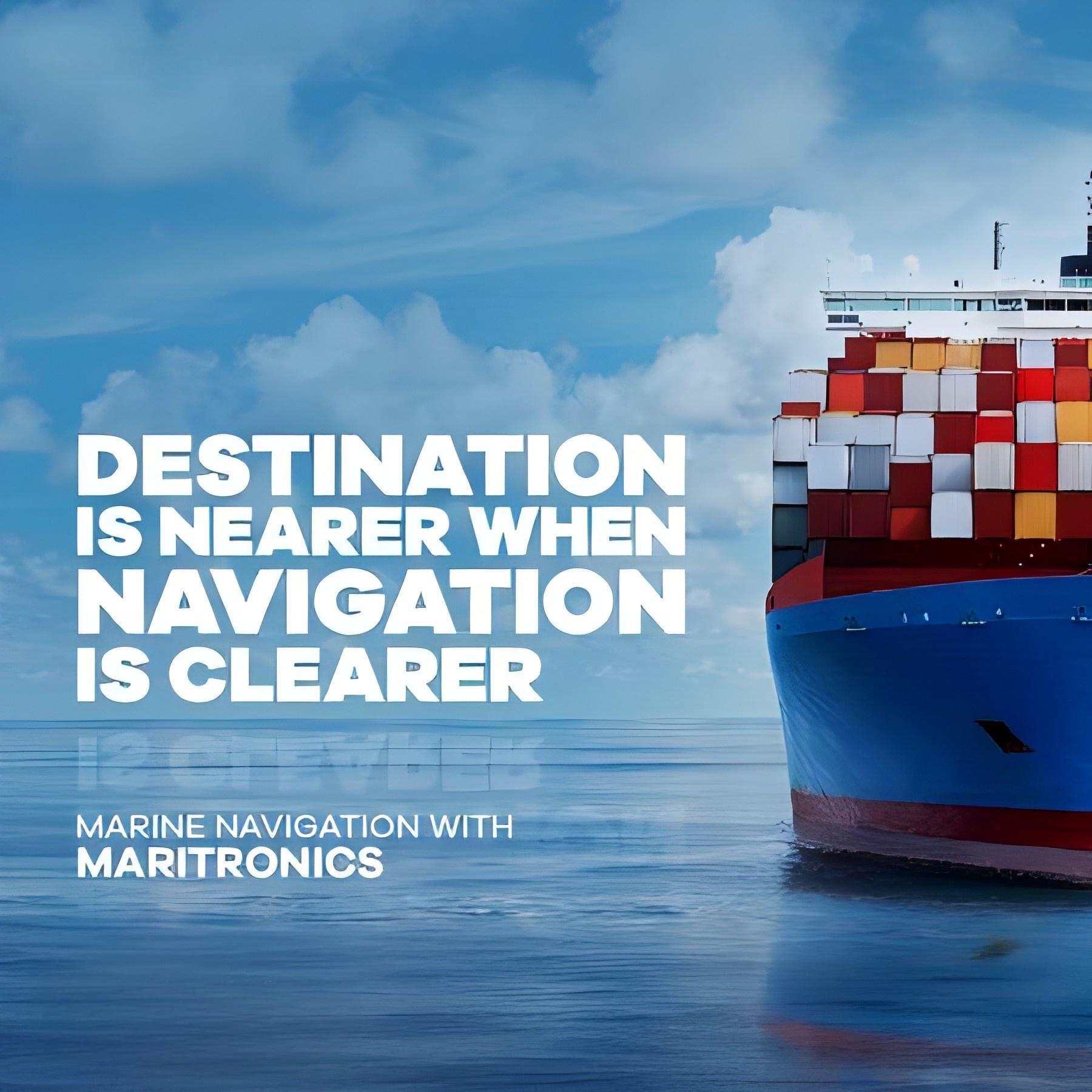
Shipping from China to the United States West Coast is one of the busiest trade lanes in the world. Most lighting shipments originate from manufacturing hubs in Guangdong or Zhejiang provinces. Consequently, these containers typically depart from major ports such as Yantian, Nansha, or Shanghai before crossing the Pacific Ocean toward North America.
The transit time for this direct route usually ranges between 14 and 22 days, depending on the specific carrier and service level. For example, premium services may offer faster transit times by prioritizing offloading at the destination. Meanwhile, slower services might include transshipment points, which can extend the journey but lower the overall freight cost.
Upon arrival in California, containers are primarily processed through the Port of Long Beach or the Port of Los Angeles. These ports handle the vast majority of lighting imports due to their advanced infrastructure and proximity to major distribution centers. Accordingly, having an efficient local logistics partner in California is just as important as having a reliable forwarder in China.
How Does Sea Freight Compare to Other Shipping Options?
While sea freight is the most common method for transporting 40HQ containers, it is not the only option available to importers. For instance, air freight offers unmatched speed but comes at a significantly higher price point. In contrast, sea freight remains the most economical choice for bulky lighting fixtures that do not require immediate delivery.
Moreover, rail freight is an option for certain inland destinations, but for the China-to-California route, ocean transport is the dominant and most logical mode. Importers must weigh the trade-offs between cost and speed when planning their inventory cycles. Consequently, most businesses opt for a sea-based strategy to keep their retail prices competitive.
The following table provides a clear comparison of the primary shipping methods used for lighting products from China to the United States.
| Shipping Method | Cost Range (40HQ) | Transit Time | Best For |
|---|---|---|---|
| Sea Freight (FCL) | $2,800 – $3,800 | 14-22 Days | Bulk lighting orders |
| Sea Freight (LCL) | $50 – $120/CBM | 20-30 Days | Small inventory refills |
| Air Freight | $15,000 – $25,000 | 3-7 Days | Urgent project samples |
| Express Service | $8 – $15/kg | 2-5 Days | Small parts and spares |
Managing Customs Brokerage and Import Duties for Lighting
Navigating the complexities of U.S. Customs is often the most challenging part of the import process. Since lighting products are subject to specific safety standards and tariffs, working with a professional customs brokerage service is highly recommended. For example, LED products may fall under different Harmonized Tariff Schedule (HTS) codes than traditional incandescent fixtures.
In addition, importers must ensure that all documentation, including the Commercial Invoice and Packing List, is accurate and complete. Any discrepancies can lead to customs holds, intensive examinations, and significant fines. Therefore, proactive document verification is a critical step in the 40HQ FCL tracking for lighting from China to California workflow.
Furthermore, you should be aware of Section 301 tariffs that may apply to Chinese-made lighting goods. These additional duties can significantly impact your total landed cost. Consequently, calculating these expenses early in the procurement phase is essential for maintaining your profit margins.
| Document Name | Required For | Key Information | Timeline |
|---|---|---|---|
| Commercial Invoice | All Shipments | Value, HTS Codes | Before Departure |
| Packing List | All Shipments | Dimensions, Weight | Before Departure |
| Bill of Lading | All Shipments | Title to Cargo | Issued at Loading |
| ISF (10+2) Filing | Ocean Freight | Security Data | 24 Hours Pre-Load |
Real-World Examples: Success Stories in Lighting Logistics
Examining real-world scenarios helps importers understand the practicalities of 40HQ FCL tracking for lighting from China to California. These cases illustrate how different strategies impact cost and delivery speed in the current market environment.
Case Study 1: Residential LED Fixtures from Ningbo to Long Beach. A mid-sized retailer imported 65 CBM of LED ceiling lights. By using a 40HQ container, they maximized space and kept their ocean freight cost to $3,100. The total transit time from factory to warehouse was 24 days, including 4 days for customs clearance. Key Insight: Early ISF filing prevented port delays.
Case Study 2: Commercial Chandeliers from Zhongshan to Los Angeles. A construction project required high-end lighting with fragile glass components. The importer chose a direct carrier service to minimize handling. The 40HQ container cost $3,550 due to a peak season surcharge, but the cargo arrived with zero breakage in 19 days. Key Insight: FCL is superior for fragile, high-value lighting.
Note: Freight rates are subject to change based on fuel costs, carrier capacity, and seasonal demand. Contact us for a current quote tailored to your specific shipment.
Which Shipping Option Should You Choose?
Selecting the right shipping strategy depends on your specific business needs, budget, and timeline. If your primary goal is cost reduction, then a standard door to door sea freight service using a 40HQ container is almost always the best option. This method provides the lowest cost per unit for high-volume lighting orders.
However, if you are facing a tight deadline for a specific project, you might consider a hybrid approach. For instance, you could ship the bulk of the order via sea and send a small portion via air freight to meet immediate needs. This strategy balances cost-efficiency with operational speed. Indeed, flexibility is a valuable asset in global logistics.
Finally, always consider the volume of your shipment. For orders under 15 CBM, LCL might be cheaper, but once you cross that threshold, a full 20ft or 40ft container becomes more economical. Use the following decision framework to guide your choice.
Decision Framework for Lighting Importers
Budget Priority: If you need to minimize costs, choose 40HQ Sea Freight. It offers the best volume-to-price ratio for lighting.
Speed Priority: If the goods are needed in less than 10 days, Air Freight is your only viable option despite the high cost.
Cargo Type: For extremely fragile chandeliers, FCL is mandatory to avoid the multiple handling steps associated with LCL.
Volume Threshold: Once your order exceeds 25-30 CBM, always upgrade to a 40ft container to benefit from FCL security and pricing.
Mastering Your Lighting Logistics
In conclusion, successful 40HQ FCL tracking for lighting from China to California requires a combination of the right container choice, reliable tracking tools, and expert customs management. By understanding the benefits of the High Cube container and the nuances of the trans-Pacific route, importers can significantly reduce their costs and risks.
Additionally, staying informed about market trends and maintaining clear communication with your freight forwarder will ensure your lighting products arrive safely and on time. As the lighting industry continues to evolve, having a robust logistics strategy will remain a key competitive advantage for your business.
Ready to streamline your logistics?
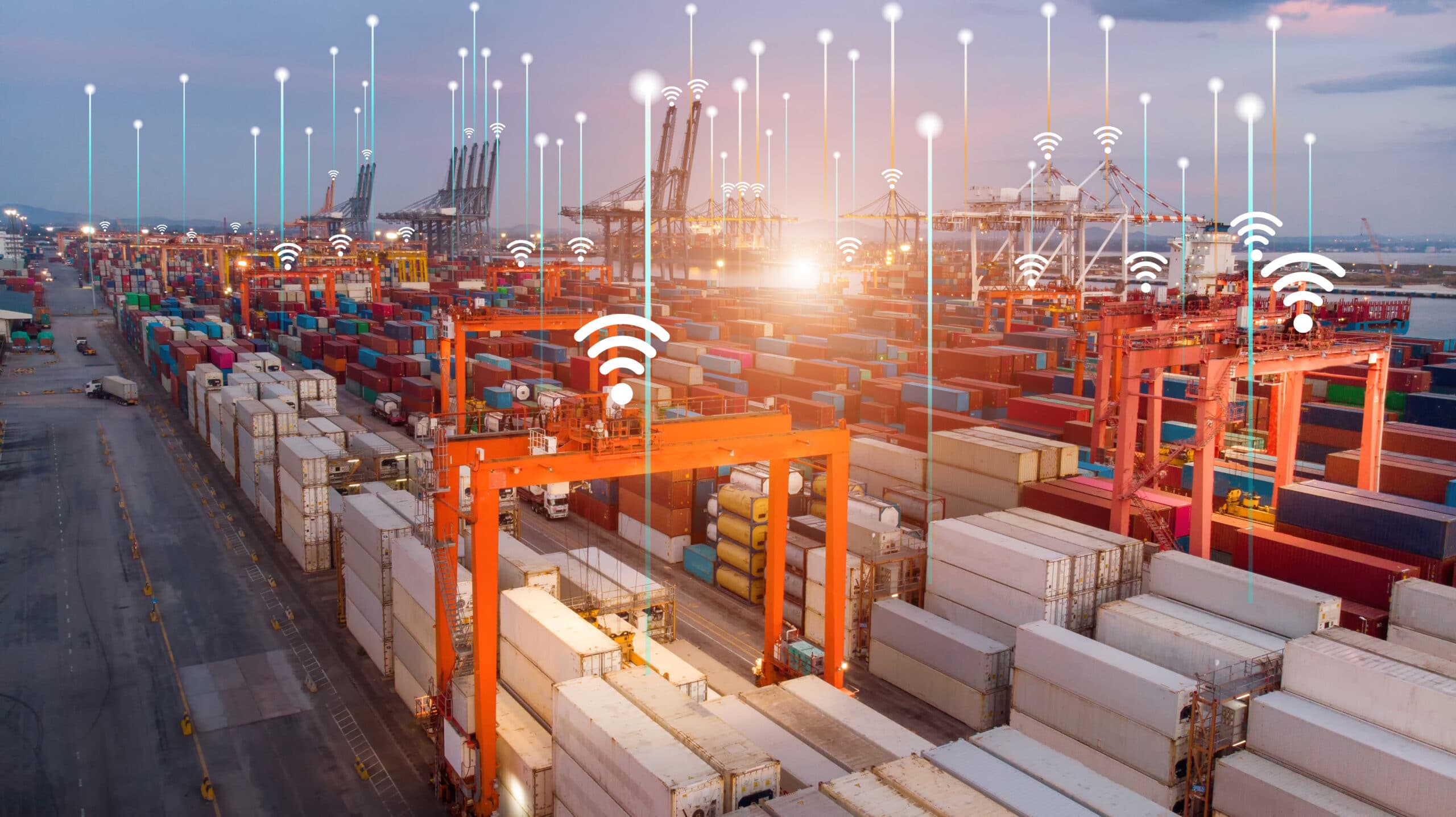
Ensure your supply chain remains transparent and efficient with our expert logistics solutions. Whether you are moving a single container or managing a large-scale lighting project, we provide the tools and support you need. Contact us today for a precise quote on 40HQ FCL tracking for lighting from China to California and experience seamless shipping. Visit Top China Freight to get started.
Request Quote